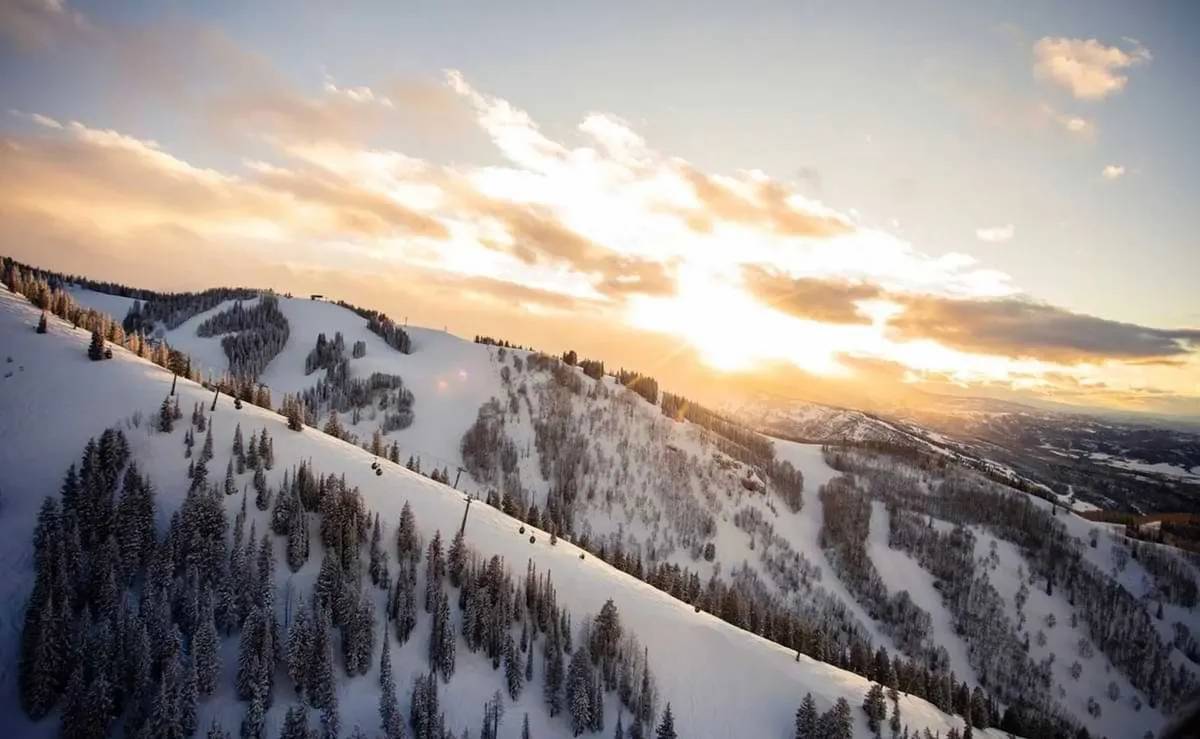
Aspen Mountain
675 acres, 76 runs above downtown Aspen. No beginner terrain, direct gondola access, Ikon Pass.

Season 2026 - 2027
Opens
27 Nov 2026
Closes
18 Apr 2027
Days open
142
Annual snow
235in
The Overview
Michael Fulton
Melbourne-based skier and snowboarder with 50+ resorts across 5 continents. Specialises in Australian resorts and international resort comparisons.
Aspen Mountain's summit reaches 11,212 feet, dropping 3,267 vertical feet to a base at 7,943 feet across 76 runs spread over 675 acres directly above downtown Aspen, Colorado. Terrain splits 48 per cent intermediate and 26 per cent each for advanced and expert, with no beginner-rated runs at all. Average annual snowfall runs to roughly 235 inches. The resort carries Ikon Pass and Mountain Collective affiliation. Eight lifts, including four double chairs, three quad chairs and one gondola, serve the mountain.
Aspen Mountain, known locally as Ajax, holds the genuinely rare distinction among major American ski resorts of offering no beginner terrain whatsoever, a deliberate reflection of its identity as a serious, downtown-adjacent mountain for committed skiers. Its direct access from Aspen's town centre makes it one of the most conveniently located resorts in Colorado.
Austrian ski instructor and racing champion Friedl Pfeifer, together with Chicago industrialist Walter Paepcke, Judge William E. Doyle, James J. Johnston and H.F. Klock, founded the Aspen Skiing Company in 1946. Lift-1, the resort's first chairlift, opened on 14 December 1946 as the world's longest chairlift at the time, establishing Aspen Mountain as the foundation of what would become a four-mountain skiing empire.
The Aspen Skiing Company did not pay dividends until Twentieth Century Fox purchased it in 1977, and by July 1985 ownership had passed to the Crown family of Illinois alongside a partnership called MKDG. The Crown family continues to own Aspen Skiing Company today. Adult daily tickets run from 189 to 259 US dollars.
3,264ft
Vertical
76
Runs
675 acres
Skiable
235in
Annual snow
Ikon / Mountain Collective
Pass
The Terrain
76 runs across 675 acres skiable
Aspen Mountain rises straight from downtown Aspen, packing 675 acres (273 hectares) of terrain into 76 runs. The base sits at 7,950 ft (2,422 m) and the summit at 11,210 ft (3,417 m), a vertical drop of 3,260 ft (995 m). Intermediate runs make up 48% of the mountain, with advanced and expert at 26% each and no beginner terrain at all. Annual snowfall averages around 235 inches. Eight lifts, including a high-speed gondola, serve the mountain from the edge of town, with the Sundeck restaurant at the summit.
From the Sundeck at the summit, intermediate runs fan out on either side of Bell Mountain, through Copper Bowl and down Spar Gulch. Bell offers bump runs down its ridge and its east and west faces for mogul fans, while Walsh's, Hyrup's and Kristi are double black runs with long, steep fall lines. The Silver Queen run is the steepest at about 42 degrees, and Ruthie's Run stretches more than two miles down the west ridge, reached by the Ruthie's high-speed double chair. With so little easy terrain, this is a mountain for confident intermediates, advanced skiers and experts. Beginners should pick Buttermilk or Snowmass, and the town of Aspen sits right at the base.
Terrain split
76
runs
76 runs across 4 grades
Beginner0 runs · 0%
Intermediate36 runs · 48%
Advanced20 runs · 26%
Expert20 runs · 26%
Time it right
When to visit Aspen Mountain
The 2025-26 season at Aspen Mountain ran from 28 November 2025 to 19 April 2026, a roughly twenty-week season supported by average annual snowfall of around 235 inches. Season dates can shift depending on early and late-season weather.
Midwinter, from December through February, typically brings the most consistent conditions to Aspen Mountain's intermediate-and-expert-weighted terrain. As an Ikon Pass and Mountain Collective resort, Aspen Mountain draws a genuinely international visitor base alongside pass holders, supported by the mountain's direct access from downtown Aspen's considerable luxury lodging and dining infrastructure.
Given the complete absence of beginner terrain, Aspen Mountain's visitor base skews toward intermediate and advanced skiers, with beginners typically directed to sister mountain Buttermilk within the broader Aspen Skiing Company portfolio. School holiday periods and Aspen's storied social calendar bring substantial visitation throughout the season.
Specific event programming beyond standard operations is not confirmed in available resort information. Under continued Crown family ownership of the Aspen Skiing Company, Aspen Mountain continues building on nearly eight decades of history since Lift-1's December 1946 opening. The mountain's direct downtown access and committed-skier character remain central to its seasonal identity.
Season 2026 - 2027
27 Nov 2026
Opens
18 Apr 2027
Closes
142
Days open
235 in
Annual snow
The record
Historical snowfall at Aspen Mountain
Daily snow reports at Aspen Mountain go back to 2025, 2 winters on the books. Open the record to compare winters, lifts and piste.
11 in
Snowiest day
5 Dec 2025
7 in
This winter · 2026-27
so far
64 in
Typical winter
average of complete seasons
Winter totals
in
Past wintersThis winter
Getting there
Getting to Aspen Mountain, and where to stay
Aspen Mountain sits directly above downtown Aspen, Colorado, with a base elevation of 7,943 feet and a summit at 11,212 feet across a 3,267-foot vertical drop over 675 acres. This setting gives Aspen Mountain one of the most convenient downtown-to-slopes configurations of any major American ski resort.
Aspen itself offers extensive luxury lodging, dining and shopping immediately at the mountain's base, a genuinely walkable town centre renowned as one of America's premier ski destinations. The broader Roaring Fork Valley surrounds Aspen with additional recreation and scenic attractions.
Colorado State Highway 82 provides access to Aspen from the broader region. Winter driving conditions on this route can include snow and ice, particularly through Independence Pass when open, though the main approach via Glenwood Springs is well maintained. There is no need for a car once in town, given the gondola's direct downtown access.
Aspen-Pitkin County Airport, within a short drive of downtown, offers direct flights from numerous major US cities, making Aspen Mountain one of the more air-accessible ski destinations in Colorado despite its remote mountain setting.
Where to stay
Search all stays →Stays map loads when you scroll here
Hotels and lodges near Aspen Mountain, powered by Stay22.
Latest News
From the SnowStash desk
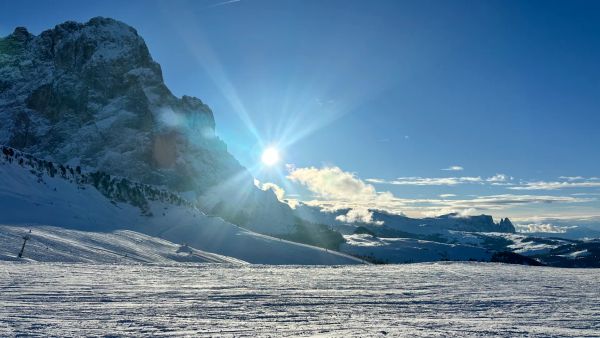
Val Gardena to Alpe di Siusi Lift Link Back in Play After Court Ruling
The Val Gardena-Alpe di Siusi lift link isn’t dead after all. A South Tyrol court has overturned Santa Cristina’s rejection of the new Monte Pana-Saltria link on procedural grounds, after the council skipped required public information sessions. Opponents want the missing sessions held and a fresh vote, and nothing has been approved. For now it’s still a bus between the two, but a plan first floated in 2017 is back in the conversation.
8 Nov 2026
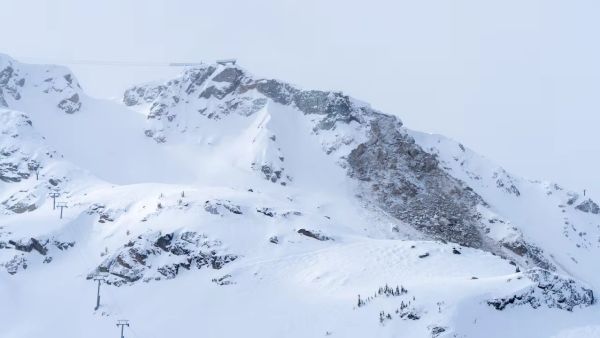
Whistler Blackcomb Rockslide Zone Stays Closed Through 2026-27 Season
A section of Whistler Peak terrain will stay closed all 2026-27 season, Vail Resorts has confirmed, with rockslide mitigation work continuing into summer 2027. Peak Express is still expected to run this winter, but locals are already arguing about what’s actually off limits, whether the Whistler Bowl is gone, and why the news landed after pass sales wound down. Here’s where things stand.
7 Nov 2026
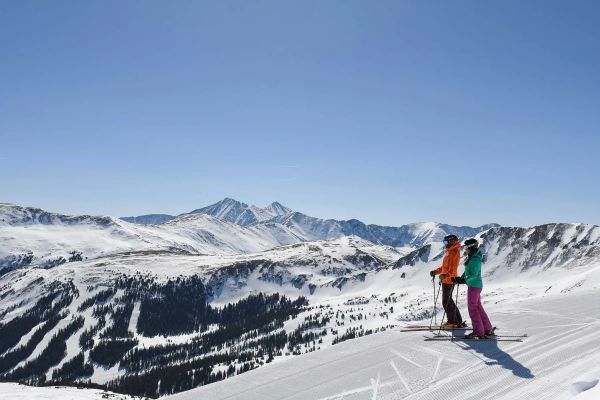
Loveland Ski Area Opens for 2026-27 and Marks 60 Years of Snowmaking
Loveland is open. The Colorado ski area started Chet’s Dream turning on Saturday 7 November to kick off 2026-27, with $60 adult lift tickets to mark 60 years of snowmaking. Expect three runs, nearly 1,000 vertical feet (about 300 metres) of top-to-bottom skiing, live music on the Basin Patio and no beginner terrain yet. Here’s what’s open, what it costs and when Loveland Valley follows.
7 Nov 2026
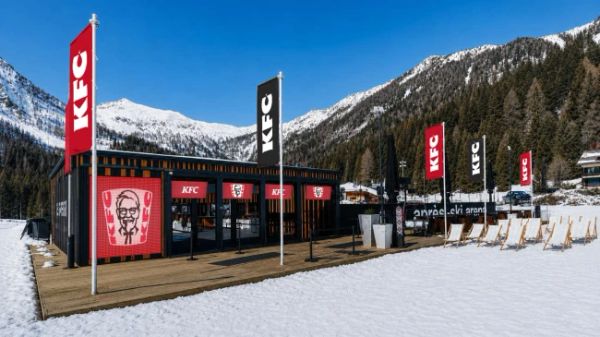
KFC Is Coming to the Slopes at Cortina and Madonna di Campiglio
Fried chicken is heading up the Dolomites. From 5 December KFC will run two restaurants on the slopes - one at 2,123 metres at Cortina, one at 1,700 metres at Madonna di Campiglio - and the polenta-and-canederli crowd has opinions. Local politicians, conservation groups and plenty of Facebook commenters are calling it a step too far, while others just want a cheaper lunch. Here’s what’s on the menu and what’s the fuss.
5 Nov 2026
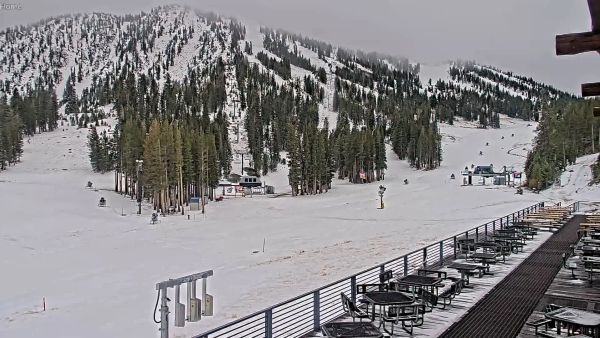
Mt Rose Aims to Open First in Tahoe on November 6
Mt Rose is going for the first-in-Tahoe title, with the Lakeview Express due to spin at 9 a.m. on Friday, November 6. One main lift, three runs and plenty of snowmaking, sitting on the highest base elevation in the region at 8,260 ft. Here is what is open, what is not (sorry, tubing fans), and how the early North American openings are stacking up.
4 Nov 2026
Europe Snow Forecast: Serre Chevalier Leads With 82 cm Over the Next 10 Days
Europe has had a quiet start to November, but our 10-day forecast has Serre Chevalier on 82 cm and Les 2 Alpes on 71 cm. Two pushes are lined up: a western Alps top-up from Friday, then a bigger, wider system on Thursday, November 12 and Friday, November 13 that reaches Italy and Switzerland. Full leaderboard inside.
4 Nov 2026
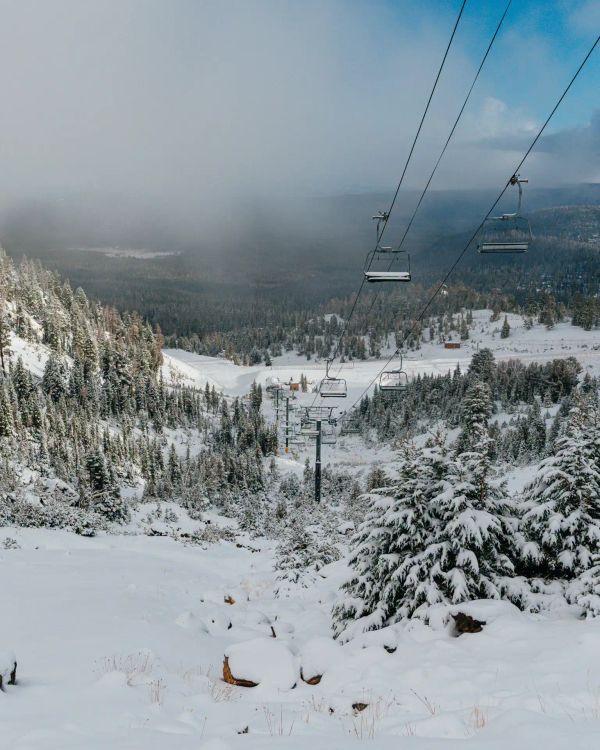
Mammoth Mountain Opens Early on November 5 With Up to 33 Inches of Snow in the Forecast
Mammoth just moved opening day forward to Thursday, November 5, eight days ahead of schedule. A snowy weekend and cold snowmaking nights did the work, and our forecast shows up to 33 inches more landing on November 13 and 14. Here is what opens, what the weather looks like and where Mammoth sits among the early Ikon Pass openers.
3 Nov 2026
Utah Snow Storm Builds Early-Season Base Ahead of November Openings
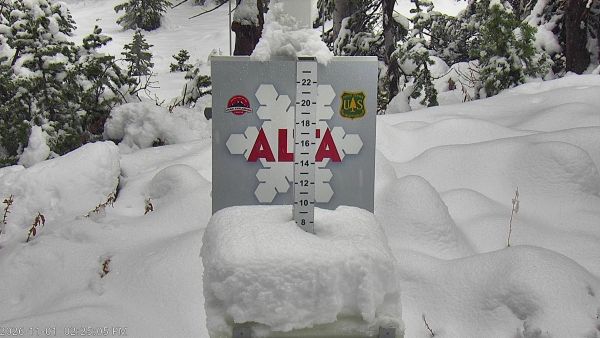
Rain down low, snow up high, and a snow report full of zeros that mostly means ‘not updated yet’. Utah’s first proper storm of 2026-27 is rolling through the Wasatch, Snowbird’s snow stake is closing in on 10 inches, and Brian Head is five days from opening day. Early November snow rarely looks like much, but it is the layer every November opening date is built on. Here is where it stands.
1 Nov 2026
Aspen Mountain Snow Report
Snow Report
Updated 8 Nov 2026
11,211ft
summit
+0in
new snow · last 24 hours
Clear27°F / 35°F · E 6mph
Snowfall
24 hours
0in
48 hours
0in
7 days
2in
Base depth
0in
Season total
7in
Typical winter 64in
Total lifts8
Live open status isn’t available right now.
27 Nov 2026 - 18 Apr 2027
Hour by Hour
Next 48 hours· Updated Nov 8, 2026 at 5:02 AM
Scroll for the full outlook · Open-Meteo
7-Day Outlook
10,558 ftUpdated Nov 8, 2026 at 5:02 AMOpen-Meteo
Days 1–7
0.0"
Days 8–14
2.4"
Sun, Nov 8
Clear
Temp35° / 27°°F
Snow0.0"
Wind6 mph E
Live snow from the resort feed; forecast from Open-Meteo, via Supabase.
Understanding the Aspen Mountain snow report
Aspen Mountain snow conditions, updated regularly: current snowfall, snow depth, temperatures, and the outlook for this Colorado resort on the Ikon / Mountain Collective.
Snow measurements
Base depth, summit depth, and recent snowfall are the core numbers to watch. At Aspen Mountain, summit conditions (3417m) can differ noticeably from the base, so we break both out separately rather than showing a single average.
Weather conditions
Current weather conditions affect snow quality. Cold temperatures with low wind typically preserve snow quality, while warm temperatures or rain can impact conditions negatively — something worth watching closely at Aspen Mountain's 2422m base elevation, where temperatures run milder than the summit.
Data sources
Aspen Mountain snow data is collected through a combination of on-mountain reports and weather forecasting services, giving you both official resort updates and independent forecast data in one place. The mountain is served by 8 lifts, including 3 quad chairlifts and a gondola.
When to check
Snow reports are typically updated early morning and late afternoon. For the most current conditions, check back regularly, especially if a winter storm is approaching.