The Overview
Michael Fulton
Melbourne-based skier and snowboarder with 50+ resorts across 5 continents. Specialises in Australian resorts and international resort comparisons.
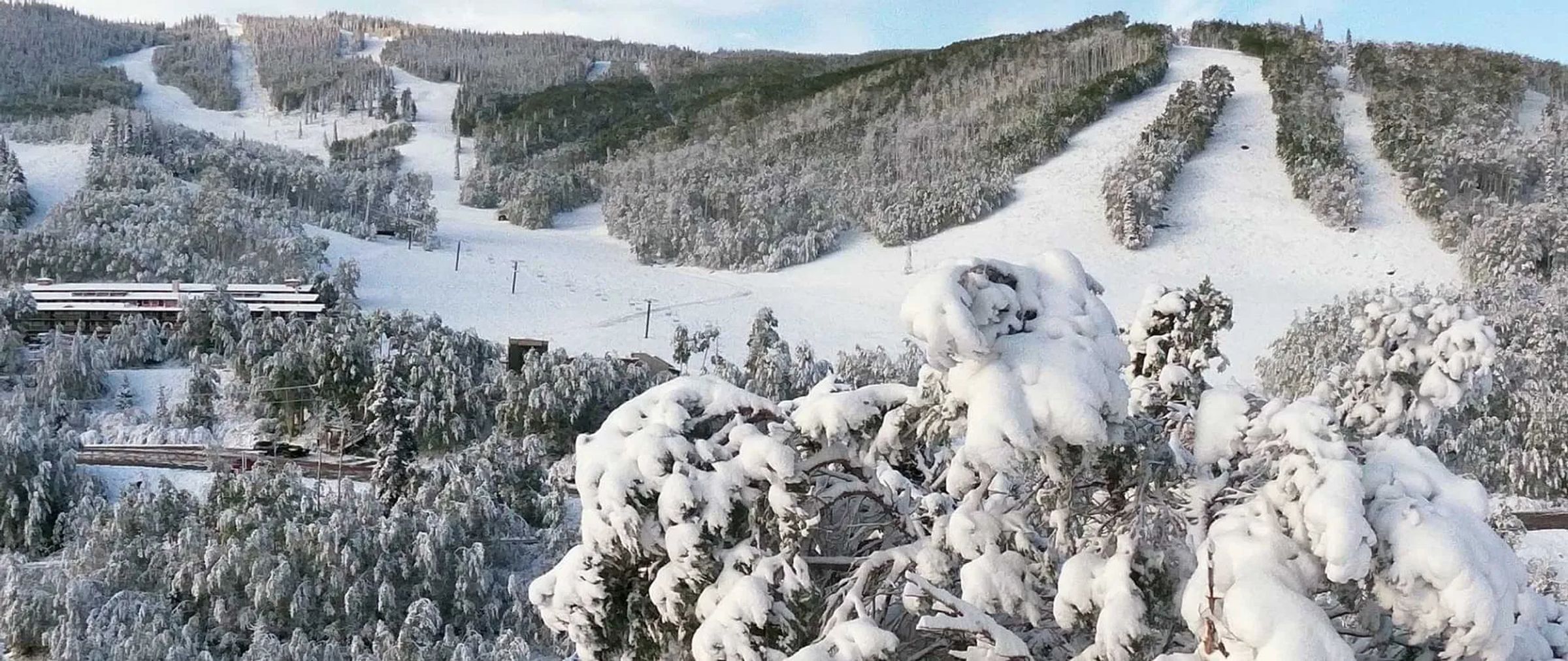
Sunlight Mountain's summit reaches 9,895 feet, dropping 2,010 vertical feet to a base at 7,885 feet across 68 runs spread over 730 acres near Glenwood Springs, Colorado. Terrain splits 40 per cent intermediate, 30 per cent advanced, 20 per cent beginner and 10 per cent expert, with average annual snowfall of roughly 250 inches. Three lifts, including one triple chair, serve the mountain alongside two double chairs.
Sunlight Mountain holds a genuinely distinctive reputation among Colorado resorts as one of the most affordable, uncrowded ski areas in the state, serving the Glenwood Springs community well away from the more heavily trafficked I-70 destination resorts nearby. Its modest scale and approachable pricing have built a loyal local following.
Sunlight Mountain Resort traces its origins to the 1950s and 1960s, when local ski enthusiasts developed lift-served terrain above Glenwood Springs, itself a historic spa town renowned for its hot springs. The resort has remained a comparatively small, independently operated ski area throughout its history.
Sunlight does not carry Epic or Ikon Pass affiliation, operating as an independently positioned resort focused on serving its local Glenwood Springs and regional visitor base. Adult daily tickets run from 69 to 89 US dollars.
2,011ft
Vertical
72
Runs
730 acres
Skiable
21ft
Annual snow
Indy Pass
Pass
The Terrain
72 runs across 730 acres skiable
Sunlight Mountain spreads 72 runs across 730 acres skiable of terrain. It leans expert at 37%, with 12 beginner runs to find your feet and 39 advanced or expert runs when you want to push.
Terrain split
72
runs
72 runs across 4 grades
Beginner12 runs · 17%
Intermediate21 runs · 29%
Advanced12 runs · 17%
Expert27 runs · 37%
Time it right
When to visit Sunlight Mountain
The 2025-26 season at Sunlight Mountain ran from 13 December 2025 to 22 March 2026, a roughly fifteen-week season supported by average annual snowfall of around 250 inches. Season dates can shift depending on early and late-season weather conditions.
Midwinter, from December through February, typically brings the most consistent conditions to Sunlight's terrain above Glenwood Springs. As an independently operated resort, Sunlight draws its visitor base primarily from the local Glenwood Springs community and broader regional skiers seeking an affordable, uncrowded alternative to nearby destination resorts.
Sunlight's approachable pricing and modest scale continue to support strong local visitation throughout the season, with the resort's proximity to Glenwood Springs' famous hot springs adding to its regional appeal. School holiday periods bring family visitation given the resort's accessible terrain mix and pricing.
Specific event programming beyond standard operations is not confirmed in available resort information. Sunlight Mountain continues to build on more than six decades of history as a community-oriented ski area above Glenwood Springs. The resort's affordable, local character remains central to its enduring regional appeal.
Season 2026 - 2027
12 Dec 2026
Opens
21 Mar 2027
Closes
99
Days open
21 ft
Annual snow
Getting there
Getting to Sunlight Mountain, and where to stay
Sunlight Mountain sits near Glenwood Springs, Colorado, with a base elevation of 7,885 feet and a summit at 9,895 feet across a 2,010-foot vertical drop over 730 acres. This setting places the resort a short distance from Glenwood Springs, a historic spa town renowned for its hot springs, along the Interstate 70 corridor.
Glenwood Springs itself offers extensive lodging, dining and its famous hot springs pools within a short drive of the resort, giving Sunlight visitors a distinctive combination of skiing and thermal recreation.
Colorado State Highway 82 and local roads provide direct access to the resort from Glenwood Springs. Winter driving conditions on these routes can include snow and ice, though the well-travelled roads are regularly maintained given the area's status as a regional hub.
Aspen-Pitkin County Airport and Denver International Airport, both a manageable drive away, provide gateways for visitors flying into the region, with Sunlight's accessible Glenwood Springs location adding genuine value for travellers seeking an affordable skiing option alongside the area's renowned hot springs.
Where to stay
Search all stays →Hotels and lodges near Sunlight Mountain, powered by Stay22.
Latest News
From the SnowStash desk
Colorado Ski Resort Opening Dates 2026-27: A-Basin and Keystone Race to Be First
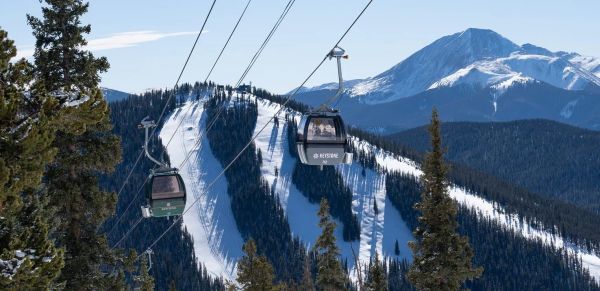
Arapahoe Basin, Keystone and Winter Park are all chasing an October start, though none has a firm date yet. The first dated openers are Breckenridge and Copper on Friday 6 November, then Vail on 13 November, with most of the rest bunched around US Thanksgiving. Hesperus did not open at all last season. A super El Niño offers hope but no guarantee, and forecasters say the southern mountains have the better odds.
5 Oct 2026
Dolomiti Superski 2026-27: Four New Gondolas, New Reservoirs and an €89 Peak Day Pass
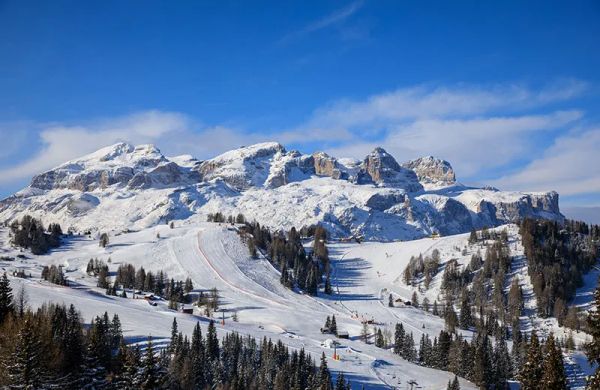
Dolomiti Superski is spending around €100 million across its 12 areas before winter. Kronplatz gets a new 10-passenger gondola with a middle station, 3 Zinnen gets Helmissimo, and Val di Fassa swaps a chairlift for a gondola above Col Valvacin. New water-storage basins and upgraded snowmaking follow, and construction has started on the San Martino to Passo Rolle link. A peak adult day pass is €89.
4 Oct 2026
Utah Ski Resort Opening Dates 2026-27: Brian Head First, Eagle Point Out
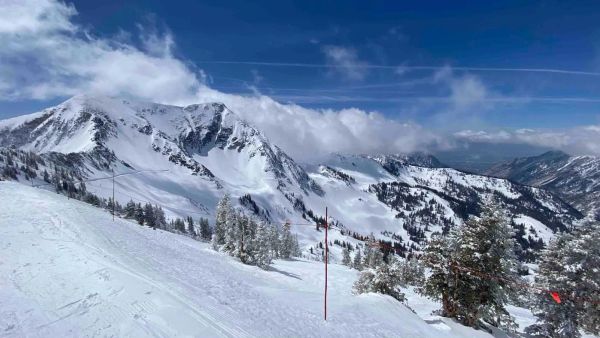
Brian Head is targeting 6 November, though last year it aimed for 7 November and did not open until the 25th. Park City, Alta and Solitude are pencilled in for 20 November, Snowbird and Snowbasin for 27 November, and Deer Valley for 5 December. Eagle Point will stay closed after the Cottonwood Fire. A super El Niño is forecast, but the big snow is not expected until January.
4 Oct 2026
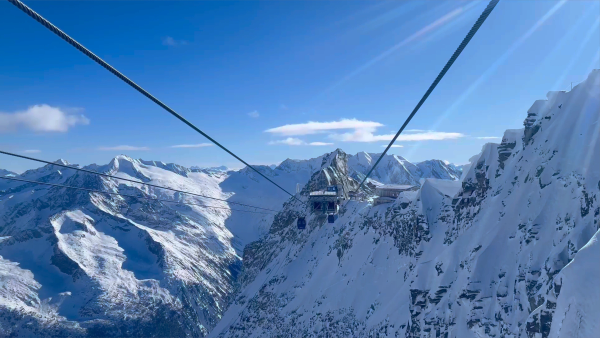
Hintertux Glacier Opens for 2026-27 With 12 Kilometres of Piste
Hintertux became Austria's second glacier to open for 2026-27 on Friday 2 October, after the Pitztal Glacier. Twelve kilometres of piste are running around the Olperer and Gefrorene Wand, served by one gondola and two drag lifts, with the Betterpark also open. Lifts officially run 8:15 am to 4:30 pm, but skiing stops at 2 pm for now.
4 Oct 2026
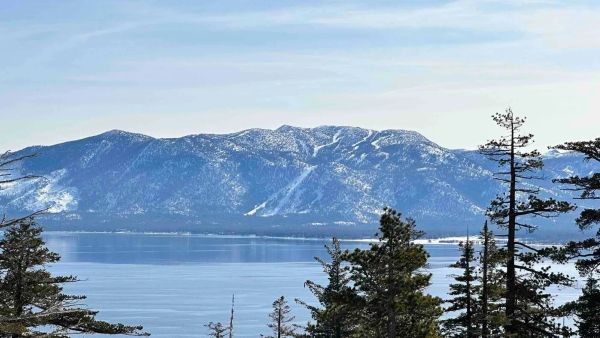
Vail Resorts Counts the Cost of a Thin Winter as Pass Sales Slide Further
A historically poor western winter cut Vail Resorts' annual net income from $280 million to $147.5 million and skier visits by 13.4 per cent. Now 2026-27 pass units are down 12 per cent as of 18 September, worse than the 10 per cent flagged in spring. Vail blames the weather and thinks some buyers are simply waiting, and it forecasts a rebound if the snow behaves.
3 Oct 2026
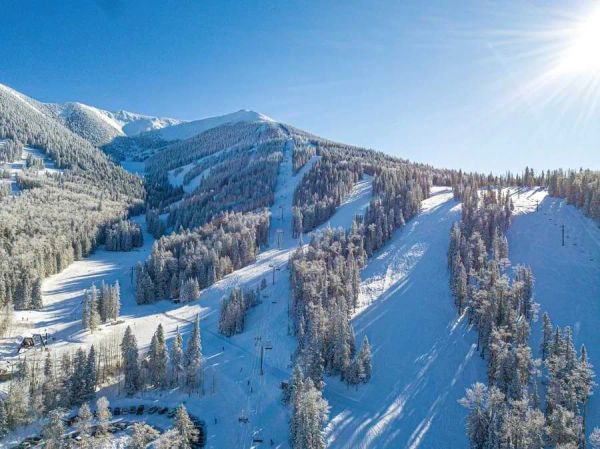
Arizona Snowbowl's $1 Lift Tickets Are Hard to Find, but $9 Days Are Not
Arizona Snowbowl advertised eight $1 lift ticket days this winter. Go looking and only three are showing - 10 March, 1 April and 10 April - so the rest may already have gone. The consolation is a calendar full of $9 days, including all but one day in April. Opening day is 20 November, weather permitting, and opening weekend is $19.
2 Oct 2026
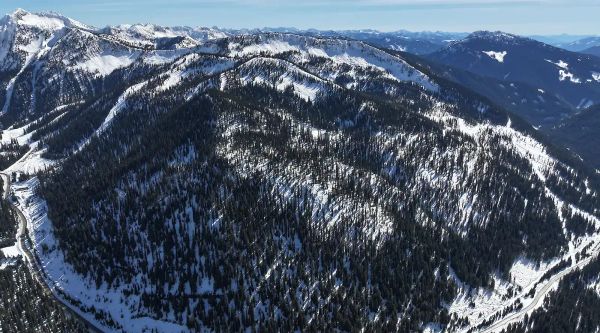
Whitewater Brings Its Short Side Inbounds, With Six New Runs for 2026-27
For years, Whitewater's Short Side was where you ducked a rope and hoped for the best: unmapped, ungroomed and unpatrolled. This winter it's inbounds. Six new runs of glades and fall-line skiing add 190 acres (about 77 hectares), taking the resort past 1,400 acres in total. F2 Logging spent a month in the trees to make it happen, and opening day is pencilled in for 4 December. Bonanza now needs less snow to groom, too.
1 Oct 2026
September Dusting Hits Mammoth Mountain Six Weeks Before Opening Day
Mammoth got its first snow of 2026-27 on Monday 28 September - and promptly lost it by Tuesday morning. Barely an inch fell at McCoy Station, but with opening day pencilled in for Friday 13 November, it's the first sign the Sierra is waking up. Last year's date slipped from 14 November to 20 November, so nobody's booking flights on a dusting just yet. Here's where California's early openers stand.
1 Oct 2026
Sunlight Mountain Snow Report
Snow Report
Awaiting live data
9,895ft
summit
+0in
new snow · last 24 hours
-°F / -°F · - -
Snowfall
24 hours
0in
48 hours
0in
7 days
0in
Base depth
-
Season total
-
Total lifts3
Live open status isn’t available right now.
12 Dec 2026 - 21 Mar 2027
Hour by Hour
Next 38 hours· Updated Oct 6, 2026 at 6:02 PM
Scroll for the full outlook · Open-Meteo
7-Day Outlook
9,895 ftUpdated Oct 6, 2026 at 6:02 PMOpen-Meteo
Days 1–7
0.0"
Days 8–14
1.2"
Wed, Oct 7
Overcast
Temp73° / 52°°F
Snow0.0"(13%)
Wind19 mph S
Live snow from the resort feed; forecast from Open-Meteo, via Supabase.
Understanding the Sunlight Mountain snow report
See what's happening on the mountain at Sunlight Mountain right now — snowfall, snow depth, and weather data to help you plan your day in Colorado.
Snow measurements
Base depth, summit depth, and recent snowfall are the core numbers to watch. At Sunlight Mountain, summit conditions (3016m) can differ noticeably from the base, so we break both out separately rather than showing a single average.
Weather conditions
Current weather conditions affect snow quality. Cold temperatures with low wind typically preserve snow quality, while warm temperatures or rain can impact conditions negatively — something worth watching closely at Sunlight Mountain's 2403m base elevation, where temperatures run milder than the summit.
Data sources
Sunlight Mountain snow data is collected through a combination of on-mountain reports and weather forecasting services, giving you both official resort updates and independent forecast data in one place. The mountain is served by 3 lifts in total.
When to check
Conditions can change overnight, so mornings and late afternoons are the best times to check back on Sunlight Mountain.