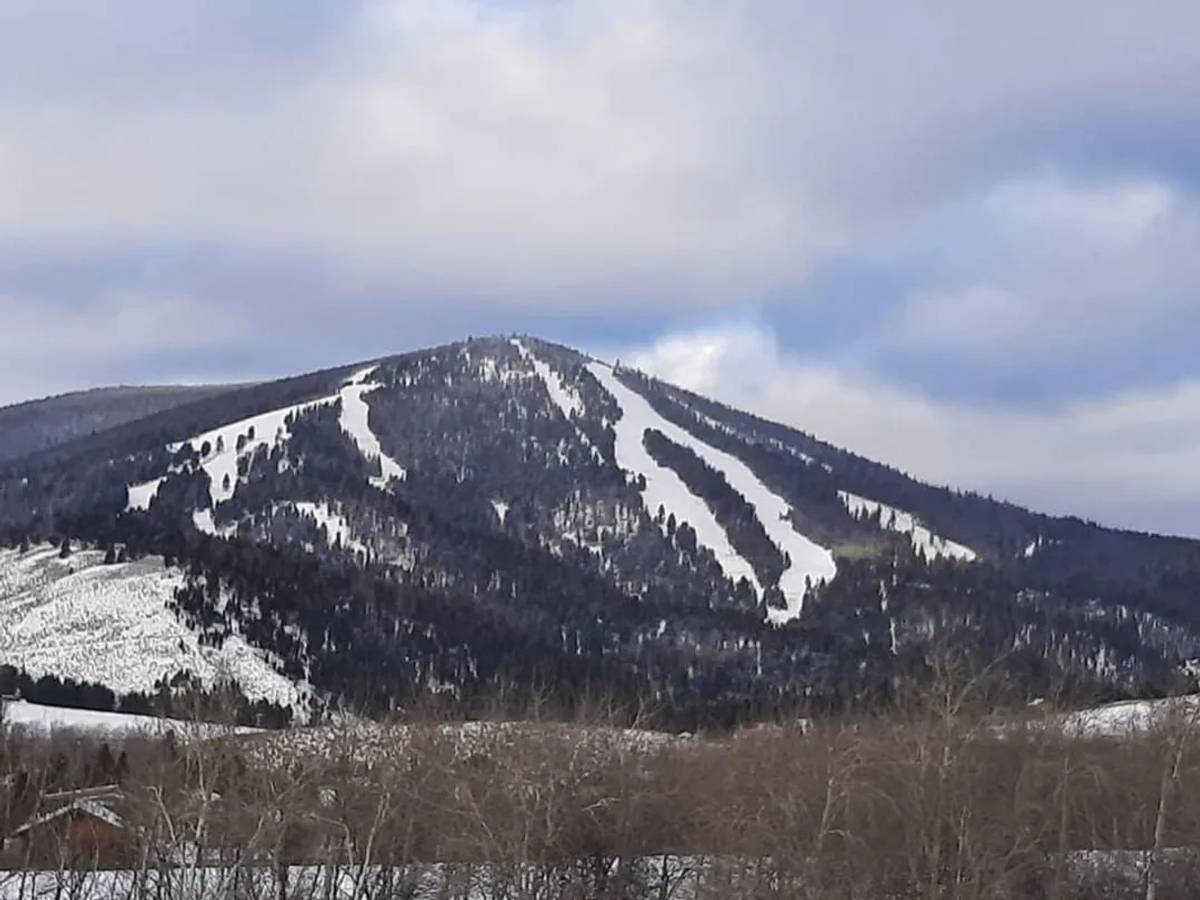
Maverick Mountain
450 acres, 22 runs near Polaris. Remote, uncrowded skiing in the Beaverhead-Deerlodge National Forest.

Season 2026 - 2027
Opens
19 Dec 2026
Closes
28 Mar 2027
Days open
99
Annual snow
154in
The Overview
Michael Fulton
Melbourne-based skier and snowboarder with 50+ resorts across 5 continents. Specialises in Australian resorts and international resort comparisons.
Maverick Mountain's summit reaches 8,520 feet, dropping 2,021 vertical feet to a base at 6,499 feet across 22 runs spread over 450 acres near Polaris, Montana. Average annual snowfall runs to roughly 250 inches across the resort's compact but genuinely varied terrain. The resort carries no major multi-resort pass affiliation. Two double chairs serve the mountain alongside one surface lift.
Maverick Mountain sits within the Beaverhead-Deerlodge National Forest along the Pioneer Mountain Scenic Byway, roughly 40 miles from Dillon, in a genuinely remote corner of southwestern Montana. Its origins as a community-built facility for the Grasshopper Valley area give the resort a distinctly grassroots character that persists in its modest, uncrowded operation today. The mountain's proximity to Bannack State Park, site of Montana's first territorial capital and an 1862 gold rush boomtown, adds historic interest to the surrounding region.
The ski area opened in 1946 to serve the small Grasshopper Valley community, beginning with nothing more than a single rope tow. In a detail that speaks to the resort's resourceful, do-it-yourself origins, the lift's early support posts were reportedly dragged into place by draft horses given the lack of mechanised equipment available in the area at the time.
Randy Shilling ran Maverick Mountain for roughly 25 years, guiding the resort through decades of steady, unglamorous community operation. In 2015, Erik and Kristi Borge purchased the ski area, continuing its tradition as a small, independently run mountain. Specific current adult daily ticket pricing is not confirmed in available resort information.
2,021ft
Vertical
22
Runs
450 acres
Skiable
154in
Annual snow
The Terrain
22 runs across 450 acres skiable
Maverick Mountain is a small, community-run ski hill at Polaris in the Pioneer Mountains, about 40 miles from Dillon. It has 22 runs across roughly 450 acres (182 hectares), rising from 6,500 ft (1,981 m) at the base to 8,520 ft (2,597 m) at the top, a vertical drop of 2,020 ft (616 m). That is a big drop for the size of the hill. Terrain splits 30% beginner, 40% intermediate and 30% advanced, with no expert category. One double chair and a surface lift serve the mountain, so lift capacity is modest and the pace stays relaxed, even on weekends.
The hill has a steeper, longer feel than its acreage suggests, with groomed runs on the open slopes and tree skiing in the glades between them. Advanced skiers get their fix on the steeper top-to-bottom lines, while beginners and intermediates have enough gentle ground near the lodge to build confidence. Maverick suits families, locals and southwest Montana road-trippers who want a quiet day away from the larger resorts. Expect minimal facilities, short lift lines and a friendly crowd, and check current operating days and rebuilding updates before travelling, as the area has had recent challenges after wildfire damage.
Terrain split
22
runs
22 runs across 4 grades
Beginner7 runs · 30%
Intermediate9 runs · 40%
Advanced7 runs · 30%
Expert0 runs · 0%
Time it right
When to visit Maverick Mountain
The 2025-26 season at Maverick Mountain ran through the winter months, supported by average annual snowfall of around 250 inches across the resort's compact terrain. Specific opening and closing dates for the 2025-26 season are not confirmed in available resort information, though the mountain typically operates through the core winter period given its elevation and snowfall totals.
Midwinter, from December through February, typically brings the most consistent conditions to the resort's varied 450-acre terrain. Given Maverick's remote location roughly 40 miles from Dillon along the Pioneer Mountain Scenic Byway, the resort draws a genuinely small, dedicated skier base from the surrounding Beaverhead Valley region rather than national destination traffic.
As an independently operated resort without major pass affiliation, Maverick's visitor base skews heavily toward locals and regional skiers specifically seeking out its uncrowded, community-focused character. Weekend visitation draws primarily from Dillon and the broader southwestern Montana region, with the mountain's remote setting naturally limiting crowds throughout the season.
Specific event programming beyond standard operations is not confirmed in available resort information. Since Erik and Kristi Borge's 2015 purchase, following Randy Shilling's roughly 25-year tenure, the resort has continued its tradition as a modest, independently run community mountain. Maverick's proximity to Bannack State Park's gold rush history remains a distinctive point of regional interest for visitors throughout the winter.
Season 2026 - 2027
19 Dec 2026
Opens
28 Mar 2027
Closes
99
Days open
154 in
Annual snow
The record
Historical snowfall at Maverick Mountain
Daily snow reports at Maverick Mountain go back to 2025, 2 winters on the books. Open the record to compare winters, lifts and piste.
8 in
Snowiest day
20 Feb 2026
0 in
This winter · 2026-27
so far
13 in
Typical winter
average of complete seasons
Winter totals
in
Past wintersThis winter
Getting there
Getting to Maverick Mountain, and where to stay
Maverick Mountain sits near Polaris, Montana, within the Beaverhead-Deerlodge National Forest along the Pioneer Mountain Scenic Byway, with a base elevation of 6,499 feet and a summit at 8,520 feet across a 2,021-foot vertical drop over 450 acres. This remote southwestern Montana setting places the resort roughly 40 miles from the nearest larger town.
Dillon, the nearest town of any size, provides lodging, dining and services within a considerable drive of the resort. The historic Bannack State Park, site of Montana's first territorial capital and an 1862 gold rush boomtown, lies within the same broader region, adding a notable historic attraction for visitors to the area.
The Pioneer Mountain Scenic Byway provides access to the resort, a route valued for its scenery but requiring careful winter driving given the remote, mountainous terrain it traverses. Snow and ice are common on this route during winter months, and traction tyres or chains are often advisable during storms. There is no direct public transport service to the resort.
Bert Mooney Airport in Butte is the nearest airport with commercial service, a considerable drive from the resort. This distance reinforces Maverick Mountain's identity as a genuinely remote destination reached deliberately by regional skiers rather than a convenient fly-in resort.
Where to stay
Search all stays →Stays map loads when you scroll here
Hotels and lodges near Maverick Mountain, powered by Stay22.
Latest News
From the SnowStash desk
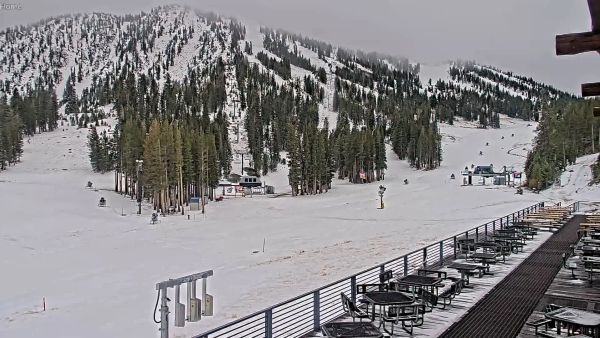
Mt Rose Aims to Open First in Tahoe on November 6
Mt Rose is going for the first-in-Tahoe title, with the Lakeview Express due to spin at 9 a.m. on Friday, November 6. One main lift, three runs and plenty of snowmaking, sitting on the highest base elevation in the region at 8,260 ft. Here is what is open, what is not (sorry, tubing fans), and how the early North American openings are stacking up.
4 Nov 2026
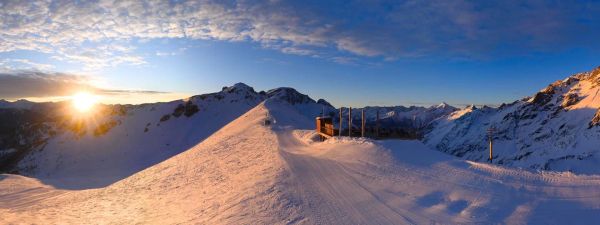
Europe Snow Forecast: Serre Chevalier Leads With 82 cm Over the Next 10 Days
Europe has had a quiet start to November, but our 10-day forecast has Serre Chevalier on 82 cm and Les 2 Alpes on 71 cm. Two pushes are lined up: a western Alps top-up from Friday, then a bigger, wider system on Thursday, November 12 and Friday, November 13 that reaches Italy and Switzerland. Full leaderboard inside.
4 Nov 2026
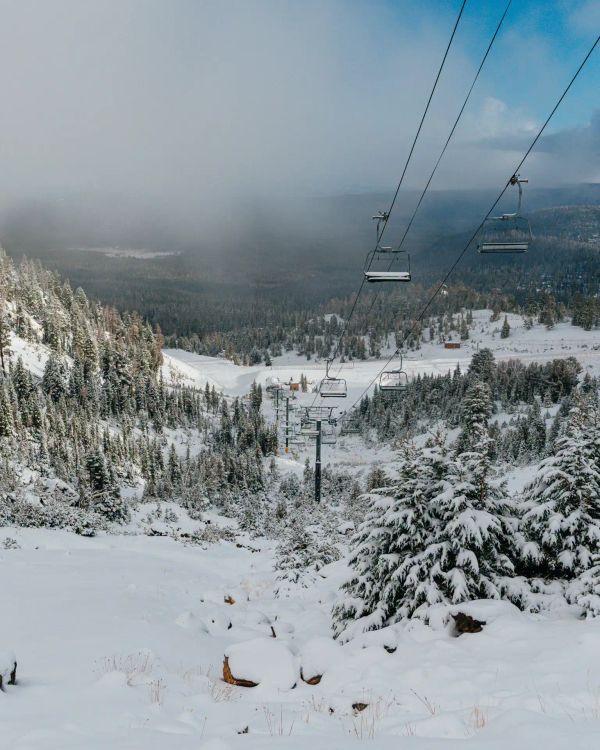
Mammoth Mountain Opens Early on November 5 With Up to 33 Inches of Snow in the Forecast
Mammoth just moved opening day forward to Thursday, November 5, eight days ahead of schedule. A snowy weekend and cold snowmaking nights did the work, and our forecast shows up to 33 inches more landing on November 13 and 14. Here is what opens, what the weather looks like and where Mammoth sits among the early Ikon Pass openers.
3 Nov 2026

Utah Snow Storm Builds Early-Season Base Ahead of November Openings
Rain down low, snow up high, and a snow report full of zeros that mostly means ‘not updated yet’. Utah’s first proper storm of 2026-27 is rolling through the Wasatch, Snowbird’s snow stake is closing in on 10 inches, and Brian Head is five days from opening day. Early November snow rarely looks like much, but it is the layer every November opening date is built on. Here is where it stands.
1 Nov 2026
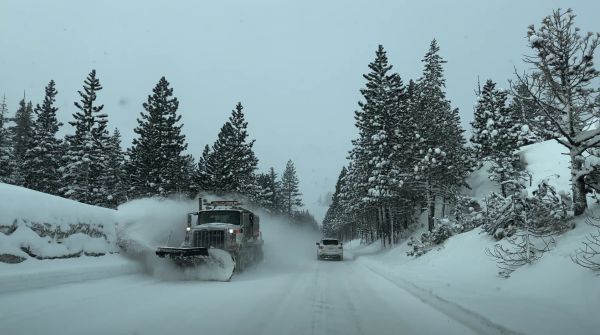
Sierra Nevada Halloween Storm: Dodge Ridge Forecast to Lead With 19 Inches
Halloween weekend brings a wet, windy storm to the Sierra Nevada. Our five-day forecast has Dodge Ridge on top with 19 in, followed by Bear Valley at 15 in and Mammoth Mountain at 12 in, with most of it landing on Saturday. A winter weather advisory covers the Tahoe Basin and Mono County until 7 AM Sunday, gusts could reach 47 mph and the freezing level swings between 4,900 and 8,700 ft, so some bases will see rain. A dry spell follows from Monday.
31 Oct 2026
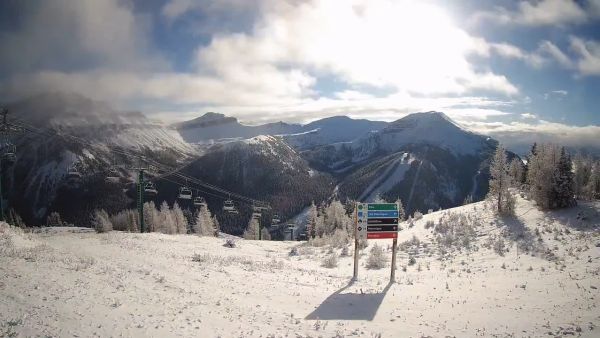
Lake Louise Opens Early on 1 November With Juniper Express and Easy Street
The Rockies get their first lift-served turns of the season early. Lake Louise opens Sunday 1 November, five days ahead of schedule, after a cold October and round-the-clock work from the snowmaking and mountain crews. Terrain is limited to Juniper Express Chair and Easy Street, with two small terrain parks and the beginner area for lessons. Opening-day tickets are over 60% off, with prices rising as more lifts open. First chair is at 9:30 am under the resort’s new lift hours.
31 Oct 2026
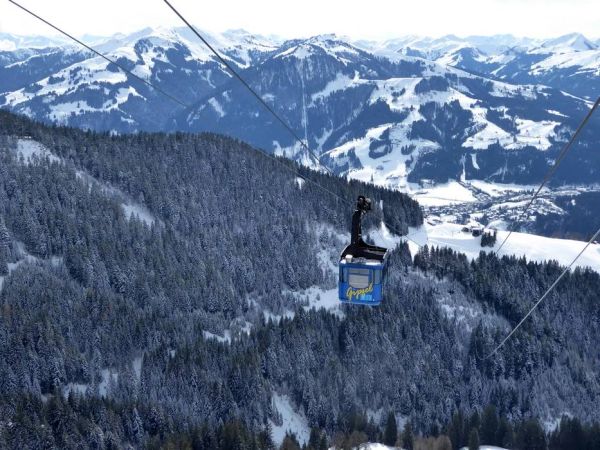
Kitzbüheler Horn Summit Cable Car to Be Replaced After 70 Years
A Tyrolean summit lift that has been carrying guests up the Kitzbüheler Horn since 1955 is on borrowed time. Its licence runs to 2045, but a new inspection rule has made refurbishment uneconomic, so Bergbahn AG Kitzbühel will spend around €15 million on a replacement on the same line. It should hold roughly 100 people and keep running in winds that would stop today’s lift. Building starts in autumn 2027, which makes this winter and next summer the last chances to ride the old one.
30 Oct 2026
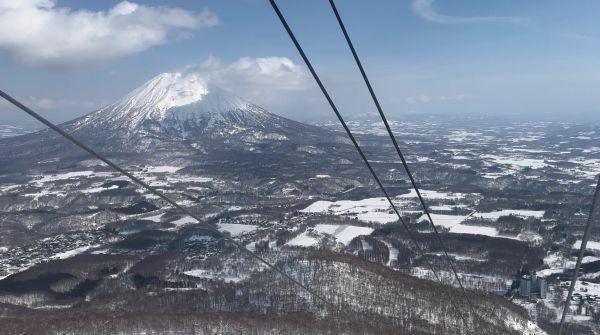
What’s New in Japan Skiing This Winter: Niseko Gondola, a Private Resort and a Bigger Ikon Pass
Niseko Village is replacing a lift from the early 1980s with an eight-person gondola, Tsugaike gets a six-person chairlift, Madarao joins the Ikon Pass and Togari opens Asia’s first private ski resort. Here’s what is actually new in Japan skiing for 2026/27, plus what is still a year or two away.
30 Oct 2026
Maverick Mountain Lift System
Maverick Mountain runs two double chairs alongside one surface lift, serving 22 runs across 450 acres near Polaris in the Beaverhead-Deerlodge National Forest. This lean, three-lift network reflects the resort's identity as a small, community-scale mountain rather than a high-throughput destination operation.
The ski area's lift infrastructure has come a considerable distance since its 1946 origins, when a single rope tow, with support posts reportedly dragged into place by draft horses, served the small Grasshopper Valley community. That resourceful, do-it-yourself beginning gradually gave way to the double chairs that now form the backbone of the mountain's lift network.
The two double chairs distribute skiers across Maverick's varied 450-acre terrain, while the surface lift supports beginner areas near the base. There is no quad, triple or high-speed chair, consistent with the resort's identity as a modest, remote mountain serving a genuinely small, dedicated local skier base rather than large visitor volumes.
Under Randy Shilling's roughly 25 years of ownership, and since Erik and Kristi Borge's 2015 purchase, investment has continued to support this existing lift configuration. Specific recent lift replacement or expansion projects beyond the current network are not confirmed in available resort information. Maverick's lean three-lift setup remains well matched to its remote, low-key operating character.
2lifts across 2 types
1
Double Chair
1
Surface Lift
Maverick Mountain lift system
Maverick Mountain is served by 2 lifts, listed here by type. Check which lifts are turning against the live conditions before you plan your first laps - early lifts and high-speed chairs get you to the best snow fastest.
More Maverick Mountain intelligence: trail map, snow report, webcams, resort overview.