
The Overview
Michael Fulton
Melbourne-based skier and snowboarder with 50+ resorts across 5 continents. Specialises in Australian resorts and international resort comparisons.
Jay Peak's summit reaches 3,966 feet, dropping roughly 2,153 vertical feet to a base at 1,814 feet across 81 runs spread over 385 acres near Jay, Vermont, close to the Canadian border. Terrain splits 50 per cent intermediate, 26 per cent beginner, 20 per cent advanced and 4 per cent expert, with average annual snowfall of roughly 359 inches, the highest of any ski area in the eastern United States. The resort carries Indy Pass affiliation. Nine lifts, including one aerial tram and four quad chairs, serve the mountain alongside one double chair, one triple chair and two surface lifts.
Jay Peak has earned a reputation as Vermont's snowiest resort, a distinction rooted in its far-northern location and prevailing weather patterns that deliver substantially more natural snowfall than mountains further south in the state. This snow reliability, combined with legendary gladed terrain, has built a devoted following among serious powder skiers.
Jay Peak opened for skiing in 1957. Following the sudden death in March 2006 of Jacques Hebert, the Canadian principal shareholder and operator, his heirs, lacking experience running a major resort business, decided to sell. In 2008, a group of investors headed by Ariel Quiros and resort CEO Bill Stenger purchased Jay Peak and undertook a major expansion funded through the EB-5 immigrant investor programme, adding hotels, condominiums, an ice rink and an indoor water park.
That expansion later proved to be the largest EB-5 fraud in American history, with roughly 350 million US dollars raised from investors and around 200 million US dollars misused on unrelated projects and personal expenses. The Securities and Exchange Commission seized Jay Peak in 2016, placing it under receivership until an auction in September 2022 saw Pacific Group Resorts, Inc. of Park City, Utah, acquire the resort for 76 million US dollars, with the sale completed that November and the bulk of proceeds distributed to defrauded investors. Adult daily tickets run from 99 to 149 US dollars, with a discount available for Vermont residents.
2,152ft
Vertical
81
Runs
385 acres
Skiable
30ft
Annual snow
Indy
Pass
The Terrain
81 runs across 385 acres skiable
Jay Peak spreads 81 runs across 385 acres skiable of terrain. It leans intermediate at 50%, with 21 beginner runs to find your feet and 19 advanced or expert runs when you want to push.
Terrain split
81
runs
81 runs across 4 grades
Beginner21 runs · 26%
Intermediate41 runs · 50%
Advanced16 runs · 20%
Expert3 runs · 4%
Time it right
When to visit Jay Peak
The 2025-26 season at Jay Peak ran from 22 November 2025 to 10 May 2026, a remarkably long roughly twenty-four-week season supported by average annual snowfall of around 359 inches, the highest of any ski area in the eastern United States. This exceptional snowfall total, driven by the resort's far-northern location, supports one of the longest seasons in the Northeast.
Midwinter, from December through February, typically brings the deepest, most consistent conditions to Jay Peak's legendary gladed terrain. As an Indy Pass resort, Jay draws some visiting skiers holding that multi-resort pass alongside dedicated powder-focused visitors drawn specifically to the mountain's exceptional snow totals.
Given Jay Peak's remote location close to the Canadian border, the resort draws a genuinely dedicated visitor base willing to travel further than for many other Vermont mountains, rewarded by consistently deeper snow than areas further south. School holiday periods bring family visitation supported by the resort's indoor water park and hotel amenities.
Specific event programming beyond standard operations is not confirmed in available resort information. Since Pacific Group Resorts, Inc.'s November 2022 acquisition following the resort's EB-5 fraud scandal and subsequent federal receivership, Jay Peak has continued operating under stable ownership, building on nearly seven decades of history since its 1957 founding. The mountain's exceptional snowfall remains its defining seasonal characteristic.
Season 2026 - 2027
22 Nov 2026
Opens
16 May 2027
Closes
175
Days open
30 ft
Annual snow
Getting there
Getting to Jay Peak, and where to stay
Jay Peak sits near Jay, Vermont, close to the Canadian border, with a base elevation of 1,814 feet and a summit at 3,966 feet across a roughly 2,153-foot vertical drop over 385 acres. This far-northern setting places the resort in one of the snowiest corners of the eastern United States.
The town of Jay and the broader Northeast Kingdom region offer modest local lodging and dining, with the resort itself providing substantial on-site accommodation given its remote setting. Montreal, Canada, lies within a reasonable drive across the nearby border, adding an international dimension to the resort's visitor draw.
Vermont State Route 242 provides access to the resort through the Northeast Kingdom. Winter driving conditions on this route can include substantial snow and ice, consistent with the region's exceptional snowfall totals, and travellers should allow extra time given the resort's remote location. There is no direct public transport service to the mountain.
Montreal-Trudeau International Airport, across the Canadian border, and Burlington International Airport, within Vermont, both serve the broader region, with Jay Peak drawing a genuinely international visitor base given its proximity to Montreal alongside its core Vermont and Northeast skier base.
Where to stay
Search all stays →Hotels and lodges near Jay Peak, powered by Stay22.
Latest News
From the SnowStash desk
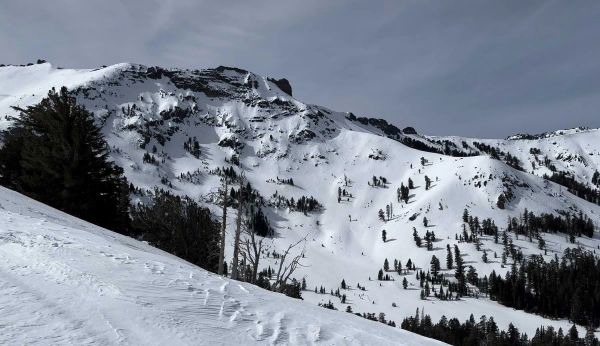
California Ski Resort Opening Dates 2026-27: Mammoth Leads, Tahoe Follows
Mammoth Mountain is first up in California, targeting Friday 13 November after a dusting of September snow. Heavenly and Northstar follow on 20 November, Palisades Tahoe on Wednesday 25 November and Sugar Bowl on 27 November, with Kirkwood on 4 December and June Mountain on 19 December. Plenty of smaller areas have no date yet. A super El Niño favours the Sierra, but a warmer storm track is the catch.
7 Oct 2026
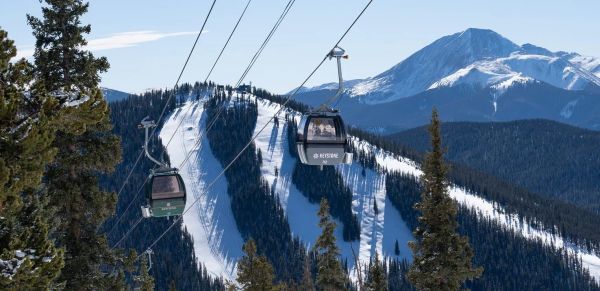
Colorado Ski Resort Opening Dates 2026-27: A-Basin and Keystone Race to Be First
Arapahoe Basin, Keystone and Winter Park are all chasing an October start, though none has a firm date yet. The first dated openers are Breckenridge and Copper on Friday 6 November, then Vail on 13 November, with most of the rest bunched around US Thanksgiving. Hesperus did not open at all last season. A super El Niño offers hope but no guarantee, and forecasters say the southern mountains have the better odds.
5 Oct 2026
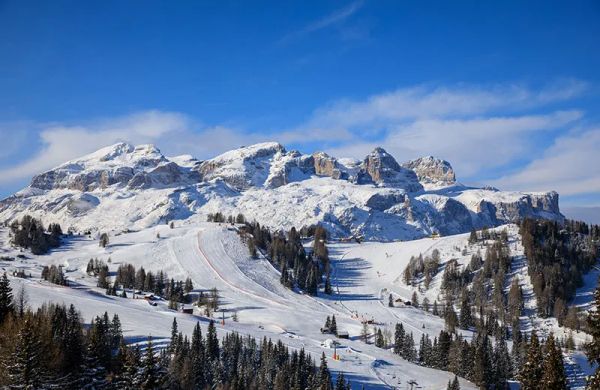
Dolomiti Superski 2026-27: Four New Gondolas, New Reservoirs and an €89 Peak Day Pass
Dolomiti Superski is spending around €100 million across its 12 areas before winter. Kronplatz gets a new 10-passenger gondola with a middle station, 3 Zinnen gets Helmissimo, and Val di Fassa swaps a chairlift for a gondola above Col Valvacin. New water-storage basins and upgraded snowmaking follow, and construction has started on the San Martino to Passo Rolle link. A peak adult day pass is €89.
4 Oct 2026
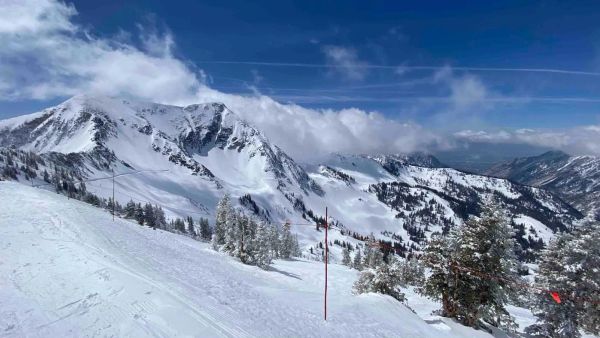
Utah Ski Resort Opening Dates 2026-27: Brian Head First, Eagle Point Out
Brian Head is targeting 6 November, though last year it aimed for 7 November and did not open until the 25th. Park City, Alta and Solitude are pencilled in for 20 November, Snowbird and Snowbasin for 27 November, and Deer Valley for 5 December. Eagle Point will stay closed after the Cottonwood Fire. A super El Niño is forecast, but the big snow is not expected until January.
4 Oct 2026
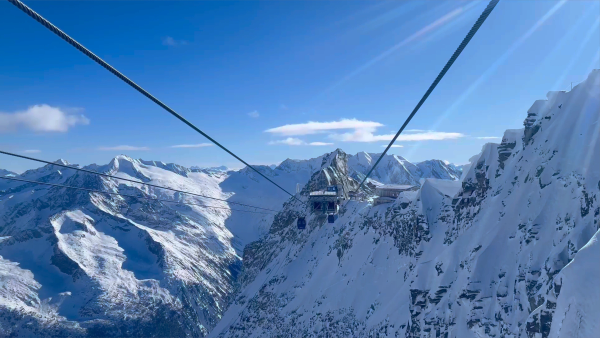
Hintertux Glacier Opens for 2026-27 With 12 Kilometres of Piste
Hintertux became Austria's second glacier to open for 2026-27 on Friday 2 October, after the Pitztal Glacier. Twelve kilometres of piste are running around the Olperer and Gefrorene Wand, served by one gondola and two drag lifts, with the Betterpark also open. Lifts officially run 8:15 am to 4:30 pm, but skiing stops at 2 pm for now.
4 Oct 2026
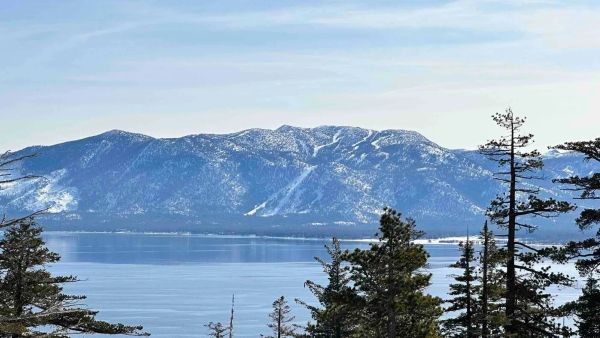
Vail Resorts Counts the Cost of a Thin Winter as Pass Sales Slide Further
A historically poor western winter cut Vail Resorts' annual net income from $280 million to $147.5 million and skier visits by 13.4 per cent. Now 2026-27 pass units are down 12 per cent as of 18 September, worse than the 10 per cent flagged in spring. Vail blames the weather and thinks some buyers are simply waiting, and it forecasts a rebound if the snow behaves.
3 Oct 2026
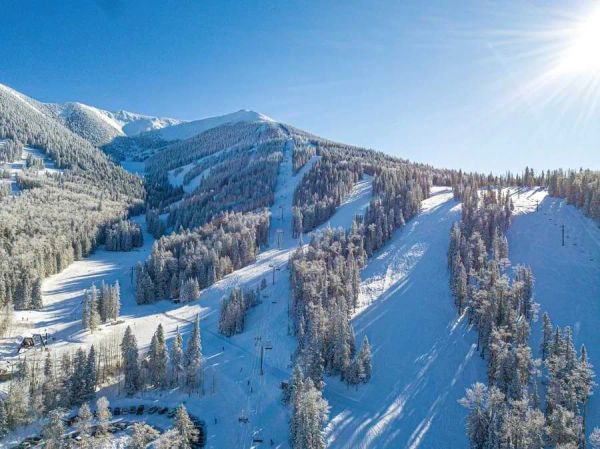
Arizona Snowbowl's $1 Lift Tickets Are Hard to Find, but $9 Days Are Not
Arizona Snowbowl advertised eight $1 lift ticket days this winter. Go looking and only three are showing - 10 March, 1 April and 10 April - so the rest may already have gone. The consolation is a calendar full of $9 days, including all but one day in April. Opening day is 20 November, weather permitting, and opening weekend is $19.
2 Oct 2026
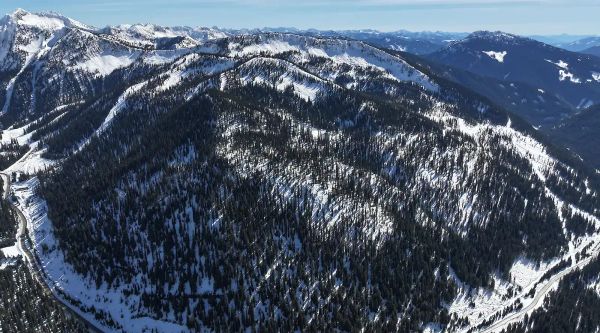
Whitewater Brings Its Short Side Inbounds, With Six New Runs for 2026-27
For years, Whitewater's Short Side was where you ducked a rope and hoped for the best: unmapped, ungroomed and unpatrolled. This winter it's inbounds. Six new runs of glades and fall-line skiing add 190 acres (about 77 hectares), taking the resort past 1,400 acres in total. F2 Logging spent a month in the trees to make it happen, and opening day is pencilled in for 4 December. Bonanza now needs less snow to groom, too.
1 Oct 2026
Jay Peak Lift Tickets
Jay Peak lift tickets & passes
Opening day for the winter 2026 - 2027 season is scheduled for Nov 22, 2026 (subject to change). Lift tickets at Jay Peak typically go on sale well before the start of the ski season.
Day passes start from US$79, with peak rates up to US$149.
Indy6 pass options
Single-day passes
Adult 18–64
Adult Daily Ticket
US$99up to US$149 peak
Experience Jay Peak's legendary 356 inches of annual snowfall - the most in eastern North America. With 81 trails, Vermont's only aerial tram, and famous glades, Jay Peak offers world-class skiing just 60 miles from Burlington.
Buy passYouth 13–17
Youth Daily Ticket
US$89up to US$139 peak
Youth lift tickets at Jay Peak provide access to legendary snowfall and Vermont's only aerial tram. Perfect for young skiers exploring 81 trails and famous glades with excellent youth programs and Mission Affordability pricing.
Buy passChild 6–12
Child Daily Ticket
US$79up to US$129 peak
Children's lift tickets at Jay Peak offer access to the most snow in eastern North America with excellent children's programs. Experience Vermont's aerial tram and 81 trails with family-friendly atmosphere.
Buy passAdult 18–99
Vermont Resident Discount
US$79up to US$119 peak
Vermont residents receive special pricing at Jay Peak as part of Mission Affordability commitment. Experience 356 inches of annual snowfall and Vermont's only aerial tram with local resident savings.
Buy passMulti-day passes
Adult 13–99
Mission Affordable 4-Pack
US$299up to US$399 peak
Jay Peak's Mission Affordable 4-Pack provides 4 lift tickets at significantly reduced rates as part of their affordability commitment. Experience legendary snowfall and aerial tram access with excellent value pricing.
Buy passSeason passes
Adult 13–99
Jay Peak Season Pass
US$999up to US$1,199 peak
Jay Peak season passes provide unlimited access to 356 inches of annual snowfall plus reciprocal access to 5 PGRI sister resorts. Includes 6 buddy passes at 40% off and waterpark benefits with no price increases.
Buy passLift tickets FAQ
How much does a Jay Peak day pass cost?
Jay Peak day passes range from US$79 to US$149 depending on the date and advance booking.
Can I buy Jay Peak lift tickets online?
Yes, you can purchase tickets directly from the resort website or at the resort ticket office.
Are there discounts for multi-day passes?
Yes, multi-day packages typically offer significant savings compared to individual day passes. The per-day cost decreases with longer stays.
What is included with a Jay Peak lift ticket?
Full access to all lifts and trails at Jay Peak, including mountain safety and patrol services.
What is the difference between Jay Peak lift tickets and ski passes?
"Lift tickets" and "ski passes" refer to the same thing at Jay Peak - your access to the mountain's lifts and trails for your chosen duration.
When should I buy Jay Peak lift tickets for the best price?
Purchase tickets at least 7 days in advance for the best rates, and consider weekday visits for further savings over weekend rates.
Does Jay Peak offer group discounts on lift tickets?
Group discounts are typically available for parties of 10 or more. Contact Jay Peak directly for group booking information and rates.
How can I check current conditions before buying tickets?
Before purchasing, check the live snow report and mountain webcams to see current weather, snow conditions, and lift operations at Jay Peak.
More Jay Peak intelligence: snow report, webcams, resort overview.