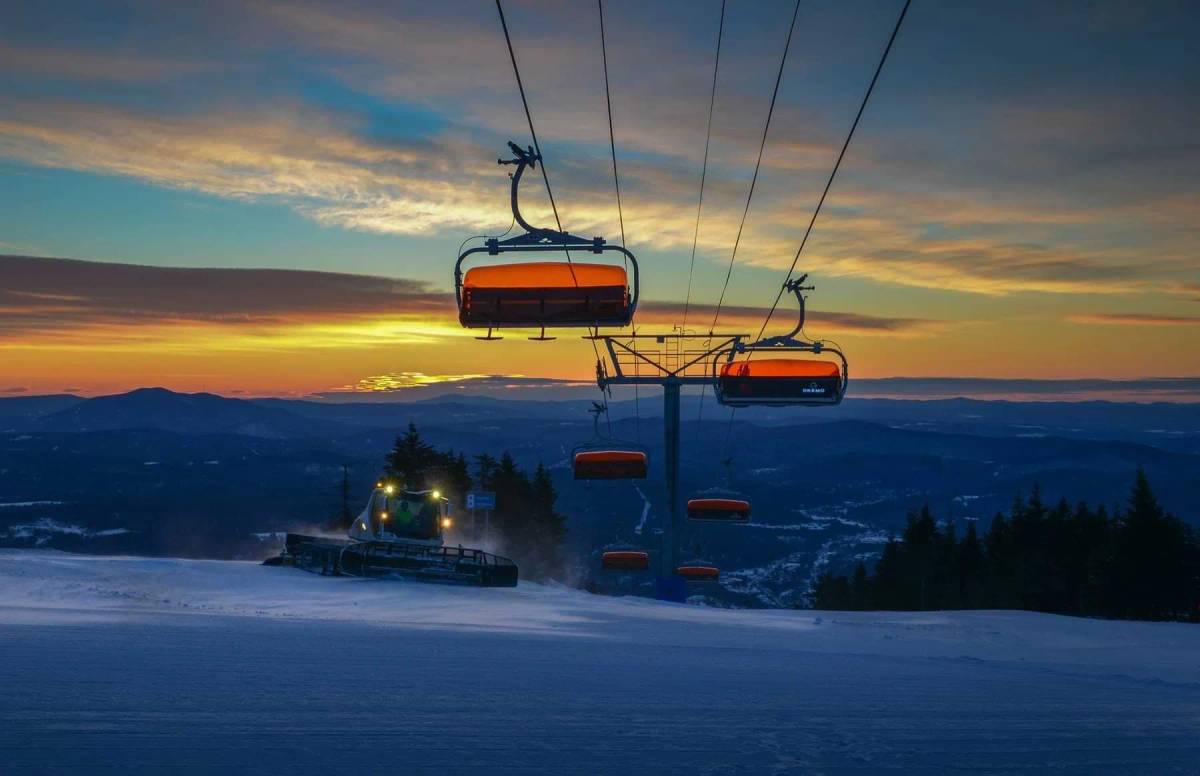
Okemo
667 acres, 122 runs near Ludlow. Family-friendly Vermont resort, excellent grooming, Epic Pass.
Season 2026 - 2027
Opens
20 Nov 2026
Closes
11 Apr 2027
Days open
142
Annual snow
119in
The Overview
Michael Fulton
Melbourne-based skier and snowboarder with 50+ resorts across 5 continents. Specialises in Australian resorts and international resort comparisons.
Okemo's summit reaches 3,341 feet, dropping 2,200 vertical feet to a base at 1,145 feet across 122 runs spread over 667 acres near Ludlow, Vermont. Terrain splits 37 per cent intermediate, 33 per cent beginner, 21 per cent advanced and 9 per cent expert, with average annual snowfall of roughly 119 inches. The resort carries Epic Pass affiliation. Twenty lifts, including nine quad chairs and two six-person chairs, serve the mountain alongside two triple chairs, six surface lifts and one t-bar.
Okemo has built a reputation as one of Vermont's premier family destinations, prized for excellent grooming, extensive snowmaking and slopeside village amenities developed over decades of hands-on, family-led ownership. Its considerable 2,200-foot vertical drop and substantial trail count place it among the larger resorts in southern Vermont.
Ludlow businessmen and skiers founded Okemo Mountain to benefit the local economy, incorporating Okemo Mountain, Inc. on 7 January 1955, with stock available only to Vermont residents and 100 shares purchased earning a lifetime pass. Operations officially began on 31 January 1956 with just four inches of snow, trails served by two Poma surface lifts.
Tim and Diane Mueller purchased Okemo in August 1982, when it operated with six Poma lifts and three double chairs, and transformed it under hands-on, mom-and-pop leadership into a year-round destination resort, expanding to its current 667 acres, 46 miles of trails, 98 per cent snowmaking coverage and 20 lifts. The Muellers went on to add Mount Sunapee in New Hampshire in 1998 and Crested Butte in Colorado in 2004, before Vail Resorts acquired Okemo and the family's other resorts in June 2018 for an 82 million US dollar purchase price plus 155 million US dollars to buy out operating leases. Adult daily tickets run from 149 to 239 US dollars.
2,198ft
Vertical
122
Runs
667 acres
Skiable
119in
Annual snow
Epic
Pass
The Terrain
122 runs across 667 acres skiable
Okemo has 122 runs across 667 acres (270 hectares) near Ludlow, Vermont, dropping from a summit at 3,340 ft (1,019 m) to a base at 1,150 ft (349 m), a vertical of 2,200 ft (670 m). Terrain is broad and approachable: 37% blue square, 33% green circle, 21% black diamond and 9% expert. About 119 inches of snow falls in an average winter. Nine quad chairs, two six-packs, two triples, six surface lifts and a T-bar mean short waits across the main mountain, South Face and Jackson Gore.
The main face is served by the Sunburst Six bubble chair, the Solitude detachable quad and Quantum Express. Solitude, to the right looking uphill, offers about 1,100 ft of vertical with mostly blue cruisers, plus moguls on Exhibition and The Plunge. Jackson Gore carries space-themed names including Quantum Leap, Sunset Strip, Escape, Limelight, Vortex and Blue Moon. Every double black at Okemo is a short gladed run that opens less often. A terrain park and a superpipe, conditions permitting, round things out. Okemo suits families and intermediates.
Terrain split
122
runs
122 runs across 4 grades
Beginner40 runs · 33%
Intermediate45 runs · 37%
Advanced26 runs · 21%
Expert11 runs · 9%
Time it right
When to visit Okemo
The 2025-26 season at Okemo ran from 28 November 2025 to 12 April 2026, a roughly twenty-week season supported by average annual snowfall of around 119 inches and extensive, industry-leading snowmaking coverage across 98 per cent of the mountain. This snowmaking investment, a legacy of decades of Mueller family stewardship, supports consistent conditions throughout the season.
Midwinter, from December through February, typically brings the most consistent conditions to Okemo's varied terrain. As an Epic Pass resort within the Vail Resorts network, Okemo draws substantial visitation from Epic Pass holders alongside its traditional family-focused visitor base drawn to the resort's slopeside village and extensive children's programming.
Okemo's award-winning children's programmes and luxury slopeside lodging continue to support strong family visitation throughout the season. School holiday periods bring substantial demand given the resort's reputation as one of Vermont's most family-friendly destinations. Weekend crowds draw heavily from the greater Boston and New York metropolitan areas.
Specific event programming beyond standard operations is not confirmed in available resort information. Since Vail Resorts' June 2018 acquisition, Okemo has continued operating as part of the Epic Pass network, building on the transformation the Mueller family achieved after purchasing the resort in 1982 and the seven decades of history since its 1956 founding. The resort's family-oriented, well-groomed character remains central to its seasonal identity.
Season 2026 - 2027
20 Nov 2026
Opens
11 Apr 2027
Closes
142
Days open
119 in
Annual snow
The record
Historical snowfall at Okemo
Daily snow reports at Okemo go back to 2025, 2 winters on the books. Open the record to compare winters, lifts and piste.
12 in
Snowiest day
26 Jan 2026
0 in
This winter · 2026-27
so far
98 in
Typical winter
average of complete seasons
Winter totals
in
Past wintersThis winter
Getting there
Getting to Okemo, and where to stay
Okemo sits near Ludlow, Vermont, with a base elevation of 1,145 feet and a summit at 3,341 feet across a 2,200-foot vertical drop over 667 acres. This central Vermont setting places the resort within a well-established ski town with extensive supporting infrastructure.
Ludlow itself offers substantial lodging, dining and shopping within a short drive of the resort, giving Okemo a genuine mountain-town base area experience. The broader central Vermont region surrounds the resort with additional outdoor recreation and scenic attractions.
Vermont State Route 103 and Route 100 provide direct access to the resort from the broader regional highway network. Winter driving conditions on these routes can include snow and ice, though the well-travelled roads are regularly maintained given Okemo's status as a major regional destination. There is no direct public transport service to the mountain.
Rutland-Southern Vermont Regional Airport offers limited commercial service within a reasonable drive, while Albany International Airport in New York and airports in the greater Boston area serve as the primary gateways for visitors flying in from further afield.
Where to stay
Search all stays →Hotels and lodges near Okemo, powered by Stay22.
Good to know
Frequently asked
When is Okemo's ski season?
Okemo's 2026 - 2027 season typically runs from November 20 through April 11. That window is roughly 142 calendar days, though daily operations depend on snow cover, weather, and lift maintenance.
Resorts in Vermont, Usa often announce firm dates closer to winter; check the live snow report before you travel if you are planning around opening weekend or spring closure.
How much skiable terrain does Okemo have?
Okemo lists about 667 acres skiable of marked terrain spread across 122 named runs (270 hectares alongside 667 acres skiable). That footprint is what most riders experience on a lift-served day. Side-country or hike-to terrain may sit outside these published numbers.
Use the trail map to see how the mountain is laid out and where the longest fall-line runs connect back to base.
What is the terrain like at Okemo?
Trail grading at Okemo breaks down roughly as 33% beginner, 37% intermediate, 21% advanced, 9% expert. The mix is balanced enough for mixed-ability groups, so learners can stay on marked green/blue (Green/Blue) terrain while stronger skiers peel off to steeper pitches.
Percentages describe the resort's published piste mix, not vertical feet. A mountain with modest "expert" stats can still feel demanding if the steep terrain is long or exposed. Read the trail map alongside these numbers when planning your route.
How many lifts does Okemo have?
Okemo operates 20 lifts across 5 lift types. The fleet includes 9 quad chairs, 6 surface lifts, 2 6-person chairs, 2 triple chairs, and 1 t-bar.
Lift mix affects how quickly you can lap your favourite zones. Gondolas and trams move big crowds to mid-mountain, while shorter chairs and surface lifts often serve learning areas or local pods. Check the live snow report on ski days for real-time open/closed status.
What is the elevation and vertical drop at Okemo?
Base elevation at Okemo is about 1,145 ft (349 m), with the summit around 3,343 ft (1,019 m), giving roughly 2,198 ft (670 m) of vertical from base to top.
Higher start heights usually mean colder, drier snow holding longer into spring, but also thinner air and faster weather changes. Pack layers if you are riding from village level to summit lifts in one day.
How much snow does Okemo get each season?
Okemo averages about 119 inches (302 cm) of natural snowfall per season. That is a long-term climate figure. Any single winter can run well above or below it depending on storm track and temperature.
For trip planning, pair this baseline with the live snow report and webcams: fresh cycles show up in overnight totals and summit cameras long before season averages tell you much about today's surface.
Does Okemo accept the Epic?
Okemo is affiliated with the Epic. Pass holders should confirm current season benefits, blackout dates, and reservation rules on the pass issuer's site. Policies change year to year and can differ between international and domestic products.
If you are not on Epic, day tickets and multi-day bundles are still available; see the lift tickets page for published rates and purchase links.
Where can I buy Okemo lift tickets and how much do they cost?
Published single-day adult pricing on SnowStash currently spans US$119 to US$239, depending on date band and whether you are buying peak or regular windows. Multi-day products (season passes) usually lower the per-day cost if you are staying several days. Tickets can be bought online through the resort's official checkout (linked from our lift tickets page) or at on-mountain ticket windows, subject to availability.
Buying ahead of peak holidays and weekends generally saves money and guarantees access on sold-out days. Before you commit, scan the snow report and webcams so you are paying for conditions that match your expectations.
How can I check snow and mountain conditions at Okemo before I go?
SnowStash pulls together 4 live mountain webcams, a downloadable piste map, and the daily snow report for Okemo so you can plan from home. Webcams refresh on a short interval and are the fastest way to judge visibility, wind exposure, and whether storm snow is still falling.
The snow report adds structured totals, base depth where available, and lift/trail status when the resort publishes it. Use both together: cameras show what it looks like right now, and the report summarises numbers your group can compare day to day.
Does Okemo have a trail map?
Yes. The downloadable PDF/image map is better for offline planning, marking meeting points, and understanding the full mountain layout at a glance.
Both versions are on the trail map page for Okemo. If you are navigating with kids or meeting friends across separate lifts, screenshot or print the static map and keep the live map open on your phone for operational updates.
Where is Okemo located?
Okemo sits in Vermont, Usa. That regional context matters for travel planning: airport transfers, snow tyres, and typical storm patterns all follow geography as much as resort marketing.
Browse nearby accommodation from the resort page if you are comparing village-base vs valley-base stays; where you sleep changes your first lift of the day more than most trail stats do.
Latest News
From the SnowStash desk
Wolf Creek Opens on Halloween Weekend as Colorado’s Early Season Gathers Pace
Colorado’s early-season dominoes keep falling. Arapahoe Basin opened on Wednesday, Keystone follows on Friday, and now Wolf Creek is joining in on Saturday 31 October, just in time for Halloween. A storm on 23 and 24 October left 20 inches of natural snow in the San Juans, and three lifts will turn from 9:00 am, covering about 30% of the mountain. Expect rocks, unmarked obstacles and open water, but also Local Appreciation lift tickets at $73 for adults.
30 Oct 2026
Keystone Resort Opens for 2026/27 With More Than Two Miles of Skiing
Keystone is next. After Arapahoe Basin claimed the first chairlift skiing of the season on Wednesday, Keystone opens on Friday 30 October at 9:00 am with more than two miles of snowmaking-built terrain on Schoolmarm and Silver Spoon, plus free donuts, coffee and a live DJ. Last year the order was reversed, when Keystone squeezed in a three-hour afternoon session to beat A-Basin by a day. Snowmaking has been running since 15 October.
29 Oct 2026
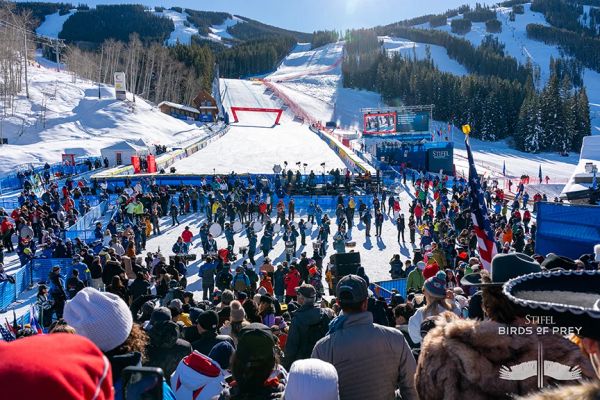
Beaver Creek Installs 16 Automated Snow Guns on Birds of Prey Ahead of Record World Cup
Beaver Creek is getting ready for the biggest Birds of Prey ever, and this time it is not leaving the snow to chance. Crews started making snow on 27 October with 16 newly installed automated guns on the lower third of the course, after last December’s warm spell forced a downhill off the schedule. Seven races across two weekends run from 3 to 13 December, the most the course has hosted since its 1997 debut, and the guns start themselves whenever the weather allows.
29 Oct 2026
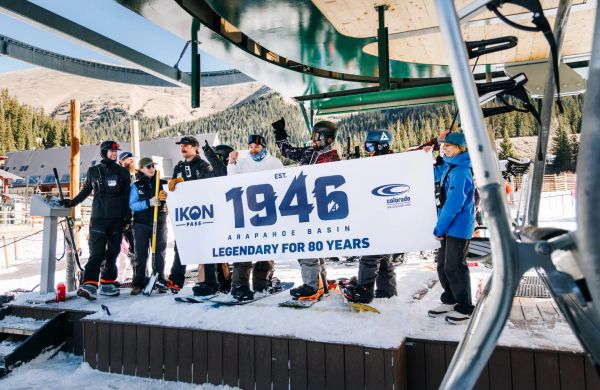
Arapahoe Basin Opens First for North America’s 2026/27 Ski Season
Winter has officially started in North America, and it is one blue run long. On Wednesday 28 October, Arapahoe Basin fired up the Black Mountain Express at around 10:30 am after a surprise announcement just hours earlier, becoming the first major North American resort open for 2026/27. Cold nights, a dusting of natural snow and a lot of snowmaking made it happen in the resort’s 80th winter. More terrain is promised as the snow guns keep running.
28 Oct 2026
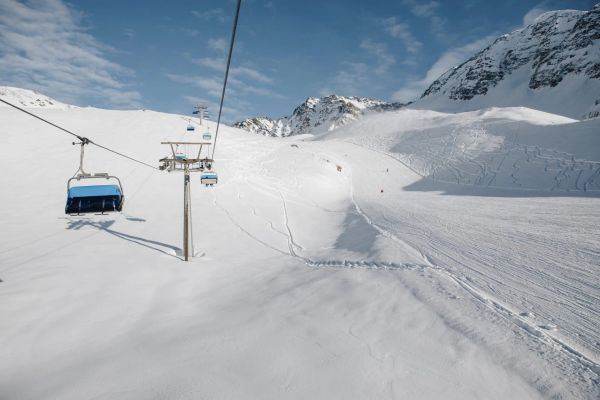
Sulden am Ortler Pushes Its Season Start Back a Week to 7 November
Sulden am Ortler has called off its 31 October opening. The South Tyrol ski area has pushed its 2026/27 start back to Saturday 7 November, citing current weather and snow conditions and saying it will use the extra week to get the slopes in the best possible shape. The season is still scheduled to run through 2 May 2027. Elsewhere in Europe, around a dozen areas are already open, led by Sölden’s 30 kilometres of groomed runs.
28 Oct 2026
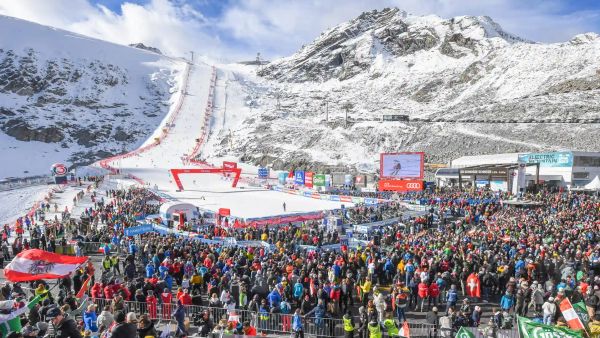
Pinheiro Braathen Wins Sölden Giant Slalom Opener by 0.48 Seconds
Two days at Sölden, two races decided by a hundredth somewhere on the podium, and one very quick Brazilian. Lucas Pinheiro Braathen led from the first run to win the men’s World Cup opener by 0.48 seconds, with Loïc Meillard second and Marco Odermatt third. River Radamus charged from 15th to fourth on a rutted course, and Britain’s Freddy Carrick-Smith banked his first World Cup points. Braathen still hasn’t lost a giant slalom since Olympic gold.
25 Oct 2026
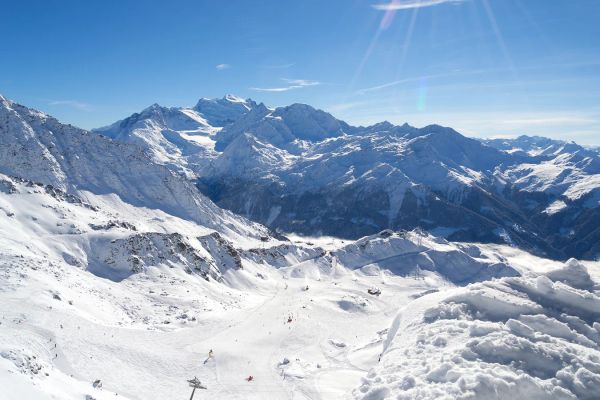
Alps Snow Forecast: Up to 64 cm Headed for the High Glaciers as the Snow Line Drops
The Alps are about to swap mild, sunny October weather for something far more wintry. A cold front arrives Tuesday, and SnowStash forecasts have Monterosa Ski out in front with 64 cm over 14 days, ahead of Blatten Belalp (55 cm) and Verbier (43 cm). The snow line should fall below 2000 metres by Wednesday night, and glaciers across Switzerland, Italy and Austria are in line for the best of it. The wind will have a say too.
20 Oct 2026
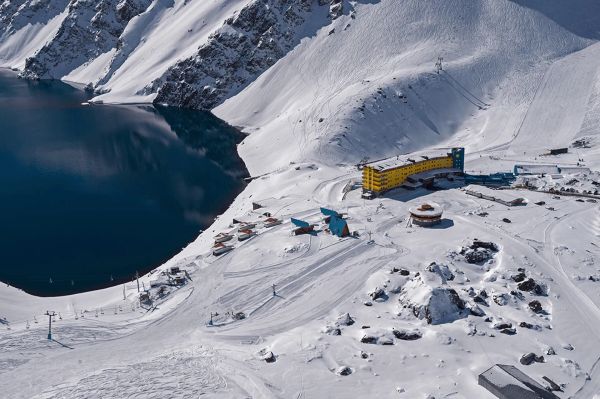
Four Dead After Avalanche Near Ski Portillo in Chile
A large avalanche struck near Laguna del Inca adjacent to Ski Portillo on Saturday afternoon, killing four people and injuring four others. The group were day visitors mountaineering in the backcountry after reportedly being warned about elevated avalanche risk by resort staff.
18 Oct 2026