Snow King Mountain
Wyoming's first ski area, 1936. 34 runs, 400 acres, night skiing in downtown Jackson. Indy Pass access.
Season 2026 - 2027
Opens
4 Dec 2026
Closes
21 Mar 2027
Days open
107
Annual snow
132in
The Overview
Michael Fulton
Melbourne-based skier and snowboarder with 50+ resorts across 5 continents. Specialises in Australian resorts and international resort comparisons.
Snow King Mountain's summit reaches 7,808 feet, dropping 1,571 vertical feet to a base at 6,237 feet across 34 runs spread over 400 acres on the southeast edge of Jackson, Wyoming. Terrain splits 40 per cent advanced, 24 per cent intermediate, 18 per cent expert and 18 per cent beginner, a steep mix for a town-adjacent hill. Average annual snowfall reaches roughly 132 inches, well below the totals at nearby Jackson Hole and Grand Targhee. The resort operates on the Indy Pass.
Snow King earned its nickname 'the Town Hill' from its location directly at the edge of downtown Jackson, close enough that locals can walk from town to the base. The 40 per cent advanced and 18 per cent expert terrain share makes it steeper than its small size suggests, a legacy of its original informal ski routes from the 1920s. Night skiing extends access into evening hours, a feature not offered at Jackson Hole. The mountain also hosts an alpine slide and, since 2024, an observatory and planetarium at the summit.
Wyoming's first ski area, Snow King traces its skiing history to informal use in the 1920s, when locals hiked up for runs down what was then called Kelly's Hill. The Civilian Conservation Corps built a switchback trail to the summit in 1936, and the area was officially renamed Snow King in 1938. A 4,000-foot rope tow installed in 1939 became Wyoming's first lift-served skiing. The mountain underwent a significant renovation completed in the 2020s, adding a gondola and new summit facilities.
Indy Pass holders receive access to Snow King alongside dozens of other independent resorts across North America. Adult day tickets run from 75 to 95 US dollars depending on date, with a season pass priced at 599 dollars. The resort suits locals and value-focused visitors seeking a steep, town-adjacent alternative to Jackson Hole's larger and pricier terrain. Its position inside Jackson itself, rather than a separate base village, makes it the most accessible ski area in the valley without a car.
1,572ft
Vertical
34
Runs
400 acres
Skiable
132in
Annual snow
Indy
Pass
The Terrain
34 runs across 400 acres skiable
Snow King Mountain rises directly above downtown Jackson, with 400 acres (162 hectares) of terrain and a vertical of 1,570 ft (479 m). The base sits at 6,240 ft (1,901 m) and the summit at 7,810 ft (2,380 m). Its 34 runs lean steep: 40% advanced, 18% expert, 24% intermediate and 18% beginner. Lifts include an eight-passenger gondola, two triple chairs, a quad and three surface lifts, so getting around is easy. Skiing straight from town makes it a handy option for Jackson visitors who want sustained pitch without a drive to Teton Village.
Black diamond trails such as Bearcat and Grizzly drop from the summit, and the Sunnyside triple chair serves the back side and access to select expert lines. Three surface lifts look after learners near the base, and three terrain parks give freestyle riders rails and jumps to play on. Because the pitch is consistent, the mountain rewards strong intermediates and advanced skiers looking for a quick, steep session between other plans. Beginners are catered for, but the real appeal is hard-charging laps with the town spread out below, and it is well suited to locals and short visits.
Terrain split
34
runs
34 runs across 4 grades
Beginner6 runs · 18%
Intermediate8 runs · 24%
Advanced14 runs · 40%
Expert6 runs · 18%
Time it right
When to visit Snow King Mountain
The 2025-26 season at Snow King ran from 6 December 2025 to 5 April 2026, a roughly seventeen-week window shorter than nearby Jackson Hole's season despite similar opening timing. The mountain's lower base elevation of 6,237 feet, relative to Jackson Hole's 6,310 feet, and lower snowfall contribute to a slightly earlier close. Night skiing extends the useful hours of the season without extending its calendar length. Season dates shift year to year based on snowpack and grooming capacity.
Average annual snowfall of roughly 132 inches is markedly lower than Jackson Hole or Grand Targhee, both of which sit higher and catch more direct storm exposure. This lower natural snowfall makes snowmaking and grooming comparatively more important to Snow King's season-long conditions, though specific snowmaking coverage is not confirmed in available resort information. Base depth typically builds more slowly than at the valley's higher-elevation resorts. The mountain's south and east-facing exposure toward town can affect snow retention compared with more sheltered aspects.
Midwinter, from January through February, offers the most reliable conditions once early-season snowpack and any snowmaking coverage have built up. Night skiing sessions run through the core of the season, giving Jackson locals an after-work skiing option not available at Jackson Hole. Late-season visits in March and early April can be more variable given the mountain's lower base elevation and snowfall. Weekday and evening visits typically carry lighter crowds than weekend daytime sessions.
Night skiing is Snow King's signature seasonal feature, distinguishing it from Jackson Hole and Grand Targhee, neither of which lights runs for evening skiing. The Snow King Observatory and Planetarium, opened at the summit in 2024, adds a non-skiing draw through the winter season. The mountain also operates an alpine slide and other activities outside the core ski season. As Jackson's historic town hill, the calendar leans toward local, after-hours use alongside standard daytime skiing.
Season 2026 - 2027
4 Dec 2026
Opens
21 Mar 2027
Closes
107
Days open
132 in
Annual snow
The record
Historical snowfall at Snow King Mountain
Daily snow reports at Snow King Mountain go back to 2025, 2 winters on the books. Open the record to compare winters, lifts and piste.
9 in
Snowiest day
13 Feb 2026
0 in
This winter · 2026-27
so far
48 in
Typical winter
average of complete seasons
Winter totals
in
Past wintersThis winter
Getting there
Getting to Snow King Mountain, and where to stay
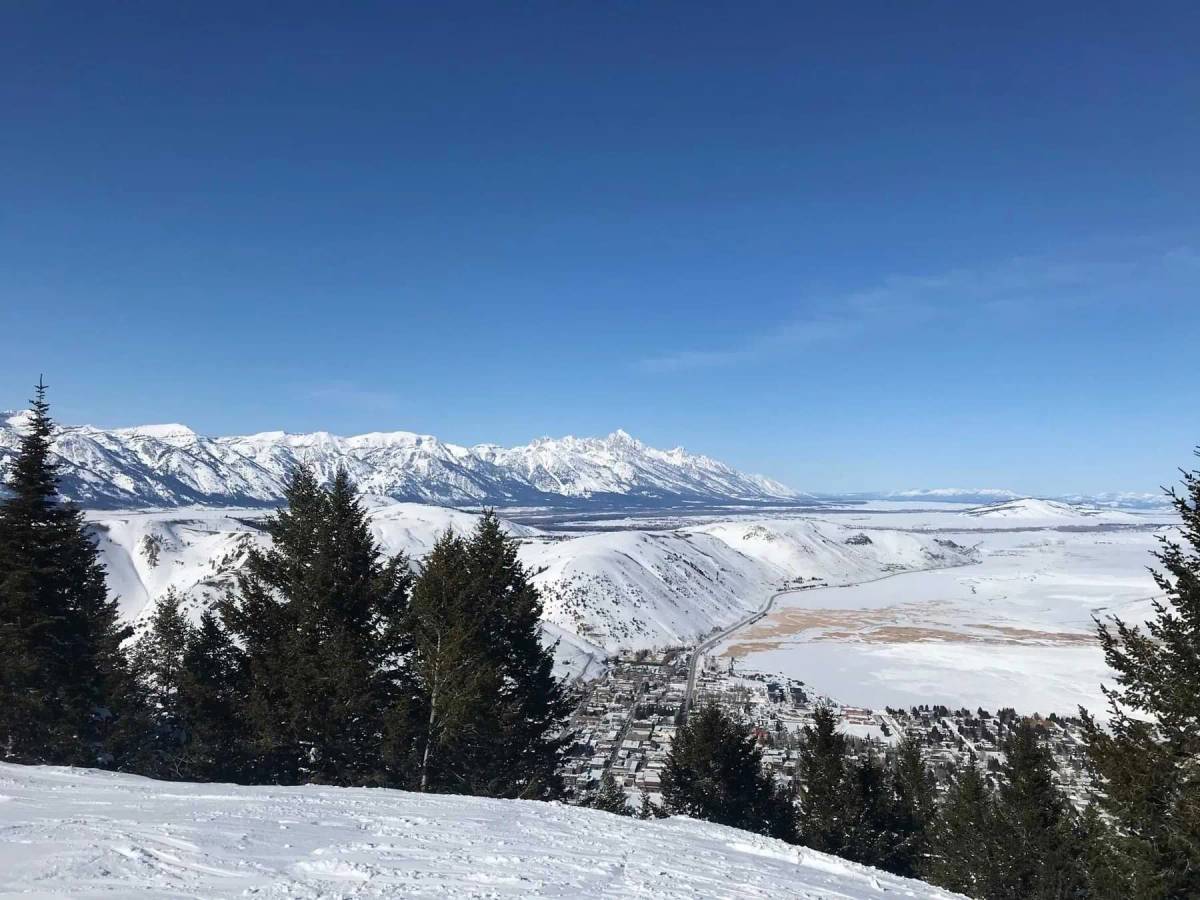
Snow King Mountain sits on the southeast edge of Jackson, Wyoming, close enough to downtown that it is known locally as 'the Town Hill.' Base elevation is 6,237 feet, with the summit reaching 7,808 feet across a 1,571-foot vertical drop. Unlike Jackson Hole's purpose-built Teton Village, Snow King's base sits within walking distance of Jackson's town square. The mountain looks directly down over the streets of Jackson below.
Jackson itself is the nearest town, effectively adjoining the ski area rather than requiring a separate drive. The town retains its Western character, with a historic square and elk antler arches, alongside its ski-tourism economy. Teton Village and Jackson Hole Mountain Resort sit roughly 12 miles northwest, a separate destination from Snow King within the same valley. Grand Teton National Park lies further north again, beyond both ski areas.
Local Jackson streets and Highway 89 provide direct access to Snow King's base, with no separate mountain access road required given its in-town location. This makes Snow King the most walkable ski area in the Jackson Hole valley, reachable on foot from many in-town lodging options. Winter driving within Jackson is generally well-managed given the volume of ski season traffic. No separate shuttle service is needed to reach Snow King from central Jackson, unlike the START bus required for Teton Village.
Jackson Hole Airport (JAC) is the nearest airport, roughly 10 miles from Snow King and inside Grand Teton National Park, closer to Snow King than to Teton Village given Snow King's in-town position. The airport offers seasonal service to roughly 20 cities during ski season. Idaho Falls Regional Airport offers an alternative around two hours away by road. No rail service reaches Jackson, and most visitors combine a Snow King visit with a stay in town rather than a separate airport transfer.
Where to stay
Search all stays →Hotels and lodges near Snow King Mountain, powered by Stay22.
Latest News
From the SnowStash desk
Sierra Nevada Halloween Storm: Dodge Ridge Forecast to Lead With 19 Inches
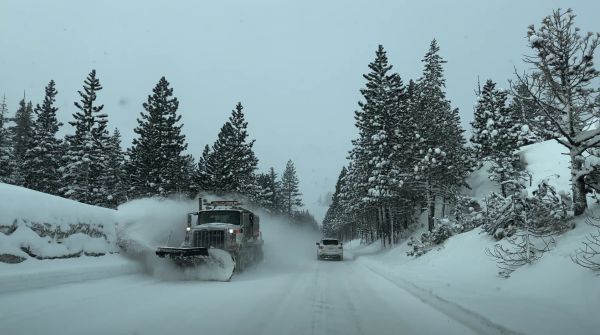
Halloween weekend brings a wet, windy storm to the Sierra Nevada. Our five-day forecast has Dodge Ridge on top with 19 in, followed by Bear Valley at 15 in and Mammoth Mountain at 12 in, with most of it landing on Saturday. A winter weather advisory covers the Tahoe Basin and Mono County until 7 AM Sunday, gusts could reach 47 mph and the freezing level swings between 4,900 and 8,700 ft, so some bases will see rain. A dry spell follows from Monday.
31 Oct 2026
Lake Louise Opens Early on 1 November With Juniper Express and Easy Street
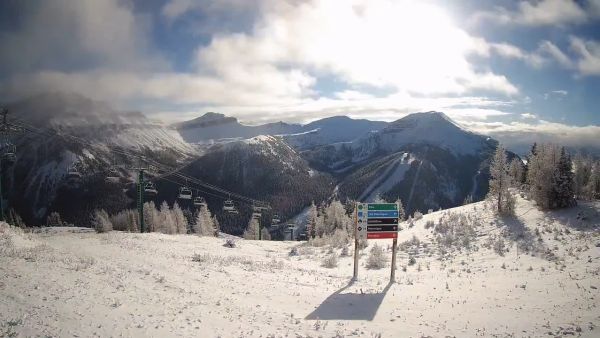
The Rockies get their first lift-served turns of the season early. Lake Louise opens Sunday 1 November, five days ahead of schedule, after a cold October and round-the-clock work from the snowmaking and mountain crews. Terrain is limited to Juniper Express Chair and Easy Street, with two small terrain parks and the beginner area for lessons. Opening-day tickets are over 60% off, with prices rising as more lifts open. First chair is at 9:30 am under the resort’s new lift hours.
31 Oct 2026
Kitzbüheler Horn Summit Cable Car to Be Replaced After 70 Years
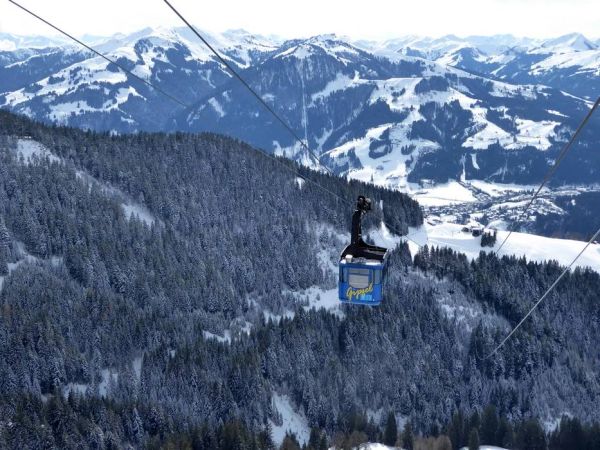
A Tyrolean summit lift that has been carrying guests up the Kitzbüheler Horn since 1955 is on borrowed time. Its licence runs to 2045, but a new inspection rule has made refurbishment uneconomic, so Bergbahn AG Kitzbühel will spend around €15 million on a replacement on the same line. It should hold roughly 100 people and keep running in winds that would stop today’s lift. Building starts in autumn 2027, which makes this winter and next summer the last chances to ride the old one.
30 Oct 2026
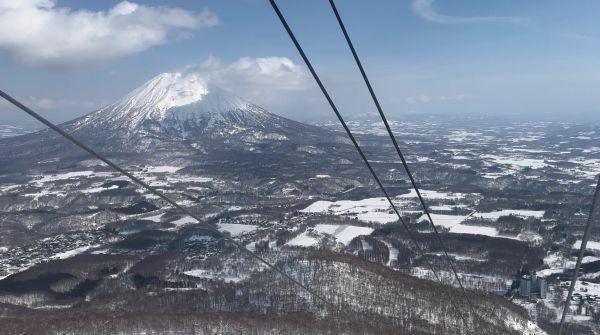
What’s New in Japan Skiing This Winter: Niseko Gondola, a Private Resort and a Bigger Ikon Pass
Niseko Village is replacing a lift from the early 1980s with an eight-person gondola, Tsugaike gets a six-person chairlift, Madarao joins the Ikon Pass and Togari opens Asia’s first private ski resort. Here’s what is actually new in Japan skiing for 2026/27, plus what is still a year or two away.
30 Oct 2026
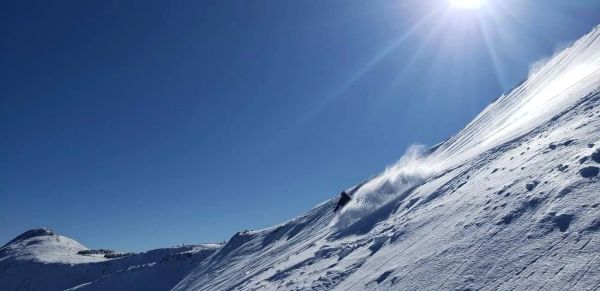
Wolf Creek Opens on Halloween Weekend as Colorado’s Early Season Gathers Pace
Colorado’s early-season dominoes keep falling. Arapahoe Basin opened on Wednesday, Keystone follows on Friday, and now Wolf Creek is joining in on Saturday 31 October, just in time for Halloween. A storm on 23 and 24 October left 20 inches of natural snow in the San Juans, and three lifts will turn from 9:00 am, covering about 30% of the mountain. Expect rocks, unmarked obstacles and open water, but also Local Appreciation lift tickets at $73 for adults.
30 Oct 2026
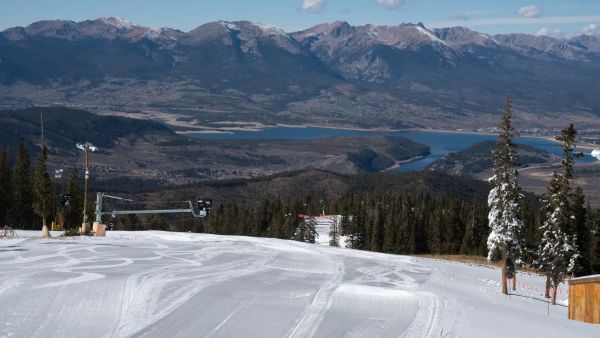
Keystone Resort Opens for 2026/27 With More Than Two Miles of Skiing
Keystone is next. After Arapahoe Basin claimed the first chairlift skiing of the season on Wednesday, Keystone opens on Friday 30 October at 9:00 am with more than two miles of snowmaking-built terrain on Schoolmarm and Silver Spoon, plus free donuts, coffee and a live DJ. Last year the order was reversed, when Keystone squeezed in a three-hour afternoon session to beat A-Basin by a day. Snowmaking has been running since 15 October.
29 Oct 2026
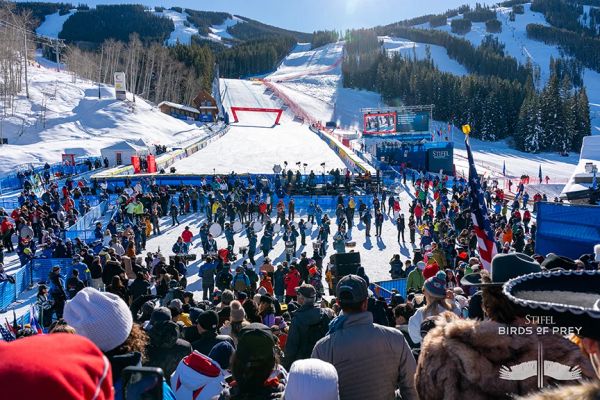
Beaver Creek Installs 16 Automated Snow Guns on Birds of Prey Ahead of Record World Cup
Beaver Creek is getting ready for the biggest Birds of Prey ever, and this time it is not leaving the snow to chance. Crews started making snow on 27 October with 16 newly installed automated guns on the lower third of the course, after last December’s warm spell forced a downhill off the schedule. Seven races across two weekends run from 3 to 13 December, the most the course has hosted since its 1997 debut, and the guns start themselves whenever the weather allows.
29 Oct 2026
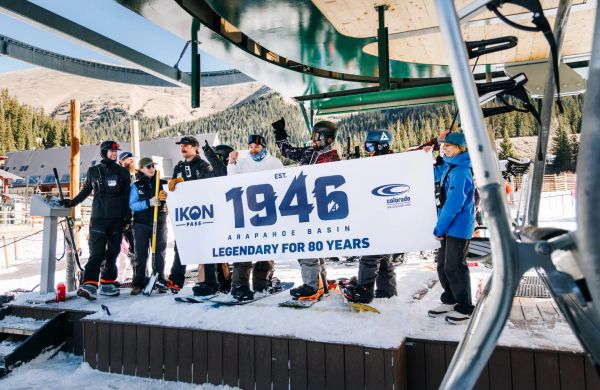
Arapahoe Basin Opens First for North America’s 2026/27 Ski Season
Winter has officially started in North America, and it is one blue run long. On Wednesday 28 October, Arapahoe Basin fired up the Black Mountain Express at around 10:30 am after a surprise announcement just hours earlier, becoming the first major North American resort open for 2026/27. Cold nights, a dusting of natural snow and a lot of snowmaking made it happen in the resort’s 80th winter. More terrain is promised as the snow guns keep running.
28 Oct 2026
Snow King Mountain Lift System
Snow King runs seven lifts: one gondola, two triple chairs, one quad chair and three surface lifts, serving 34 runs across 400 acres. The gondola is the mountain's newest and highest-profile installation, added as part of a recent renovation. Triple and quad chairs handle the bulk of the mountain's advanced-leaning terrain. Three surface lifts cover the beginner and learning zones near the base, a relatively high surface-lift count for the mountain's size.
The gondola replaced older, slower access to the upper mountain as part of Snow King's 2020s renovation, alongside new summit facilities including the observatory and planetarium that opened in 2024. The two triple chairs and single quad chair predate the gondola and continue to serve the steeper 40 per cent advanced and 18 per cent expert terrain. Night skiing operation means several lifts run into evening hours, an unusual feature for a mountain this size. Uphill capacity has increased meaningfully since the renovation relative to the mountain's original mid-century lift network.
Skiers base out of the town-edge lodge and ride the gondola or chairs to reach the upper mountain, where the network spreads across Snow King's single main peak. There is no separate mid-mountain village; all lifts return to the same town-adjacent base. The mountain's compact 400-acre footprint keeps travel between sectors short compared with larger resorts. Night skiing infrastructure, including lighting, covers a portion of the lift-served terrain for evening operation.
The gondola and summit facility upgrade represent Snow King's most significant infrastructure investment since Wyoming's first rope tow was installed here in 1939. Recent renovation work has focused on the summit and gondola rather than expanding beginner-zone surface lifts, which remain at three. The mountain's role as Jackson's historic town hill has driven investment toward preserving accessibility and adding modern amenities like the observatory. Further lift expansion has not been documented beyond the recent gondola and summit project.
7lifts across 4 types
1
Gondola
1
Quad Chair
2
Triple Chairs
3
Surface Lifts
Snow King Mountain lift system
Snow King Mountain is served by 7 lifts, listed here by type. Check which lifts are turning against the live conditions before you plan your first laps - early lifts and high-speed chairs get you to the best snow fastest.
More Snow King Mountain intelligence: trail map, snow report, webcams, resort overview.