
The Overview
Michael Fulton
Melbourne-based skier and snowboarder with 50+ resorts across 5 continents. Specialises in Australian resorts and international resort comparisons.
Snowy Range's summit reaches 9,633 feet, dropping 837 vertical feet to a base at 8,796 feet across 33 runs spread over 75 acres in the Medicine Bow National Forest. Terrain splits 40 per cent intermediate, 30 per cent advanced and 30 per cent beginner, with no expert-rated runs. The 8,796-foot base is among the highest of any Wyoming ski area. Average annual snowfall reaches roughly 230 inches, and the resort carries no major multi-resort pass affiliation.
At 75 acres, Snowy Range is one of the smallest ski areas in Wyoming, with 33 runs packed into a compact footprint relative to its run count. The 837-foot vertical drop is modest, suiting the resort's intermediate-leaning terrain split. Three lifts serve the full mountain, keeping travel between runs short. The absence of expert-rated terrain makes this a more approachable mountain than nearby higher-vertical resorts.
Snowy Range sits within the Medicine Bow National Forest, an area used historically by the Northern Arapaho, Oglala Sioux, Northern Cheyenne, Eastern Shoshone and White River Ute peoples. The Snowy Range itself was named in 1871 for the high peaks that hold snow through summer. Nearby Snowy Range Lodge, built in 1919 and completed in 1924, predates the ski area and now sits on the National Register of Historic Places. The ski area's high-elevation forest setting gives it a more rugged, undeveloped character than Wyoming's larger destination resorts.
With no major pass affiliation, Snowy Range operates independently of the Ikon, Epic, Indy and Mountain Collective networks used by larger Wyoming resorts. Adult day tickets range from 54 to 74 US dollars depending on date and peak status, with a season pass priced at 399 dollars. A senior ticket for skiers 70 and over is free. The resort suits University of Wyoming students and Laramie-area locals seeking an accessible, affordable mountain over a destination resort experience.
837ft
Vertical
33
Runs
75 acres
Skiable
19ft
Annual snow
The Terrain
33 runs across 75 acres skiable
Snowy Range is a small, family-oriented ski area in the Medicine Bow National Forest, covering just 75 acres (30 hectares). Its base sits at 8,800 ft (2,681 m), among the highest in Wyoming, rising to 9,630 ft (2,936 m) for a vertical of 840 ft (255 m). The 33 runs divide into 30% beginner, 40% intermediate and 30% advanced, with no expert-rated terrain. A double chair, a triple chair and a surface lift handle uphill traffic, and annual snowfall is reported at about 230 inches. It is a compact mountain where nothing is far from the base.
Runs are short, so the appeal is repeat laps and an easy day rather than big descents. Intermediate cruisers make up the largest share, advanced skiers have some steeper pitches, and a terrain park gives riders something to practise on. Beyond skiing, night tubing and child care are offered on weekends, which makes it simple for families to spend a full day here. Snowy Range suits learners, families and University of Wyoming students based in Laramie, about 32 miles away, who want a friendly, affordable local hill with high-elevation snow and none of the queues found at bigger areas.
Terrain split
33
runs
33 runs across 4 grades
Beginner10 runs · 30%
Intermediate13 runs · 40%
Advanced10 runs · 30%
Expert0 runs · 0%
Time it right
When to visit Snowy Range
The 2025-26 season at Snowy Range ran from 7 December 2025 to 29 March 2026, a roughly sixteen-week window. The resort's high base elevation of 8,796 feet supports a reasonably long season despite its small size and modest 837-foot vertical drop. Season dates shift year to year based on snowpack in the Medicine Bow National Forest. The late March close is typical for a mountain at this elevation without a major snowmaking investment.
Average annual snowfall of roughly 230 inches supports Snowy Range's season length, drawing on the Medicine Bow range's position to catch weather systems crossing southeastern Wyoming. The mountain's 8,796-foot base helps retain snow better than lower-elevation areas nearby. Specific snowmaking coverage is not confirmed in available resort information, suggesting a heavier reliance on natural snowfall than at larger, investment-backed resorts. Base depth and season totals vary year to year with Medicine Bow snowpack.
January and February typically offer the most reliable conditions once the season's snowpack has built up across the compact 75-acre terrain. The resort's proximity to Laramie, 32 miles away, makes it a practical option for University of Wyoming students and staff throughout the winter. Weekday visits are likely quieter than weekends, given the resort's role serving a local rather than destination market. Late-season conditions in March can vary with Medicine Bow's spring snowpack pattern.
Snowy Range does not appear to operate night skiing or a documented events calendar based on available resort information. The area's role as an accessible, affordable mountain for the Laramie region shapes its operating priorities more than event programming. The historic Snowy Range Lodge nearby, dating to 1924, offers a separate lodging and dining draw beyond the ski area itself. As one of Wyoming's smaller ski areas, the calendar centres on straightforward, reliable weekend and holiday operation.
Season 2026 - 2027
11 Dec 2026
Opens
28 Mar 2027
Closes
107
Days open
19 ft
Annual snow
Getting there
Getting to Snowy Range, and where to stay
Snowy Range sits within the Medicine Bow National Forest in southeastern Wyoming, roughly five miles from the small town of Centennial. Base elevation is 8,796 feet, with the summit reaching 9,633 feet across an 837-foot vertical drop. The Snowy Range peaks themselves, visible from the ski area, hold snow through much of the summer, the source of the range's 1871 name. The surrounding forest is high-elevation and undeveloped rather than a built-up resort corridor.
Laramie, home to the University of Wyoming, lies 32 miles away, making Snowy Range the closest ski area to the university town. Centennial, the nearer of the two, offers a smaller service town directly on the approach route. The Medicine Bow National Forest carries deep historical significance, having been used by the Northern Arapaho, Oglala Sioux, Northern Cheyenne, Eastern Shoshone and White River Ute peoples. The historic Snowy Range Lodge, built in the 1920s, sits nearby as a separate lodging landmark.
Wyoming Highway 130, the Snowy Range Scenic Byway, provides the main access route from Laramie through Centennial to the ski area. The drive from Laramie takes under an hour under normal winter conditions, climbing steadily into the Medicine Bow range. Winter driving on the byway can include snowpack and closures during heavy storms, given the route's high-elevation forest crossing. No public transport service runs to the resort, making a car the only practical way to arrive.
Laramie Regional Airport offers limited commercial service and is the nearest airport, roughly 32 miles from the resort. Denver International Airport, around three hours south by road, offers substantially more flight options for visitors from further afield. Cheyenne Regional Airport provides a closer but more limited alternative to Denver. Most visitors drive to Snowy Range from Laramie or Denver rather than flying directly into a nearby regional airport.
Where to stay
Search all stays →Hotels and lodges near Snowy Range, powered by Stay22.
Latest News
From the SnowStash desk
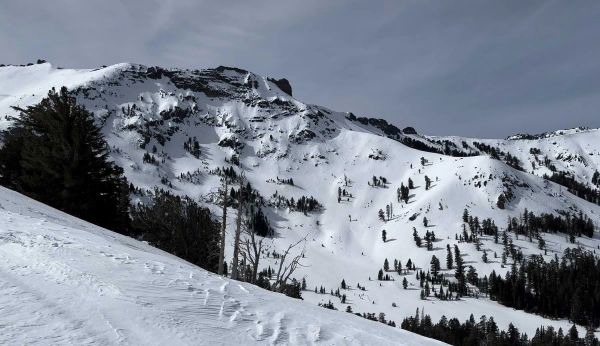
California Ski Resort Opening Dates 2026-27: Mammoth Leads, Tahoe Follows
Mammoth Mountain is first up in California, targeting Friday 13 November after a dusting of September snow. Heavenly and Northstar follow on 20 November, Palisades Tahoe on Wednesday 25 November and Sugar Bowl on 27 November, with Kirkwood on 4 December and June Mountain on 19 December. Plenty of smaller areas have no date yet. A super El Niño favours the Sierra, but a warmer storm track is the catch.
7 Oct 2026
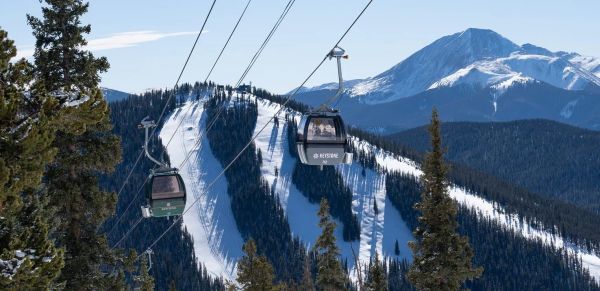
Colorado Ski Resort Opening Dates 2026-27: A-Basin and Keystone Race to Be First
Arapahoe Basin, Keystone and Winter Park are all chasing an October start, though none has a firm date yet. The first dated openers are Breckenridge and Copper on Friday 6 November, then Vail on 13 November, with most of the rest bunched around US Thanksgiving. Hesperus did not open at all last season. A super El Niño offers hope but no guarantee, and forecasters say the southern mountains have the better odds.
5 Oct 2026
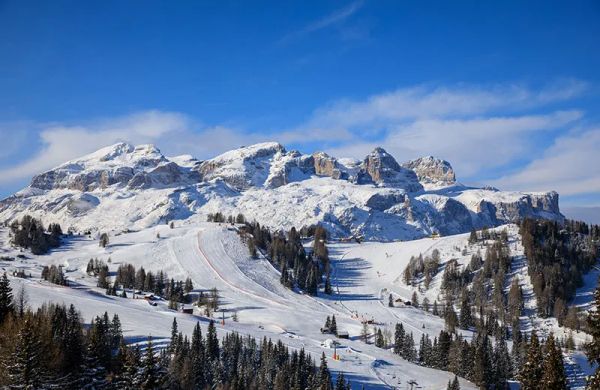
Dolomiti Superski 2026-27: Four New Gondolas, New Reservoirs and an €89 Peak Day Pass
Dolomiti Superski is spending around €100 million across its 12 areas before winter. Kronplatz gets a new 10-passenger gondola with a middle station, 3 Zinnen gets Helmissimo, and Val di Fassa swaps a chairlift for a gondola above Col Valvacin. New water-storage basins and upgraded snowmaking follow, and construction has started on the San Martino to Passo Rolle link. A peak adult day pass is €89.
4 Oct 2026
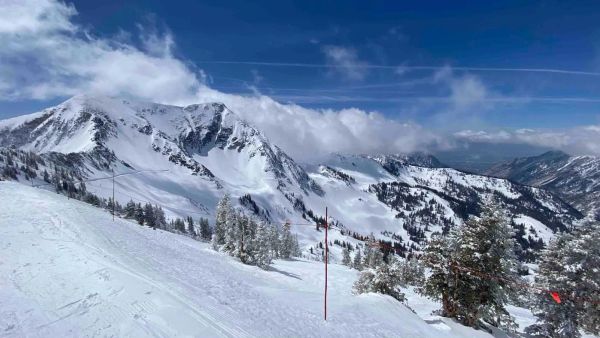
Utah Ski Resort Opening Dates 2026-27: Brian Head First, Eagle Point Out
Brian Head is targeting 6 November, though last year it aimed for 7 November and did not open until the 25th. Park City, Alta and Solitude are pencilled in for 20 November, Snowbird and Snowbasin for 27 November, and Deer Valley for 5 December. Eagle Point will stay closed after the Cottonwood Fire. A super El Niño is forecast, but the big snow is not expected until January.
4 Oct 2026
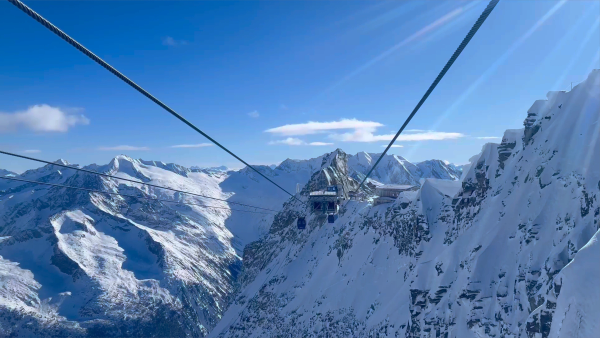
Hintertux Glacier Opens for 2026-27 With 12 Kilometres of Piste
Hintertux became Austria's second glacier to open for 2026-27 on Friday 2 October, after the Pitztal Glacier. Twelve kilometres of piste are running around the Olperer and Gefrorene Wand, served by one gondola and two drag lifts, with the Betterpark also open. Lifts officially run 8:15 am to 4:30 pm, but skiing stops at 2 pm for now.
4 Oct 2026
Vail Resorts Counts the Cost of a Thin Winter as Pass Sales Slide Further
A historically poor western winter cut Vail Resorts' annual net income from $280 million to $147.5 million and skier visits by 13.4 per cent. Now 2026-27 pass units are down 12 per cent as of 18 September, worse than the 10 per cent flagged in spring. Vail blames the weather and thinks some buyers are simply waiting, and it forecasts a rebound if the snow behaves.
3 Oct 2026
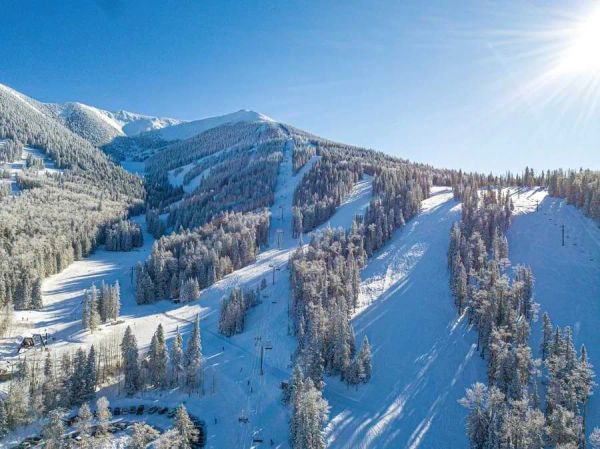
Arizona Snowbowl's $1 Lift Tickets Are Hard to Find, but $9 Days Are Not
Arizona Snowbowl advertised eight $1 lift ticket days this winter. Go looking and only three are showing - 10 March, 1 April and 10 April - so the rest may already have gone. The consolation is a calendar full of $9 days, including all but one day in April. Opening day is 20 November, weather permitting, and opening weekend is $19.
2 Oct 2026
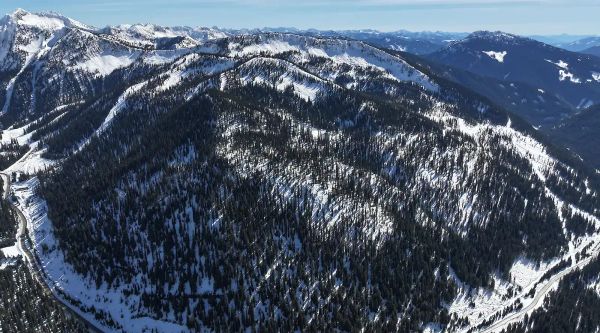
Whitewater Brings Its Short Side Inbounds, With Six New Runs for 2026-27
For years, Whitewater's Short Side was where you ducked a rope and hoped for the best: unmapped, ungroomed and unpatrolled. This winter it's inbounds. Six new runs of glades and fall-line skiing add 190 acres (about 77 hectares), taking the resort past 1,400 acres in total. F2 Logging spent a month in the trees to make it happen, and opening day is pencilled in for 4 December. Bonanza now needs less snow to groom, too.
1 Oct 2026
Snowy Range Snow Report
Snow Report
Updated 8 Oct 2026
9,633ft
summit
+0in
new snow · last 24 hours
Clear44°F / 64°F · NW 13mph
Snowfall
24 hours
0in
48 hours
0in
7 days
0in
Base depth
0in
Season total
0in
Total lifts3
Live open status isn’t available right now.
11 Dec 2026 - 28 Mar 2027
Hour by Hour
Next 38 hours· Updated Oct 8, 2026 at 6:02 AM
Scroll for the full outlook · Open-Meteo
7-Day Outlook
9,633 ftUpdated Oct 8, 2026 at 6:02 AMOpen-Meteo
Days 1–7
0.7"
Days 8–14
0.1"
Thu, Oct 8
Clear
Temp64° / 44°°F
Snow0.0"
Wind13 mph NW
Live snow from the resort feed; forecast from Open-Meteo, via Supabase.
Understanding the Snowy Range snow report
Get the latest Snowy Range snow report — real-time snowfall, snow depth, and mountain weather for this Wyoming resort, spanning 2681m to 2936m in elevation.
Snow measurements
Snow depth at Snowy Range is tracked at both the base and summit, since the two elevations often see different totals — roughly a 255m difference here. We report fresh snowfall over the last 24 hours and 7 days alongside the running season total, in both metric and imperial units.
Weather conditions
Wind and temperature swings matter as much as fresh snowfall. Cold, calm conditions hold snow quality well, while wind-loading or a warm-up can change things quickly — especially given the elevation spread between Snowy Range's base and summit.
Data sources
Snowy Range snow data is collected through a combination of on-mountain reports and weather forecasting services, giving you both official resort updates and independent forecast data in one place. The mountain is served by 3 lifts in total.
When to check
Snow reports are typically updated early morning and late afternoon. For the most current conditions, check back regularly, especially if a winter storm is approaching.