
Thredbo
Australia's highest lifted point at 2,037m, 672m vertical and 5.9km runs in the Snowy Mountains. Open June to October on Ikon Pass.
Season 2026
Opens
6 June 2026
Closes
13 Sept 2026
Days open
99
Annual snow
3m
The Overview
Michael Fulton
Melbourne-based skier and snowboarder with 50+ resorts across 5 continents. Specialises in Australian resorts and international resort comparisons.
Thredbo holds more vertical than any other ski resort in Australia — 672m from base to summit — and with it the country's longest ski runs, a highest lifted point of 2,037m via Karel's T-bar, and the longest single descent at 5.9km. The resort spans 1,186 acres within Kosciuszko National Park in the NSW Snowy Mountains, serving 53 runs across terrain that runs steeper and more sustained than anywhere else on the Australian mainland. The terrain profile skews intermediate at 67%, but Thredbo's expert zones — Golf Course Bowl, Bushranger and Michael's Mistake — are consistently rated the most demanding in-bounds terrain in the country.
The resort was established in the mid-1950s by Tony Sponar, a Czech-born ski instructor who had trained at St. Anton in Austria and deliberately chose Thredbo for its long fall lines and potential for a European-style village at the base. That founding vision has shaped the resort's character ever since — a compact, walkable alpine village along the Thredbo River, operating as a year-round destination with a summer mountain bike park and direct trail access to Mt Kosciuszko at 2,228m, Australia's highest peak. Thredbo is part of both the Ikon Pass and Mountain Collective networks.
672m
Vertical
53
Runs
1,186 acres
Skiable
3m
Annual snow
Ikon / Mountain Collective
Pass
The Terrain
53 runs across 1,186 acres skiable
Thredbo spreads across about 480 hectares of the Kosciuszko region, rising from the village at 1,365 metres to 2,037 metres, a vertical of 672 metres. Of its 53 runs, 16% are beginner, 67% intermediate, 10% advanced and 7% expert, a strong intermediate focus with a genuine expert end. The village sits at the base of the slopes, so lifts run straight from the doorstep. The Merritts Gondola climbs from the village to the Cruiser area, and the Kosciuszko Express chair carries skiers on towards the summit, so the lower and upper mountain are connected with minimal fuss.
Cruiser is the gentle, wide-open learning area, while the long Supertrail winds its way down the full vertical of the mountain. Funnel Web brings steeper pitches and natural features, with Karels T-bar serving the highest lifted terrain. Intermediates enjoy the long, flowing cruisers, and advanced and expert skiers can find steeper faces and mogul runs off the upper lifts. Thredbo suits confident intermediates, strong skiers who like long fall-line runs and families wanting a village at the foot of the hill. The sheer length of the descents is the main draw, and the vertical rewards anyone who likes to ski from top to bottom without stopping.
Terrain split
53
runs
53 runs across 4 grades
Beginner8 runs · 16%
Intermediate36 runs · 67%
Advanced5 runs · 10%
Expert4 runs · 7%
Time it right
When to visit Thredbo
The 2026 season at Thredbo runs from 6 June to 5 October, a four-month window consistent with the NSW alpine season calendar. Average annual snowfall reaches 2.5 metres, and the resort's south-facing aspect combined with a base elevation of 1,365m supports reliable coverage through the core July and August period. The snowmaking system covers the majority of front-side terrain including Friday Flat, High Noon and the Supertrail, providing early-season and thin-cover insurance across the resort's key corridors.
August typically delivers peak natural snow depths, while September is well regarded for longer daylight hours, firming spring snow and quieter lifts. A Thredbo Ikon Pass connects the resort with Mammoth, Steamboat, Niseko, Coronet Peak and The Remarkables, among others in the global network. The Saturday night Flare Run — in which skiers descend the Supertrail carrying flares — runs on selected evenings during the season and has become one of the signature events on the Australian alpine calendar.
Season 2026
6 June 2026
Opens
13 Sept 2026
Closes
99
Days open
3 m
Annual snow
Getting there
Getting to Thredbo, and where to stay
Thredbo sits within Kosciuszko National Park in the Snowy Mountains of southern New South Wales, accessed via the Alpine Way through Jindabyne. The village is approximately 500km south-west of Sydney, 170km from Canberra and 35 minutes from Jindabyne — the main accommodation and services hub for the region. Unlike Perisher, Thredbo is directly accessible by car with day and overnight parking available in the village, though the Alpine Way requires snow chains on the approach during winter conditions.
Canberra Airport is the most practical flying option, with a 2.5-hour drive to the resort. Sydney Airport is approximately six hours by road. Regular coach services run from both Sydney and Canberra to Jindabyne and Thredbo throughout the season. In summer, Thredbo operates as a mountain biking and hiking destination, with the Merritts Gondola providing lift access to over 40km of marked trails and a 10km walk from the resort to the summit of Mt Kosciuszko.
Where to stay
Search all stays →Hotels and lodges near Thredbo, powered by Stay22.
Latest News
From the SnowStash desk
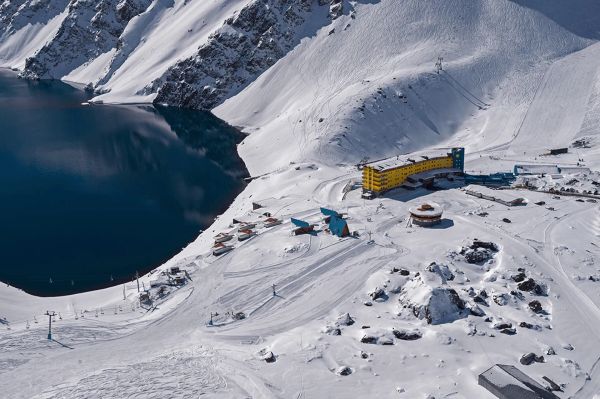
Four Dead After Avalanche Near Ski Portillo in Chile
A large avalanche struck near Laguna del Inca adjacent to Ski Portillo on Saturday afternoon, killing four people and injuring four others. The group were day visitors mountaineering in the backcountry after reportedly being warned about elevated avalanche risk by resort staff.
18 Oct 2026
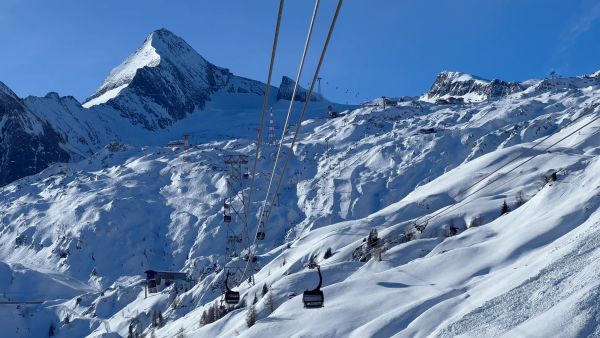
Europe Ski Resorts Open Now: What Is Skiable in Mid-October 2026
Europe’s ski season is open, technically. After a record-warm summer, glaciers in Austria, Switzerland and Italy are running a few pistes apiece, Sölden, Stubai and Kitzsteinhorn started late, Titlis has pushed back to 24 October, and Zermatt reopens a few lifts on 14 October after more than two months shut. Finland’s Levi and Ruka are skiing on stored snow. Here is what is open, and what you actually get at each.
14 Oct 2026
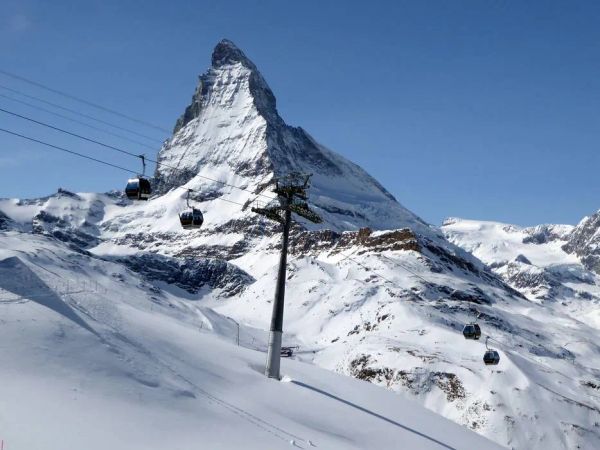
Zermatt Plans World Cup Downhill Return on the Gornergrat for 2028
Zermatt is having another crack at a World Cup downhill, and this time nobody has to cross a border. Around 13 million Swiss francs is going into rebuilding the Gornergrat piste, including a jump fed by a roughly 300-metre in-run across the roof of the Gornergrat Railway gallery, with the Matterhorn lined up behind it for the TV cameras. First men’s race is pencilled in for March 2028, pending FIS homologation.
14 Oct 2026
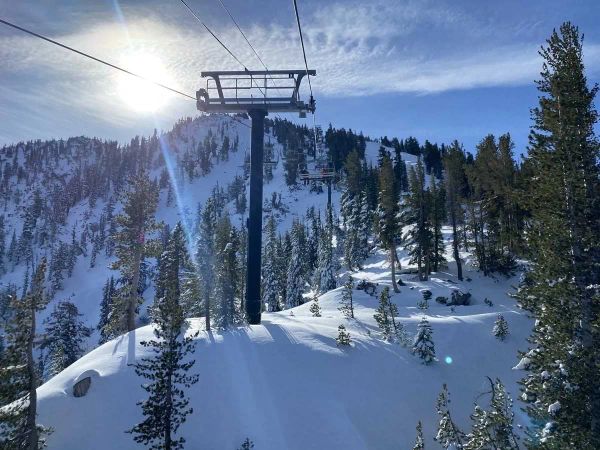
Mt. Rose Begins Snowmaking for the 2026-27 Season at Lake Tahoe
Lake Tahoe’s highest base elevation is paying off early: Mt. Rose has started making snow for 2026-27 after the first flurries and a cold snap. The Nevada resort is backing it with nearly US$2 million in upgrades, including a replacement snowmaking main line, a new PistenBully groomer and restraint bars on every lift. Opening day is yet to be confirmed, though Heavenly and Northstar are already eyeing 20 November.
13 Oct 2026
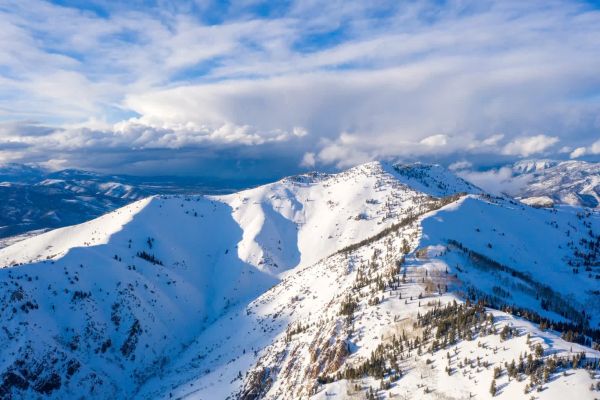
Utah Ski Resorts 2026-27: What’s New at Alta, Deer Valley, Powder Mountain and More
Utah is still building flat out. For 2026-27, Powder Mountain opens a steep new Skytrac chair into more than 1,000 acres of advanced terrain, Deer Valley adds 200 acres on Hail Peak, Sundance gets a new quad and Park City adds a gondola from its new parking structure. Snowmaking is expanding almost everywhere, Eagle Point stays closed after the Cottonwood Fire, and the 2034 Games are setting the pace. Here’s what’s new, resort by resort.
13 Oct 2026
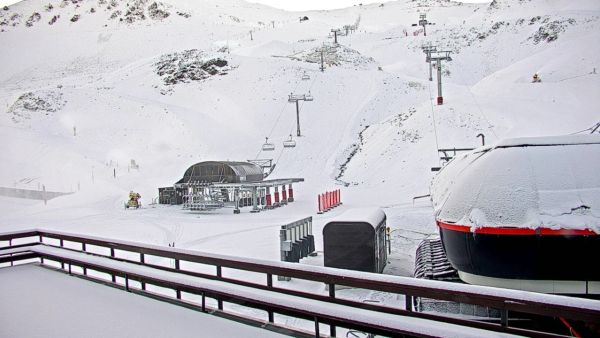
Mt Hutt Invests NZ$12 Million in Base Area, Tripling Its Sun Deck
Mt Hutt is getting busier, and its base lodge is about to catch up. NZ$12 million goes into a heated sun deck roughly three times the current size (430 m² to 1,300 m²), plus a new toilet block, heated steps down to snow level, extra storage and a new food and beverage outlet. Building starts after the 2026 season, with everything due for winter 2027.
11 Oct 2026
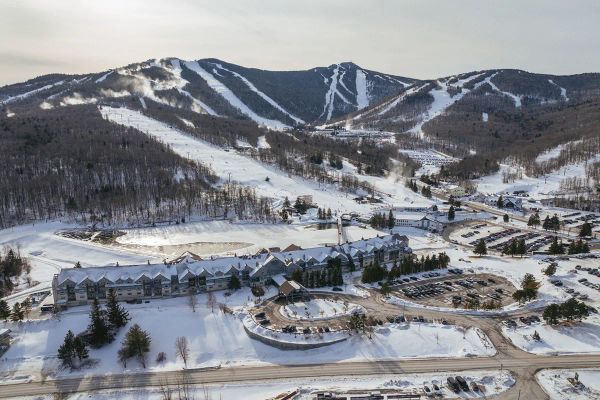
Vermont Ski Resort Opening Dates 2026-27: Few Dates Set, Killington Waits on the Cold
Vermont's season is slow to take shape. Stratton is tentatively targeting 18 November and Sugarbush 21 November, while Pico has Friday 11 December on the calendar. Killington never sets a date and opens when the snowmaking allows, and Vail Resorts has yet to name days for Stowe, Okemo and Mount Snow. The forecasts disagree about snow, and the main El Niño worry for the Green Mountains is warmth.
9 Oct 2026
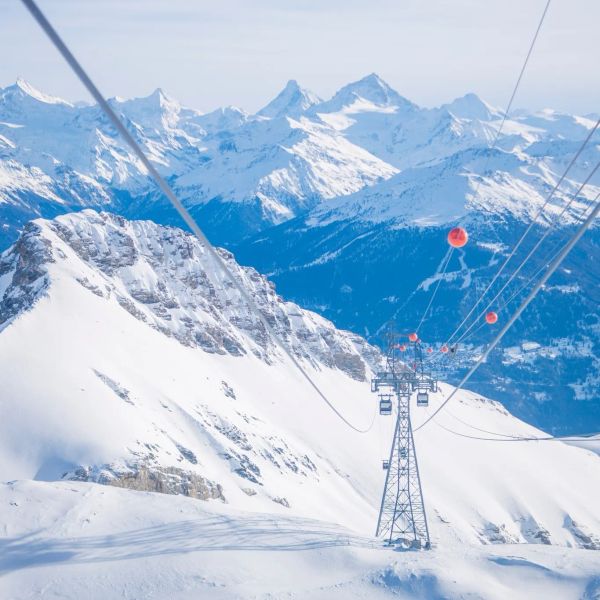
Crans-Montana 2027 World Championships President Resigns Ahead of Fraud Hearing
Less than four months out from the Crans-Montana 2027 World Championships, the man running the organising committee has stepped down. Claude-Alain Schmidhalter resigned as Swiss-Ski vice president and OC president after being indicted over a business dispute unrelated to skiing. He denies the allegations and faces court on October 27. Interim leaders are in place for the February 1-14 event.
9 Oct 2026