Thredbo
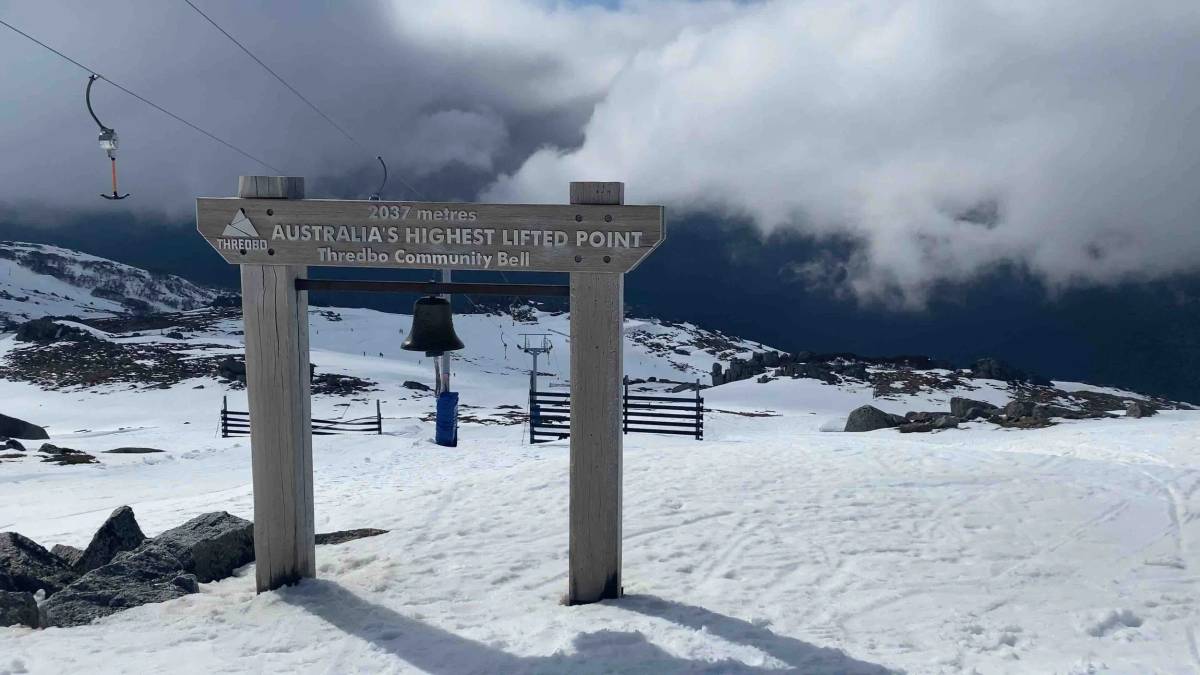
Australia's highest lifted point at 2,037m, 672m vertical and 5.9km runs in the Snowy Mountains. Open June to October on Ikon Pass.
Season 2026
Opens
6 June 2026
Closes
13 Sept 2026
Days open
99
Annual snow
2.5m
The Overview
Michael Fulton
Melbourne-based skier and snowboarder with 50+ resorts across 5 continents. Specialises in Australian resorts and international resort comparisons.
Thredbo holds more vertical than any other ski resort in Australia — 672m from base to summit — and with it the country's longest ski runs, a highest lifted point of 2,037m via Karel's T-bar, and the longest single descent at 5.9km. The resort spans 1,186 acres within Kosciuszko National Park in the NSW Snowy Mountains, serving 53 runs across terrain that runs steeper and more sustained than anywhere else on the Australian mainland. The terrain profile skews intermediate at 67%, but Thredbo's expert zones — Golf Course Bowl, Bushranger and Michael's Mistake — are consistently rated the most demanding in-bounds terrain in the country.
The resort was established in the mid-1950s by Tony Sponar, a Czech-born ski instructor who had trained at St. Anton in Austria and deliberately chose Thredbo for its long fall lines and potential for a European-style village at the base. That founding vision has shaped the resort's character ever since — a compact, walkable alpine village along the Thredbo River, operating as a year-round destination with a summer mountain bike park and direct trail access to Mt Kosciuszko at 2,228m, Australia's highest peak. Thredbo is part of both the Ikon Pass and Mountain Collective networks.
672m
Vertical
53
Runs
1,186 acres
Skiable
2.5m
Annual snow
Ikon / Mountain Collective
Pass
The Terrain
53 runs across 1,186 acres skiable
Thredbo spreads across about 480 hectares of the Kosciuszko region, rising from the village at 1,365 metres to 2,037 metres, a vertical of 672 metres. Of its 53 runs, 16% are beginner, 67% intermediate, 10% advanced and 7% expert, a strong intermediate focus with a genuine expert end. The village sits at the base of the slopes, so lifts run straight from the doorstep. The Merritts Gondola climbs from the village to the Cruiser area, and the Kosciuszko Express chair carries skiers on towards the summit, so the lower and upper mountain are connected with minimal fuss.
Cruiser is the gentle, wide-open learning area, while the long Supertrail winds its way down the full vertical of the mountain. Funnel Web brings steeper pitches and natural features, with Karels T-bar serving the highest lifted terrain. Intermediates enjoy the long, flowing cruisers, and advanced and expert skiers can find steeper faces and mogul runs off the upper lifts. Thredbo suits confident intermediates, strong skiers who like long fall-line runs and families wanting a village at the foot of the hill. The sheer length of the descents is the main draw, and the vertical rewards anyone who likes to ski from top to bottom without stopping.
Terrain split
53
runs
53 runs across 4 grades
Beginner8 runs · 16%
Intermediate36 runs · 67%
Advanced5 runs · 10%
Expert4 runs · 7%
Time it right
When to visit Thredbo
The 2026 season at Thredbo runs from 6 June to 5 October, a four-month window consistent with the NSW alpine season calendar. Average annual snowfall reaches 2.5 metres, and the resort's south-facing aspect combined with a base elevation of 1,365m supports reliable coverage through the core July and August period. The snowmaking system covers the majority of front-side terrain including Friday Flat, High Noon and the Supertrail, providing early-season and thin-cover insurance across the resort's key corridors.
August typically delivers peak natural snow depths, while September is well regarded for longer daylight hours, firming spring snow and quieter lifts. A Thredbo Ikon Pass connects the resort with Mammoth, Steamboat, Niseko, Coronet Peak and The Remarkables, among others in the global network. The Saturday night Flare Run — in which skiers descend the Supertrail carrying flares — runs on selected evenings during the season and has become one of the signature events on the Australian alpine calendar.
Season 2026
6 June 2026
Opens
13 Sept 2026
Closes
99
Days open
2.5 m
Annual snow
The record
Historical snowfall at Thredbo
Daily snow reports at Thredbo go back to 2025, 2 winters on the books. Open the record to compare winters, lifts and piste.
30 cm
Snowiest day
25 June 2025
109 cm
This winter · 2026
so far
206 cm
Typical winter
average of complete seasons
Winter totals
cm
Past wintersThis winter
Getting there
Getting to Thredbo, and where to stay
Thredbo sits within Kosciuszko National Park in the Snowy Mountains of southern New South Wales, accessed via the Alpine Way through Jindabyne. The village is approximately 500km south-west of Sydney, 170km from Canberra and 35 minutes from Jindabyne — the main accommodation and services hub for the region. Unlike Perisher, Thredbo is directly accessible by car with day and overnight parking available in the village, though the Alpine Way requires snow chains on the approach during winter conditions.
Canberra Airport is the most practical flying option, with a 2.5-hour drive to the resort. Sydney Airport is approximately six hours by road. Regular coach services run from both Sydney and Canberra to Jindabyne and Thredbo throughout the season. In summer, Thredbo operates as a mountain biking and hiking destination, with the Merritts Gondola providing lift access to over 40km of marked trails and a 10km walk from the resort to the summit of Mt Kosciuszko.
Where to stay
Search all stays →Hotels and lodges near Thredbo, powered by Stay22.
Latest News
From the SnowStash desk
What’s New in Japan Skiing This Winter: Niseko Gondola, a Private Resort and a Bigger Ikon Pass
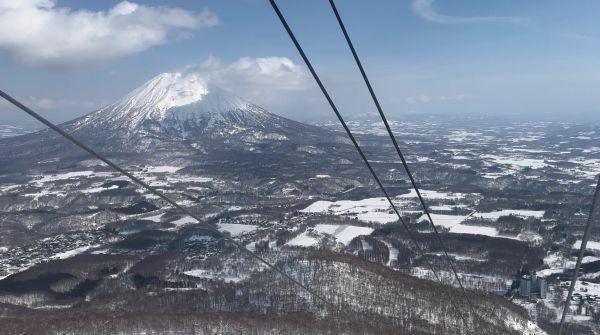
Niseko Village is replacing a lift from the early 1980s with an eight-person gondola, Tsugaike gets a six-person chairlift, Madarao joins the Ikon Pass and Togari opens Asia’s first private ski resort. Here’s what is actually new in Japan skiing for 2026/27, plus what is still a year or two away.
30 Oct 2026
Wolf Creek Opens on Halloween Weekend as Colorado’s Early Season Gathers Pace
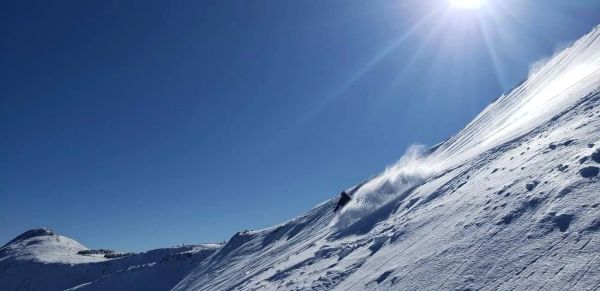
Colorado’s early-season dominoes keep falling. Arapahoe Basin opened on Wednesday, Keystone follows on Friday, and now Wolf Creek is joining in on Saturday 31 October, just in time for Halloween. A storm on 23 and 24 October left 20 inches of natural snow in the San Juans, and three lifts will turn from 9:00 am, covering about 30% of the mountain. Expect rocks, unmarked obstacles and open water, but also Local Appreciation lift tickets at $73 for adults.
30 Oct 2026
Keystone Resort Opens for 2026/27 With More Than Two Miles of Skiing
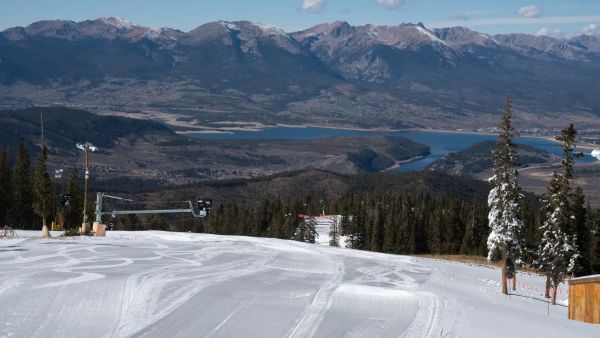
Keystone is next. After Arapahoe Basin claimed the first chairlift skiing of the season on Wednesday, Keystone opens on Friday 30 October at 9:00 am with more than two miles of snowmaking-built terrain on Schoolmarm and Silver Spoon, plus free donuts, coffee and a live DJ. Last year the order was reversed, when Keystone squeezed in a three-hour afternoon session to beat A-Basin by a day. Snowmaking has been running since 15 October.
29 Oct 2026
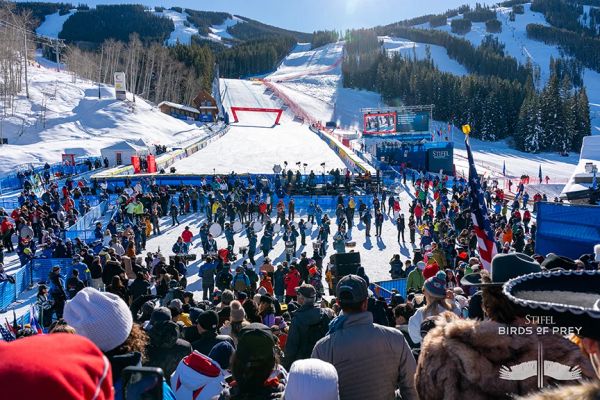
Beaver Creek Installs 16 Automated Snow Guns on Birds of Prey Ahead of Record World Cup
Beaver Creek is getting ready for the biggest Birds of Prey ever, and this time it is not leaving the snow to chance. Crews started making snow on 27 October with 16 newly installed automated guns on the lower third of the course, after last December’s warm spell forced a downhill off the schedule. Seven races across two weekends run from 3 to 13 December, the most the course has hosted since its 1997 debut, and the guns start themselves whenever the weather allows.
29 Oct 2026
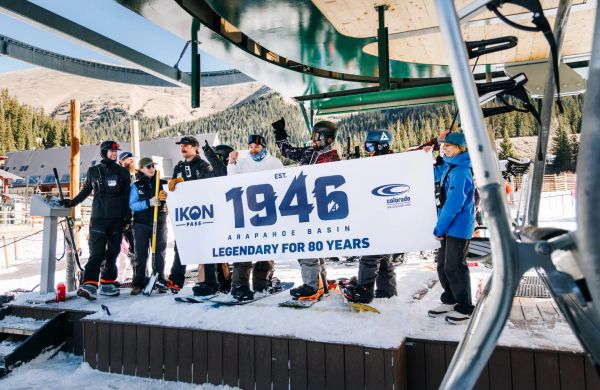
Arapahoe Basin Opens First for North America’s 2026/27 Ski Season
Winter has officially started in North America, and it is one blue run long. On Wednesday 28 October, Arapahoe Basin fired up the Black Mountain Express at around 10:30 am after a surprise announcement just hours earlier, becoming the first major North American resort open for 2026/27. Cold nights, a dusting of natural snow and a lot of snowmaking made it happen in the resort’s 80th winter. More terrain is promised as the snow guns keep running.
28 Oct 2026
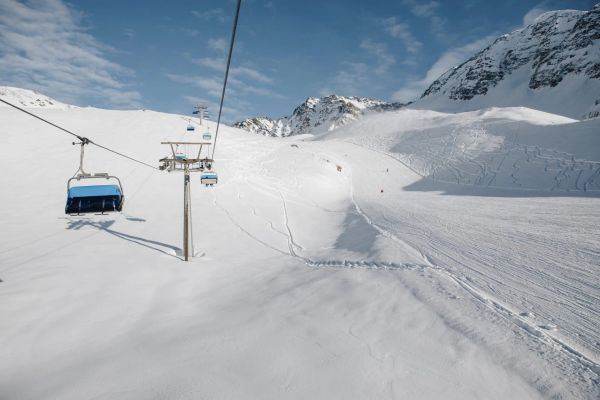
Sulden am Ortler Pushes Its Season Start Back a Week to 7 November
Sulden am Ortler has called off its 31 October opening. The South Tyrol ski area has pushed its 2026/27 start back to Saturday 7 November, citing current weather and snow conditions and saying it will use the extra week to get the slopes in the best possible shape. The season is still scheduled to run through 2 May 2027. Elsewhere in Europe, around a dozen areas are already open, led by Sölden’s 30 kilometres of groomed runs.
28 Oct 2026
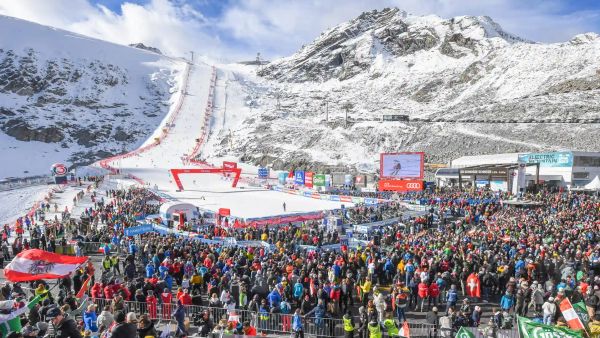
Pinheiro Braathen Wins Sölden Giant Slalom Opener by 0.48 Seconds
Two days at Sölden, two races decided by a hundredth somewhere on the podium, and one very quick Brazilian. Lucas Pinheiro Braathen led from the first run to win the men’s World Cup opener by 0.48 seconds, with Loïc Meillard second and Marco Odermatt third. River Radamus charged from 15th to fourth on a rutted course, and Britain’s Freddy Carrick-Smith banked his first World Cup points. Braathen still hasn’t lost a giant slalom since Olympic gold.
25 Oct 2026
Alps Snow Forecast: Up to 64 cm Headed for the High Glaciers as the Snow Line Drops
The Alps are about to swap mild, sunny October weather for something far more wintry. A cold front arrives Tuesday, and SnowStash forecasts have Monterosa Ski out in front with 64 cm over 14 days, ahead of Blatten Belalp (55 cm) and Verbier (43 cm). The snow line should fall below 2000 metres by Wednesday night, and glaciers across Switzerland, Italy and Austria are in line for the best of it. The wind will have a say too.
20 Oct 2026
Thredbo Snow Report
Snow Report
Updated 29 Oct 2026
2037m
summit
+0cm
new snow · last 24 hours
Overcast6°C / 11°C · NW 32km/h
Snowfall
24 hours
0cm
48 hours
0cm
7 days
0cm
Base depth
0cm
Season total
109cm
Typical winter 206cm
Total lifts14
Live open status isn’t available right now.
6 June 2026 - 13 Sept 2026
Hour by Hour
Next 28 hours· Updated Oct 30, 2026 at 6:02 PM
Scroll for the full outlook · Open-Meteo
7-Day Outlook
1,903 mUpdated Oct 30, 2026 at 6:02 PMOpen-Meteo
Days 1–7
1.8cm
Days 8–14
1.1cm
Sat, Oct 31
Slight Rain Showers
Temp11° / 6°°C
Snow0.0cm(100%)
Wind32 km/h NW
Live snow from the resort feed; forecast from Open-Meteo, via Supabase.
Understanding the Thredbo snow report
See what's happening on the mountain at Thredbo right now — snowfall, snow depth, and weather data to help you plan your day in New South Wales.
Snow measurements
Our snow reports measure snowfall in centimeters over multiple time windows — last 24 hours, last 7 days, and the season total. Base depth reflects accumulation at the 1365m base area, while summit depth captures conditions 672m higher at 2037m, where snow typically stays colder and lingers longer. Imperial conversions are shown alongside for convenience.
Weather conditions
Snow quality tracks closely with temperature and wind. We surface both alongside the snowfall data so you can judge whether conditions at Thredbo are holding up or starting to soften.
Data sources
Thredbo snow data is collected through a combination of on-mountain reports and weather forecasting services, giving you both official resort updates and independent forecast data in one place. The mountain is served by 14 lifts, including 4 quad chairlifts and a gondola.
When to check
Conditions can change overnight, so mornings and late afternoons are the best times to check back on Thredbo.