
Falls Creek
Victoria's largest ski resort with 450 hectares, 92 runs and a car-free ski-in ski-out village. Epic Pass access, open June to October.
Season 2026
Opens
6 June 2026
Closes
13 Sept 2026
Days open
99
Annual snow
3m
The Overview
Michael Fulton
Melbourne-based skier and snowboarder with 50+ resorts across 5 continents. Specialises in Australian resorts and international resort comparisons.
Falls Creek is Victoria's largest ski resort, covering 450 hectares of skiable terrain across 92 runs between 1,400m and 1,780m in the Alpine National Park of the Victorian Alps. The resort traces its origins to 1947, when workers from the Kiewa Hydro-Electric Scheme built the first ski lodge on the Bogong High Plains — a foundation that shaped the village's character as a genuine mountain community rather than a purpose-built resort. Falls Creek installed the first chairlift in Australia in 1957, and the resort has continued to mark firsts: it was also the first in the country to install a high-speed detachable quad chair.
The terrain profile weights heavily toward intermediates at 60%, with 23% advanced and 17% beginner — the sort of distribution that reflects a mountain well suited to families and developing skiers. The car-free village is entirely ski-in ski-out, with no private vehicles permitted inside the resort during the winter season. Falls Creek is also the home of Australian cross-country skiing, holding the official training base of the Australian national cross-country team and hosting the annual Kangaroo Hoppet — the largest snow sports event in the Southern Hemisphere. The lift pass covers Mt Hotham and Dinner Plain, with a helicopter link between the two mountains available in approximately six minutes.
380m
Vertical
92
Runs
1,112 acres
Skiable
3m
Annual snow
Epic Pass
Pass
Watch
See Falls Creek in motion
The Terrain
92 runs across 1,112 acres skiable
Beginner Terrain: Australia's Premier Learning Environment
Having spent countless weekends at Falls Creek, I can confidently say it offers Australia's best beginner skiing experience. The resort's dedicated learning zone sets it apart from every other Victorian mountain.
Drovers Dream: The Crown Jewel of Beginner Runs
Drovers Dream isn't just another beginner run - it's the wide, confidence-building highway that showcases why Falls Creek excels at teaching people to ski and snowboard. What makes this run special is its south-facing aspect, which means protected snow conditions and stunning Lake Eildon views that you simply won't find at other Australian resorts.
The run's generous width allows you to stick to the middle while building confidence, with room to explore the edges as your skills develop. After skiing beginner terrain across five continents, I can honestly say the alpine views from Drovers Dream are unmatched in Australia.
Learning Zone Excellence
Falls Creek's learning terrain operates in its own dedicated zone with two magic carpets - a setup that's unique among Victorian resorts. This separation from faster traffic creates a protected environment where beginners can focus on fundamentals without intimidation.
The progression system works brilliantly: magic carpets to Easy Rider chairlift to poma lifts, creating a natural skill-building pathway. After watching friends learn at resorts worldwide, Falls Creek's progression design rivals anything I've experienced internationally.
Intermediate Terrain: Victoria's Hidden Gems
Falls Creek's intermediate terrain tells two stories: the groomed speed runs that attract crowds, and the hidden gems where you can still find fresh snow and solitude.
The Crowd-Pleasers: Big Dipper and Ruined Castle
These are Falls Creek' speed demons - perfectly groomed, consistent pitch, built for carving fast turns. Big Dipper and Ruined Castle deliver that pure intermediate rush where technique meets velocity. If speed is your thing, these runs are your playground.
Ruined Castle, in particular, offers what I believe to be the best intermediate terrain in Victoria. The consistent fall line, reliable grooming, and sustained pitch create the perfect environment for intermediate skiers to push their limits safely.
The Local Secrets: Shadow Ridge and Dark Side
Here's where my years of Falls Creek experience pay off. Shadow Ridge and Dark Side typically hold snow better than the main runs, rarely get groomed (which means varied terrain), and stay quieter even on busy weekends.
The real magic happens when you find your way through the trees on these runs. After recent storms, I've discovered fresh snow in the afternoon when the main runs are tracked out. These runs reward local knowledge and intermediate skiers looking for something beyond the groomed highways.
Towers Chair: Great Terrain, Strategic Timing Required
Towers serves excellent intermediate terrain with proper pitch and challenge. However, this fixed-grip lift can build substantial queues during peak periods. My strategy: hit Towers early morning or late afternoon, avoiding the 11am-2pm rush when Melbourne day-trippers converge.
Advanced Terrain: Limited but Rewarding
Let's be honest about Falls Creek' advanced terrain - it's limited compared to international standards, but what exists offers genuine challenge and reward for expert skiers.
The Maze and Summit Chair: Advanced Central
The Maze area, served by Summit Chair, houses Falls Creek' largest collection of advanced terrain. While "largest collection" is relative at an Australian resort, these runs provide legitimate challenge with varied aspects and technical demands.
Widow Maker: The Signature Advanced Run
Widow Maker follows the steep section below International Poma and represents Falls Creek' most challenging marked terrain. Sometimes groomed, sometimes left natural, it develops afternoon bumps that test technique and endurance.
What makes Widow Maker special isn't just the steepness - it's the views over surrounding valleys and mountains that remind you why Australian alpine skiing, despite terrain limitations, offers unique rewards.
Storm Day Strategy: Halley's Comet Trees
During stormy conditions when visibility drops across the main runs, the tree runs underneath Halley's Comet Chair become Falls Creek' secret weapon. These protected areas maintain visibility when the open slopes become skiing by Braille.
Terrain split
92
runs
92 runs across 4 grades
Beginner16 runs · 17%
Intermediate55 runs · 60%
Advanced21 runs · 23%
Expert0 runs · 0%
How it compares
Falls Creek vs. Mount Hotham: The Victorian Choice
Having skied both resorts extensively, the decision depends on your priorities and experience level.
Choose Falls Creek When:
- Learning to ski or snowboard (superior beginner infrastructure)
- Seeking reliable conditions (better snowmaking coverage)
- Prioritising village convenience (true ski-in, ski-out experience)
- Skiing with mixed-ability groups (better progression options)
- Wanting consistent intermediate terrain (more groomed options)
Choose Hotham When:
- Seeking challenging terrain (steeper, more varied advanced runs)
- Preferring natural snow conditions (higher elevation, better snow quality)
- Avoiding crowds (generally less busy than Falls Creek)
- Prioritising terrain variety (more diverse aspects and exposures)
Falls Creek vs. International Standards
Where Falls Creek Competes Globally:
- Village design and ski-in, ski-out access rivals European alpine resorts
- Beginner terrain design matches world-class learning destinations
- Grooming standards equal or exceed international benchmarks
- Learning progression system competes with major North American resorts
Where Limitations Become Apparent:
- Vertical drop (450m) feels modest after skiing 1000m+ international resorts
- Advanced terrain selection limited compared to major alpine destinations
- Natural snowfall patterns require heavy snowmaking dependence
- Season length shorter than major Northern Hemisphere destinations
The Honest International Perspective:
Falls Creek succeeds by delivering a complete alpine experience within Australian constraints. While terrain variety and vertical can't match major international destinations, the village experience, reliability, and progression opportunities create genuine value.
For Australian skiers building skills before international trips, Falls Creek provides excellent preparation. For international visitors seeking authentic Australian alpine experience, it delivers unique character despite terrain limitations.
The Verdict
Michael Fulton
Why I Keep Returning to Falls Creek
After skiing 45+ resorts across five continents, Falls Creek earns its place in my regular rotation not because it competes with Lake Tahoe resorts or glacier runs in the alps, but because it delivers something uniquely valuable: reliable Australian alpine skiing with genuine village character.
What Falls Creek Does Right:
The village experience genuinely competes internationally. True ski-in, ski-out access, compact walkable layout, and comprehensive amenities create convenience that exceeds many famous international destinations.
Beginner and intermediate terrain design shows thoughtful planning. The progression from magic carpets through chairlifts to advanced terrain creates natural skill development pathways.
Reliability trumps many natural snow-dependent resorts. When international trips require weather gambling, Falls Creek provides weekend alpine experiences with reasonable confidence.
The Honest Limitations:
Expert terrain remains genuinely limited. After skiing legitimate steep terrain internationally, Falls Creek' advanced runs feel more like challenging intermediate terrain.
Terrain parks have declined from their peak years. What was once Australia's premier park destination now focuses on smaller features, with the major Ruined Castle park inconsistently operating.
Natural snowfall dependency for best terrain (International Poma zone) creates frustrating limitations during lean snow years.
My Personal Falls Creek Strategy:
I approach Falls Creek as a reliable alpine training ground rather than a destination for challenging terrain. It's where I maintain fitness between international trips, introduce friends to skiing, and enjoy consistent village-based alpine experiences.
The International Poma remains my favorite lift despite its challenges - 50+ years of continuous operation, access to the resort's best terrain, and the satisfaction of mastering a demanding lift system that separates committed skiers from casual visitors.
Bottom Line Recommendation:
Falls Creek serves specific purposes excellently: learning to ski, maintaining alpine fitness, enjoying reliable weekend mountain experiences, and accessing Australia's best ski village. It doesn't pretend to be Snowbird or Jackson Hole, and that honest positioning is exactly why it succeeds.
For Melbourne-based skiers, Falls Creek provides the most complete alpine experience within weekend reach. For international visitors, it offers authentic Australian alpine culture with infrastructure that won't disappoint.
Who Should Choose Falls Creek:
- Beginners seeking the best learning environment in Australia
- Intermediate skiers wanting to perfect technique on quality groomed terrain
- Families requiring comprehensive village amenities and services
- Anyone prioritising reliability over terrain challenge
- Skiers building experience before international mountain adventures
Who Should Look Elsewhere:
- Expert skiers seeking legitimate steep terrain challenges
- Advanced riders prioritising natural snow and terrain variety
- Anyone expecting terrain scale comparable to major international destinations
Falls Creek knows what it is and delivers that experience consistently. In an era of over-promising and under-delivering, that honest competence earns my respect and regular return visits.
Time it right
When to visit Falls Creek
The 2026 season at Falls Creek runs from 6 June to 4 October, aligned with the Victorian alpine calendar and opening on the Queen's Birthday long weekend. Annual snowfall averages 2.7 metres, and the resort's predominantly south-facing terrain preserves snow quality through the season by limiting direct sun exposure during the shorter winter days. Snowmaking from Rocky Valley Lake — the highest body of water in Australia — covers the main corridors from early season.
Falls Creek typically achieves wider terrain opening earlier in the season than comparable Victorian resorts, aided by its elevation and aspect. The 65km of cross-country trails on the Bogong High Plains are included free with a downhill lift pass, making the resort a natural choice for visitors who want to mix disciplines across a multi-day stay. Falls Creek is part of the Epic Pass network, covering Perisher and Hotham under the Epic Australia arrangement, as well as international resorts including Whistler Blackcomb, Vail, Hakuba and Park City.
Season 2026
6 June 2026
Opens
13 Sept 2026
Closes
99
Days open
3 m
Annual snow
Getting there
Getting to Falls Creek, and where to stay
Seasonal Timing: Working with Australian Conditions
Falls Creek' season strategy reflects the reality of Australian snowfall patterns. Modern seasons deliver less natural snow than decades past, but extensive snowmaking facilities ensure reliable season starts and core-season coverage.
Season Timing Strategy
The south-facing orientation of most terrain provides crucial protection from winter sun, extending snow quality throughout the season. This aspect advantage becomes more valuable as climate patterns shift.
Early season (June): Snowmaking creates reliable base coverage, though terrain remains limited to main runs.
Mid-season (July-August): Peak conditions with full terrain access and most reliable snow quality.
Late season (September): Variable conditions but often excellent corn snow on south-facing aspects.
Lift Strategy: Maximising Your Mountain Time
International Poma: The Ultimate Challenge
My favourite lift at Falls Creek has been carrying skiers for over 50 years, offering the resort's longest vertical rise and access to premium intermediate and advanced terrain. However, this north-facing zone relies heavily on natural snowfall, typically opening last each season.
The International Poma isn't for everyone - it's steep, demanding, and the poma system challenges many riders. I've watched countless people attempt this lift; many fail on their first tries. But master the International Poma, and you access some of Falls Creek' finest terrain.
I could spend entire days lapping this lift, but timing matters. Check recent snowfall and lift status before making the journey to this zone.
Queue Management Across the Mountain
Towers Chair (fixed-grip): Avoid 11am-2pm peak periods
Summit Chair: Generally efficient, morning priority
Drovers Dream: Busy during lessons, quieter mid-afternoon
Halleys Comet: Predictable beginner traffic patterns
Village Experience: Australia's Alpine Benchmark
Falls Creek delivers Australia's premier ski-in, ski-out village experience. After staying in alpine villages from Kitzbühel to Whistler, I can confirm Falls Creek' village functionality competes internationally.
The compact layout eliminates the car dependency that plagues other Australian resorts. Everything connects: accommodation, dining, lift access, and services within easy walking distance.
Accommodation Strategy
Book early for true ski-in, ski-out access. The premium locations fill quickly, and the convenience difference between village-centre and perimeter accommodation is substantial.
Mid-week stays offer significant value improvements and dramatically reduced crowds.
Weather and Conditions Management
Storm Day Protocol
Falls Creek can develop low visibility quickly during storm systems. Tree runs under Halley's Comet Chair provide the best storm-day skiing, maintaining visibility when main runs become challenging.
Always have a backup plan for weather days. The village amenities support comfortable storm-day experiences when mountain conditions deteriorate.
Daily Timing Optimisation
Morning: Best snow conditions, shortest queues, optimal visibility
Mid-day: Crowds peak, conditions soften, queue management becomes crucial
Afternoon: Variable snow, but potential for finding fresh stashes in hidden zones
Falls Creek sits in Victoria's Alpine National Park, approximately 350km north-east of Melbourne by road — a drive of around 4.5 hours through the Kiewa Valley via Mount Beauty, the nearest town at 30km. Unlike Mt Buller, Falls Creek requires an oversnow vehicle transfer to reach on-mountain accommodation from the day car park, which sits below the village. Day visitors can park and ski directly from the lower car park via the resort's lift network. Snow chains are required between Harrietville and Hotham during the declared snow season, and between the Mount Beauty area and the resort in conditions as directed.
Coach transfers operate from Melbourne throughout the season, with services from both the CBD and Tullamarine Airport. Albury Airport, approximately 130km away, is the closest regional gateway for interstate visitors. Mount Bogong — Victoria's highest mountain at 1,986m — sits adjacent to the resort and is accessible by snowcat for guided skiing at the steep Mt McKay zone, which extends the resort's expert terrain beyond the main lift network.
Where to stay
Search all stays →Hotels and lodges near Falls Creek, powered by Stay22.
Latest News
From the SnowStash desk

Four Dead After Avalanche Near Ski Portillo in Chile
A large avalanche struck near Laguna del Inca adjacent to Ski Portillo on Saturday afternoon, killing four people and injuring four others. The group were day visitors mountaineering in the backcountry after reportedly being warned about elevated avalanche risk by resort staff.
18 Oct 2026

Europe Ski Resorts Open Now: What Is Skiable in Mid-October 2026
Europe’s ski season is open, technically. After a record-warm summer, glaciers in Austria, Switzerland and Italy are running a few pistes apiece, Sölden, Stubai and Kitzsteinhorn started late, Titlis has pushed back to 24 October, and Zermatt reopens a few lifts on 14 October after more than two months shut. Finland’s Levi and Ruka are skiing on stored snow. Here is what is open, and what you actually get at each.
14 Oct 2026

Zermatt Plans World Cup Downhill Return on the Gornergrat for 2028
Zermatt is having another crack at a World Cup downhill, and this time nobody has to cross a border. Around 13 million Swiss francs is going into rebuilding the Gornergrat piste, including a jump fed by a roughly 300-metre in-run across the roof of the Gornergrat Railway gallery, with the Matterhorn lined up behind it for the TV cameras. First men’s race is pencilled in for March 2028, pending FIS homologation.
14 Oct 2026

Mt. Rose Begins Snowmaking for the 2026-27 Season at Lake Tahoe
Lake Tahoe’s highest base elevation is paying off early: Mt. Rose has started making snow for 2026-27 after the first flurries and a cold snap. The Nevada resort is backing it with nearly US$2 million in upgrades, including a replacement snowmaking main line, a new PistenBully groomer and restraint bars on every lift. Opening day is yet to be confirmed, though Heavenly and Northstar are already eyeing 20 November.
13 Oct 2026

Utah Ski Resorts 2026-27: What’s New at Alta, Deer Valley, Powder Mountain and More
Utah is still building flat out. For 2026-27, Powder Mountain opens a steep new Skytrac chair into more than 1,000 acres of advanced terrain, Deer Valley adds 200 acres on Hail Peak, Sundance gets a new quad and Park City adds a gondola from its new parking structure. Snowmaking is expanding almost everywhere, Eagle Point stays closed after the Cottonwood Fire, and the 2034 Games are setting the pace. Here’s what’s new, resort by resort.
13 Oct 2026

Mt Hutt Invests NZ$12 Million in Base Area, Tripling Its Sun Deck
Mt Hutt is getting busier, and its base lodge is about to catch up. NZ$12 million goes into a heated sun deck roughly three times the current size (430 m² to 1,300 m²), plus a new toilet block, heated steps down to snow level, extra storage and a new food and beverage outlet. Building starts after the 2026 season, with everything due for winter 2027.
11 Oct 2026

Vermont Ski Resort Opening Dates 2026-27: Few Dates Set, Killington Waits on the Cold
Vermont's season is slow to take shape. Stratton is tentatively targeting 18 November and Sugarbush 21 November, while Pico has Friday 11 December on the calendar. Killington never sets a date and opens when the snowmaking allows, and Vail Resorts has yet to name days for Stowe, Okemo and Mount Snow. The forecasts disagree about snow, and the main El Niño worry for the Green Mountains is warmth.
9 Oct 2026
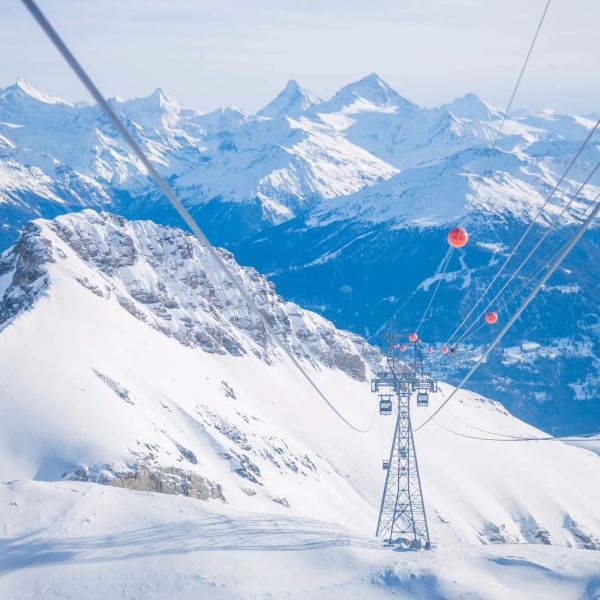
Crans-Montana 2027 World Championships President Resigns Ahead of Fraud Hearing
Less than four months out from the Crans-Montana 2027 World Championships, the man running the organising committee has stepped down. Claude-Alain Schmidhalter resigned as Swiss-Ski vice president and OC president after being indicted over a business dispute unrelated to skiing. He denies the allegations and faces court on October 27. Interim leaders are in place for the February 1-14 event.
9 Oct 2026
Falls Creek Snow Report
Snow Report
Updated 20 Sept 2026
1780m
summit
+0cm
new snow · last 24 hours
Clear4°C / 14°C · NW 11km/h
Snowfall
24 hours
0cm
48 hours
0cm
7 days
0cm
Base depth
8cm
Season total
164cm
Total lifts15
Live open status isn’t available right now.
6 June 2026 - 13 Sept 2026
Hour by Hour
Next 46 hours· Updated Oct 19, 2026 at 6:02 AM
Scroll for the full outlook · Open-Meteo
7-Day Outlook
1,780 mUpdated Oct 19, 2026 at 6:02 AMOpen-Meteo
Days 1–7
0.0cm
Days 8–14
0.0cm
Mon, Oct 19
Overcast
Temp14° / 4°°C
Snow0.0cm
Wind11 km/h NW
Live snow from the resort feed; forecast from Open-Meteo, via Supabase.
Understanding the Falls Creek snow report
Get the latest Falls Creek snow report — real-time snowfall, snow depth, and mountain weather for this Victoria resort, spanning 1400m to 1780m in elevation.
Snow measurements
Base depth, summit depth, and recent snowfall are the core numbers to watch. At Falls Creek, summit conditions (1780m) can differ noticeably from the base, so we break both out separately rather than showing a single average.
Weather conditions
Wind and temperature swings matter as much as fresh snowfall. Cold, calm conditions hold snow quality well, while wind-loading or a warm-up can change things quickly — especially given the elevation spread between Falls Creek's base and summit.
Data sources
Snowfall and depth figures for Falls Creek come from official mountain sources; weather and outlook data comes from independent forecasting services. The mountain is served by 15 lifts, including 7 quad chairlifts.
When to check
Snow reports are typically updated early morning and late afternoon. For the most current conditions, check back regularly, especially if a winter storm is approaching.