
The Overview
Michael Fulton
Melbourne-based skier and snowboarder with 50+ resorts across 5 continents. Specialises in Australian resorts and international resort comparisons.
Pal Arinsal combines two distinct ski sectors — Pal and Arinsal — into a 63-kilometre domain positioned in the La Massana parish on the western side of Andorra, with all skiable terrain running between 1,475m at the base and 2,572m at the summit. The two sectors each carry their own character: Pal offers wider, tree-lined intermediate terrain with scenic wooded runs accessed directly from La Massana by gondola, while the Arinsal sector opens onto a more elongated alpine bowl beneath Pic Alt de la Capa and Pic Negre, with the Marrades descent — Andorra's greatest altitude drop at over 1,000m from top to bottom — running all the way down to the village. The combined 44 runs break down to 16% beginner, 39% intermediate, 36% advanced, and 9% expert terrain, making Pal Arinsal one of the most accessible and family-oriented resorts in the Pyrenees.
Beyond the pistes, the resort has built a compelling off-snow offering including snowshoe trails, snowmobile tours, a freestyle snowpark with beginner, intermediate, and expert lines, and a winter bike park regarded as one of the most technically demanding in southern Europe. The resort's Nord Pass also provides access to the separate Ordino Arcalís domain, Andorra's most committed freeride destination, giving multi-day visitors a natural extension to their skiing. For families in particular, the resort's Children's Garden learning area, après-kids programming, and dedicated snow garden for 4 to 8-year-olds make Pal Arinsal a sound choice for first-time ski holidays.
1097m
Vertical
44
Runs
63 km
Piste
4m
Annual snow
Nord Pass
Pass
The Terrain
44 runs across 63 km of piste
Arinsal Pal is a two-sided ski area in western Andorra, linking the Pal and Arinsal sectors with 63 kilometres of piste over 44 runs, from 1,475 metres to 2,572 metres. The 1,097-metre vertical delivers real length, and the grading is balanced but with a serious edge: 39% intermediate, 36% advanced, 16% beginner and 9% expert. A cable car at Coll de la Botella connects the two valleys, so the day can start on either side and finish on the other. It is a smaller, calmer area than the big Andorran names, with queues usually short.
Arinsal is the steeper face, where the slopes under Pic Alt de la Capa and Pic Negre throw up moguls and black pitches, and the long Marrades descent runs nearly the full vertical back to the village. Pal is friendlier, with wide tree-lined pistes that suit intermediates and children. Les Fonts, reached from either side, mixes blues, reds and blacks. Off-piste skiing exists on the upper bowls, but it is best done with a guide. This resort suits families, confident intermediates and skiers wanting variety in a compact area.
Terrain split
44
runs
44 runs across 4 grades
Beginner7 runs · 16%
Intermediate17 runs · 39%
Advanced16 runs · 36%
Expert4 runs · 9%
Time it right
When to visit Arinsal Pal
Pal Arinsal operates from early December through to early April, with the 2025/26 season running from 3 December 2025 to 5 April 2026. The resort sits above 1,475m at its lowest point, with the core service area around Comallempla at 1,950m, giving the upper terrain genuine snow reliability through a typical Pyrenean winter. Average annual snowfall sits at 3.78m, and the current season has already recorded a base of 230cm at the mountain mid-station with 43cm falling in the past seven days — solid figures that reflect the principality's consistent snowfall pattern driven by Atlantic moisture systems moving across the Pyrenees from the west.
January and February are reliably the coldest months with the best natural snow conditions, though March historically produces the deepest snowpack across the upper bowl terrain. The snowmaking system covering 25 kilometres of piste provides critical early-season coverage, ensuring the resort can open on schedule regardless of natural conditions. The tree-lined runs in the Pal sector offer an additional advantage in variable conditions, holding snow better than exposed open faces and remaining skiable through warmer periods when higher, wind-exposed terrain deteriorates more quickly.
Season 2026 - 2027
5 Dec 2026
Opens
4 Apr 2027
Closes
120
Days open
4 m
Annual snow
Getting there
Getting to Arinsal Pal, and where to stay
Pal Arinsal sits in the La Massana parish in the northwest of Andorra, with the Arinsal village access point approximately 10 kilometres from the capital, Andorra la Vella, via the CG-5 road. The Pal sector gondola departs from the centre of La Massana — Andorra's second-largest town — just 6 kilometres from the capital, making Pal Arinsal the most conveniently located of Andorra's three ski resorts for visitors based in or around Andorra la Vella. Free ski bus services connect both sectors with La Massana throughout the season, and free parking is available at each base area, reducing the logistical friction common at resorts without direct valley access.
The two primary international gateways are Barcelona El Prat Airport in Spain, approximately three hours south via the Túnel del Cadí, and Toulouse-Blagnac Airport in France, roughly two to three hours north. Perpignan, Carcassonne, Girona, and Lleida-Alguaire airports provide further options for travellers from across Europe, with private transfers and scheduled coach services operating into La Massana from each. The nearby capital, Andorra la Vella, provides a full range of accommodation, the Caldea thermal spa complex — one of Europe's largest — and duty-free retail along Avinguda Meritxell, making the area function as a genuine destination beyond the ski season.
Where to stay
Search all stays →Hotels and lodges near Arinsal Pal, powered by Stay22.
Latest News
From the SnowStash desk

Vermont Ski Resort Opening Dates 2026-27: Few Dates Set, Killington Waits on the Cold
Vermont's season is slow to take shape. Stratton is tentatively targeting 18 November and Sugarbush 21 November, while Pico has Friday 11 December on the calendar. Killington never sets a date and opens when the snowmaking allows, and Vail Resorts has yet to name days for Stowe, Okemo and Mount Snow. The forecasts disagree about snow, and the main El Niño worry for the Green Mountains is warmth.
9 Oct 2026
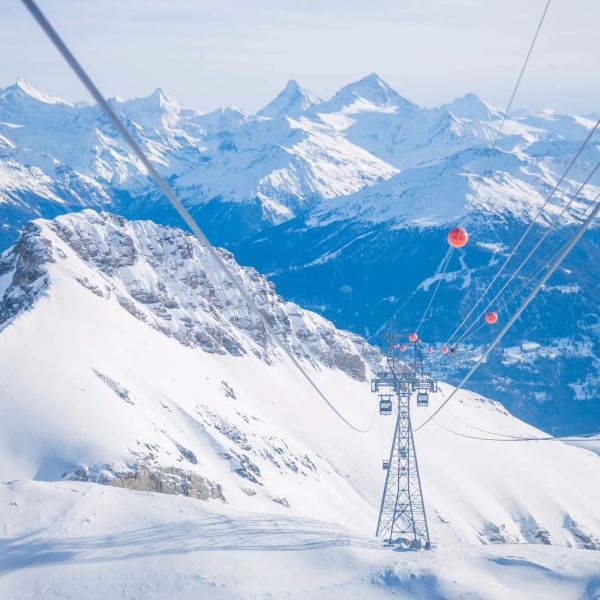
Crans-Montana 2027 World Championships President Resigns Ahead of Fraud Hearing
Less than four months out from the Crans-Montana 2027 World Championships, the man running the organising committee has stepped down. Claude-Alain Schmidhalter resigned as Swiss-Ski vice president and OC president after being indicted over a business dispute unrelated to skiing. He denies the allegations and faces court on October 27. Interim leaders are in place for the February 1-14 event.
9 Oct 2026
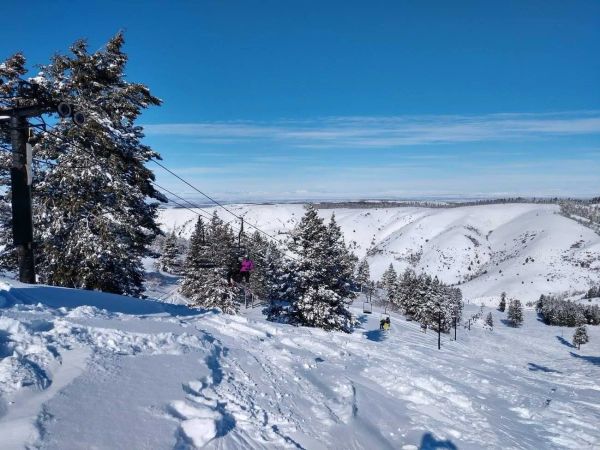
Kelly Canyon, Idaho, Adds Snowmaking, a Bigger Terrain Park and More Parking for 2026-27
Kelly Canyon had a rough 2025-26, and the Idaho resort has spent the summer making sure it doesn’t repeat. Snowmaking now reaches the top of Goldrush, the terrain park is doubling in size with a stereo system, lights and a snack shack, and the car park is getting bigger. Grooming is stepping up too. Target opening is December 4, conditions permitting.
9 Oct 2026
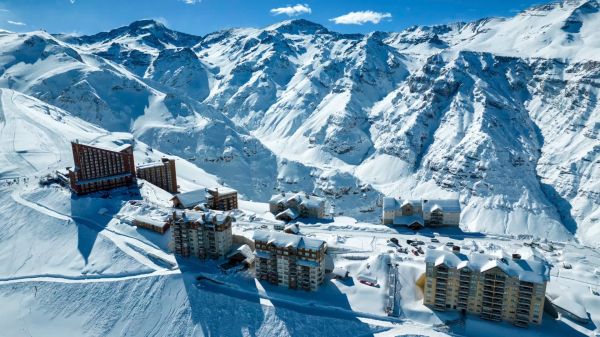
Valle Nevado Extends Season to November 8 After 108 cm in 48 Hours
Winter was meant to be winding down in Chile. Then Valle Nevado took 108 cm in 48 hours in early October, and the resort has pushed its closing date out to November 8 - its latest in 38 years of operation. That makes 143 days of skiing since opening day on June 19, with 690 cm banked for the season. Only part of the mountain is running while the storm settles, so check the mountain report before you plan a trip.
9 Oct 2026
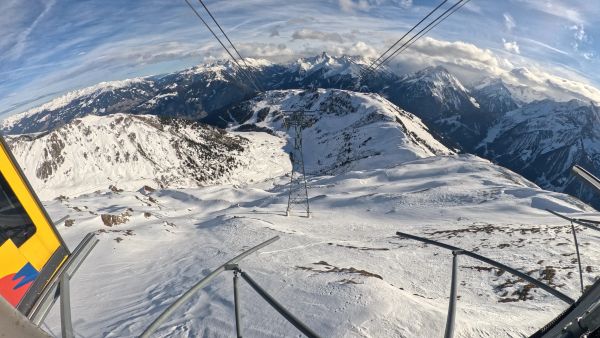
Alps Snow Forecast: Cold Front Brings Thursday Snow to the High Alps
The Alps look a lot more like winter today, for a day or so. A cold front is moving west to east, dropping up to 35 cm on high glaciers and peaks, with snow levels falling to around 1,500-1,800 m at times. Don’t plan a trip around it: mid-elevation snow will be thin and wet, every area is closed bar a limited Sölden glacier opening tomorrow, and warmer weather returns by Monday.
8 Oct 2026
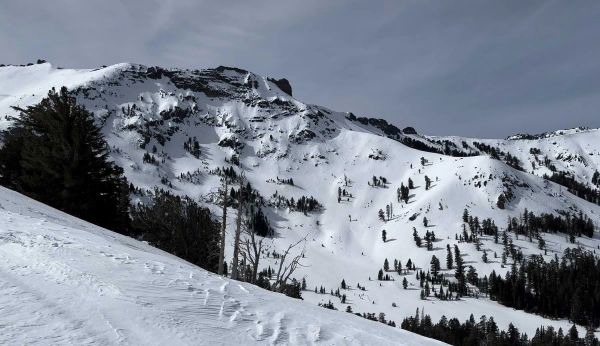
California Ski Resort Opening Dates 2026-27: Mammoth Leads, Tahoe Follows
Mammoth Mountain is first up in California, targeting Friday 13 November after a dusting of September snow. Heavenly and Northstar follow on 20 November, Palisades Tahoe on Wednesday 25 November and Sugar Bowl on 27 November, with Kirkwood on 4 December and June Mountain on 19 December. Plenty of smaller areas have no date yet. A super El Niño favours the Sierra, but a warmer storm track is the catch.
7 Oct 2026
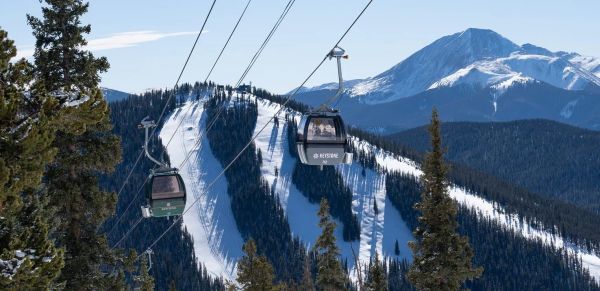
Colorado Ski Resort Opening Dates 2026-27: A-Basin and Keystone Race to Be First
Arapahoe Basin, Keystone and Winter Park are all chasing an October start, though none has a firm date yet. The first dated openers are Breckenridge and Copper on Friday 6 November, then Vail on 13 November, with most of the rest bunched around US Thanksgiving. Hesperus did not open at all last season. A super El Niño offers hope but no guarantee, and forecasters say the southern mountains have the better odds.
5 Oct 2026
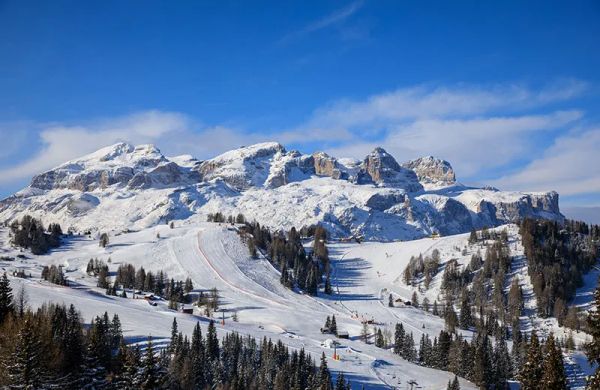
Dolomiti Superski 2026-27: Four New Gondolas, New Reservoirs and an €89 Peak Day Pass
Dolomiti Superski is spending around €100 million across its 12 areas before winter. Kronplatz gets a new 10-passenger gondola with a middle station, 3 Zinnen gets Helmissimo, and Val di Fassa swaps a chairlift for a gondola above Col Valvacin. New water-storage basins and upgraded snowmaking follow, and construction has started on the San Martino to Passo Rolle link. A peak adult day pass is €89.
4 Oct 2026