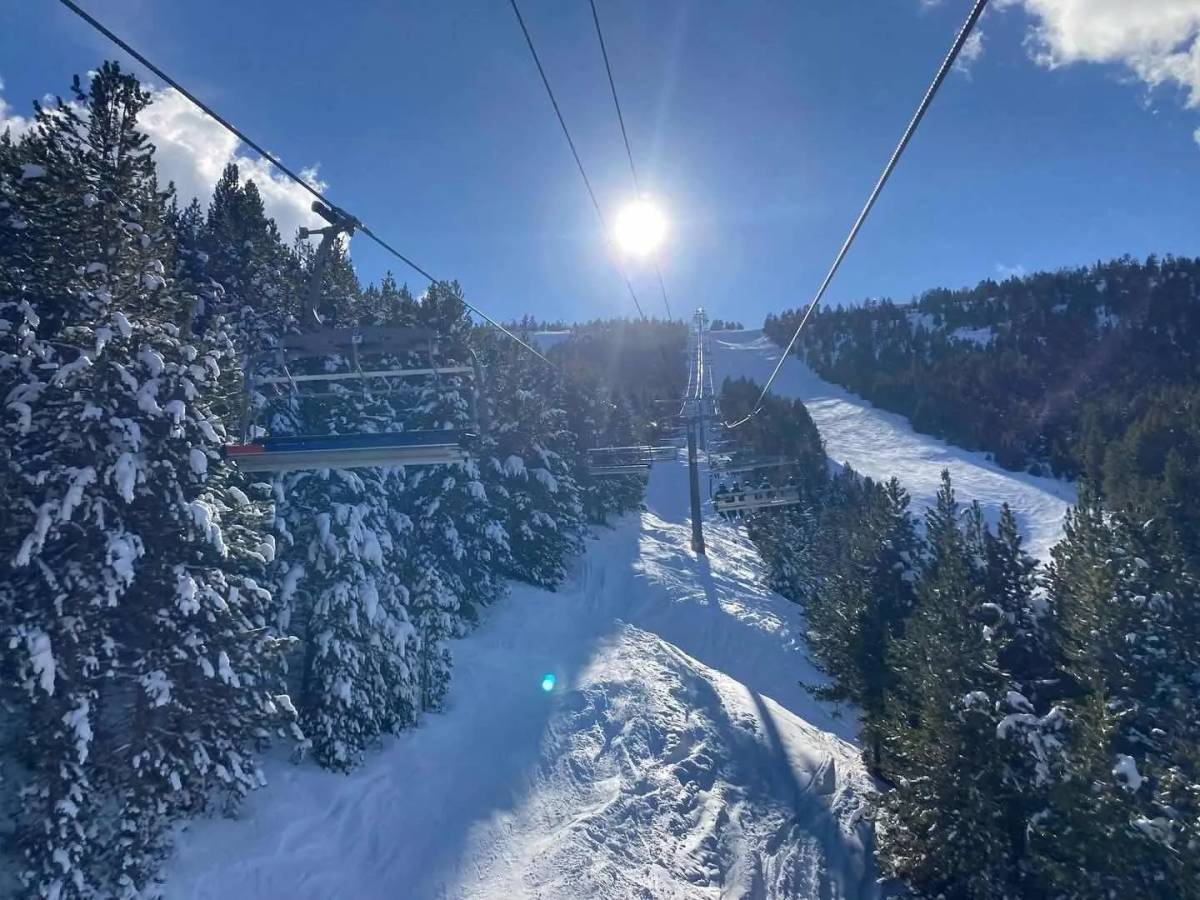
Arinsal Pal
Pal Arinsal: 63km of slopes across two linked sectors, 1,475–2,572m. Family-friendly skiing 10km from Andorra la Vella.

Season 2026 - 2027
Opens
5 Dec 2026
Closes
4 Apr 2027
Days open
120
Annual snow
1.6m
The Overview
Michael Fulton
Melbourne-based skier and snowboarder with 50+ resorts across 5 continents. Specialises in Australian resorts and international resort comparisons.
Pal Arinsal combines two distinct ski sectors — Pal and Arinsal — into a 63-kilometre domain positioned in the La Massana parish on the western side of Andorra, with all skiable terrain running between 1,475m at the base and 2,572m at the summit. The two sectors each carry their own character: Pal offers wider, tree-lined intermediate terrain with scenic wooded runs accessed directly from La Massana by gondola, while the Arinsal sector opens onto a more elongated alpine bowl beneath Pic Alt de la Capa and Pic Negre, with the Marrades descent — Andorra's greatest altitude drop at over 1,000m from top to bottom — running all the way down to the village. The combined 44 runs break down to 16% beginner, 39% intermediate, 36% advanced, and 9% expert terrain, making Pal Arinsal one of the most accessible and family-oriented resorts in the Pyrenees.
Beyond the pistes, the resort has built a compelling off-snow offering including snowshoe trails, snowmobile tours, a freestyle snowpark with beginner, intermediate, and expert lines, and a winter bike park regarded as one of the most technically demanding in southern Europe. The resort's Nord Pass also provides access to the separate Ordino Arcalís domain, Andorra's most committed freeride destination, giving multi-day visitors a natural extension to their skiing. For families in particular, the resort's Children's Garden learning area, après-kids programming, and dedicated snow garden for 4 to 8-year-olds make Pal Arinsal a sound choice for first-time ski holidays.
1097m
Vertical
44
Runs
63 km
Piste
1.6m
Annual snow
Nord Pass
Pass
The Terrain
44 runs across 63 km of piste
Arinsal Pal is a two-sided ski area in western Andorra, linking the Pal and Arinsal sectors with 63 kilometres of piste over 44 runs, from 1,475 metres to 2,572 metres. The 1,097-metre vertical delivers real length, and the grading is balanced but with a serious edge: 39% intermediate, 36% advanced, 16% beginner and 9% expert. A cable car at Coll de la Botella connects the two valleys, so the day can start on either side and finish on the other. It is a smaller, calmer area than the big Andorran names, with queues usually short.
Arinsal is the steeper face, where the slopes under Pic Alt de la Capa and Pic Negre throw up moguls and black pitches, and the long Marrades descent runs nearly the full vertical back to the village. Pal is friendlier, with wide tree-lined pistes that suit intermediates and children. Les Fonts, reached from either side, mixes blues, reds and blacks. Off-piste skiing exists on the upper bowls, but it is best done with a guide. This resort suits families, confident intermediates and skiers wanting variety in a compact area.
Terrain split
44
runs
44 runs across 4 grades
Beginner7 runs · 16%
Intermediate17 runs · 39%
Advanced16 runs · 36%
Expert4 runs · 9%
Time it right
When to visit Arinsal Pal
Pal Arinsal operates from early December through to early April, with the 2025/26 season running from 3 December 2025 to 5 April 2026. The resort sits above 1,475m at its lowest point, with the core service area around Comallempla at 1,950m, giving the upper terrain genuine snow reliability through a typical Pyrenean winter. Average annual snowfall sits at 3.78m, and the current season has already recorded a base of 230cm at the mountain mid-station with 43cm falling in the past seven days — solid figures that reflect the principality's consistent snowfall pattern driven by Atlantic moisture systems moving across the Pyrenees from the west.
January and February are reliably the coldest months with the best natural snow conditions, though March historically produces the deepest snowpack across the upper bowl terrain. The snowmaking system covering 25 kilometres of piste provides critical early-season coverage, ensuring the resort can open on schedule regardless of natural conditions. The tree-lined runs in the Pal sector offer an additional advantage in variable conditions, holding snow better than exposed open faces and remaining skiable through warmer periods when higher, wind-exposed terrain deteriorates more quickly.
Season 2026 - 2027
5 Dec 2026
Opens
4 Apr 2027
Closes
120
Days open
1.6 m
Annual snow
The record
Historical snowfall at Arinsal Pal
Daily snow reports at Arinsal Pal go back to 2017, 10 winters on the books. Open the record to compare winters, lifts and piste.
70 cm
Snowiest day
10 Dec 2021
18 cm
This winter · 2026-27
so far
159 cm
Typical winter
average of complete seasons
Winter totals
cm
Past wintersThis winter
Getting there
Getting to Arinsal Pal, and where to stay
Pal Arinsal sits in the La Massana parish in the northwest of Andorra, with the Arinsal village access point approximately 10 kilometres from the capital, Andorra la Vella, via the CG-5 road. The Pal sector gondola departs from the centre of La Massana — Andorra's second-largest town — just 6 kilometres from the capital, making Pal Arinsal the most conveniently located of Andorra's three ski resorts for visitors based in or around Andorra la Vella. Free ski bus services connect both sectors with La Massana throughout the season, and free parking is available at each base area, reducing the logistical friction common at resorts without direct valley access.
The two primary international gateways are Barcelona El Prat Airport in Spain, approximately three hours south via the Túnel del Cadí, and Toulouse-Blagnac Airport in France, roughly two to three hours north. Perpignan, Carcassonne, Girona, and Lleida-Alguaire airports provide further options for travellers from across Europe, with private transfers and scheduled coach services operating into La Massana from each. The nearby capital, Andorra la Vella, provides a full range of accommodation, the Caldea thermal spa complex — one of Europe's largest — and duty-free retail along Avinguda Meritxell, making the area function as a genuine destination beyond the ski season.
Where to stay
Search all stays →Stays map loads when you scroll here
Hotels and lodges near Arinsal Pal, powered by Stay22.
Latest News
From the SnowStash desk
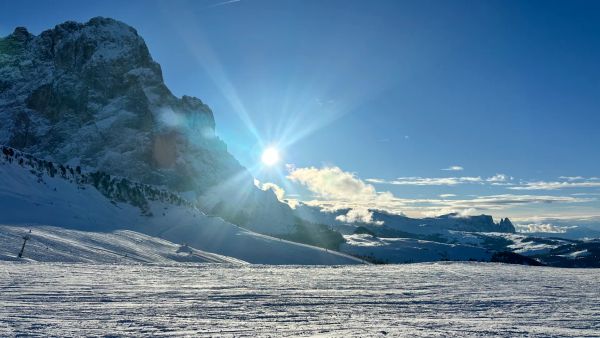
Val Gardena to Alpe di Siusi Lift Link Back in Play After Court Ruling
The Val Gardena-Alpe di Siusi lift link isn’t dead after all. A South Tyrol court has overturned Santa Cristina’s rejection of the new Monte Pana-Saltria link on procedural grounds, after the council skipped required public information sessions. Opponents want the missing sessions held and a fresh vote, and nothing has been approved. For now it’s still a bus between the two, but a plan first floated in 2017 is back in the conversation.
8 Nov 2026
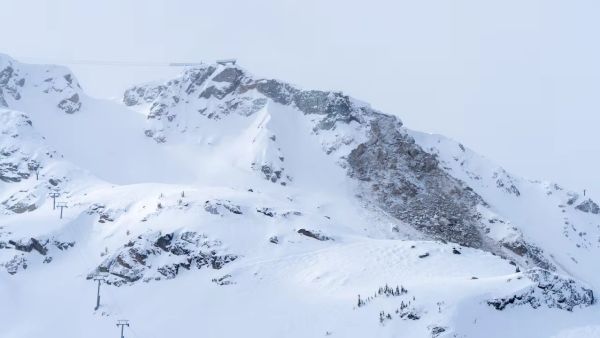
Whistler Blackcomb Rockslide Zone Stays Closed Through 2026-27 Season
A section of Whistler Peak terrain will stay closed all 2026-27 season, Vail Resorts has confirmed, with rockslide mitigation work continuing into summer 2027. Peak Express is still expected to run this winter, but locals are already arguing about what’s actually off limits, whether the Whistler Bowl is gone, and why the news landed after pass sales wound down. Here’s where things stand.
7 Nov 2026
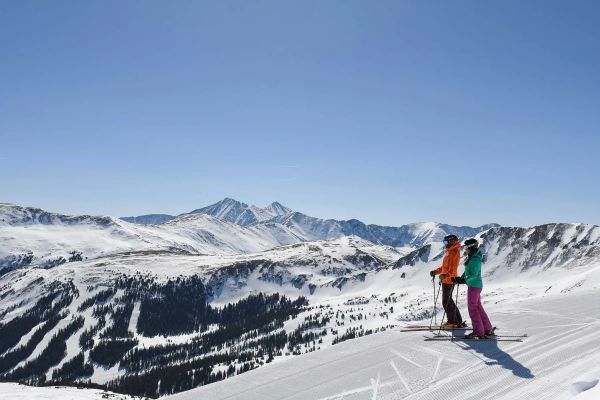
Loveland Ski Area Opens for 2026-27 and Marks 60 Years of Snowmaking
Loveland is open. The Colorado ski area started Chet’s Dream turning on Saturday 7 November to kick off 2026-27, with $60 adult lift tickets to mark 60 years of snowmaking. Expect three runs, nearly 1,000 vertical feet (about 300 metres) of top-to-bottom skiing, live music on the Basin Patio and no beginner terrain yet. Here’s what’s open, what it costs and when Loveland Valley follows.
7 Nov 2026
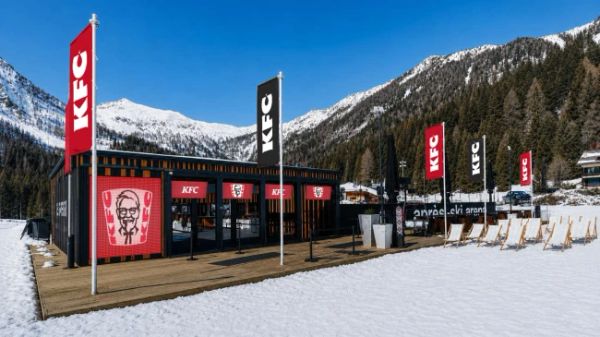
KFC Is Coming to the Slopes at Cortina and Madonna di Campiglio
Fried chicken is heading up the Dolomites. From 5 December KFC will run two restaurants on the slopes - one at 2,123 metres at Cortina, one at 1,700 metres at Madonna di Campiglio - and the polenta-and-canederli crowd has opinions. Local politicians, conservation groups and plenty of Facebook commenters are calling it a step too far, while others just want a cheaper lunch. Here’s what’s on the menu and what’s the fuss.
5 Nov 2026
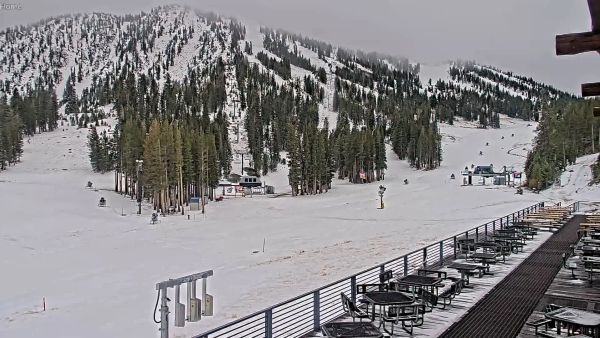
Mt Rose Aims to Open First in Tahoe on November 6
Mt Rose is going for the first-in-Tahoe title, with the Lakeview Express due to spin at 9 a.m. on Friday, November 6. One main lift, three runs and plenty of snowmaking, sitting on the highest base elevation in the region at 8,260 ft. Here is what is open, what is not (sorry, tubing fans), and how the early North American openings are stacking up.
4 Nov 2026
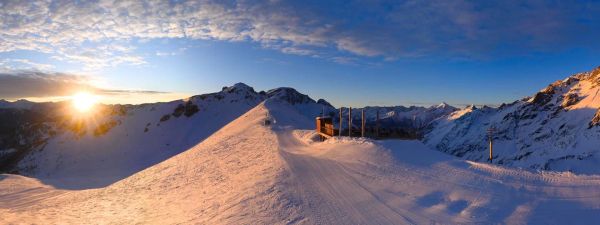
Europe Snow Forecast: Serre Chevalier Leads With 82 cm Over the Next 10 Days
Europe has had a quiet start to November, but our 10-day forecast has Serre Chevalier on 82 cm and Les 2 Alpes on 71 cm. Two pushes are lined up: a western Alps top-up from Friday, then a bigger, wider system on Thursday, November 12 and Friday, November 13 that reaches Italy and Switzerland. Full leaderboard inside.
4 Nov 2026
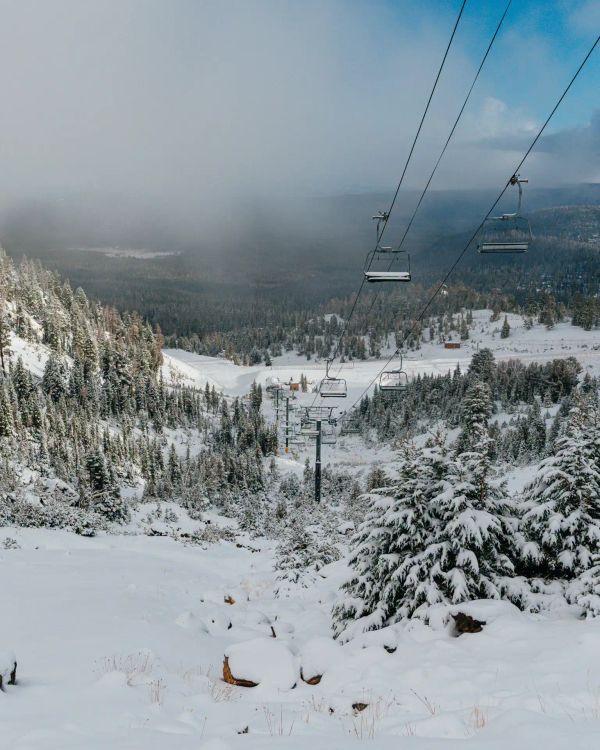
Mammoth Mountain Opens Early on November 5 With Up to 33 Inches of Snow in the Forecast
Mammoth just moved opening day forward to Thursday, November 5, eight days ahead of schedule. A snowy weekend and cold snowmaking nights did the work, and our forecast shows up to 33 inches more landing on November 13 and 14. Here is what opens, what the weather looks like and where Mammoth sits among the early Ikon Pass openers.
3 Nov 2026

Utah Snow Storm Builds Early-Season Base Ahead of November Openings
Rain down low, snow up high, and a snow report full of zeros that mostly means ‘not updated yet’. Utah’s first proper storm of 2026-27 is rolling through the Wasatch, Snowbird’s snow stake is closing in on 10 inches, and Brian Head is five days from opening day. Early November snow rarely looks like much, but it is the layer every November opening date is built on. Here is where it stands.
1 Nov 2026
Arinsal Pal Snow Report
Snow Report
Updated 14 Nov 2026
2572m
summit
+1cm
new snow · last 24 hours
Clear-2°C / 2°C · W 17km/h
Snowfall
24 hours
1cm
48 hours
1cm
7 days
8cm
Base depth
0cm
Season total
18cm
Typical winter 159cm
Total lifts31
Live open status isn’t available right now.
5 Dec 2026 - 4 Apr 2027
Hour by Hour
Next 48 hours· Updated Nov 15, 2026 at 4:02 AM
Scroll for the full outlook · Open-Meteo
7-Day Outlook
2,353 mUpdated Nov 15, 2026 at 4:02 AMOpen-Meteo
Days 1–7
0.8cm
Days 8–14
14cm
Sun, Nov 15
Light Drizzle
Temp2° / -2°°C
Snow0.0cm(28%)
Wind17 km/h W
Live snow from the resort feed; forecast from Open-Meteo, via Supabase.
Understanding the Arinsal Pal snow report
Get the latest Arinsal Pal snow report — real-time snowfall, snow depth, and mountain weather for this Andorra resort, spanning 1475m to 2572m in elevation.
Snow measurements
Our snow reports measure snowfall in centimeters over multiple time windows — last 24 hours, last 7 days, and the season total. Base depth reflects accumulation at the 1475m base area, while summit depth captures conditions 1097m higher at 2572m, where snow typically stays colder and lingers longer. Imperial conversions are shown alongside for convenience.
Weather conditions
Current weather conditions affect snow quality. Cold temperatures with low wind typically preserve snow quality, while warm temperatures or rain can impact conditions negatively — something worth watching closely at Arinsal Pal's 1475m base elevation, where temperatures run milder than the summit.
Data sources
Snowfall and depth figures for Arinsal Pal come from official mountain sources; weather and outlook data comes from independent forecasting services. The mountain is served by 31 lifts, including an aerial tram and 6 quad chairlifts.
When to check
The biggest swings usually happen right after a storm. Check Arinsal Pal's report in the morning for the freshest numbers, and again in the afternoon as conditions evolve.