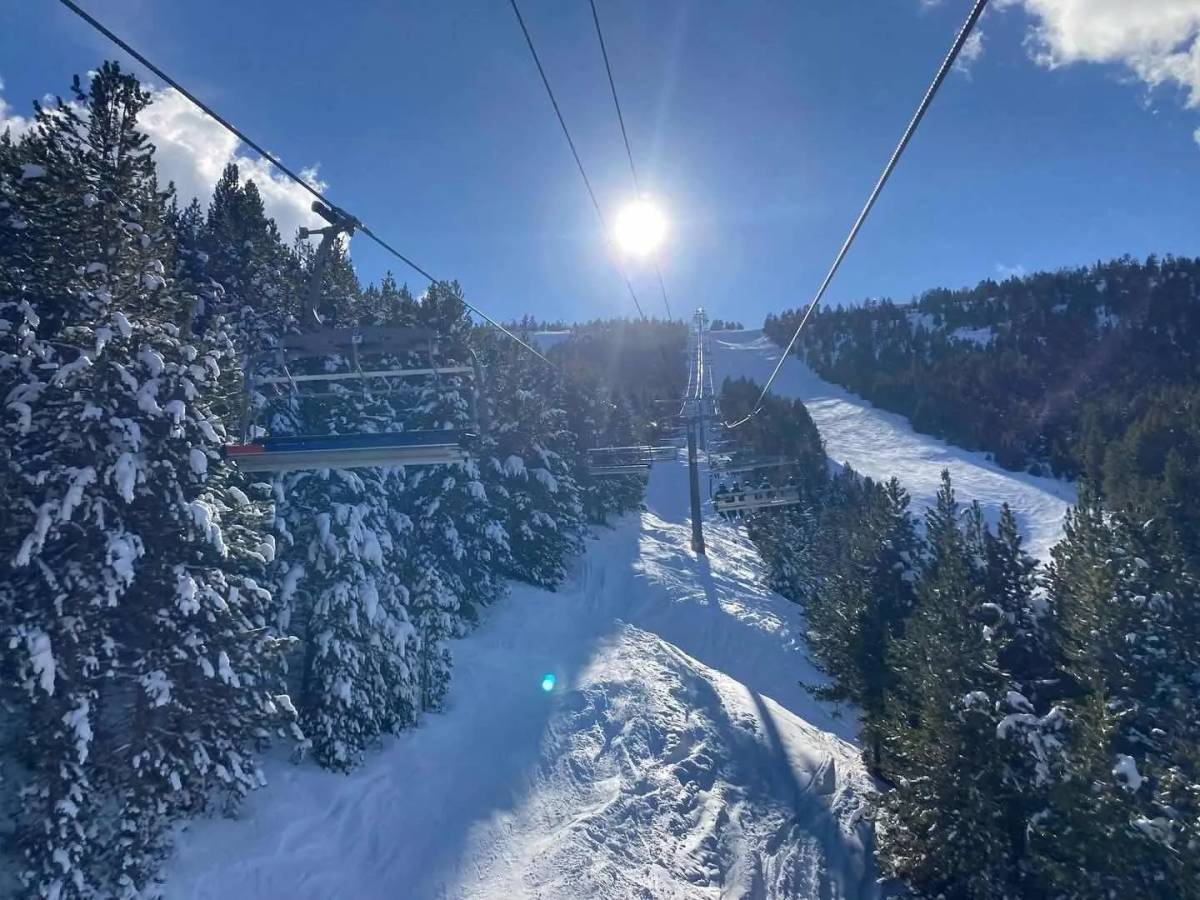
Arinsal Pal
Pal Arinsal: 63km of slopes across two linked sectors, 1,475–2,572m. Family-friendly skiing 10km from Andorra la Vella.

Current Conditions→
Season 2026 - 2027
Opens
5 Dec 2026
Closes
4 Apr 2027
Days open
120
Annual snow
1.6m
The Overview
Michael Fulton
Melbourne-based skier and snowboarder with 50+ resorts across 5 continents. Specialises in Australian resorts and international resort comparisons.
Pal Arinsal combines two distinct ski sectors — Pal and Arinsal — into a 63-kilometre domain positioned in the La Massana parish on the western side of Andorra, with all skiable terrain running between 1,475m at the base and 2,572m at the summit. The two sectors each carry their own character: Pal offers wider, tree-lined intermediate terrain with scenic wooded runs accessed directly from La Massana by gondola, while the Arinsal sector opens onto a more elongated alpine bowl beneath Pic Alt de la Capa and Pic Negre, with the Marrades descent — Andorra's greatest altitude drop at over 1,000m from top to bottom — running all the way down to the village. The combined 44 runs break down to 16% beginner, 39% intermediate, 36% advanced, and 9% expert terrain, making Pal Arinsal one of the most accessible and family-oriented resorts in the Pyrenees.
Beyond the pistes, the resort has built a compelling off-snow offering including snowshoe trails, snowmobile tours, a freestyle snowpark with beginner, intermediate, and expert lines, and a winter bike park regarded as one of the most technically demanding in southern Europe. The resort's Nord Pass also provides access to the separate Ordino Arcalís domain, Andorra's most committed freeride destination, giving multi-day visitors a natural extension to their skiing. For families in particular, the resort's Children's Garden learning area, après-kids programming, and dedicated snow garden for 4 to 8-year-olds make Pal Arinsal a sound choice for first-time ski holidays.
1097m
Vertical
44
Runs
63 km
Piste
1.6m
Annual snow
Nord Pass
Pass
The Terrain
44 runs across 63 km of piste
Arinsal Pal is a two-sided ski area in western Andorra, linking the Pal and Arinsal sectors with 63 kilometres of piste over 44 runs, from 1,475 metres to 2,572 metres. The 1,097-metre vertical delivers real length, and the grading is balanced but with a serious edge: 39% intermediate, 36% advanced, 16% beginner and 9% expert. A cable car at Coll de la Botella connects the two valleys, so the day can start on either side and finish on the other. It is a smaller, calmer area than the big Andorran names, with queues usually short.
Arinsal is the steeper face, where the slopes under Pic Alt de la Capa and Pic Negre throw up moguls and black pitches, and the long Marrades descent runs nearly the full vertical back to the village. Pal is friendlier, with wide tree-lined pistes that suit intermediates and children. Les Fonts, reached from either side, mixes blues, reds and blacks. Off-piste skiing exists on the upper bowls, but it is best done with a guide. This resort suits families, confident intermediates and skiers wanting variety in a compact area.
Terrain split
44
runs
44 runs across 4 grades
Beginner7 runs · 16%
Intermediate17 runs · 39%
Advanced16 runs · 36%
Expert4 runs · 9%
Time it right
When to visit Arinsal Pal
Pal Arinsal operates from early December through to early April, with the 2025/26 season running from 3 December 2025 to 5 April 2026. The resort sits above 1,475m at its lowest point, with the core service area around Comallempla at 1,950m, giving the upper terrain genuine snow reliability through a typical Pyrenean winter. Average annual snowfall sits at 3.78m, and the current season has already recorded a base of 230cm at the mountain mid-station with 43cm falling in the past seven days — solid figures that reflect the principality's consistent snowfall pattern driven by Atlantic moisture systems moving across the Pyrenees from the west.
January and February are reliably the coldest months with the best natural snow conditions, though March historically produces the deepest snowpack across the upper bowl terrain. The snowmaking system covering 25 kilometres of piste provides critical early-season coverage, ensuring the resort can open on schedule regardless of natural conditions. The tree-lined runs in the Pal sector offer an additional advantage in variable conditions, holding snow better than exposed open faces and remaining skiable through warmer periods when higher, wind-exposed terrain deteriorates more quickly.
Season 2026 - 2027
5 Dec 2026
Opens
4 Apr 2027
Closes
120
Days open
1.6 m
Annual snow
The record
Historical snowfall at Arinsal Pal
Daily snow reports at Arinsal Pal go back to 2017, 10 winters on the books. Open the record to compare winters, lifts and piste.
70 cm
Snowiest day
10 Dec 2021
28 cm
This winter · 2026-27
so far
159 cm
Typical winter
average of complete seasons
Winter totals
cm
Past wintersThis winter
Getting there
Getting to Arinsal Pal, and where to stay
Pal Arinsal sits in the La Massana parish in the northwest of Andorra, with the Arinsal village access point approximately 10 kilometres from the capital, Andorra la Vella, via the CG-5 road. The Pal sector gondola departs from the centre of La Massana — Andorra's second-largest town — just 6 kilometres from the capital, making Pal Arinsal the most conveniently located of Andorra's three ski resorts for visitors based in or around Andorra la Vella. Free ski bus services connect both sectors with La Massana throughout the season, and free parking is available at each base area, reducing the logistical friction common at resorts without direct valley access.
The two primary international gateways are Barcelona El Prat Airport in Spain, approximately three hours south via the Túnel del Cadí, and Toulouse-Blagnac Airport in France, roughly two to three hours north. Perpignan, Carcassonne, Girona, and Lleida-Alguaire airports provide further options for travellers from across Europe, with private transfers and scheduled coach services operating into La Massana from each. The nearby capital, Andorra la Vella, provides a full range of accommodation, the Caldea thermal spa complex — one of Europe's largest — and duty-free retail along Avinguda Meritxell, making the area function as a genuine destination beyond the ski season.
Where to stay
Search all stays →Stays map loads when you scroll here
Hotels and lodges near Arinsal Pal, powered by Stay22.
Latest News
From the SnowStash desk
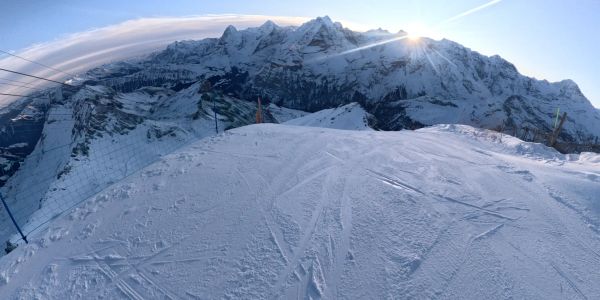
Swiss Avalanche Danger Hits Level 4 From Valais to Glarus
Level 4 of 5 avalanche danger is forecast for Monday 23 November from the Valais Alps to the Glarus Alps, and the SLF says to skip ski touring for now. Engelberg, Leukerbad and the Wildhorn are all on the list, while snow on the Bernina pass sent cars sliding off the road and shut it for two hours on Sunday. Early-season snow is welcome, but it is also what is loading the slopes. Here is where the danger sits and what to do about it.
23 Nov 2026
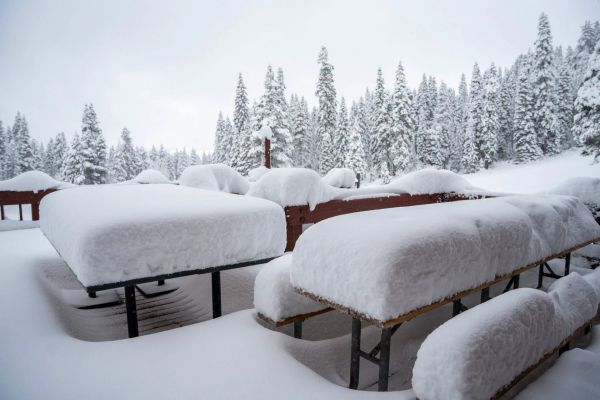
California Storm Cycle Delivers 86 Inches at Sugar Bowl and Pulls Openings Forward
A run of storms, including an atmospheric river, has buried the Sierra Nevada, with Sugar Bowl recording 86 inches (218 cm) between 14 and 20 November. Resorts across California and Nevada have pulled opening days forward after a dismal last winter. Here is what fell, who is open this weekend and what the forecast brings before Thanksgiving.
22 Nov 2026
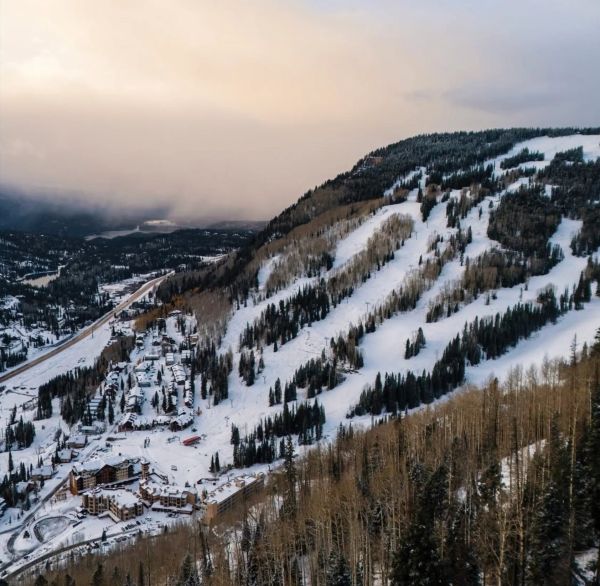
Purgatory Reveals Seven New Trails and a Colorado Couloir Chairlift Opening in December
Purgatory’s new trail map reads like a warning label. Seven new trails named after Dante’s Divine Comedy arrive with the Colorado Couloir chairlift in December, adding around 40 acres (16 ha) of steep pitches and gladed tree skiing. Five of them are black or double black. The resort opens for the season this Friday, 20 November.
19 Nov 2026
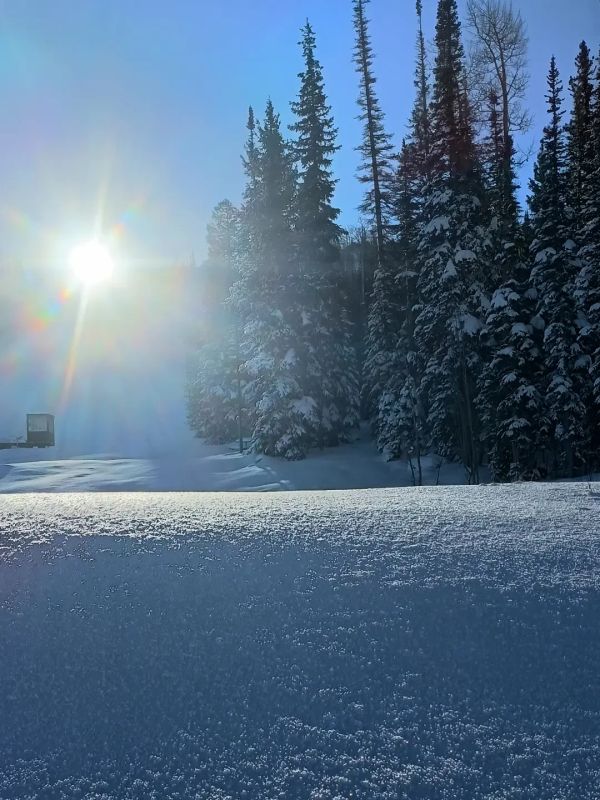
Brian Head Becomes First Utah Resort to Open for 2026-27, With Six Trails and a New Snowmaking Pipeline
Utah’s ski season has started, and it began in the south. Brian Head opened on Tuesday, 17 November, with six trails on the Navajo Express after 14 inches (36 cm) of storm snow and another half foot on opening day. It is the second year running the resort has beaten the rest of the state to first chair, and it has put nearly $1 million into a new snowmaking pipeline that can run 24 guns at once.
19 Nov 2026
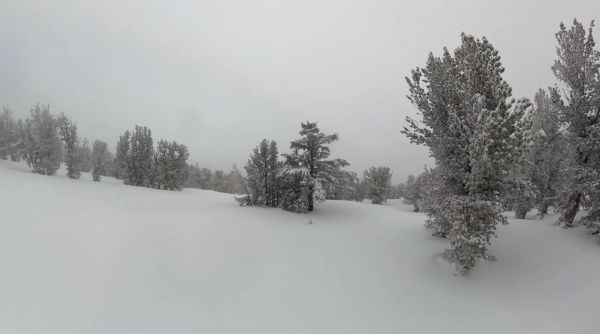
Heavenly and Northstar Open Friday as Lake Tahoe Snow Stacks Up, With Kirkwood Eyeing an Early Start
Tahoe has gone from dry to deep in a week. Heavenly and Northstar open this Friday, 20 November, with up to 24 inches (61 cm) already down at Kirkwood and 50+ inches (127 cm) in the 10-day forecast. Kirkwood normally waits until December, but this snow might change that. Heavenly is even talking about opening Stagecoach in Nevada early, which almost never happens this soon.
18 Nov 2026
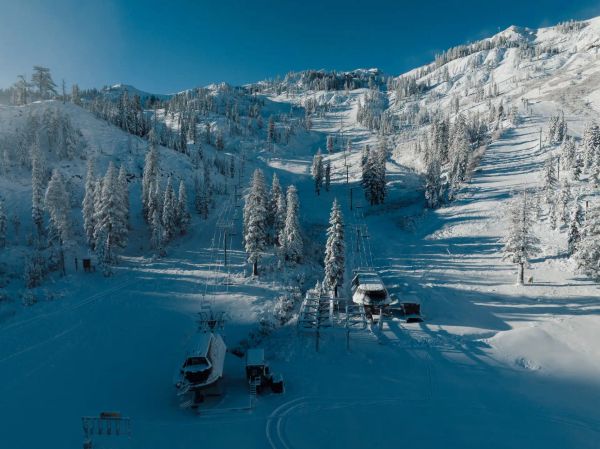
Palisades Tahoe Opens Saturday, Four Days Early, After 26 Inches of New Snow
Palisades Tahoe has pulled its opening forward by four days. Lifts spin this Saturday, 21 November, after 26 inches (66 cm) of new snow, with up to 50 more in the forecast. Opening terrain includes Treeline Cirque at Alpine and Gold Coast and Sunkid 1 at Palisades, though the resort says the weather could change the plan. Tickets are $99 through Tuesday.
18 Nov 2026
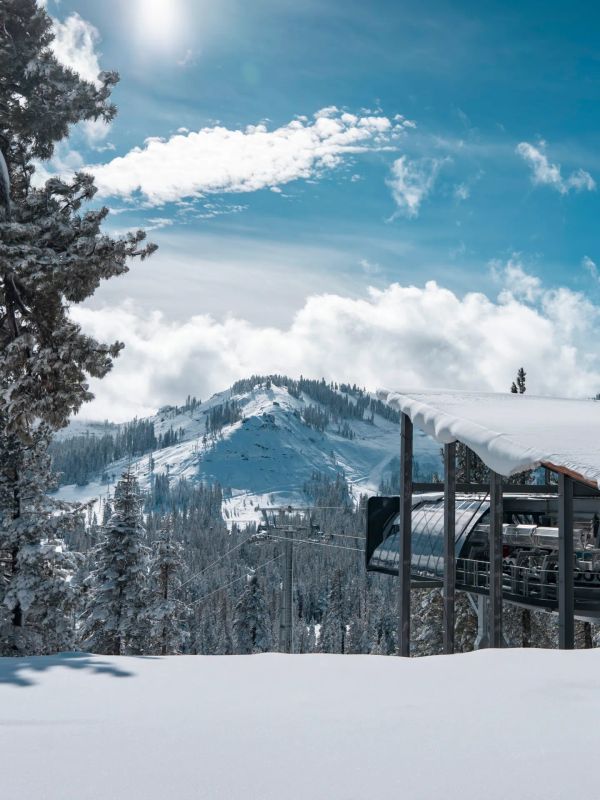
Sugar Bowl Gondola Slips to January 2027 as Opening Day Holds
Sugar Bowl still opens on 27 November, just without its new gondola. The eight-passenger Village Gondola is now targeting January 2027, with all eight towers up, the haul rope on and the first cabin hanging. Until it runs, everyone gets in through the Main Lodge, with curbside drop-off and parking lot shuttles. It replaces the first gondola in the western US, which dates from 1953.
16 Nov 2026
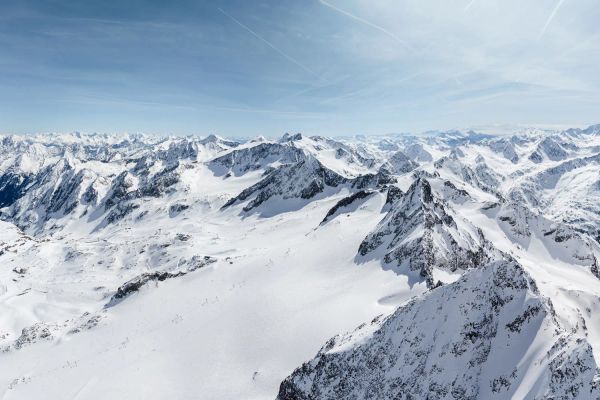
Stubai Glacier Avalanche Ends in Austria’s First Death of the Season
A 72-year-old American skier has died on Stubai Glacier after a small slab avalanche carried him over rocky ground and into a 20-metre crevasse. It is Austria’s first avalanche death of the 2026-27 season, and forecasters had flagged this exact setup two days earlier. Here is what happened near the Daunscharte, and what the snowpack was already telling anyone who was reading it.
15 Nov 2026
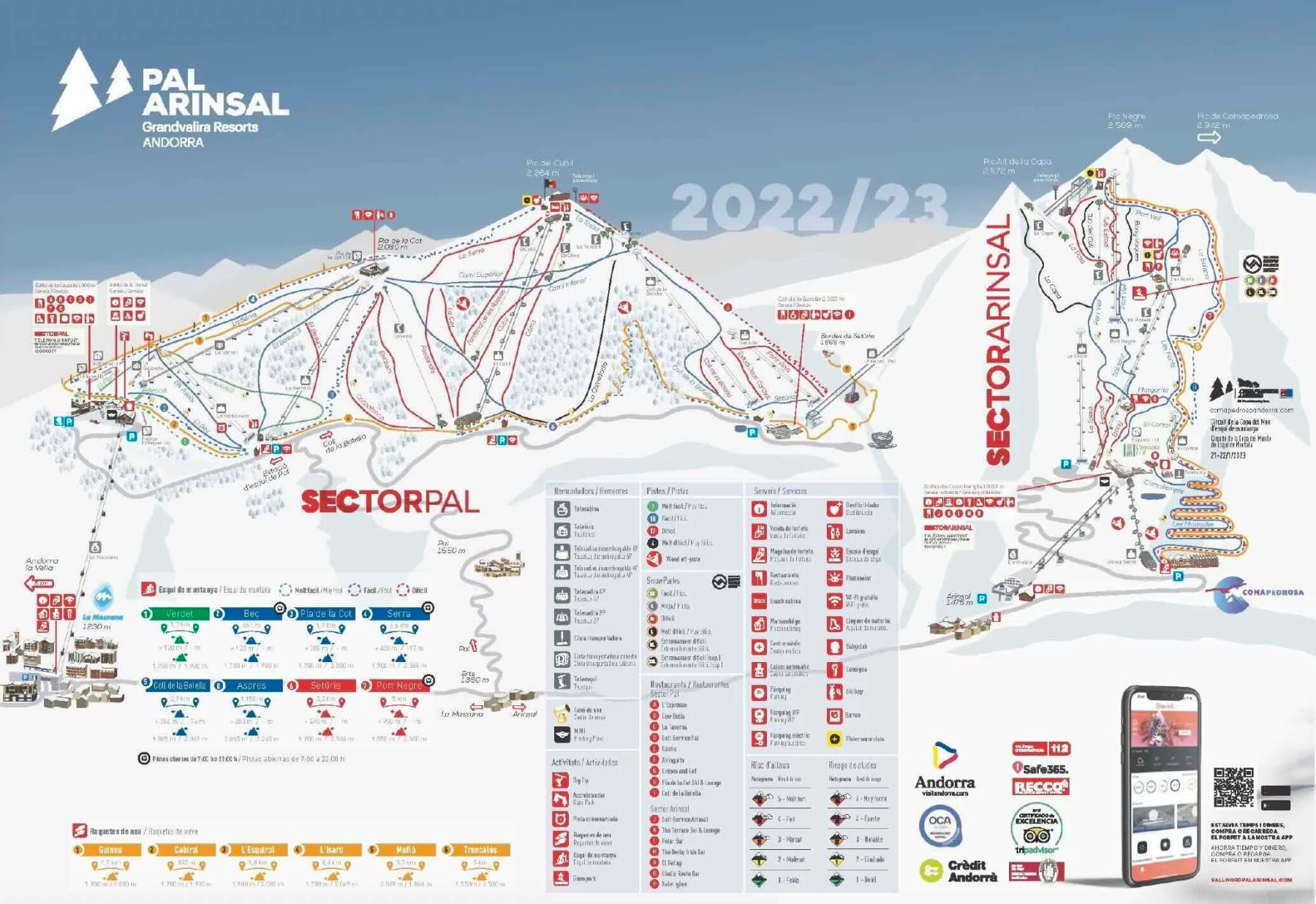
Arinsal Pal Trail Map
Live Arinsal Pal trail map
Loading trail map...
Downloadable Arinsal Pal trail map
Terrain split
44
runs
Beginner16%
Intermediate39%
Advanced36%
Expert9%
63 km of piste
Resort Stats
Elevation
Base1475m
Summit2572m
Annual snowfall
1.6m
Season
2026 - 2027
5 Dec 2026 - 4 Apr 2027
Trail coverage
44 runs
63 km
About Arinsal Pal's trail map
Explore Arinsal Pal's full trail map with 44 runs across the mountain, colour-coded by difficulty and shown alongside the terrain split. Use it to plan a day that matches your ability, find lift-served pockets of your favourite grade, and see how the resort links together. Download the piste map (PDF) ↗
More Arinsal Pal intelligence: snow report, lift system, webcams, resort overview.