
The Overview
Michael Fulton
Melbourne-based skier and snowboarder with 50+ resorts across 5 continents. Specialises in Australian resorts and international resort comparisons.
Kaunertal Glacier is one of Austria's highest and most snow-reliable ski areas, spanning 2,150m to 3,113m across 55km of pistes and 36km of marked ski routes deep in the Tyrolean Alps. The resort is home to the Black Ibex — Austria's steepest groomed slope — with a gradient of 87.85%, steeper than the Mausefalle at Kitzbühel's famed Streif. The mountain sits on the Austrian-Italian border, with three summits exceeding 3,000m and a 360-degree viewing platform at the Karlesjoch that sweeps across Austria, Italy and Switzerland.
The glacier terrain is predominantly above the treeline, set in a wide north-facing bowl that preserves snow quality throughout an exceptionally long season. A single lift pass covers both the glacier ski area and the family-focused Fendels resort further down the valley, as well as the Feichten village lift — making the combined offering well suited to mixed-ability groups. Despite the calibre of the skiing, lift queues remain rare, a consequence of the resort's deliberately remote setting.
963m
Vertical
27
Runs
55 km
Piste
5m
Annual snow
Tyrol Pass
Pass
The Terrain
27 runs across 55 km of piste
Kaunertal Glacier sits between 2,150 and 3,113 metres, so its 27 runs and 55 kilometres of piste lie entirely above the treeline. The 963-metre vertical is split evenly between 41% beginner and 41% intermediate terrain, with 18% advanced and none graded expert. A wide, north-facing bowl preserves snow into a long season, and the Weißseejochbahn lifts skiers to 3,044 metres beneath the 3,535-metre Weißseespitze, which keeps the upper mountain open and uncluttered. Everything here is high, groomed and wide, with no forested descents to break up the day.
The standout piste is the Black Ibex, a groomed pitch with a gradient of 87.85%, steeper than the Mausefalle on Kitzbühel's Streif. Off-piste is the other draw: the area has 36 kilometres of ski routes and a free Pistenbully shuttle to the Nörderjoch, from where a freeride descent drops 1,100 vertical metres to Fernergries. Queues are rare, but those lines are serious glacier terrain, so a guided descent such as the Glacier Safari is the sensible choice for anyone unfamiliar with the conditions.
Terrain split
27
runs
27 runs across 4 grades
Beginner11 runs · 41%
Intermediate11 runs · 41%
Advanced5 runs · 18%
Expert0 runs · 0%
Time it right
When to visit Kaunertal Glacier
Kaunertal Glacier operates from early October through to late May, one of the longest guaranteed seasons of any ski area in the Austrian Alps. The 2025–26 season runs from 3 October 2025 to 25 May 2026, with the glacier elevation and north-facing orientation delivering consistent natural snow across the full season window. Annual snowfall averages 5 metres, and the resort's position above 2,150m means snow quality holds well into spring when lower-altitude areas have long since closed.
The extended spring period draws a dedicated crowd of freestylers and freestylers to the Snowpark Kaunertal, with the annual Spring Classics event a fixture on the Austrian freestyle calendar. The combination of reliable snow coverage and minimal lift queues makes mid-season visits particularly rewarding, while October and November openings attract race teams and early-season skiers seeking uncrowded glacier conditions.
Season 2026 - 2027
9 Oct 2026
Opens
17 May 2027
Closes
220
Days open
5 m
Annual snow
Getting there
Getting to Kaunertal Glacier, and where to stay
Kaunertal Glacier sits at the head of the 28km Kaunertal valley in the Landeck district of Tyrol, accessed via the Kaunertal Gletscherstrasse — the fifth-highest paved road in the Alps, climbing 29 hairpin bends to the glacier base at 2,750m. The access road is toll-free for valid lift pass holders. The nearest town with services is Feichten im Kaunertal, 21km below the glacier base, with the regional hub of Prutz a further 11km down the valley at 884m.
Innsbruck Airport is the closest international gateway, approximately 90km to the east via the A12 Inntal Autobahn to the Landeck exit. Train services reach Landeck, from where bus connections run into the valley. Visitors driving from Germany can approach via Füssen or Garmisch to Imst and Landeck. The deliberate remoteness of the location — the Kaunertal road is a toll road for non-skiers — contributes directly to the unhurried atmosphere on the mountain that the resort is known for.
Where to stay
Search all stays →Hotels and lodges near Kaunertal Glacier, powered by Stay22.
Latest News
From the SnowStash desk
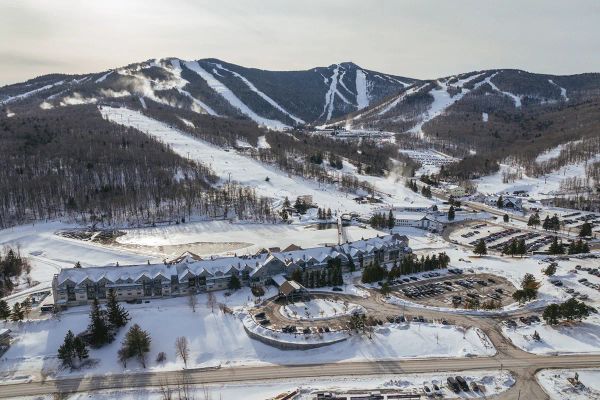
Vermont Ski Resort Opening Dates 2026-27: Few Dates Set, Killington Waits on the Cold
Vermont's season is slow to take shape. Stratton is tentatively targeting 18 November and Sugarbush 21 November, while Pico has Friday 11 December on the calendar. Killington never sets a date and opens when the snowmaking allows, and Vail Resorts has yet to name days for Stowe, Okemo and Mount Snow. The forecasts disagree about snow, and the main El Niño worry for the Green Mountains is warmth.
9 Oct 2026
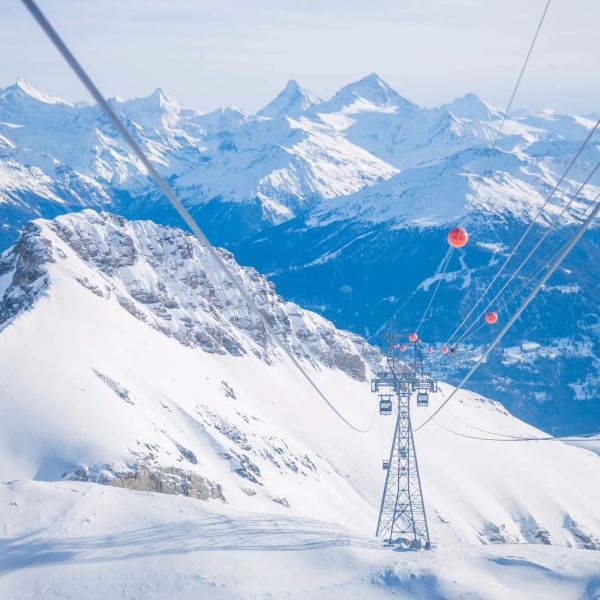
Crans-Montana 2027 World Championships President Resigns Ahead of Fraud Hearing
Less than four months out from the Crans-Montana 2027 World Championships, the man running the organising committee has stepped down. Claude-Alain Schmidhalter resigned as Swiss-Ski vice president and OC president after being indicted over a business dispute unrelated to skiing. He denies the allegations and faces court on October 27. Interim leaders are in place for the February 1-14 event.
9 Oct 2026
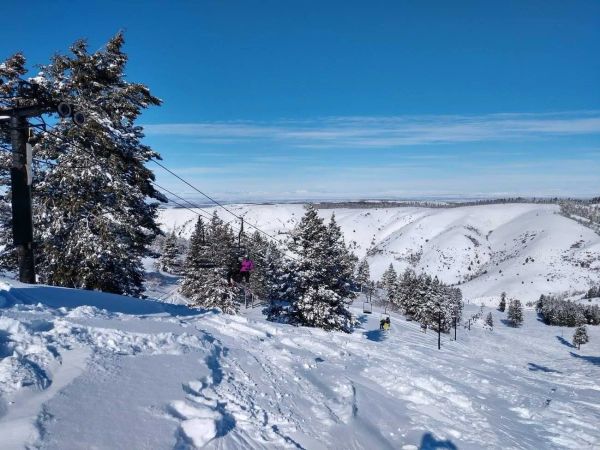
Kelly Canyon, Idaho, Adds Snowmaking, a Bigger Terrain Park and More Parking for 2026-27
Kelly Canyon had a rough 2025-26, and the Idaho resort has spent the summer making sure it doesn’t repeat. Snowmaking now reaches the top of Goldrush, the terrain park is doubling in size with a stereo system, lights and a snack shack, and the car park is getting bigger. Grooming is stepping up too. Target opening is December 4, conditions permitting.
9 Oct 2026
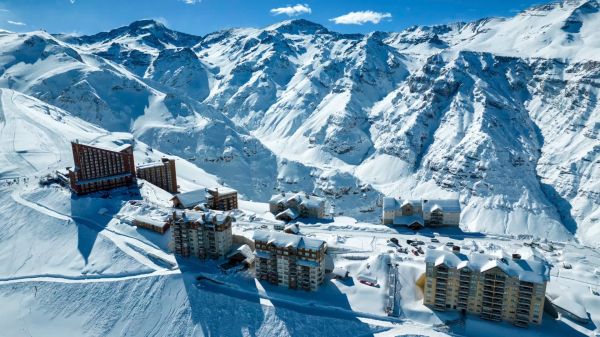
Valle Nevado Extends Season to November 8 After 108 cm in 48 Hours
Winter was meant to be winding down in Chile. Then Valle Nevado took 108 cm in 48 hours in early October, and the resort has pushed its closing date out to November 8 - its latest in 38 years of operation. That makes 143 days of skiing since opening day on June 19, with 690 cm banked for the season. Only part of the mountain is running while the storm settles, so check the mountain report before you plan a trip.
9 Oct 2026
Alps Snow Forecast: Cold Front Brings Thursday Snow to the High Alps
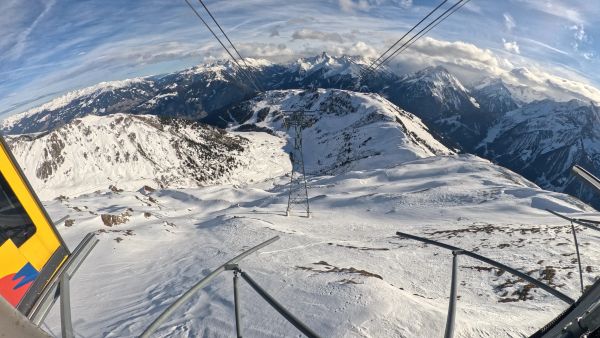
The Alps look a lot more like winter today, for a day or so. A cold front is moving west to east, dropping up to 35 cm on high glaciers and peaks, with snow levels falling to around 1,500-1,800 m at times. Don’t plan a trip around it: mid-elevation snow will be thin and wet, every area is closed bar a limited Sölden glacier opening tomorrow, and warmer weather returns by Monday.
8 Oct 2026
California Ski Resort Opening Dates 2026-27: Mammoth Leads, Tahoe Follows
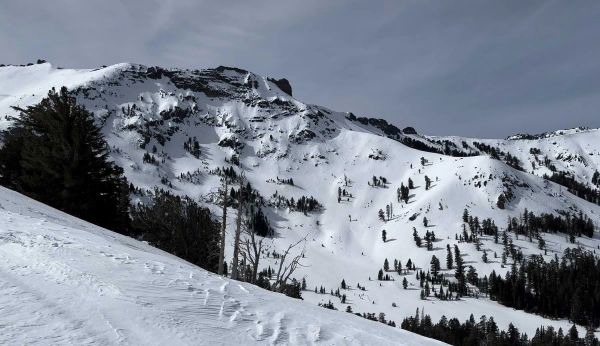
Mammoth Mountain is first up in California, targeting Friday 13 November after a dusting of September snow. Heavenly and Northstar follow on 20 November, Palisades Tahoe on Wednesday 25 November and Sugar Bowl on 27 November, with Kirkwood on 4 December and June Mountain on 19 December. Plenty of smaller areas have no date yet. A super El Niño favours the Sierra, but a warmer storm track is the catch.
7 Oct 2026
Colorado Ski Resort Opening Dates 2026-27: A-Basin and Keystone Race to Be First
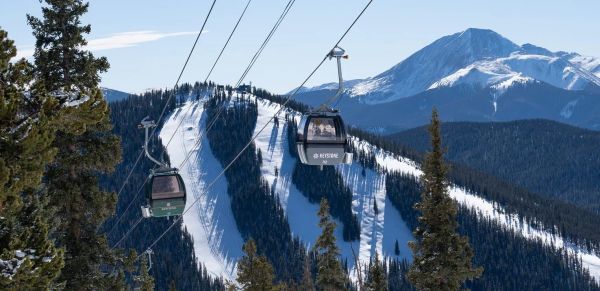
Arapahoe Basin, Keystone and Winter Park are all chasing an October start, though none has a firm date yet. The first dated openers are Breckenridge and Copper on Friday 6 November, then Vail on 13 November, with most of the rest bunched around US Thanksgiving. Hesperus did not open at all last season. A super El Niño offers hope but no guarantee, and forecasters say the southern mountains have the better odds.
5 Oct 2026
Dolomiti Superski 2026-27: Four New Gondolas, New Reservoirs and an €89 Peak Day Pass
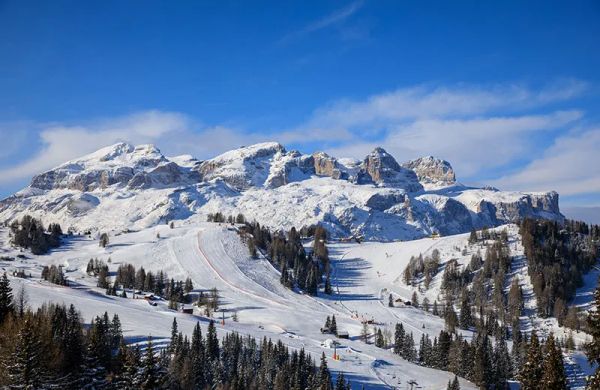
Dolomiti Superski is spending around €100 million across its 12 areas before winter. Kronplatz gets a new 10-passenger gondola with a middle station, 3 Zinnen gets Helmissimo, and Val di Fassa swaps a chairlift for a gondola above Col Valvacin. New water-storage basins and upgraded snowmaking follow, and construction has started on the San Martino to Passo Rolle link. A peak adult day pass is €89.
4 Oct 2026