Obergurgl-Hochgurgl
Two linked ski areas, 112km of pistes and 3,030m peaks in the Ötztal. One of the Alps' first non-glacier resorts to open each November.

Current Conditions→
Season 2026 - 2027
Opens
19 Nov 2026
Closes
18 Apr 2027
Days open
150
Annual snow
4.5m
The Overview
Michael Fulton
Melbourne-based skier and snowboarder with 50+ resorts across 5 continents. Specialises in Australian resorts and international resort comparisons.
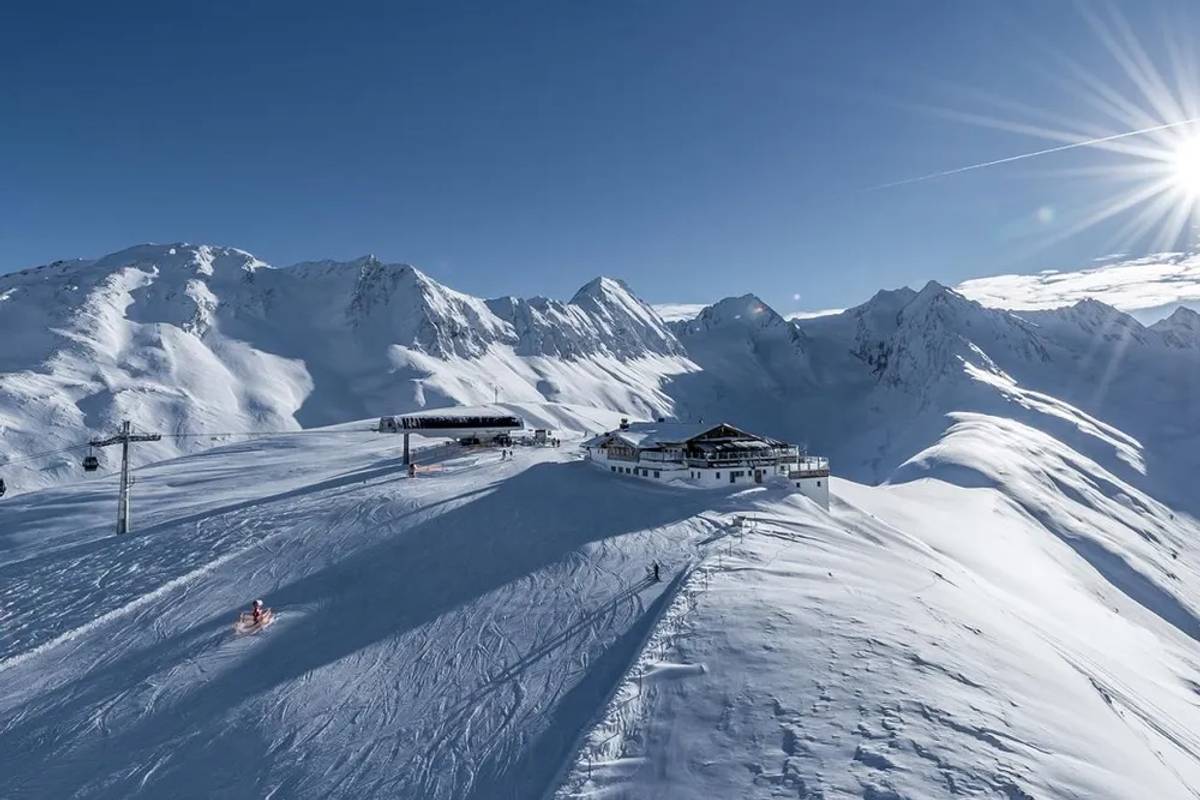
Obergurgl-Hochgurgl sits at the end of the Ötztal valley in Tyrol, combining two linked ski areas across 112km of pistes between 1,793m and 3,030m. The resort consistently opens in mid-November — among the earliest of any non-glacier ski area in the Alps — a product of its position at the head of a dead-end valley that catches snowfall from both northern and southern weather systems. With 25 lifts capable of moving over 43,000 skiers per hour and 21 peaks above 3,000m as the backdrop, the combined ski area offers scale and reliability in equal measure.
The two villages operate as distinct ski areas, each with roughly 56km of slopes, connected by the Top Express gondola — a 3.6km link across the Königstal and Ferwalltal valleys completed in nine minutes. Obergurgl, at 1,930m, carries steeper and more varied terrain including the Hohe Mut sector, regarded as the most challenging in the entire Ötztal. Hochgurgl, based at 2,150m, offers wider, sunnier slopes and the highest lift-accessed point in the combined area at 3,030m. The longest descent — the 8km Wurmkogel run with 1,260m of vertical — links the high terrain above Hochgurgl back to the Obergurgl valley floor.
1237m
Vertical
50
Runs
112 km
Piste
4.5m
Annual snow
Ötztal Super Ski Pass
Pass
The Terrain
50 runs across 112 km of piste
Obergurgl-Hochgurgl links two ski areas through the Top Express gondola, giving 112 kilometres of piste across 50 runs between 1,793 and 3,030 metres. The terrain leans towards easier skiing, with 53% beginner, 29% intermediate and 18% advanced, and no expert-graded pistes. Both areas sit above 2,000 metres for most of the network. On the Hochgurgl side, the Wurmkogel sector reaches the highest lift-accessed point and the Schermerspitze area holds some of the best carving pistes in the valley.
The harder skiing is on the Obergurgl side. Hohe Mut, reached by a two-stage gondola from the village centre, is the most challenging sector in the Ötztal, with red descents that will test timid intermediates and ungroomed terrain around the 2,670-metre summit. Wurmkogl II, piste 11, is a black with a steep, direct fall line that rewards precise turns, and the 8-kilometre Wurmkogel run delivers more than 1,200 metres of vertical. Festkogl above the village is gentler, with blues, reds and a few easy blacks.
Terrain split
50
runs
50 runs across 4 grades
Beginner27 runs · 53%
Intermediate14 runs · 29%
Advanced9 runs · 18%
Expert0 runs · 0%
Time it right
When to visit Obergurgl-Hochgurgl
The 2025–26 season at Obergurgl-Hochgurgl runs from 20 November 2025 to 19 April 2026, one of the longest non-glacier seasons in Austria. The resort's base elevation of 1,793m and summit at 3,030m, combined with average annual snowfall of 4.5 metres, deliver consistent natural coverage from early season through to late April. The valley's dead-end position channels snowfall from both northerly and southerly weather patterns, creating above-average accumulation relative to more exposed Tyrolean resorts.
Snowmaking infrastructure covers the full 112km of pistes, with five on-mountain weather stations managing automated cannon deployment based on temperature and humidity. The season's closing weeks in April attract spring skiers who value uncrowded slopes and well-established snow bases, while the Obergurgl snowpark at the Bruggenboden lift — running two lines and close to 20 obstacles — remains active through the latter part of the season. A three-day or longer Obergurgl-Hochgurgl lift pass also includes access to Sölden and the Hochoetz-Kühtai ski areas under the Ötztal Super Ski Pass arrangement, which covers approximately 360km of piste across 91 lift systems.
Season 2026 - 2027
19 Nov 2026
Opens
18 Apr 2027
Closes
150
Days open
4.5 m
Annual snow
The record
Historical snowfall at Obergurgl-Hochgurgl
Daily snow reports at Obergurgl-Hochgurgl go back to 1996, 31 winters on the books. Open the record to compare winters, lifts and piste.
53 cm
Snowiest day
5 Dec 2020
20 cm
This winter · 2026-27
so far
453 cm
Typical winter
average of complete seasons
Winter totals
cm
Past wintersThis winter
Getting there
Getting to Obergurgl-Hochgurgl, and where to stay
Obergurgl-Hochgurgl occupies the uppermost section of the Ötztal, Austria's longest side valley, with the village of Obergurgl at 1,930m and Hochgurgl at 2,150m. The valley dead-ends above Obergurgl, meaning all traffic arrives and departs via the single Ötztal access road — a characteristic that contributes to the resort's unhurried atmosphere. Sölden lies 20km down the valley, and the Timmelsjoch High Alpine Road connecting Austria and Italy passes through Hochgurgl, though it is closed in winter.
Innsbruck Airport is the nearest international gateway at approximately 90km via the A12 and B186 Ötztal road. Munich Airport is a practical alternative at around 170km, with regular bus connections running directly from both airports into the Ötztal. Train travellers reach Ötztal station on the Innsbruck–Bregenz main line, from where connecting buses serve the valley. The resort's compact layout — over 90% of accommodation sits within 250 metres of a lift — makes car-free visits straightforward once in the valley.
Where to stay
Search all stays →Stays map loads when you scroll here
Hotels and lodges near Obergurgl-Hochgurgl, powered by Stay22.
Latest News
From the SnowStash desk
Sugar Bowl Gondola Slips to January 2027 as Opening Day Holds
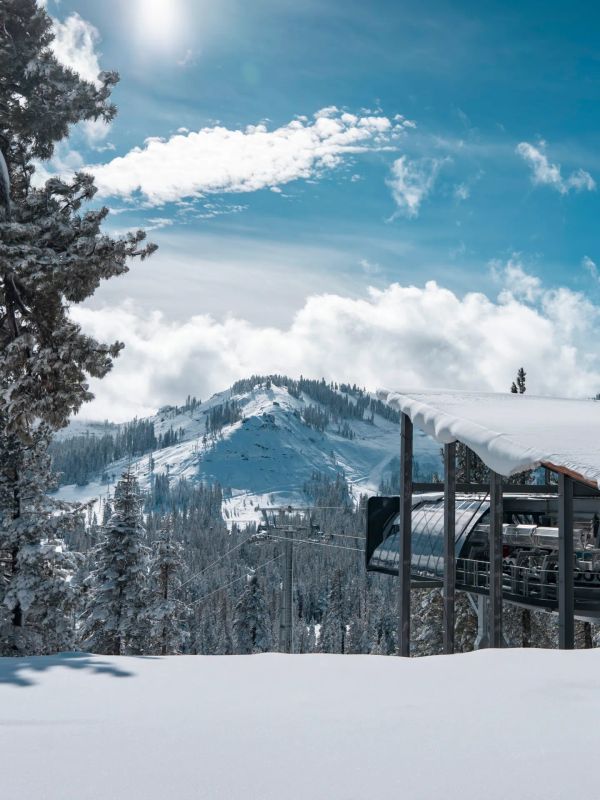
Sugar Bowl still opens on 27 November, just without its new gondola. The eight-passenger Village Gondola is now targeting January 2027, with all eight towers up, the haul rope on and the first cabin hanging. Until it runs, everyone gets in through the Main Lodge, with curbside drop-off and parking lot shuttles. It replaces the first gondola in the western US, which dates from 1953.
16 Nov 2026
Stubai Glacier Avalanche Ends in Austria’s First Death of the Season
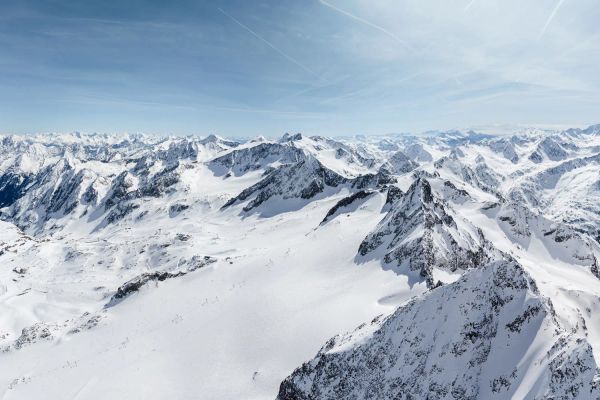
A 72-year-old American skier has died on Stubai Glacier after a small slab avalanche carried him over rocky ground and into a 20-metre crevasse. It is Austria’s first avalanche death of the 2026-27 season, and forecasters had flagged this exact setup two days earlier. Here is what happened near the Daunscharte, and what the snowpack was already telling anyone who was reading it.
15 Nov 2026
Wagrain’s New Grafenbergbahn Gondola Appears in First Photos
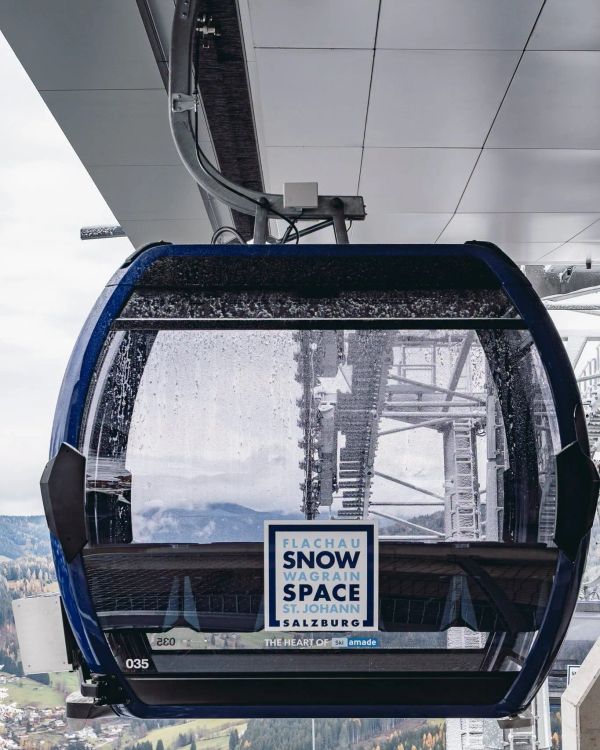
Wagrain’s new Grafenbergbahn is nearly here, and Snow Space Salzburg stamped “no AI” on the first photos, which says plenty about 2026. One 10-person gondola takes over from three old lifts, with 120 cabins moving up to 3,400 people an hour and a mid-station link into the G-Link. Dark blue cabins, fresh snow, no opening date yet.
14 Nov 2026
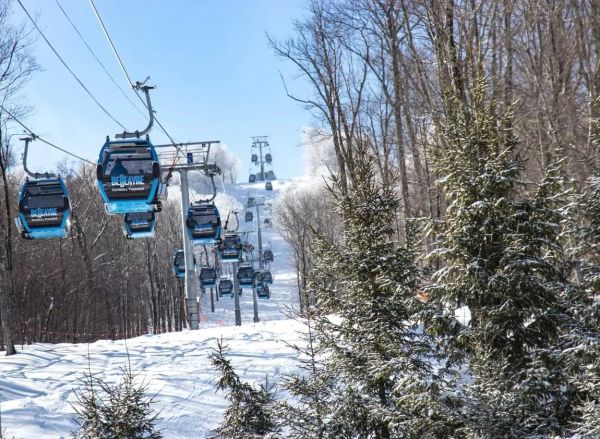
Indy Pass Adds 10 Alpine and 5 Nordic Partners for 2026-27
Indy Pass just got bigger. On 12 November it announced 10 new alpine resorts and 5 Nordic centres for 2026-27, including four in Norway and one in Austria. Three New York State mountains - Whiteface, Gore and Belleayre - also signed on to its Allied Program, with discounted tickets rather than included days. Waitlisted customers are being offered passes, and Learn to Turn news is due this week. Full list inside.
13 Nov 2026
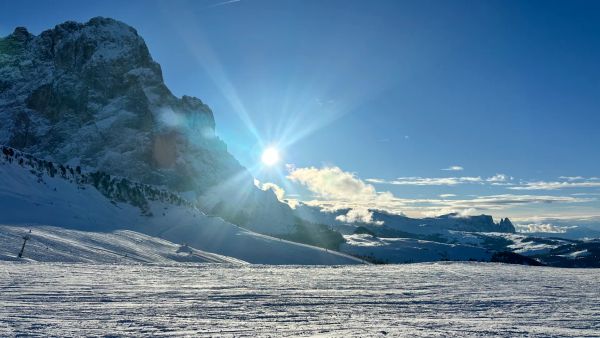
Val Gardena to Alpe di Siusi Lift Link Back in Play After Court Ruling
The Val Gardena-Alpe di Siusi lift link isn’t dead after all. A South Tyrol court has overturned Santa Cristina’s rejection of the new Monte Pana-Saltria link on procedural grounds, after the council skipped required public information sessions. Opponents want the missing sessions held and a fresh vote, and nothing has been approved. For now it’s still a bus between the two, but a plan first floated in 2017 is back in the conversation.
8 Nov 2026
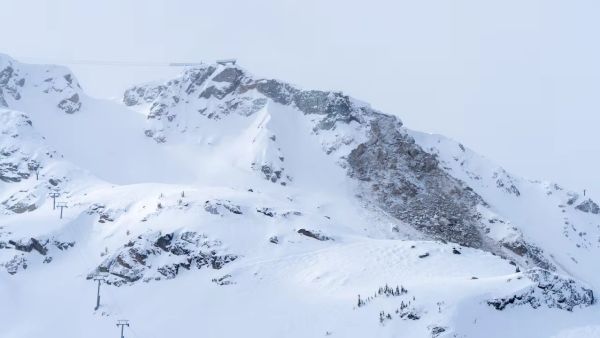
Whistler Blackcomb Rockslide Zone Stays Closed Through 2026-27 Season
A section of Whistler Peak terrain will stay closed all 2026-27 season, Vail Resorts has confirmed, with rockslide mitigation work continuing into summer 2027. Peak Express is still expected to run this winter, but locals are already arguing about what’s actually off limits, whether the Whistler Bowl is gone, and why the news landed after pass sales wound down. Here’s where things stand.
7 Nov 2026
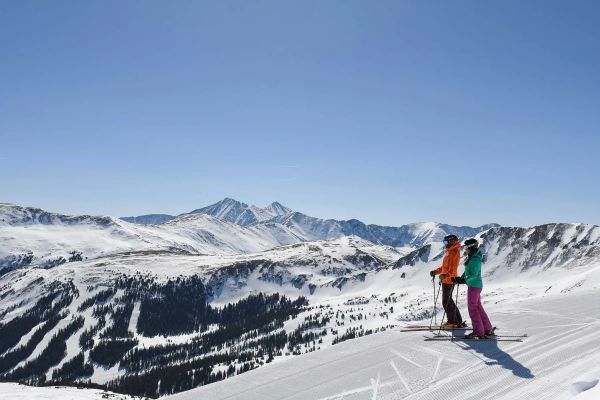
Loveland Ski Area Opens for 2026-27 and Marks 60 Years of Snowmaking
Loveland is open. The Colorado ski area started Chet’s Dream turning on Saturday 7 November to kick off 2026-27, with $60 adult lift tickets to mark 60 years of snowmaking. Expect three runs, nearly 1,000 vertical feet (about 300 metres) of top-to-bottom skiing, live music on the Basin Patio and no beginner terrain yet. Here’s what’s open, what it costs and when Loveland Valley follows.
7 Nov 2026
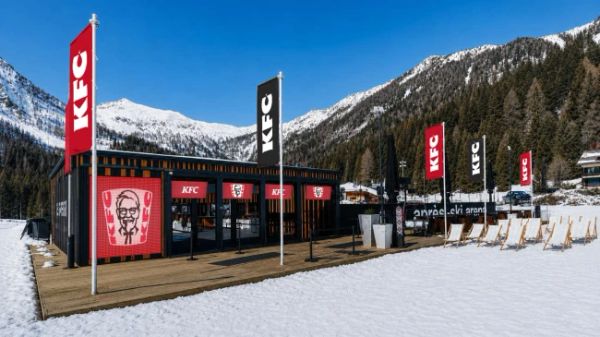
KFC Is Coming to the Slopes at Cortina and Madonna di Campiglio
Fried chicken is heading up the Dolomites. From 5 December KFC will run two restaurants on the slopes - one at 2,123 metres at Cortina, one at 1,700 metres at Madonna di Campiglio - and the polenta-and-canederli crowd has opinions. Local politicians, conservation groups and plenty of Facebook commenters are calling it a step too far, while others just want a cheaper lunch. Here’s what’s on the menu and what’s the fuss.
5 Nov 2026
Obergurgl-Hochgurgl Lift System
Twenty-five lifts serve the Obergurgl-Hochgurgl ski area with a combined uphill capacity exceeding 43,000 skiers per hour. The network is predominantly gondola-based — 11 gondolas in total — supplemented by five quad chairlifts, two six-person chairlifts, six T-bars and one surface lift. Six lifts provide direct access from the valley bases into the ski areas, with the majority of the remaining network operating between 2,000m and 3,030m across both sectors.
The Top Express gondola connects Hochgurgl and Obergurgl in nine minutes, operating as the backbone of the combined ski area and enabling full exploration of both sides in a single day. At the Hochgurgl base, the Top Mountain Crosspoint building at 2,175m houses the valley station of the Kirchenkarbahn gondola alongside the highest motorcycle museum in Europe. Lift queues across the combined ski area are notably minimal relative to resorts of comparable scale in the Austrian Alps.
25lifts across 5 types
11
Gondolas
2
6-Person Chairs
5
Quad Chairs
6
T-Bars
1
Surface Lift
Obergurgl-Hochgurgl lift system
Obergurgl-Hochgurgl is served by 25 lifts, listed here by type. Check which lifts are turning against the live conditions before you plan your first laps - early lifts and high-speed chairs get you to the best snow fastest.
More Obergurgl-Hochgurgl intelligence: trail map, snow report, webcams, resort overview.