
The Overview
Michael Fulton
Melbourne-based skier and snowboarder with 50+ resorts across 5 continents. Specialises in Australian resorts and international resort comparisons.
Pitztal Glacier is Austria's highest glacier ski area, reaching 3,440 metres at the Hinterer Brunnenkogel summit and operating on guaranteed natural snow from September through to May — a season of up to eight months that few ski areas anywhere in the Alps can match. Combined with the adjacent Rifflsee ski area on a single skipass, the two zones cover 68 kilometres of pistes and 30 kilometres of variant descents across 120 hectares of slope area. The terrain is weighted firmly toward experienced skiers: the glacier's open bowls and fall-line runs produce a breakdown of roughly 59% advanced, 25% intermediate and 16% beginner across the glacier zone alone, with the Rifflsee providing a gentler counterpart at up to 2,880 metres for families and progression skiers.
The resort sits at the head of the Pitztal in Tyrol's Imst district, deep in the Ötztal Alps and within close sight of the Wildspitze at 3,774 metres — the highest peak in North Tyrol and Austria's second-highest mountain overall. The Pitztal Wild Face has become a well-established fixture on the Austrian freeride scene, and the glacier's naturally uncrowded character — wide pistes with minimal lift queues even on peak days — makes it a compelling alternative to the heavily trafficked Tyrolean mega-resorts.
The Taschachtal glacier descent is the resort's most spectacular terrain feature: a backcountry variant of over 10 kilometres departing the upper glacier and winding through a vast alpine valley to the Mittelberg funicular base — heli-ski quality terrain accessible on a standard lift ticket.
The full potential vertical across the glacier and these variant descents reaches 1,760 metres, with the core lift-served vertical between the Wildspitzbahn summit and the glacier base delivering a still-substantial 755 metres. The X Park terrain park, a high-altitude cross-country ski trail at the Rifflsee at 2,200 metres, and dedicated freeride zones broaden the resort's appeal across disciplines, and the Cross Park draws national ski and boardercross training squads to the glacier each autumn.
755m
Vertical
20
Runs
40 km
Piste
5m
Annual snow
The Terrain
20 runs across 40 km of piste
Pitztal Glacier starts high and stays there: its 40 kilometres of piste over 20 runs fall just 755 metres, from 3,440 metres at the Hinterer Brunnenkogel to the 2,685-metre base. Three quarters of the terrain is intermediate (75%), with 20% beginner and only 5% advanced, so the skiing is wide, open and forgiving rather than steep. The glacier faces broadly north-east and the Wildspitzbahn cable car, Austria's highest lift, delivers skiers straight to the top, where wide upper slopes catch the morning sun.
The longest and most scenic piste is the red Panorama run, number 28, which extends via runs 29 and 23 into a long, technical descent with views across the surrounding peaks. Stronger skiers and freeriders head for the steep gullies and cirques around Mittagskogel, the sharpest ground in the ski area, and the neighbouring Rifflsee area adds gentler terrain on the same lift pass. Pitztal rewards intermediates chasing altitude and snow reliability far more than those hoping for black runs or a large run count.
Terrain split
20
runs
20 runs across 4 grades
Beginner4 runs · 20%
Intermediate15 runs · 75%
Advanced1 run · 5%
Expert0 runs · 0%
Time it right
When to visit Pitztal Glacier
Pitztal Glacier operates from late September through to early May — among the longest ski seasons of any Austrian resort and considerably longer than the December-to-April windows typical of lower-altitude Tyrolean ski areas. Average annual snowfall is approximately 440 centimetres, with January historically the heaviest month at around 101 centimetres.
The glacier's elevation above 2,685 metres means that base depths routinely exceed three metres by mid-winter, and the predominantly north-facing upper bowls preserve snow quality through the spring period when south-facing terrain at lower resorts deteriorates rapidly. The autumn opening — typically the last week of September — makes Pitztal Glacier one of a small number of on-piste ski areas operating in Europe before October, and the early-season period draws national ski teams and professional athletes to the glacier's groomed training terrain and Cross Park facility.
The shoulder-season months reward careful planning. Early season from late September through November delivers reliable glacier snow but limited lower-mountain terrain until the Rifflsee zone opens in mid-December, roughly doubling the accessible piste kilometres. Late April and May offer spring glacier skiing at its most consistent — firm morning surfaces, long daylight hours and the full lift network still operational.
The one persistent caution at this elevation is visibility: the upper glacier is exposed to rapid weather changes, and poor-visibility days are best redirected to the Rifflsee or Hochzeiger zones lower in the valley. In clear conditions, the panorama from the Wildspitzbahn summit across more than 50 peaks above 3,000 metres is among the finest viewpoints accessible by lift in the Eastern Alps.
Season 2026-2027
26 Sept 2026
Opens
2 May 2027
Closes
218
Days open
5 m
Annual snow
Getting there
Getting to Pitztal Glacier, and where to stay
Pitztal Glacier sits at the head of the Pitztal, a south-running side valley off the Inn Valley in Tyrol's Imst district, with the ski area base at Mittelberg — the highest permanently inhabited settlement in the valley at around 1,736 metres. The nearest major town is St. Leonhard im Pitztal, roughly 11 kilometres down-valley from Mittelberg, which provides the bulk of accommodation, services and après-ski options for glacier visitors.
Innsbruck is approximately 80 kilometres from the valley entrance via the A12 motorway and Route 189 through the Pitztal — a drive of around 75 to 90 minutes to the glacier base. Innsbruck Airport is the most convenient air gateway at approximately 75 minutes from the resort, with Munich, Salzburg, Memmingen and Bolzano all within a three-hour drive.
The Pitztal's position deep in the Ötztal Alps gives it a distinct character from the more accessible and more heavily visited resorts of the central Tyrolean ski corridor. The valley is narrow, the approach road is long, and there is no direct rail access to the glacier — visitors arrive by car or the resort shuttle from the Imst-Pitztal station on the main Innsbruck–Landeck rail line.
This geography functions as a natural filter, drawing a ski-focused visitor demographic willing to make the journey specifically for high-altitude terrain and reliable snow. The villages of Mandarfen, Tieflehn and St. Leonhard provide an authentic Tyrolean valley atmosphere, and the Pitztal remains substantially less developed than neighbouring valleys such as the Ötztal to the east or the Paznauntal to the west — a characteristic that forms a significant part of the glacier's appeal to its regular visitor base.
Where to stay
Search all stays →Hotels and lodges near Pitztal Glacier, powered by Stay22.
Latest News
From the SnowStash desk
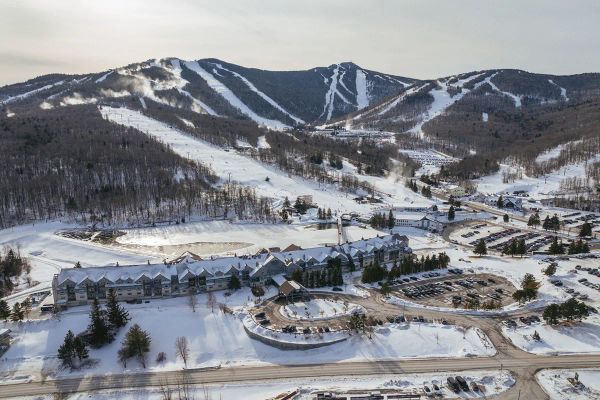
Vermont Ski Resort Opening Dates 2026-27: Few Dates Set, Killington Waits on the Cold
Vermont's season is slow to take shape. Stratton is tentatively targeting 18 November and Sugarbush 21 November, while Pico has Friday 11 December on the calendar. Killington never sets a date and opens when the snowmaking allows, and Vail Resorts has yet to name days for Stowe, Okemo and Mount Snow. The forecasts disagree about snow, and the main El Niño worry for the Green Mountains is warmth.
9 Oct 2026
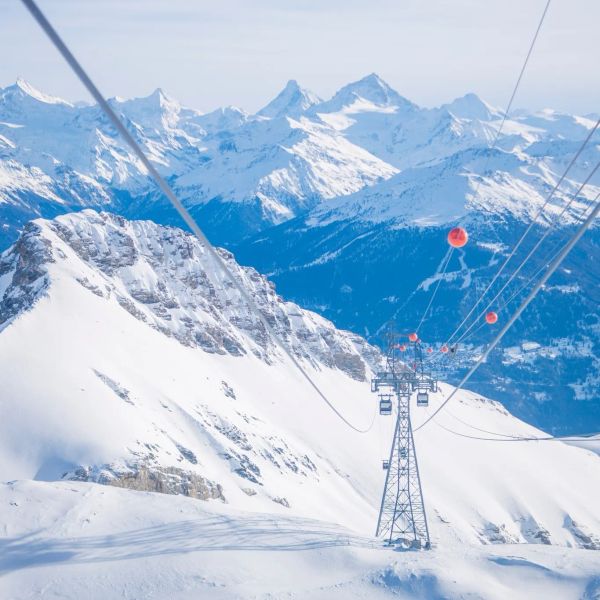
Crans-Montana 2027 World Championships President Resigns Ahead of Fraud Hearing
Less than four months out from the Crans-Montana 2027 World Championships, the man running the organising committee has stepped down. Claude-Alain Schmidhalter resigned as Swiss-Ski vice president and OC president after being indicted over a business dispute unrelated to skiing. He denies the allegations and faces court on October 27. Interim leaders are in place for the February 1-14 event.
9 Oct 2026
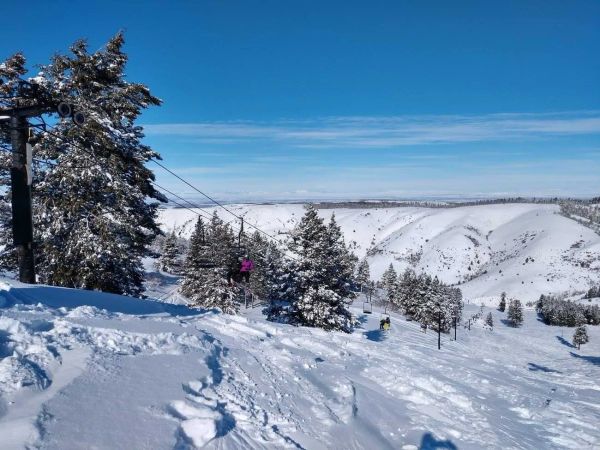
Kelly Canyon, Idaho, Adds Snowmaking, a Bigger Terrain Park and More Parking for 2026-27
Kelly Canyon had a rough 2025-26, and the Idaho resort has spent the summer making sure it doesn’t repeat. Snowmaking now reaches the top of Goldrush, the terrain park is doubling in size with a stereo system, lights and a snack shack, and the car park is getting bigger. Grooming is stepping up too. Target opening is December 4, conditions permitting.
9 Oct 2026
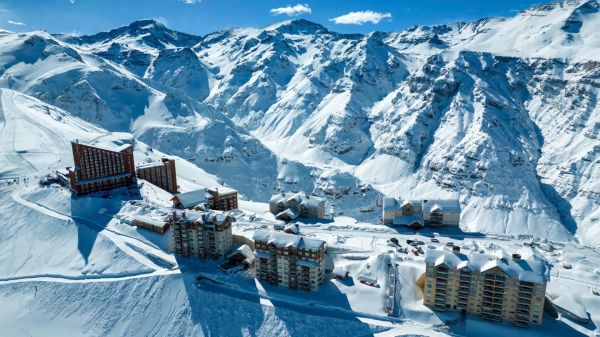
Valle Nevado Extends Season to November 8 After 108 cm in 48 Hours
Winter was meant to be winding down in Chile. Then Valle Nevado took 108 cm in 48 hours in early October, and the resort has pushed its closing date out to November 8 - its latest in 38 years of operation. That makes 143 days of skiing since opening day on June 19, with 690 cm banked for the season. Only part of the mountain is running while the storm settles, so check the mountain report before you plan a trip.
9 Oct 2026
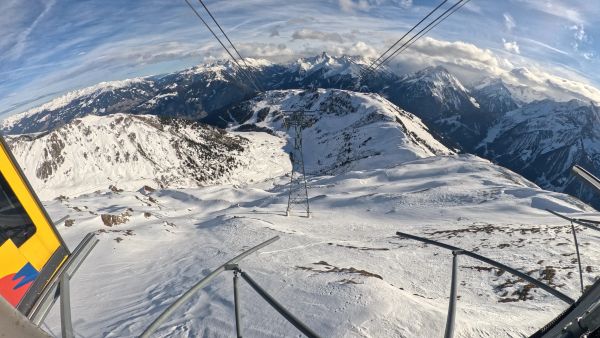
Alps Snow Forecast: Cold Front Brings Thursday Snow to the High Alps
The Alps look a lot more like winter today, for a day or so. A cold front is moving west to east, dropping up to 35 cm on high glaciers and peaks, with snow levels falling to around 1,500-1,800 m at times. Don’t plan a trip around it: mid-elevation snow will be thin and wet, every area is closed bar a limited Sölden glacier opening tomorrow, and warmer weather returns by Monday.
8 Oct 2026
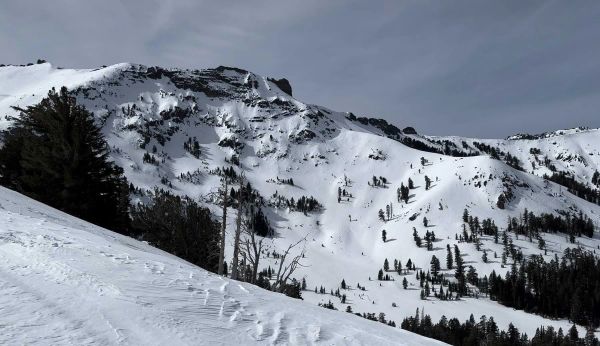
California Ski Resort Opening Dates 2026-27: Mammoth Leads, Tahoe Follows
Mammoth Mountain is first up in California, targeting Friday 13 November after a dusting of September snow. Heavenly and Northstar follow on 20 November, Palisades Tahoe on Wednesday 25 November and Sugar Bowl on 27 November, with Kirkwood on 4 December and June Mountain on 19 December. Plenty of smaller areas have no date yet. A super El Niño favours the Sierra, but a warmer storm track is the catch.
7 Oct 2026
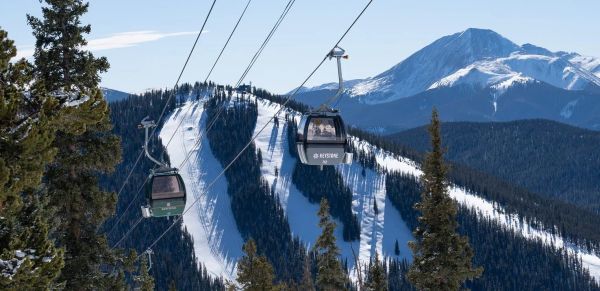
Colorado Ski Resort Opening Dates 2026-27: A-Basin and Keystone Race to Be First
Arapahoe Basin, Keystone and Winter Park are all chasing an October start, though none has a firm date yet. The first dated openers are Breckenridge and Copper on Friday 6 November, then Vail on 13 November, with most of the rest bunched around US Thanksgiving. Hesperus did not open at all last season. A super El Niño offers hope but no guarantee, and forecasters say the southern mountains have the better odds.
5 Oct 2026
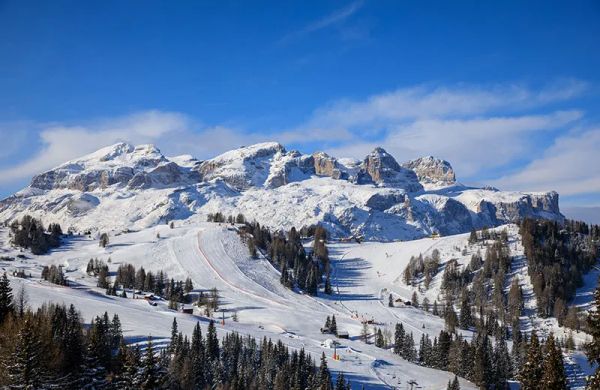
Dolomiti Superski 2026-27: Four New Gondolas, New Reservoirs and an €89 Peak Day Pass
Dolomiti Superski is spending around €100 million across its 12 areas before winter. Kronplatz gets a new 10-passenger gondola with a middle station, 3 Zinnen gets Helmissimo, and Val di Fassa swaps a chairlift for a gondola above Col Valvacin. New water-storage basins and upgraded snowmaking follow, and construction has started on the San Martino to Passo Rolle link. A peak adult day pass is €89.
4 Oct 2026
Pitztal Glacier Lift Tickets
Pitztal Glacier lift tickets & passes
Pitztal Glacier is currently open for the 2026-2027 season through May 2, 2027. Lift tickets are available for daily and multi-day visits.
Lift tickets FAQ
How much does a Pitztal Glacier day pass cost?
Pitztal Glacier day pass pricing varies by date and advance booking - see the full breakdown in the tickets panel.
Can I buy Pitztal Glacier lift tickets online?
Yes, you can purchase tickets online or at the resort ticket office.
Are there discounts for multi-day passes?
Yes, multi-day packages typically offer significant savings compared to individual day passes. The per-day cost decreases with longer stays.
What is included with a Pitztal Glacier lift ticket?
Full access to all lifts and trails at Pitztal Glacier, including mountain safety and patrol services.
What is the difference between Pitztal Glacier lift tickets and ski passes?
"Lift tickets" and "ski passes" refer to the same thing at Pitztal Glacier - your access to the mountain's lifts and trails for your chosen duration.
When should I buy Pitztal Glacier lift tickets for the best price?
Purchase tickets at least 7 days in advance for the best rates, and consider weekday visits for further savings over weekend rates.
Does Pitztal Glacier offer group discounts on lift tickets?
Group discounts are typically available for parties of 10 or more. Contact Pitztal Glacier directly for group booking information and rates.
How can I check current conditions before buying tickets?
Before purchasing, check the live snow report and mountain webcams to see current weather, snow conditions, and lift operations at Pitztal Glacier.
More Pitztal Glacier intelligence: snow report, webcams, resort overview.