
The Overview
Michael Fulton
Melbourne-based skier and snowboarder with 50+ resorts across 5 continents. Specialises in Australian resorts and international resort comparisons.
Isola 2000 spreads across 120 kilometres of piste between 1,800 and 2,603 metres, offering 45 marked runs with an 803-metre vertical drop. The resort divides terrain across three main sectors - Front de Neige, Belvédère and Saint-Sauveur - with 63 per cent beginner runs, 29 per cent intermediate and 8 per cent advanced. Built in 1971 at the end of the Tinée Valley just 90 kilometres from Nice, the purpose-built village sits at 2,000 metres within Mercantour National Park boundaries. The resort's southern position and high altitude deliver reliable snow cover, with an average 4 metres of annual snowfall supplemented by 430 snow cannons across 75 per cent of slopes.
Terrain character leans heavily toward progression, with wide, sun-drenched pistes radiating from the compact base village. Seven green runs and 22 blue runs occupy gentle plateaus and rolling terrain directly above the resort centre, served by the Les Marmottes and Lombarde chairlifts. Intermediate skiers find 13 red runs distributed across the Méné and Saint-Sauveur sectors, including the 8-kilometre Clairière run and the challenging Mesclun descent. Three black runs - Super Vallon, Lou Mesclun and the Boumphrey - test advanced skiers, whilst Tony's Snowland terrain park at 2,300 metres offers rails, kickers and a boardercross.
The pedestrianised village clusters around the Front de Neige base area, with ski-in ski-out access from interconnected apartment buildings and covered galleries. On-mountain, the Cime de Sistron summit at 2,603 metres provides views stretching to the Mediterranean on clear days, whilst the southern exposure ensures 300 days of annual sunshine. The resort received the Famille Plus label in 2024 for family infrastructure, and hosted the FIS Junior Snowboard Cross World Championships in April 2025. Weekend crowds from Nice can test lift capacity, particularly during French school holidays.
Isola 2000 operates independently but shares the Mercantour lift pass with Auron and Saint-Dalmas, unlocking 255 kilometres of combined terrain. The 2025-26 season runs from 6 December to 19 April, with night skiing on the Chapelle blue run until 22:00 during peak periods. The resort suits progressing intermediates, families seeking convenient ski-in ski-out access, and Mediterranean-based skiers wanting reliable altitude without travelling to the northern Alps. Advanced skiers will exhaust the limited steep terrain quickly, though the Mercantour backcountry offers touring options.
803m
Vertical
45
Runs
120 km
Piste
4m
Annual snow
The Terrain
45 runs across 120 km of piste
Isola 2000 is one of the most beginner-friendly ski areas in the southern Alps, with 120 kilometres of piste across 45 runs between 1,800 metres and 2,603 metres. The vertical is a modest 803 metres, and the split is 63% beginner, 29% intermediate and 8% advanced, with no expert terrain. Sitting at altitude near the Italian border, the area leans on gentle pitches, long blues and uncrowded slopes. T-bars outnumber the chairs, so expect some surface lift riding, but the village sits right on the snow and access is simple.
The Front de Neige area at the resort's doorstep holds the gentle nursery slopes, with greens such as La Valette and L'Alouette. Higher up in the Belvedere sector, wide blues and a handful of reds give improving skiers a gradual step up. Advanced skiers will find only a small share of terrain, so expect to repeat favourites rather than chase new challenges. Lift passes can be extended to include nearby Auron for a change of scenery. Isola suits families, first-timers and relaxed intermediates who want easy cruising in a quiet corner of the Mercantour.
Terrain split
45
runs
45 runs across 4 grades
Beginner28 runs · 63%
Intermediate13 runs · 29%
Advanced4 runs · 8%
Expert0 runs · 0%
Time it right
When to visit Isola 2000
The 2025-26 season opens 6 December 2025 and closes 19 April 2026, delivering a 19-week operating window typical of Southern Alps resorts. Isola 2000 historically opens earlier than many Mediterranean-facing resorts thanks to its 2,000-metre base elevation and northerly micro-climate near the Col de la Lombarde. A pre-opening weekend on 29-30 November 2025 allowed early-season access when November snowfall exceeded expectations. The resort has occasionally held the title of snowiest in France during early winter.
Snowfall averages 4 to 5 metres annually, concentrated between December and March when Mediterranean storm systems deposit heavy precipitation at altitude. The resort's position at the end of the Tinée Valley channels weather from the Gulf of Genoa, creating localised dumps that can differ markedly from conditions 50 kilometres north. Snowmaking infrastructure comprises 430 cannons covering 75 per cent of the 120-kilometre piste network, prioritising lower runs and key connecting routes. Base depths typically range from 50 to 160 centimetres mid-season, with upper slopes holding cover well into April.
January through March delivers the most consistent powder and grooming, with February half-term bringing peak crowds and pricing. December offers quieter slopes but variable cover on lower elevations. Late March and April provide spring corn snow conditions, extended daylight and sunny terraces, though south-facing runs soften by mid-afternoon. Week 1 of March historically records the snowiest conditions, averaging 36 centimetres across 3.6 snowy days.
The season calendar includes Thursday evening torchlight descents and ski shows during Christmas and February holidays, with the 1.5-kilometre Chapelle blue run illuminated until 22:00 for night skiing. The resort hosted the Snowboard Cross World Cup in March 2026, serving as a qualifying event for Olympic Games selection. Red Bull Paret Vous, a traditional yooner sled race, took place on 31 January 2026. The FIS Junior Snowboard Cross World Championships ran 10-13 April 2025, showcasing the resort's competition-standard boardercross facilities.
Season 2026 - 2027
5 Dec 2026
Opens
18 Apr 2027
Closes
134
Days open
4 m
Annual snow
Getting there
Getting to Isola 2000, and where to stay
Isola 2000 occupies a high-altitude bowl at the terminus of the Tinée Valley in the Alpes-Maritimes department of south-eastern France. The purpose-built resort sits at 2,000 metres elevation, 17 kilometres by road above the commune of Isola village at 870 metres. Mercantour National Park boundaries encircle the ski area, with the Italian border 4 kilometres east via the Col de la Lombarde pass, which closes to road traffic in winter. The resort name references its base elevation, whilst coordinates place it at 44.185°N, 7.158°E.
The nearest substantial town is Isola village, a medieval settlement with Romanesque architecture nestled in the Tinée gorges. Saint-Étienne-de-Tinée lies 25 kilometres north, serving as the main valley community. Nice, the regional capital and French Riviera gateway, sits 90 kilometres south-east - making Isola 2000 the closest major ski resort to the Mediterranean coast. The Tinée Valley stretches 80 kilometres from its confluence with the Var River near Puget-Théniers to the Col de la Bonette high passes.
Road access follows the D2205 from Nice through the Var Valley, then the D2565 and D97 threading up the Tinée gorges via Saint-Savin and Isola village. The final 17-kilometre climb from Isola village to the resort involves 28 hairpin bends ascending 1,130 vertical metres, with the road notably winding even by Alpine standards. Drive time from Nice averages 90 minutes in normal conditions, extending to two hours during peak traffic or snow. The A8 motorway provides the primary route from eastern Provence.
Nice Côte d'Azur Airport, France's second-busiest, lies 88 kilometres south-east with flight times averaging 90 minutes from major European cities. Transfer options include the 100% Neige seasonal express bus service connecting the airport to the resort via Grand Arénas interchange. Turin Airport in Italy sits 192 kilometres north-east across the border. Train services terminate at Nice-Ville station, requiring a Santa-Azur coach connection on line 91 to Isola village, then taxi or private transfer for the final ascent. The lack of direct public transport to the resort base makes car hire or pre-booked transfers the practical choice for most visitors.
Where to stay
Search all stays →Hotels and lodges near Isola 2000, powered by Stay22.
Latest News
From the SnowStash desk

Vermont Ski Resort Opening Dates 2026-27: Few Dates Set, Killington Waits on the Cold
Vermont's season is slow to take shape. Stratton is tentatively targeting 18 November and Sugarbush 21 November, while Pico has Friday 11 December on the calendar. Killington never sets a date and opens when the snowmaking allows, and Vail Resorts has yet to name days for Stowe, Okemo and Mount Snow. The forecasts disagree about snow, and the main El Niño worry for the Green Mountains is warmth.
9 Oct 2026
Crans-Montana 2027 World Championships President Resigns Ahead of Fraud Hearing
Less than four months out from the Crans-Montana 2027 World Championships, the man running the organising committee has stepped down. Claude-Alain Schmidhalter resigned as Swiss-Ski vice president and OC president after being indicted over a business dispute unrelated to skiing. He denies the allegations and faces court on October 27. Interim leaders are in place for the February 1-14 event.
9 Oct 2026
Kelly Canyon, Idaho, Adds Snowmaking, a Bigger Terrain Park and More Parking for 2026-27
Kelly Canyon had a rough 2025-26, and the Idaho resort has spent the summer making sure it doesn’t repeat. Snowmaking now reaches the top of Goldrush, the terrain park is doubling in size with a stereo system, lights and a snack shack, and the car park is getting bigger. Grooming is stepping up too. Target opening is December 4, conditions permitting.
9 Oct 2026
Valle Nevado Extends Season to November 8 After 108 cm in 48 Hours
Winter was meant to be winding down in Chile. Then Valle Nevado took 108 cm in 48 hours in early October, and the resort has pushed its closing date out to November 8 - its latest in 38 years of operation. That makes 143 days of skiing since opening day on June 19, with 690 cm banked for the season. Only part of the mountain is running while the storm settles, so check the mountain report before you plan a trip.
9 Oct 2026
Alps Snow Forecast: Cold Front Brings Thursday Snow to the High Alps
The Alps look a lot more like winter today, for a day or so. A cold front is moving west to east, dropping up to 35 cm on high glaciers and peaks, with snow levels falling to around 1,500-1,800 m at times. Don’t plan a trip around it: mid-elevation snow will be thin and wet, every area is closed bar a limited Sölden glacier opening tomorrow, and warmer weather returns by Monday.
8 Oct 2026
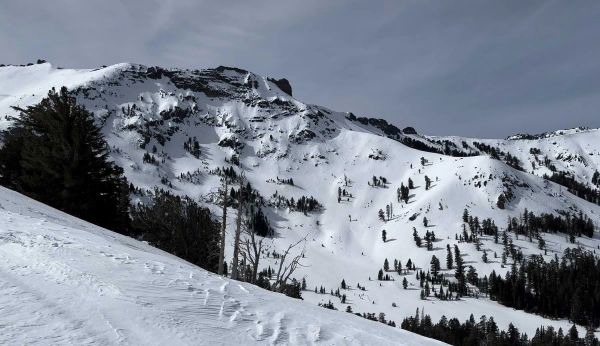
California Ski Resort Opening Dates 2026-27: Mammoth Leads, Tahoe Follows
Mammoth Mountain is first up in California, targeting Friday 13 November after a dusting of September snow. Heavenly and Northstar follow on 20 November, Palisades Tahoe on Wednesday 25 November and Sugar Bowl on 27 November, with Kirkwood on 4 December and June Mountain on 19 December. Plenty of smaller areas have no date yet. A super El Niño favours the Sierra, but a warmer storm track is the catch.
7 Oct 2026
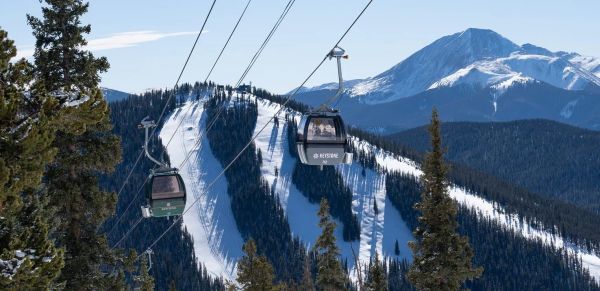
Colorado Ski Resort Opening Dates 2026-27: A-Basin and Keystone Race to Be First
Arapahoe Basin, Keystone and Winter Park are all chasing an October start, though none has a firm date yet. The first dated openers are Breckenridge and Copper on Friday 6 November, then Vail on 13 November, with most of the rest bunched around US Thanksgiving. Hesperus did not open at all last season. A super El Niño offers hope but no guarantee, and forecasters say the southern mountains have the better odds.
5 Oct 2026
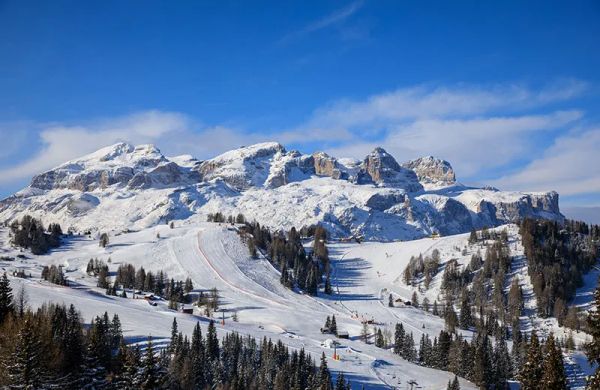
Dolomiti Superski 2026-27: Four New Gondolas, New Reservoirs and an €89 Peak Day Pass
Dolomiti Superski is spending around €100 million across its 12 areas before winter. Kronplatz gets a new 10-passenger gondola with a middle station, 3 Zinnen gets Helmissimo, and Val di Fassa swaps a chairlift for a gondola above Col Valvacin. New water-storage basins and upgraded snowmaking follow, and construction has started on the San Martino to Passo Rolle link. A peak adult day pass is €89.
4 Oct 2026