
The Overview
Michael Fulton
Melbourne-based skier and snowboarder with 50+ resorts across 5 continents. Specialises in Australian resorts and international resort comparisons.
La Plagne operates across 1,207 to 3,167 metres with 225 kilometres of piste, 137 runs and 1,960 metres of vertical drop. The terrain divides 62 per cent beginner, 26 per cent intermediate and 12 per cent advanced across 11 villages spread between the valley floor and 2,100 metres altitude. Over 70 per cent of skiing sits above 2,000 metres, with glacier access at 3,080 metres via the Glaciers 2 gondola. Average annual snowfall reaches 518 to 600 centimetres, supported by 359 snow cannons covering 50 kilometres of piste.
The ski area contains 137 marked runs including 8 green, 73 blue, 35 red and 17 black pistes, with extensive off-piste terrain on Bellecôte's north face. Seven purpose-built altitude villages between 1,800 and 2,100 metres provide ski-in ski-out access, whilst lower villages at Montchavin (1,250 metres), Montalbert and Champagny-en-Vanoise offer traditional Savoyard character. Plagne Centre at 1,970 metres functions as the central hub, connecting all sectors. The resort built a bobsleigh track for the 1992 Albertville Winter Olympics that remains operational at La Roche.
La Plagne recorded 2.5 million visitors per season in 2014, making it the most visited ski resort globally at that time. Villages range from functional architecture at Plagne Centre and the Aime 2000 'Paquebot' to quieter family bases at Plagne 1800 and Belle Plagne. The Bellecôte glacier sector provides high-altitude skiing, though the Chiaupe Glacier closed to skiing after the 2022-23 season for environmental preservation. Montchavin-Les Coches holds Famille Plus certification, whilst Champagny borders Vanoise National Park.
The resort forms half of Paradiski, linked to Les Arcs and Peisey-Vallandry since 2003 via the Vanoise Express cable car travelling at over 40 kilometres per hour across the Ponturin Gorge. Paradiski covers 425 kilometres of piste with 129 lifts and 258 runs, ranking as one of the largest linked ski areas in the Alps. The 2025-26 season runs 7 December 2025 to 26 April 2026. La Plagne alone suits beginners to advanced skiers, with dedicated CoolSki zones offering free beginner lifts at multiple villages and extensive intermediate cruising terrain.
1960m
Vertical
137
Runs
225 km
Piste
7m
Annual snow
The Terrain
137 runs across 225 km of piste
La Plagne covers 225 kilometres of piste and 137 runs, falling 1,960 metres from the 3,167 metre top to the 1,207 metre base. Beginners dominate at 62%, followed by 26% intermediate and 12% advanced, with no expert grading. The area is made up of several purpose-built villages, and the lift system is huge: 18 six-seaters, 11 gondolas, 27 T-bars and nine quads among others. With such a high share of easy terrain and mostly high-altitude slopes, it is a practical choice for groups where the abilities vary.
Roche de Mio gives access to long runs down to Plagne Bellecote, with a red or blue choice, and Mont de la Guerre is the longest red in the resort, dropping nearly 1,200 metres without a lift. The Emile Allais piste offers fast, wide carving for advanced skiers, and the Bellecote glacier black runs are left ungroomed. Verdons and Col de Forcle are gentle options for progressing beginners. La Plagne also links to Les Arcs by the Vanoise Express, extending the options for strong skiers. It works for families, beginners and cruising intermediates, while experts should add the Bellecote glacier.
Terrain split
137
runs
137 runs across 4 grades
Beginner85 runs · 62%
Intermediate36 runs · 26%
Advanced16 runs · 12%
Expert0 runs · 0%
Time it right
When to visit La Plagne
The 2025-26 season operates 7 December 2025 to 26 April 2026, with Paradiski connections including Vanoise Express running 13 December 2025 to 25 April 2026. Typical season length spans 135 to 140 days from mid-December through late April. The resort opened 24 December 1961 with two drag lifts and four slopes, developing progressively as villages were added through the 1970s and 1980s. Pre-season weeks in early December offer discounted lift passes before Christmas holidays commence.
Annual snowfall averages between 518 and 600 centimetres, with the snowiest period occurring in December's second week bringing approximately 50 centimetres and 3.3 snowy days. Over 70 per cent of terrain above 2,000 metres ensures reliable coverage from December through April. Snowmaking covers 50 kilometres via 359 cannons, approximately 23 per cent of total piste length. South-facing exposure brings sunshine to many sectors, though Champagny's orientation results in slightly less snow retention than north-facing areas.
January and February deliver peak powder conditions and coldest temperatures, with high-altitude sectors maintaining dry snow throughout winter. March brings spring skiing with morning freeze-thaw cycles creating firm corduroy early and softer conditions by afternoon. April extends the season on upper slopes above 2,500 metres whilst lower villages transition to slush. December typically sees base depths building, with Christmas week offering 136 operational days historically. Mid-season maintains the deepest snowpack.
Ice climbing competitions and ski races run through winter months, alongside après-ski events with live bands. The 6000D trail running race covers 69 kilometres with 3,400 metres elevation gain during late July, established in 1990. Summer lift operations from early July to late August serve hikers and mountain bikers, with the Glaciers gondola offering pedestrian access to 3,080 metres. Night skiing is not available in La Plagne itself but operates in linked Les Arcs sectors on designated evenings.
Season 2026 - 2027
12 Dec 2026
Opens
25 Apr 2027
Closes
134
Days open
7 m
Annual snow
Getting there
Getting to La Plagne, and where to stay
La Plagne occupies the Tarentaise valley in Savoie, southeastern France, with villages distributed between 1,207 and 2,100 metres across four communes: Aime, Bellentre, Champagny-en-Vanoise and Mâcot-la-Plagne, merged as La Plagne Tarentaise commune in January 2016. The resort sits directly above the valley town of Aime at 650 metres, facing Mont Blanc with southern exposure across much of the domain. Vanoise National Park, France's first national park created in 1963, borders Champagny village providing access to protected alpine terrain.
Aime-la-Plagne in the valley sits 10 minutes from Bourg-Saint-Maurice, the Haute-Tarentaise capital at approximately 12 kilometres distance. Moûtiers lies 15 kilometres north along the N90, serving as the main valley junction town. The historic Basilique Saint-Martin in Aime dates from the 11th century as a Romanesque monument. Albertville, host of the 1992 Winter Olympics, sits 40 kilometres northwest. The area's mining heritage includes lead and silver extraction that ceased in 1973, with Plagne 1800 village occupying the former mining settlement.
Road access follows the A43 motorway from Chambéry or Grenoble to Albertville at approximately 77 kilometres, then the N90 dual carriageway to Moûtiers and Aime. From Aime, the D220 climbs to altitude villages in 30 to 40 minutes by road. Geneva lies 149 kilometres distant via A41 and A43 motorways, requiring approximately 2 hours 30 minutes driving. Lyon sits 196 kilometres away, roughly 2 hours 30 minutes via A43. Paris is 645 kilometres north, around 6.5 to 7 hours via A6 motorway.
Geneva Airport at 150 to 155 kilometres offers the most international connections with 2 hours 30 minutes to 3 hours 30 minutes transfer time depending on traffic. Chambéry Airport at 125 kilometres provides the shortest transfer at 1 hour 45 minutes but fewer flight options. Lyon Airport lies 195 to 200 kilometres distant with 2 hours 30 minutes transfer time, whilst Grenoble Airport sits 196 kilometres away. Aime-la-Plagne railway station serves TGV and regional trains with connections to Paris Gare de Lyon in approximately 4 hours 30 minutes, Chambéry, and Bourg-Saint-Maurice. Eurostar Snow Train operates Saturdays during winter from London St Pancras via Lille to Aime-la-Plagne and neighbouring valley stations. Local buses connect the station to resort villages in 30 to 40 minutes.
Where to stay
Search all stays →Hotels and lodges near La Plagne, powered by Stay22.
Latest News
From the SnowStash desk
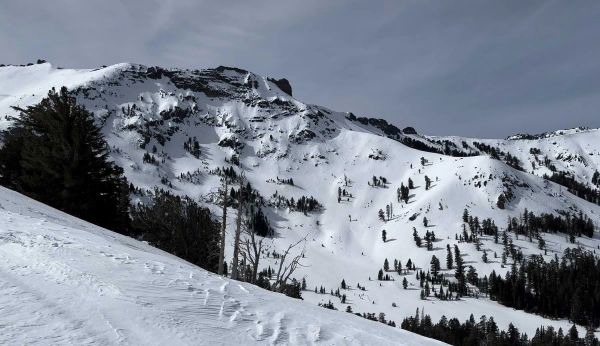
California Ski Resort Opening Dates 2026-27: Mammoth Leads, Tahoe Follows
Mammoth Mountain is first up in California, targeting Friday 13 November after a dusting of September snow. Heavenly and Northstar follow on 20 November, Palisades Tahoe on Wednesday 25 November and Sugar Bowl on 27 November, with Kirkwood on 4 December and June Mountain on 19 December. Plenty of smaller areas have no date yet. A super El Niño favours the Sierra, but a warmer storm track is the catch.
7 Oct 2026
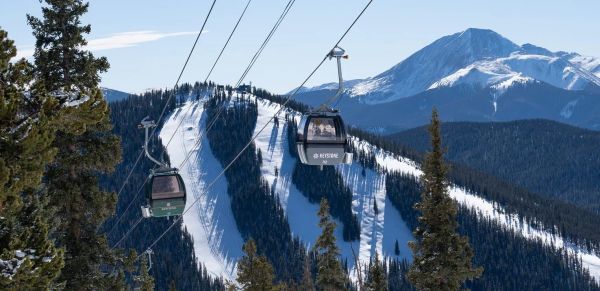
Colorado Ski Resort Opening Dates 2026-27: A-Basin and Keystone Race to Be First
Arapahoe Basin, Keystone and Winter Park are all chasing an October start, though none has a firm date yet. The first dated openers are Breckenridge and Copper on Friday 6 November, then Vail on 13 November, with most of the rest bunched around US Thanksgiving. Hesperus did not open at all last season. A super El Niño offers hope but no guarantee, and forecasters say the southern mountains have the better odds.
5 Oct 2026
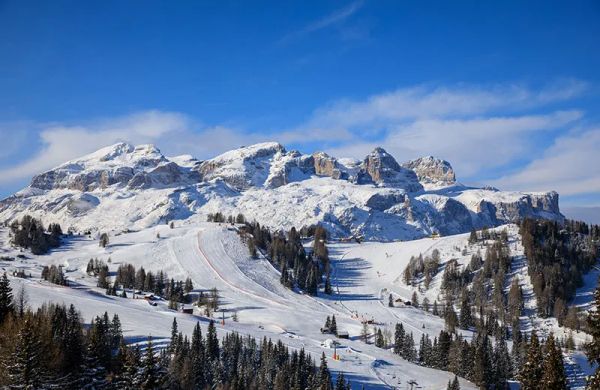
Dolomiti Superski 2026-27: Four New Gondolas, New Reservoirs and an €89 Peak Day Pass
Dolomiti Superski is spending around €100 million across its 12 areas before winter. Kronplatz gets a new 10-passenger gondola with a middle station, 3 Zinnen gets Helmissimo, and Val di Fassa swaps a chairlift for a gondola above Col Valvacin. New water-storage basins and upgraded snowmaking follow, and construction has started on the San Martino to Passo Rolle link. A peak adult day pass is €89.
4 Oct 2026
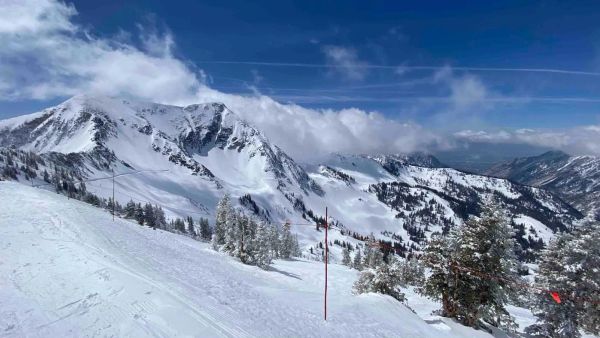
Utah Ski Resort Opening Dates 2026-27: Brian Head First, Eagle Point Out
Brian Head is targeting 6 November, though last year it aimed for 7 November and did not open until the 25th. Park City, Alta and Solitude are pencilled in for 20 November, Snowbird and Snowbasin for 27 November, and Deer Valley for 5 December. Eagle Point will stay closed after the Cottonwood Fire. A super El Niño is forecast, but the big snow is not expected until January.
4 Oct 2026
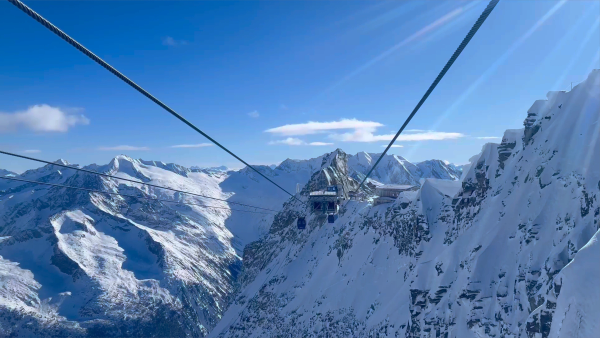
Hintertux Glacier Opens for 2026-27 With 12 Kilometres of Piste
Hintertux became Austria's second glacier to open for 2026-27 on Friday 2 October, after the Pitztal Glacier. Twelve kilometres of piste are running around the Olperer and Gefrorene Wand, served by one gondola and two drag lifts, with the Betterpark also open. Lifts officially run 8:15 am to 4:30 pm, but skiing stops at 2 pm for now.
4 Oct 2026
Vail Resorts Counts the Cost of a Thin Winter as Pass Sales Slide Further
A historically poor western winter cut Vail Resorts' annual net income from $280 million to $147.5 million and skier visits by 13.4 per cent. Now 2026-27 pass units are down 12 per cent as of 18 September, worse than the 10 per cent flagged in spring. Vail blames the weather and thinks some buyers are simply waiting, and it forecasts a rebound if the snow behaves.
3 Oct 2026
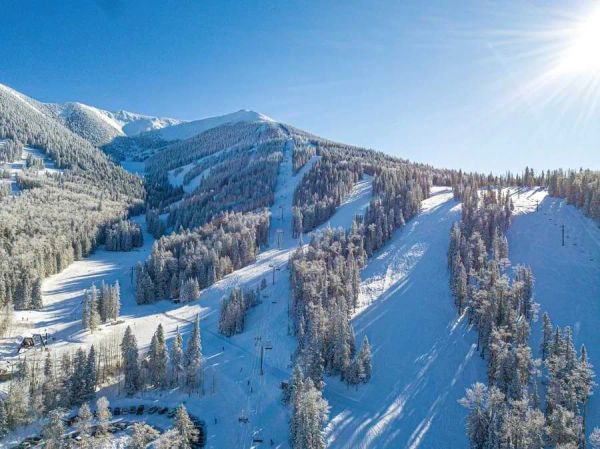
Arizona Snowbowl's $1 Lift Tickets Are Hard to Find, but $9 Days Are Not
Arizona Snowbowl advertised eight $1 lift ticket days this winter. Go looking and only three are showing - 10 March, 1 April and 10 April - so the rest may already have gone. The consolation is a calendar full of $9 days, including all but one day in April. Opening day is 20 November, weather permitting, and opening weekend is $19.
2 Oct 2026
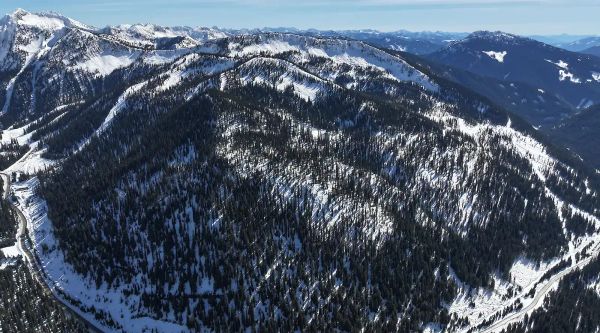
Whitewater Brings Its Short Side Inbounds, With Six New Runs for 2026-27
For years, Whitewater's Short Side was where you ducked a rope and hoped for the best: unmapped, ungroomed and unpatrolled. This winter it's inbounds. Six new runs of glades and fall-line skiing add 190 acres (about 77 hectares), taking the resort past 1,400 acres in total. F2 Logging spent a month in the trees to make it happen, and opening day is pencilled in for 4 December. Bonanza now needs less snow to groom, too.
1 Oct 2026
La Plagne Webcams
About La Plagne's live webcams
Check live conditions across La Plagne with live webcams showing snow, weather, and lift operations, updated every 10 minutes. Check high-elevation cams for powder visibility and base-area cams for crowd levels before you head up.
La Plagne snow cams FAQ
How often do La Plagne snow cams update?
All La Plagne snow cams and webcams update every 10 minutes with fresh images showing current mountain conditions. This frequent update schedule ensures you have access to near real-time conditions for planning your ski day at La Plagne.
Which La Plagne webcam shows the best powder conditions?
High-elevation webcams at La Plagne typically provide the clearest view of powder conditions and snowfall. These cams capture fresh snow accumulation and visibility better than base area cameras.
Can I see La Plagne lift queues on the webcams?
Yes. Multiple La Plagne snow cams specifically show lift queue areas and chairlift operations, helping you time your arrival and avoid peak queue periods.
When is the best time to check La Plagne snow cams?
Check La Plagne webcams early morning (7-8am) for overnight snowfall assessment, and mid-afternoon for current crowd levels and weather. The live cams are most useful after storm events to assess fresh powder.
How can I check current conditions before buying La Plagne lift tickets?
Use our La Plagne webcams alongside the live snow report to assess conditions before purchasing lift tickets. The webcams show real-time visibility, snow quality, and operational status.
Do La Plagne webcams work on mobile devices?
Yes. All La Plagne snow cams and webcams are optimized for mobile viewing, so you can check live conditions from anywhere using your phone or tablet.
More La Plagne intelligence: snow report, lift tickets, trail map, resort overview.