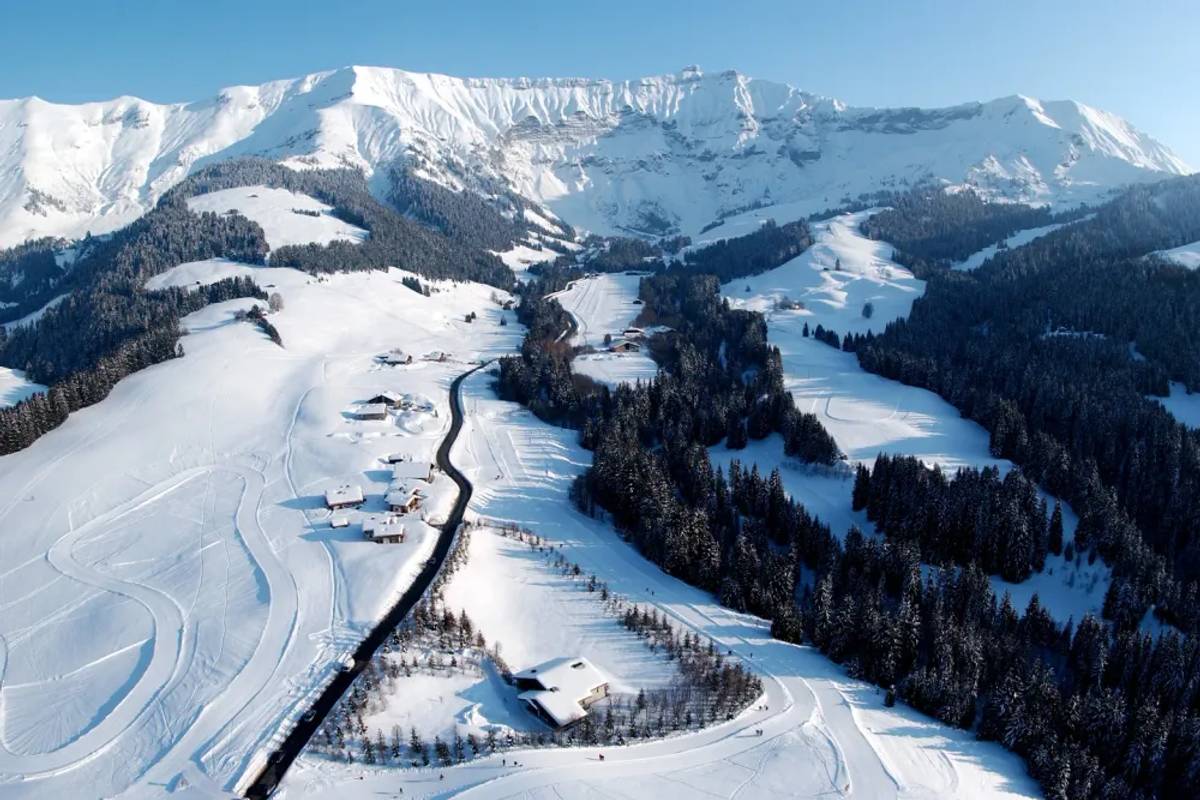
Megève / Saint-Gervais
263km pistes, 850-2353m elevation, Évasion Mont-Blanc pass access. Tree-lined terrain, medieval village charm, Geneva 90km.
Season 2026 - 2027
Opens
12 Dec 2026
Closes
4 Apr 2027
Days open
113
Annual snow
6.4m
The Overview
Michael Fulton
Melbourne-based skier and snowboarder with 50+ resorts across 5 continents. Specialises in Australian resorts and international resort comparisons.
The interconnected domain spans 263 kilometres of piste across 232 marked runs, stretching from 850 metres in the valley to 2,353 metres atop Mont Joly. The 1,503-metre vertical drop carves through predominantly tree-lined terrain below 2,000 metres before opening to alpine bowls at higher elevations. Both resorts form part of the Évasion Mont-Blanc pass, granting access to 445 kilometres across six linked areas including Les Contamines and Combloux. The Rochebrune cable car, France's first purpose-built skiing gondola from 1933, remains an operational centrepiece.
Terrain distribution favours progression: 37 per cent green and blue, 51 per cent intermediate red, and 12 per cent advanced black. Mont d'Arbois delivers long cruising runs through forest, whilst Mont Joux and Mont Joly host steeper pitches including the black Grand Chamois descent. Rochebrune's Côte 2000 sector maintains more reliable snow at 2,000 metres elevation. The Jaillet sector connects westward to Combloux via 5.5-kilometre blue runs.
Megève village sits at 1,113 metres with medieval cobbled streets and direct gondola access to Rochebrune and Jaillet. Saint-Gervais at 850 metres offers thermal spa facilities alongside ski-in access via the Bettex gondola. Both bases blend alpine charm with functional infrastructure, though lower elevations require snowmaking coverage across 650 snow cannons. La Folie Douce occupies the Mont Joux summit at 2,000 metres.
The Évasion Mont-Blanc pass covers all lifts for €63.50 daily (2025-26 adult rate). Mont Blanc Unlimited adds Chamonix, Courmayeur, and Verbier for extended exploration. The domain suits intermediates seeking mileage and families requiring varied terrain, though modest summit elevations make spring conditions variable. Ikon Pass holders receive conditional access to the full Évasion network.
1503m
Vertical
232
Runs
263 km
Piste
6.4m
Annual snow
The Terrain
232 runs across 263 km of piste
Megève and Saint-Gervais share 263 kilometres of piste and 232 runs, dropping 1,503 metres from the 2,353-metre high point to an 850-metre valley floor. The grading is 37% beginner, 51% intermediate and 12% advanced, with nothing rated expert. Skiing falls into three main sectors: Rochebrune with Côte 2000, Mont d'Arbois running across to Saint-Gervais, and Le Jaillet towards Combloux. Long, groomed reds through the trees are the staple here. Gondolas and six-seaters carry the main traffic, while T-bars, 42 of them, serve the outer slopes.
Mont d'Arbois is the largest and most varied sector, with long reds looking across to Mont Blanc and blacks such as Princesse. The higher pitches on Mont Joly above Saint-Gervais are longer and steeper, and the Chamois black is the sharper test. Off-piste lines run through open fields and between the trees from Mont Joly towards Saint-Nicolas, best skied with a guide. From Jaillet, a six-seat chair to Christomet opens the link to La Giettaz. This is intermediate mileage country, good for families, while advanced skiers will find few pistes to challenge them and lower slopes lean on snowmaking.
Terrain split
232
runs
232 runs across 4 grades
Beginner86 runs · 37%
Intermediate118 runs · 51%
Advanced28 runs · 12%
Expert0 runs · 0%
Time it right
When to visit Megève / Saint-Gervais
The 2025-26 season runs from 6 December 2025 (partial opening Côte 2000 and Mont d'Arbois) to 6 April 2026 for Megève sectors, with Rochebrune and Mont d'Arbois closing simultaneously. Saint-Gervais operates the same window, though upper lifts may extend through Easter depending on cover. Typical seasons span mid-December to early April, with Côte 2000's higher elevation occasionally holding snow into late April. Full terrain opening typically occurs by Christmas week.
Annual snowfall averages 321 to 331 centimetres, supplemented by 650 snow cannons covering approximately 15 per cent of marked runs. Base elevations between 850 and 1,113 metres make the domain vulnerable during warm spells, particularly March onwards when lower runs require artificial support. Summit zones above 2,000 metres maintain more consistent coverage. January and February deliver the most reliable natural accumulation.
Peak powder months run January through mid-February, avoiding February half-term crowds (8 to 22 February typically). Early December offers uncrowded slopes but limited terrain access. March provides spring conditions with extended daylight and warmer temperatures, though base runs often close by afternoon. Post-Easter skiing concentrates on Côte 2000 north-facing aspects.
The calendar includes traditional markets each Friday in Megève village. Night skiing operates periodically on select runs. Folie Douce après-ski runs daily from 14:00 atop Mont Joux. No major competitions anchor the season. Horse-drawn sleighs transport skiers between Megève centre and Jaillet base during daylight hours.
Season 2026 - 2027
12 Dec 2026
Opens
4 Apr 2027
Closes
113
Days open
6.4 m
Annual snow
The record
Historical snowfall at Megève / Saint-Gervais
Daily snow reports at Megève / Saint-Gervais go back to 1996, 31 winters on the books. Open the record to compare winters, lifts and piste.
75 cm
Snowiest day
25 Dec 2024
39 cm
This winter · 2026-27
so far
641 cm
Typical winter
average of complete seasons
Winter totals
cm
Past wintersThis winter
Getting there
Getting to Megève / Saint-Gervais, and where to stay
Megève occupies the Arve valley in Haute-Savoie at 1,113 metres, with Saint-Gervais-les-Bains 12 kilometres northwest at 850 metres elevation in the same watershed. The Mont Blanc massif dominates eastern views, rising to 4,808 metres 20 kilometres distant. The ski domain spreads across forested mid-mountain terrain between the Aravis range west and the Mont Blanc foothills east. Both villages sit within the Auvergne-Rhône-Alpes administrative region.
Sallanches lies 12 kilometres northeast as the nearest valley town with rail connections. Combloux neighbours 4 kilometres from Megève, whilst Chamonix sits 30 kilometres east via the Arve valley. Annecy occupies the lakeshore 60 kilometres northwest. The area developed as a medieval farming district before the Rothschild family conceived Megève as France's answer to St Moritz during the 1920s.
Road access follows the A40 Autoroute Blanche from Geneva, exiting at Sallanches (Exit 20) then continuing 12 kilometres via the D1212 departmental road to Megève. From Lyon 200 kilometres south, the A43 and A41 motorways connect via Albertville. Swiss travellers require a motorway vignette; Italian arrivals use the Mont Blanc tunnel (A40). Journey time from Geneva airport averages 70 minutes in clear conditions.
Geneva International Airport lies 90 kilometres northwest with the highest frequency of international routes. Chambéry airport sits 95 kilometres south, Lyon 172 kilometres. Sallanches-Combloux-Megève train station receives direct TGV services from Paris Gare de Lyon (4 hours 40 minutes weekends), plus regional TER trains from Annecy and Geneva via Léman Express connections. Bus transfers complete the 12-kilometre link from Sallanches station, operated by SAT Mont Blanc on line Y83.
Where to stay
Search all stays →Hotels and lodges near Megève / Saint-Gervais, powered by Stay22.
Latest News
From the SnowStash desk
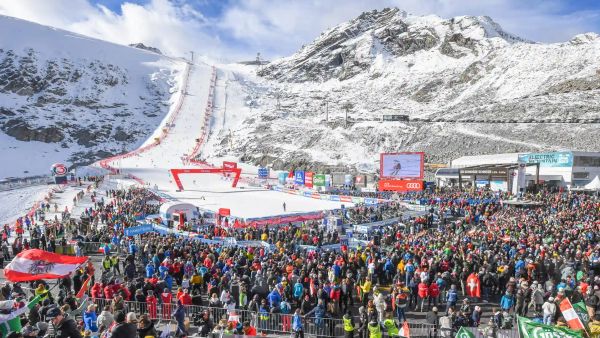
Pinheiro Braathen Wins Sölden Giant Slalom Opener by 0.48 Seconds
Two days at Sölden, two races decided by a hundredth somewhere on the podium, and one very quick Brazilian. Lucas Pinheiro Braathen led from the first run to win the men’s World Cup opener by 0.48 seconds, with Loïc Meillard second and Marco Odermatt third. River Radamus charged from 15th to fourth on a rutted course, and Britain’s Freddy Carrick-Smith banked his first World Cup points. Braathen still hasn’t lost a giant slalom since Olympic gold.
25 Oct 2026
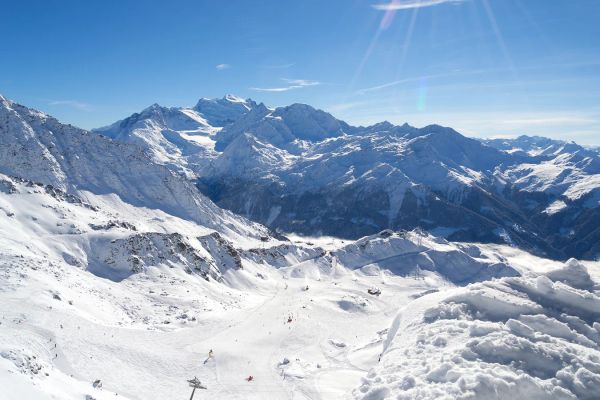
Alps Snow Forecast: Up to 64 cm Headed for the High Glaciers as the Snow Line Drops
The Alps are about to swap mild, sunny October weather for something far more wintry. A cold front arrives Tuesday, and SnowStash forecasts have Monterosa Ski out in front with 64 cm over 14 days, ahead of Blatten Belalp (55 cm) and Verbier (43 cm). The snow line should fall below 2000 metres by Wednesday night, and glaciers across Switzerland, Italy and Austria are in line for the best of it. The wind will have a say too.
20 Oct 2026
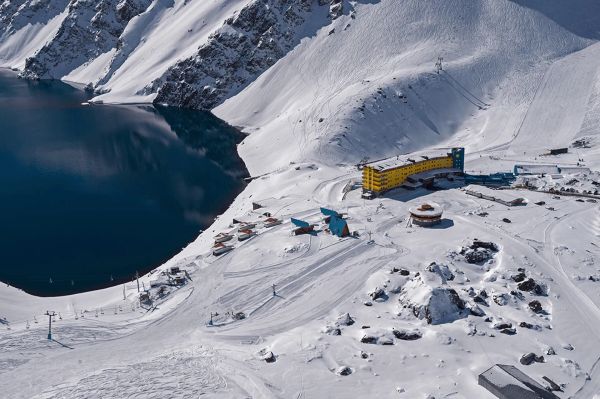
Four Dead After Avalanche Near Ski Portillo in Chile
A large avalanche struck near Laguna del Inca adjacent to Ski Portillo on Saturday afternoon, killing four people and injuring four others. The group were day visitors mountaineering in the backcountry after reportedly being warned about elevated avalanche risk by resort staff.
18 Oct 2026
Europe Ski Resorts Open Now: What Is Skiable in Mid-October 2026
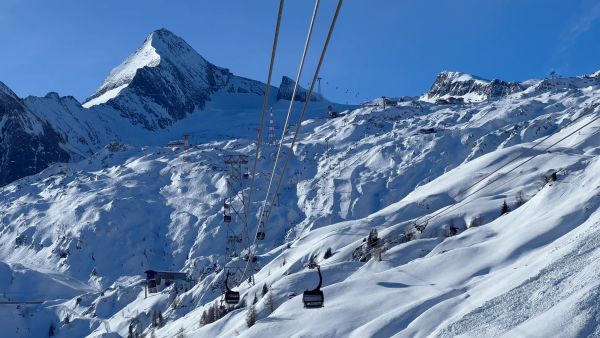
Europe’s ski season is open, technically. After a record-warm summer, glaciers in Austria, Switzerland and Italy are running a few pistes apiece, Sölden, Stubai and Kitzsteinhorn started late, Titlis has pushed back to 24 October, and Zermatt reopens a few lifts on 14 October after more than two months shut. Finland’s Levi and Ruka are skiing on stored snow. Here is what is open, and what you actually get at each.
14 Oct 2026
Zermatt Plans World Cup Downhill Return on the Gornergrat for 2028
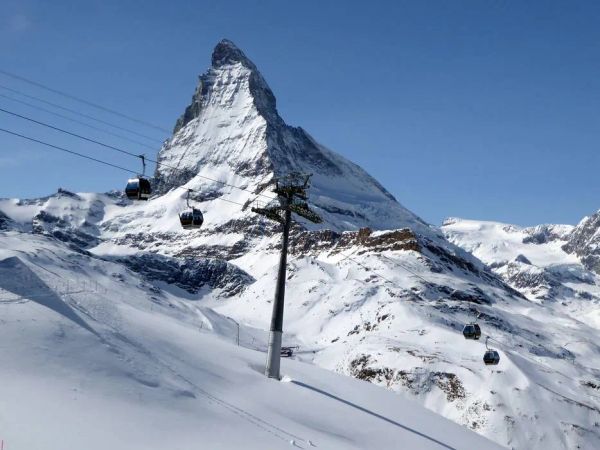
Zermatt is having another crack at a World Cup downhill, and this time nobody has to cross a border. Around 13 million Swiss francs is going into rebuilding the Gornergrat piste, including a jump fed by a roughly 300-metre in-run across the roof of the Gornergrat Railway gallery, with the Matterhorn lined up behind it for the TV cameras. First men’s race is pencilled in for March 2028, pending FIS homologation.
14 Oct 2026
Mt. Rose Begins Snowmaking for the 2026-27 Season at Lake Tahoe
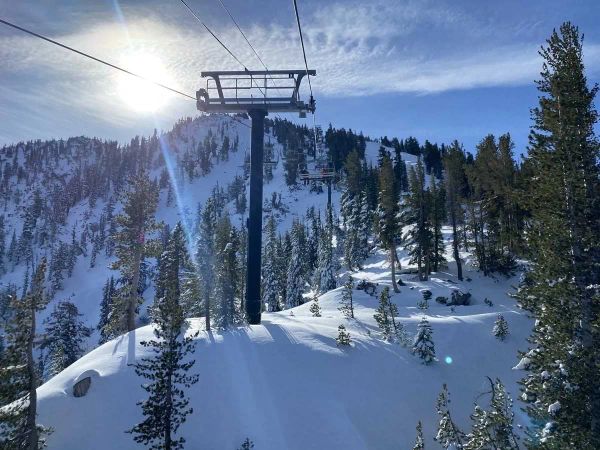
Lake Tahoe’s highest base elevation is paying off early: Mt. Rose has started making snow for 2026-27 after the first flurries and a cold snap. The Nevada resort is backing it with nearly US$2 million in upgrades, including a replacement snowmaking main line, a new PistenBully groomer and restraint bars on every lift. Opening day is yet to be confirmed, though Heavenly and Northstar are already eyeing 20 November.
13 Oct 2026
Utah Ski Resorts 2026-27: What’s New at Alta, Deer Valley, Powder Mountain and More
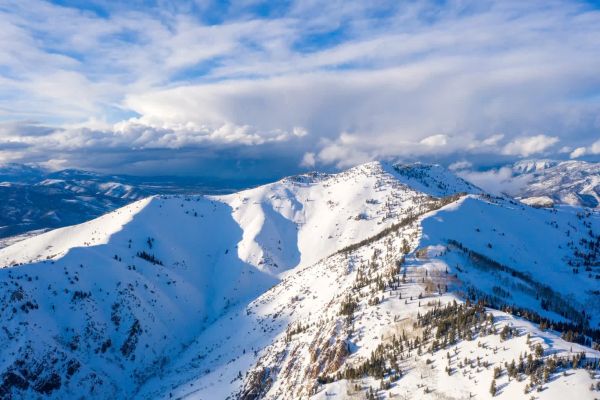
Utah is still building flat out. For 2026-27, Powder Mountain opens a steep new Skytrac chair into more than 1,000 acres of advanced terrain, Deer Valley adds 200 acres on Hail Peak, Sundance gets a new quad and Park City adds a gondola from its new parking structure. Snowmaking is expanding almost everywhere, Eagle Point stays closed after the Cottonwood Fire, and the 2034 Games are setting the pace. Here’s what’s new, resort by resort.
13 Oct 2026
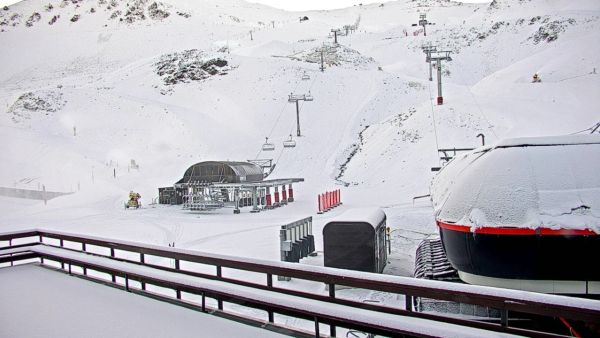
Mt Hutt Invests NZ$12 Million in Base Area, Tripling Its Sun Deck
Mt Hutt is getting busier, and its base lodge is about to catch up. NZ$12 million goes into a heated sun deck roughly three times the current size (430 m² to 1,300 m²), plus a new toilet block, heated steps down to snow level, extra storage and a new food and beverage outlet. Building starts after the 2026 season, with everything due for winter 2027.
11 Oct 2026
Megève / Saint-Gervais Lift Tickets
Megève / Saint-Gervais lift tickets & passes
Opening day for the winter 2026 - 2027 season is scheduled for Dec 12, 2026 (subject to change). Lift tickets at Megève / Saint-Gervais typically go on sale well before the start of the ski season.
Lift tickets FAQ
How much does a Megève / Saint-Gervais day pass cost?
Megève / Saint-Gervais day pass pricing varies by date and advance booking - see the full breakdown in the tickets panel.
Can I buy Megève / Saint-Gervais lift tickets online?
Yes, you can purchase tickets online or at the resort ticket office.
Are there discounts for multi-day passes?
Yes, multi-day packages typically offer significant savings compared to individual day passes. The per-day cost decreases with longer stays.
What is included with a Megève / Saint-Gervais lift ticket?
Full access to all lifts and trails at Megève / Saint-Gervais, including mountain safety and patrol services.
What is the difference between Megève / Saint-Gervais lift tickets and ski passes?
"Lift tickets" and "ski passes" refer to the same thing at Megève / Saint-Gervais - your access to the mountain's lifts and trails for your chosen duration.
When should I buy Megève / Saint-Gervais lift tickets for the best price?
Purchase tickets at least 7 days in advance for the best rates, and consider weekday visits for further savings over weekend rates.
Does Megève / Saint-Gervais offer group discounts on lift tickets?
Group discounts are typically available for parties of 10 or more. Contact Megève / Saint-Gervais directly for group booking information and rates.
How can I check current conditions before buying tickets?
Before purchasing, check the live snow report and mountain webcams to see current weather, snow conditions, and lift operations at Megève / Saint-Gervais.
More Megève / Saint-Gervais intelligence: snow report, webcams, resort overview.