
The Overview
Michael Fulton
Melbourne-based skier and snowboarder with 50+ resorts across 5 continents. Specialises in Australian resorts and international resort comparisons.
The interconnected domain spans 263 kilometres of piste across 232 marked runs, stretching from 850 metres in the valley to 2,353 metres atop Mont Joly. The 1,503-metre vertical drop carves through predominantly tree-lined terrain below 2,000 metres before opening to alpine bowls at higher elevations. Both resorts form part of the Évasion Mont-Blanc pass, granting access to 445 kilometres across six linked areas including Les Contamines and Combloux. The Rochebrune cable car, France's first purpose-built skiing gondola from 1933, remains an operational centrepiece.
Terrain distribution favours progression: 37 per cent green and blue, 51 per cent intermediate red, and 12 per cent advanced black. Mont d'Arbois delivers long cruising runs through forest, whilst Mont Joux and Mont Joly host steeper pitches including the black Grand Chamois descent. Rochebrune's Côte 2000 sector maintains more reliable snow at 2,000 metres elevation. The Jaillet sector connects westward to Combloux via 5.5-kilometre blue runs.
Megève village sits at 1,113 metres with medieval cobbled streets and direct gondola access to Rochebrune and Jaillet. Saint-Gervais at 850 metres offers thermal spa facilities alongside ski-in access via the Bettex gondola. Both bases blend alpine charm with functional infrastructure, though lower elevations require snowmaking coverage across 650 snow cannons. La Folie Douce occupies the Mont Joux summit at 2,000 metres.
The Évasion Mont-Blanc pass covers all lifts for €63.50 daily (2025-26 adult rate). Mont Blanc Unlimited adds Chamonix, Courmayeur, and Verbier for extended exploration. The domain suits intermediates seeking mileage and families requiring varied terrain, though modest summit elevations make spring conditions variable. Ikon Pass holders receive conditional access to the full Évasion network.
1503m
Vertical
232
Runs
263 km
Piste
4m
Annual snow
The Terrain
232 runs across 263 km of piste
Megève and Saint-Gervais share 263 kilometres of piste and 232 runs, dropping 1,503 metres from the 2,353-metre high point to an 850-metre valley floor. The grading is 37% beginner, 51% intermediate and 12% advanced, with nothing rated expert. Skiing falls into three main sectors: Rochebrune with Côte 2000, Mont d'Arbois running across to Saint-Gervais, and Le Jaillet towards Combloux. Long, groomed reds through the trees are the staple here. Gondolas and six-seaters carry the main traffic, while T-bars, 42 of them, serve the outer slopes.
Mont d'Arbois is the largest and most varied sector, with long reds looking across to Mont Blanc and blacks such as Princesse. The higher pitches on Mont Joly above Saint-Gervais are longer and steeper, and the Chamois black is the sharper test. Off-piste lines run through open fields and between the trees from Mont Joly towards Saint-Nicolas, best skied with a guide. From Jaillet, a six-seat chair to Christomet opens the link to La Giettaz. This is intermediate mileage country, good for families, while advanced skiers will find few pistes to challenge them and lower slopes lean on snowmaking.
Terrain split
232
runs
232 runs across 4 grades
Beginner86 runs · 37%
Intermediate118 runs · 51%
Advanced28 runs · 12%
Expert0 runs · 0%
Time it right
When to visit Megève / Saint-Gervais
The 2025-26 season runs from 6 December 2025 (partial opening Côte 2000 and Mont d'Arbois) to 6 April 2026 for Megève sectors, with Rochebrune and Mont d'Arbois closing simultaneously. Saint-Gervais operates the same window, though upper lifts may extend through Easter depending on cover. Typical seasons span mid-December to early April, with Côte 2000's higher elevation occasionally holding snow into late April. Full terrain opening typically occurs by Christmas week.
Annual snowfall averages 321 to 331 centimetres, supplemented by 650 snow cannons covering approximately 15 per cent of marked runs. Base elevations between 850 and 1,113 metres make the domain vulnerable during warm spells, particularly March onwards when lower runs require artificial support. Summit zones above 2,000 metres maintain more consistent coverage. January and February deliver the most reliable natural accumulation.
Peak powder months run January through mid-February, avoiding February half-term crowds (8 to 22 February typically). Early December offers uncrowded slopes but limited terrain access. March provides spring conditions with extended daylight and warmer temperatures, though base runs often close by afternoon. Post-Easter skiing concentrates on Côte 2000 north-facing aspects.
The calendar includes traditional markets each Friday in Megève village. Night skiing operates periodically on select runs. Folie Douce après-ski runs daily from 14:00 atop Mont Joux. No major competitions anchor the season. Horse-drawn sleighs transport skiers between Megève centre and Jaillet base during daylight hours.
Season 2026 - 2027
12 Dec 2026
Opens
4 Apr 2027
Closes
113
Days open
4 m
Annual snow
Getting there
Getting to Megève / Saint-Gervais, and where to stay
Megève occupies the Arve valley in Haute-Savoie at 1,113 metres, with Saint-Gervais-les-Bains 12 kilometres northwest at 850 metres elevation in the same watershed. The Mont Blanc massif dominates eastern views, rising to 4,808 metres 20 kilometres distant. The ski domain spreads across forested mid-mountain terrain between the Aravis range west and the Mont Blanc foothills east. Both villages sit within the Auvergne-Rhône-Alpes administrative region.
Sallanches lies 12 kilometres northeast as the nearest valley town with rail connections. Combloux neighbours 4 kilometres from Megève, whilst Chamonix sits 30 kilometres east via the Arve valley. Annecy occupies the lakeshore 60 kilometres northwest. The area developed as a medieval farming district before the Rothschild family conceived Megève as France's answer to St Moritz during the 1920s.
Road access follows the A40 Autoroute Blanche from Geneva, exiting at Sallanches (Exit 20) then continuing 12 kilometres via the D1212 departmental road to Megève. From Lyon 200 kilometres south, the A43 and A41 motorways connect via Albertville. Swiss travellers require a motorway vignette; Italian arrivals use the Mont Blanc tunnel (A40). Journey time from Geneva airport averages 70 minutes in clear conditions.
Geneva International Airport lies 90 kilometres northwest with the highest frequency of international routes. Chambéry airport sits 95 kilometres south, Lyon 172 kilometres. Sallanches-Combloux-Megève train station receives direct TGV services from Paris Gare de Lyon (4 hours 40 minutes weekends), plus regional TER trains from Annecy and Geneva via Léman Express connections. Bus transfers complete the 12-kilometre link from Sallanches station, operated by SAT Mont Blanc on line Y83.
Where to stay
Search all stays →Hotels and lodges near Megève / Saint-Gervais, powered by Stay22.
Latest News
From the SnowStash desk

Vermont Ski Resort Opening Dates 2026-27: Few Dates Set, Killington Waits on the Cold
Vermont's season is slow to take shape. Stratton is tentatively targeting 18 November and Sugarbush 21 November, while Pico has Friday 11 December on the calendar. Killington never sets a date and opens when the snowmaking allows, and Vail Resorts has yet to name days for Stowe, Okemo and Mount Snow. The forecasts disagree about snow, and the main El Niño worry for the Green Mountains is warmth.
9 Oct 2026
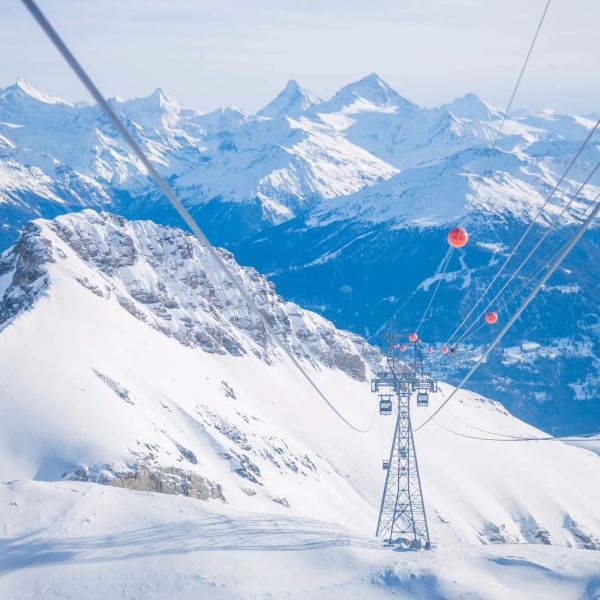
Crans-Montana 2027 World Championships President Resigns Ahead of Fraud Hearing
Less than four months out from the Crans-Montana 2027 World Championships, the man running the organising committee has stepped down. Claude-Alain Schmidhalter resigned as Swiss-Ski vice president and OC president after being indicted over a business dispute unrelated to skiing. He denies the allegations and faces court on October 27. Interim leaders are in place for the February 1-14 event.
9 Oct 2026
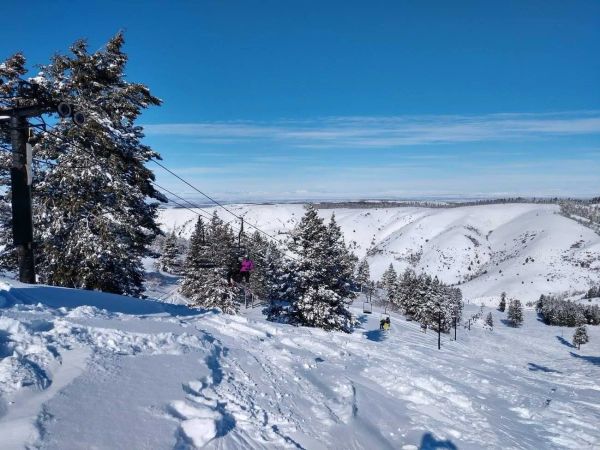
Kelly Canyon, Idaho, Adds Snowmaking, a Bigger Terrain Park and More Parking for 2026-27
Kelly Canyon had a rough 2025-26, and the Idaho resort has spent the summer making sure it doesn’t repeat. Snowmaking now reaches the top of Goldrush, the terrain park is doubling in size with a stereo system, lights and a snack shack, and the car park is getting bigger. Grooming is stepping up too. Target opening is December 4, conditions permitting.
9 Oct 2026
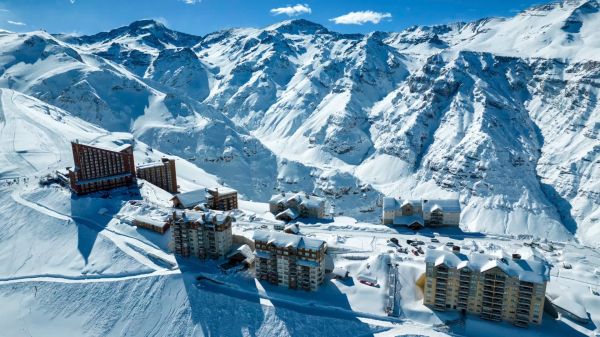
Valle Nevado Extends Season to November 8 After 108 cm in 48 Hours
Winter was meant to be winding down in Chile. Then Valle Nevado took 108 cm in 48 hours in early October, and the resort has pushed its closing date out to November 8 - its latest in 38 years of operation. That makes 143 days of skiing since opening day on June 19, with 690 cm banked for the season. Only part of the mountain is running while the storm settles, so check the mountain report before you plan a trip.
9 Oct 2026
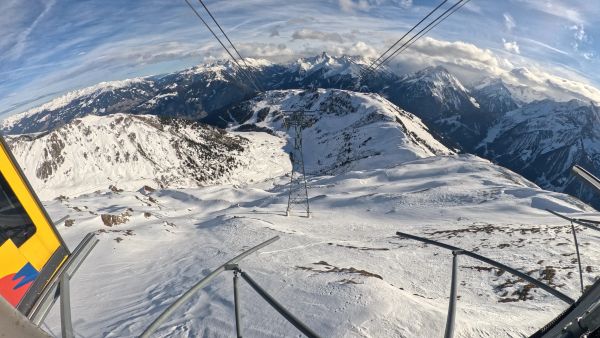
Alps Snow Forecast: Cold Front Brings Thursday Snow to the High Alps
The Alps look a lot more like winter today, for a day or so. A cold front is moving west to east, dropping up to 35 cm on high glaciers and peaks, with snow levels falling to around 1,500-1,800 m at times. Don’t plan a trip around it: mid-elevation snow will be thin and wet, every area is closed bar a limited Sölden glacier opening tomorrow, and warmer weather returns by Monday.
8 Oct 2026
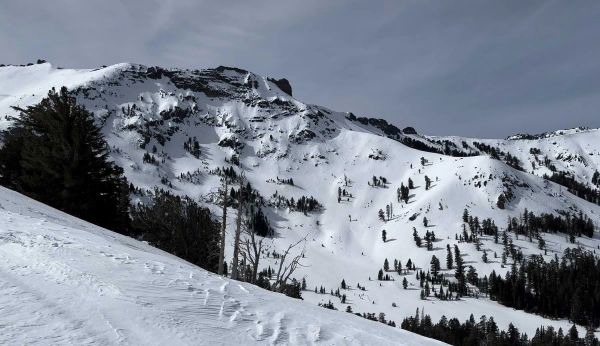
California Ski Resort Opening Dates 2026-27: Mammoth Leads, Tahoe Follows
Mammoth Mountain is first up in California, targeting Friday 13 November after a dusting of September snow. Heavenly and Northstar follow on 20 November, Palisades Tahoe on Wednesday 25 November and Sugar Bowl on 27 November, with Kirkwood on 4 December and June Mountain on 19 December. Plenty of smaller areas have no date yet. A super El Niño favours the Sierra, but a warmer storm track is the catch.
7 Oct 2026
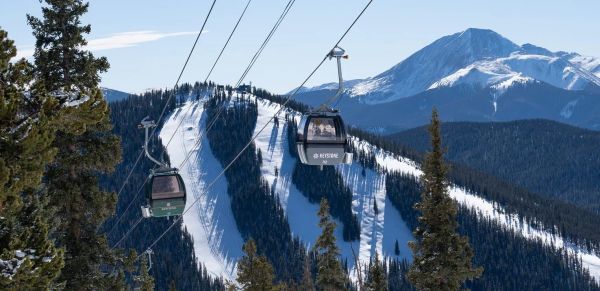
Colorado Ski Resort Opening Dates 2026-27: A-Basin and Keystone Race to Be First
Arapahoe Basin, Keystone and Winter Park are all chasing an October start, though none has a firm date yet. The first dated openers are Breckenridge and Copper on Friday 6 November, then Vail on 13 November, with most of the rest bunched around US Thanksgiving. Hesperus did not open at all last season. A super El Niño offers hope but no guarantee, and forecasters say the southern mountains have the better odds.
5 Oct 2026
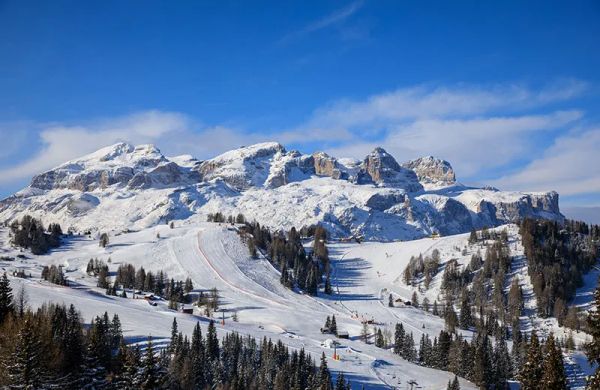
Dolomiti Superski 2026-27: Four New Gondolas, New Reservoirs and an €89 Peak Day Pass
Dolomiti Superski is spending around €100 million across its 12 areas before winter. Kronplatz gets a new 10-passenger gondola with a middle station, 3 Zinnen gets Helmissimo, and Val di Fassa swaps a chairlift for a gondola above Col Valvacin. New water-storage basins and upgraded snowmaking follow, and construction has started on the San Martino to Passo Rolle link. A peak adult day pass is €89.
4 Oct 2026