
The Overview
Michael Fulton
Melbourne-based skier and snowboarder with 50+ resorts across 5 continents. Specialises in Australian resorts and international resort comparisons.
Valberg / Beuil les Launes extends across 90 kilometres of piste between 1,412 and 2,020 metres, delivering 608 metres of vertical drop across 42 marked runs. The terrain splits 50% beginner, 39% intermediate and 11% advanced, serviced by 23 lifts connecting the linked villages of Valberg and Beuil les Launes. Positioned on the edge of Mercantour National Park in the Alpes-Maritimes, the resort operates 350 snow cannons covering 45 kilometres of piste to supplement natural snowfall at altitudes where tree-lined runs predominate.
Founded in 1936, Valberg holds the distinction of being the oldest ski resort in the Alpes-Maritimes, celebrating 90 years of operation in 2026. The first ski lift in the department was installed on the Sapet slopes that year, launching winter sports development in France's southern Alps. Today the resort carries the Flocon Vert label recognising environmental commitment and the Famille Plus certification reflecting family infrastructure. Three terrain parks serve freestylers, whilst 25 kilometres of Nordic trails operate from the Beuil les Launes sector.
The resort village sits at 1,700 metres in an open plateau configuration offering views towards Mont Mounier at 2,817 metres and the Mercantour peaks. Below-treeline skiing through larch and spruce forests defines the character, with runs averaging shorter length than high-altitude destinations but providing sheltered conditions. The linked area between Valberg and Beuil accommodates spread-out terrain rather than concentrated vertical, suiting progression skiers over steep-seekers. On clear days visibility extends to the Mediterranean Sea 85 kilometres distant.
Just 90 minutes from Nice Côte d'Azur airport, Valberg targets weekend visitors from the French Riviera alongside destination tourists seeking accessible Southern Alps skiing. The resort books solid for beginner and early intermediate skiers, families utilising discounted youth passes, and those prioritising sunshine over extreme terrain. The 2025-26 season runs 20 December to 6 April, covering a typical mid-December through late March window with extensions dependent on snowpack. Valberg suits learners, Mediterranean-climate converts and those sampling ski culture without committing to major Alpine altitudes.
608m
Vertical
42
Runs
90 km
Piste
4m
Annual snow
The Terrain
42 runs across 90 km of piste
Valberg and Beuil les Launes form a small, tree-lined ski area in the Alpes-Maritimes, with 90 kilometres of piste across 42 runs between 1,412 and 2,020 metres, a vertical of 608 metres. Half of the terrain is beginner, 39% intermediate and 11% advanced, with no expert runs, so the emphasis is on learning and relaxed cruising rather than steeps. Drag lifts outnumber chairs by more than two to one, which suits short, repeatable laps, and a single six-seat chair handles the main link between the two villages.
Beginners start on the Garibeuil carpets and the Croix du Sapet and Tête du Sapet chairs. The six-seat Eguilles chair joins Valberg to Beuil les Launes, and Tête des Eguilles gives views towards the Mercantour peaks. Runs thread through larch and spruce, offering shelter in wind and poor light, though the vertical is modest and the pistes run short. Freeride terrain is minimal, and strong skiers will exhaust the options fast. It suits learners, families and weekenders from Nice, which is about 90 minutes away, and anyone wanting a relaxed introduction to skiing in the southern Alps.
Terrain split
42
runs
42 runs across 4 grades
Beginner21 runs · 50%
Intermediate16 runs · 39%
Advanced5 runs · 11%
Expert0 runs · 0%
Time it right
When to visit Valberg / Beuil les Launes
The 2025-26 season operates from 20 December 2025 through 6 April 2026, spanning 108 days across the Christmas-to-Easter corridor typical of Southern Alps resorts. Valberg opened 13 December for the 2025 season, with closures historically falling late March to early April depending on cover. The resort enjoys over 300 days of sunshine annually thanks to its southern plateau location, though this Mediterranean influence moderates snowfall compared to northern Alpine counterparts. Annual snowfall averages 4 metres at altitude, requiring active snowmaking deployment.
Snow reliability leans heavily on the 350-cannon system covering 45 kilometres across 85% of the ski area, with operations concentrated on north-facing sectors and lower-altitude links. January and February deliver optimal natural conditions with southern sunshine enhancing on-piste experience, whilst December and March depend more substantially on machine-made base. The resort's 1,412-metre base elevation sits low for assured natural coverage, making the snowmaking infrastructure essential for season-length operations. Peak snowfall arrives in early March historically, with February delivering the most consistent coverage.
Quiet periods include early December before Christmas, early January post-New Year, and late March as temperatures warm. Peak crowds concentrate around February school holidays when Riviera families and international visitors overlap. The resort programmes torchlight descents, fireworks and Christmas markets through December, whilst the Mountain Festival in early August brings summer programming. Night skiing does not feature in the standard offer. Spring conditions from mid-March favour softening snow and extended daylight, appealing to recreational skiers over powder hunters.
The shoulder seasons prove variable, with opening dependent on early December snowfall or snowmaking windows and closing driven by April warmth. Valberg's Mediterranean proximity means rapid melt once temperatures rise, limiting the extended spring season found at 2,500-metre resorts. The resort communicates that optimal skiing occurs January through mid-March, with December and late-season representing compromise periods. Snowshoeing and Nordic skiing extend viability through marginal conditions when alpine terrain contracts.
Season 2026 - 2027
12 Dec 2026
Opens
4 Apr 2027
Closes
113
Days open
4 m
Annual snow
Getting there
Getting to Valberg / Beuil les Launes, and where to stay
Valberg sits at 1,700 metres on a mountain plateau in the Alpes-Maritimes department of Provence-Alpes-Côte d'Azur, positioned at the junction of three valleys: the Cians, Haute Vallée du Var and Tuebi. The resort spans the municipalities of Guillaumes, Péone and Beuil, with the linked Beuil les Launes sector located adjacent. Mercantour National Park borders immediately east, whilst the Mediterranean coastline lies 85 kilometres south. Mont Mounier rises to 2,817 metres north of the ski area, dominating the skyline above predominantly forested skiing terrain.
Nice sits 86 kilometres southeast via the RN 202 and either the D28 through the Gorges du Cians or the D2202 through the Gorges de Daluis, both offering dramatic red-rock canyon scenery. The medieval villages of Guillaumes and Péone provide valley-floor context 12-14 kilometres from the resort, with Beuil preserving alpine architecture including 17th-century churches and historical wash houses. The Cians and Daluis gorges create natural gateways from the coast, with the roads climbing through narrow passages carved by mountain rivers. The region's name derives from "Val" for valley and "Berg" referencing shepherds who historically grazed the high pastures.
Road access from Nice requires the RN 202 towards Digne, then either the D28 at Touet-sur-Var via Beuil or the D2202 via Daluis, with journey times averaging 90 minutes under normal conditions. The A8 Autoroute La Provençale serves as the primary motorway, with exit 51.1 Mercantour for westbound traffic or exit 52 Nice-St Isidore from Italy. Winter driving demands caution through the gorges, with chains or winter tyres compulsory during snow. The winding mountain roads climb steadily from sea level, making the drive scenic but requiring concentration.
Nice Côte d'Azur Airport lies 86 kilometres distant, offering the closest international access with year-round connections across Europe. Transfer options include seasonal bus line 770 from Nice SNCF railway station, private shuttle services, and rental cars for independent access. Cannes airport sits within two hours, whilst Turin Cuneo serves as an alternative three-hour option. Rail connections require arrival at Nice Ville station followed by coordinated bus transfers during winter operations. The proximity to Nice enables day-tripping from Riviera bases, with several transfer operators servicing the resort throughout the season.
Where to stay
Search all stays →Hotels and lodges near Valberg / Beuil les Launes, powered by Stay22.
Latest News
From the SnowStash desk
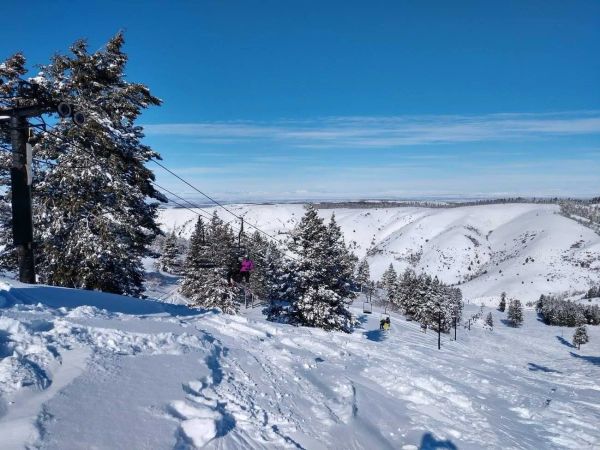
Kelly Canyon, Idaho, Adds Snowmaking, a Bigger Terrain Park and More Parking for 2026-27
Kelly Canyon had a rough 2025-26, and the Idaho resort has spent the summer making sure it doesn’t repeat. Snowmaking now reaches the top of Goldrush, the terrain park is doubling in size with a stereo system, lights and a snack shack, and the car park is getting bigger. Grooming is stepping up too. Target opening is December 4, conditions permitting.
9 Oct 2026
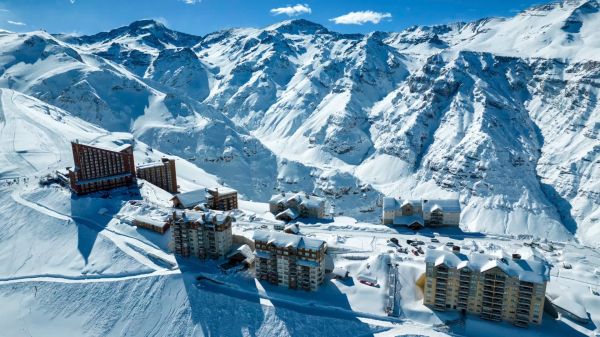
Valle Nevado Extends Season to November 8 After 108 cm in 48 Hours
Winter was meant to be winding down in Chile. Then Valle Nevado took 108 cm in 48 hours in early October, and the resort has pushed its closing date out to November 8 - its latest in 38 years of operation. That makes 143 days of skiing since opening day on June 19, with 690 cm banked for the season. Only part of the mountain is running while the storm settles, so check the mountain report before you plan a trip.
9 Oct 2026
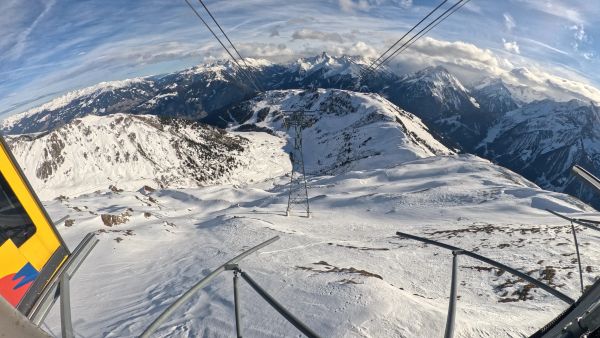
Alps Snow Forecast: Cold Front Brings Thursday Snow to the High Alps
The Alps look a lot more like winter today, for a day or so. A cold front is moving west to east, dropping up to 35 cm on high glaciers and peaks, with snow levels falling to around 1,500-1,800 m at times. Don’t plan a trip around it: mid-elevation snow will be thin and wet, every area is closed bar a limited Sölden glacier opening tomorrow, and warmer weather returns by Monday.
8 Oct 2026
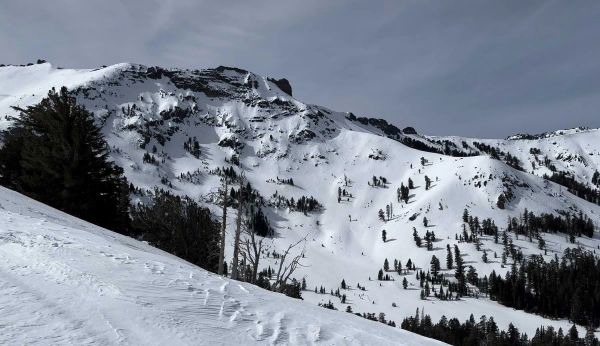
California Ski Resort Opening Dates 2026-27: Mammoth Leads, Tahoe Follows
Mammoth Mountain is first up in California, targeting Friday 13 November after a dusting of September snow. Heavenly and Northstar follow on 20 November, Palisades Tahoe on Wednesday 25 November and Sugar Bowl on 27 November, with Kirkwood on 4 December and June Mountain on 19 December. Plenty of smaller areas have no date yet. A super El Niño favours the Sierra, but a warmer storm track is the catch.
7 Oct 2026
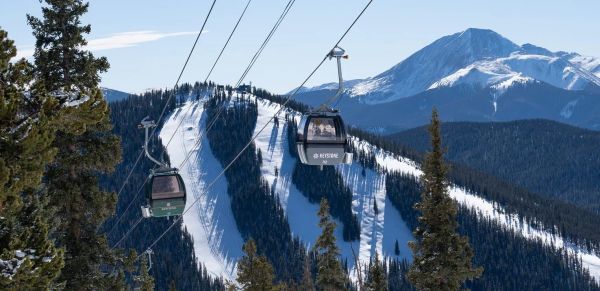
Colorado Ski Resort Opening Dates 2026-27: A-Basin and Keystone Race to Be First
Arapahoe Basin, Keystone and Winter Park are all chasing an October start, though none has a firm date yet. The first dated openers are Breckenridge and Copper on Friday 6 November, then Vail on 13 November, with most of the rest bunched around US Thanksgiving. Hesperus did not open at all last season. A super El Niño offers hope but no guarantee, and forecasters say the southern mountains have the better odds.
5 Oct 2026
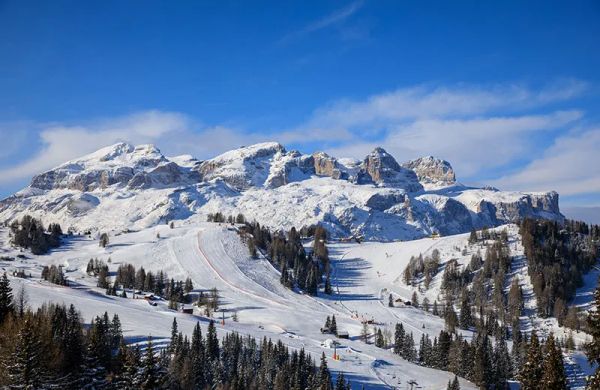
Dolomiti Superski 2026-27: Four New Gondolas, New Reservoirs and an €89 Peak Day Pass
Dolomiti Superski is spending around €100 million across its 12 areas before winter. Kronplatz gets a new 10-passenger gondola with a middle station, 3 Zinnen gets Helmissimo, and Val di Fassa swaps a chairlift for a gondola above Col Valvacin. New water-storage basins and upgraded snowmaking follow, and construction has started on the San Martino to Passo Rolle link. A peak adult day pass is €89.
4 Oct 2026
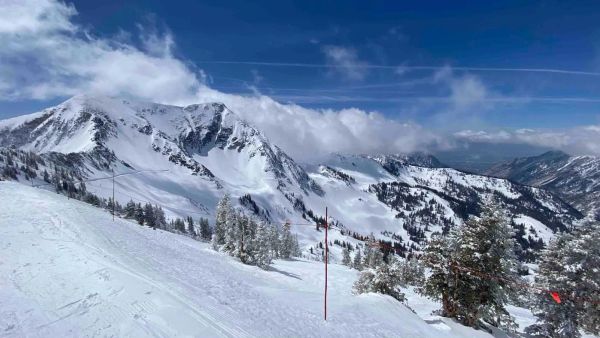
Utah Ski Resort Opening Dates 2026-27: Brian Head First, Eagle Point Out
Brian Head is targeting 6 November, though last year it aimed for 7 November and did not open until the 25th. Park City, Alta and Solitude are pencilled in for 20 November, Snowbird and Snowbasin for 27 November, and Deer Valley for 5 December. Eagle Point will stay closed after the Cottonwood Fire. A super El Niño is forecast, but the big snow is not expected until January.
4 Oct 2026
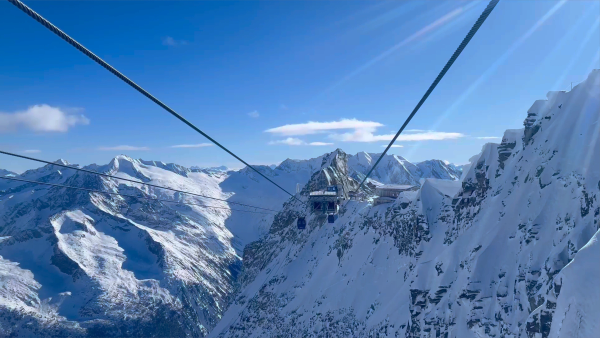
Hintertux Glacier Opens for 2026-27 With 12 Kilometres of Piste
Hintertux became Austria's second glacier to open for 2026-27 on Friday 2 October, after the Pitztal Glacier. Twelve kilometres of piste are running around the Olperer and Gefrorene Wand, served by one gondola and two drag lifts, with the Betterpark also open. Lifts officially run 8:15 am to 4:30 pm, but skiing stops at 2 pm for now.
4 Oct 2026