
The Overview
As Germany's highest ski area, the Zugspitze peaks at 2,962 meters, offering reliable snow conditions and spectacular views across four countries. The glacier ski area delivers 20 kilometers of predominantly intermediate slopes in a dramatic high-alpine setting. Beyond the glacier, the connected Garmisch-Classic area provides additional varied terrain. The Zugspitze's unique position as Germany's alpine crown creates an unforgettable skiing experience, combining high-altitude glacier runs with panoramic vistas of over 400 peaks in Germany, Austria, Italy, and Switzerland.
720m
Vertical
11
Runs
20 km
Piste
9m
Annual snow
Garmisch Classic Pass
Pass
The Terrain
11 runs across 20 km of piste
Zugspitze is Germany's highest ski area and the only one on a glacier plateau, with 11 runs over 20 kilometres from 2,000 to 2,720 metres, a vertical of 720 metres. The split is 35% beginner, 40% intermediate, 20% advanced and 5% expert, a more even spread than most German hills. Access is mechanical and distinctive, with a rack train, two aerial trams, two six-seat chairs and four T-bars carrying skiers up. The terrain faces south, so the slopes are sunny and open, with wide views across the surrounding Wetterstein ranges.
The Zugspitzplatt is the heart of the skiing at Zugspitze, a broad, open plateau above the treeline where wide groomers sweep across the glacier basin. Beginners can find gentle ground, intermediates get a good run of long cruisers, and the steeper pitches and ungroomed sections draw stronger skiers. The area is covered by the Garmisch Classic pass. It suits mixed-ability groups wanting high-altitude skiing in Germany, and visitors should allow time for the ride up, check conditions before leaving the valley, and treat the glacier as a day-long outing rather than a quick lap.
Terrain split
11
runs
11 runs across 4 grades
Beginner4 runs · 35%
Intermediate4 runs · 40%
Advanced2 runs · 20%
Expert1 run · 5%
Time it right
When to visit Zugspitze
The glacier ski area typically operates from November through May, offering Germany's most reliable snow conditions. At this altitude, natural snowfall averages 350cm annually, while the glacier location helps maintain consistent conditions throughout the season. The area's high-alpine position above 2,000 meters ensures good snow preservation, particularly on north-facing slopes. Snowmaking supplements natural coverage on key runs, though the glacier environment generally maintains excellent natural conditions.
Season 2026 - 2027
28 Nov 2026
Opens
2 May 2027
Closes
155
Days open
9 m
Annual snow
Getting there
Getting to Zugspitze, and where to stay
The Zugspitze rises above the traditional Bavarian town of Garmisch-Partenkirchen, just 90 kilometers south of Munich. Access is possible from both the German and Austrian sides, with the main cable car departing from Eibsee. The resort's proximity to Munich Airport (2 hours) makes it easily accessible for international visitors. The base town of Garmisch-Partenkirchen combines classic Bavarian culture with modern amenities, offering extensive accommodation options and authentic Alpine atmosphere.
Where to stay
Search all stays →Hotels and lodges near Zugspitze, powered by Stay22.
Latest News
From the SnowStash desk
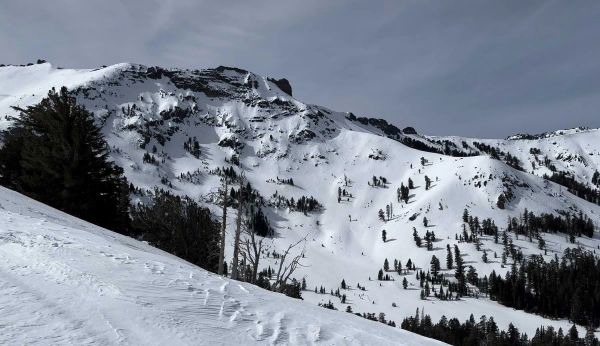
California Ski Resort Opening Dates 2026-27: Mammoth Leads, Tahoe Follows
Mammoth Mountain is first up in California, targeting Friday 13 November after a dusting of September snow. Heavenly and Northstar follow on 20 November, Palisades Tahoe on Wednesday 25 November and Sugar Bowl on 27 November, with Kirkwood on 4 December and June Mountain on 19 December. Plenty of smaller areas have no date yet. A super El Niño favours the Sierra, but a warmer storm track is the catch.
7 Oct 2026
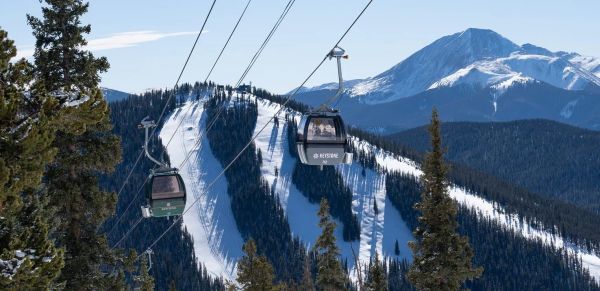
Colorado Ski Resort Opening Dates 2026-27: A-Basin and Keystone Race to Be First
Arapahoe Basin, Keystone and Winter Park are all chasing an October start, though none has a firm date yet. The first dated openers are Breckenridge and Copper on Friday 6 November, then Vail on 13 November, with most of the rest bunched around US Thanksgiving. Hesperus did not open at all last season. A super El Niño offers hope but no guarantee, and forecasters say the southern mountains have the better odds.
5 Oct 2026
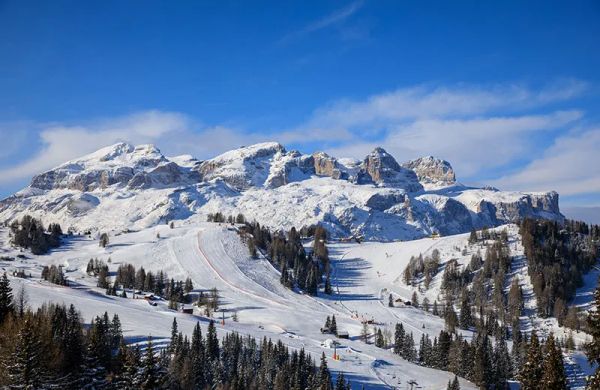
Dolomiti Superski 2026-27: Four New Gondolas, New Reservoirs and an €89 Peak Day Pass
Dolomiti Superski is spending around €100 million across its 12 areas before winter. Kronplatz gets a new 10-passenger gondola with a middle station, 3 Zinnen gets Helmissimo, and Val di Fassa swaps a chairlift for a gondola above Col Valvacin. New water-storage basins and upgraded snowmaking follow, and construction has started on the San Martino to Passo Rolle link. A peak adult day pass is €89.
4 Oct 2026
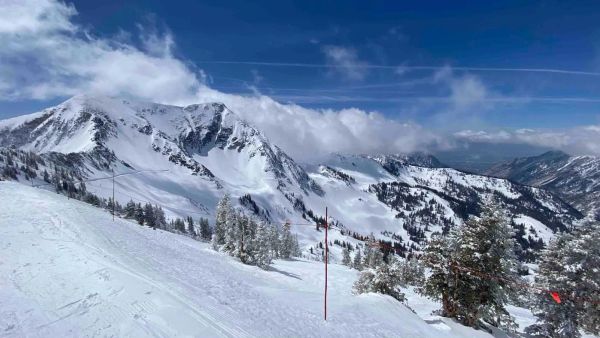
Utah Ski Resort Opening Dates 2026-27: Brian Head First, Eagle Point Out
Brian Head is targeting 6 November, though last year it aimed for 7 November and did not open until the 25th. Park City, Alta and Solitude are pencilled in for 20 November, Snowbird and Snowbasin for 27 November, and Deer Valley for 5 December. Eagle Point will stay closed after the Cottonwood Fire. A super El Niño is forecast, but the big snow is not expected until January.
4 Oct 2026
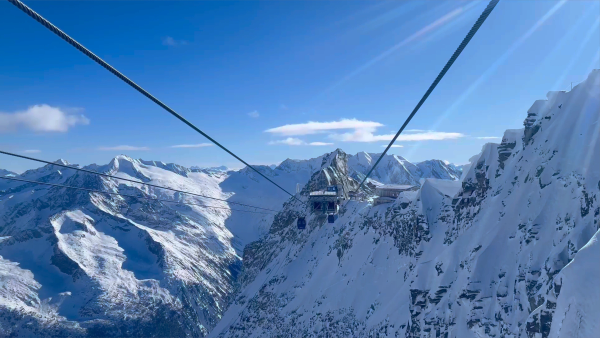
Hintertux Glacier Opens for 2026-27 With 12 Kilometres of Piste
Hintertux became Austria's second glacier to open for 2026-27 on Friday 2 October, after the Pitztal Glacier. Twelve kilometres of piste are running around the Olperer and Gefrorene Wand, served by one gondola and two drag lifts, with the Betterpark also open. Lifts officially run 8:15 am to 4:30 pm, but skiing stops at 2 pm for now.
4 Oct 2026
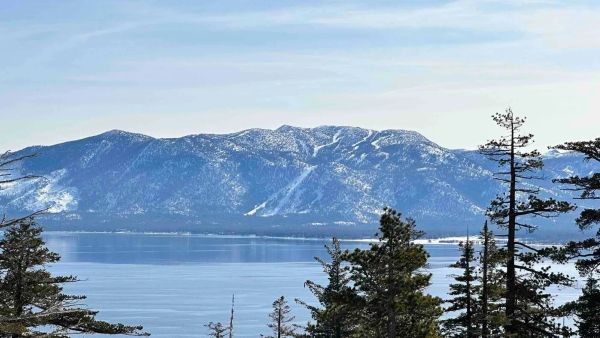
Vail Resorts Counts the Cost of a Thin Winter as Pass Sales Slide Further
A historically poor western winter cut Vail Resorts' annual net income from $280 million to $147.5 million and skier visits by 13.4 per cent. Now 2026-27 pass units are down 12 per cent as of 18 September, worse than the 10 per cent flagged in spring. Vail blames the weather and thinks some buyers are simply waiting, and it forecasts a rebound if the snow behaves.
3 Oct 2026
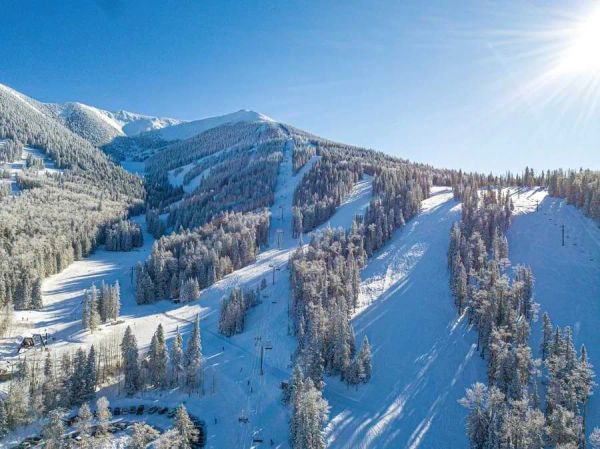
Arizona Snowbowl's $1 Lift Tickets Are Hard to Find, but $9 Days Are Not
Arizona Snowbowl advertised eight $1 lift ticket days this winter. Go looking and only three are showing - 10 March, 1 April and 10 April - so the rest may already have gone. The consolation is a calendar full of $9 days, including all but one day in April. Opening day is 20 November, weather permitting, and opening weekend is $19.
2 Oct 2026
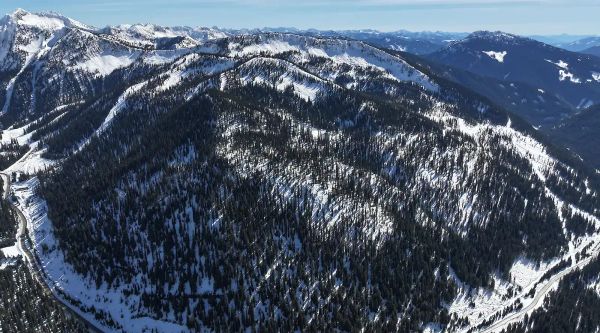
Whitewater Brings Its Short Side Inbounds, With Six New Runs for 2026-27
For years, Whitewater's Short Side was where you ducked a rope and hoped for the best: unmapped, ungroomed and unpatrolled. This winter it's inbounds. Six new runs of glades and fall-line skiing add 190 acres (about 77 hectares), taking the resort past 1,400 acres in total. F2 Logging spent a month in the trees to make it happen, and opening day is pencilled in for 4 December. Bonanza now needs less snow to groom, too.
1 Oct 2026
Zugspitze Lift System
The resort's access centers around the new Zugspitze cable car, a modern engineering marvel that ascends 1,945 vertical meters in just 10 minutes. On the glacier, 7 lifts serve the skiing area, including modern chairlifts and surface lifts adapted to the high-alpine environment. The system can transport 16,000 skiers per hour, with the main cable car offering both skiing and sightseeing access year-round. The lift network ensures efficient circulation around the glacier bowl, maintaining good flow even during peak periods.
9lifts across 4 types
1
Train
2
Aerial Trams
2
6-Person Chairs
4
T-Bars
Zugspitze lift system
Zugspitze is served by 9 lifts, listed here by type. Check which lifts are turning against the live conditions before you plan your first laps - early lifts and high-speed chairs get you to the best snow fastest.
More Zugspitze intelligence: trail map, snow report, webcams, resort overview.