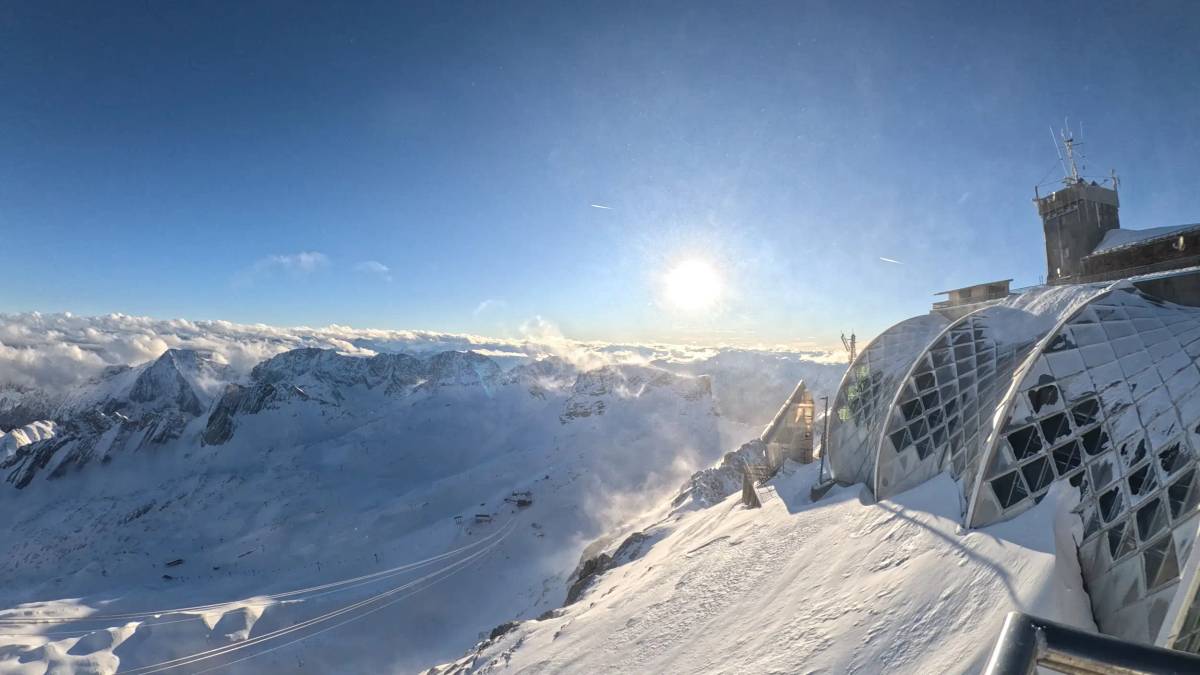
Zugspitze
Experience skiing atop Germany's highest peak. Discover guaranteed glacier snow, spectacular views, and high-Alpine atmosphere.
Season 2026 - 2027
Opens
28 Nov 2026
Closes
2 May 2027
Days open
155
Annual snow
5.3m
The Overview
As Germany's highest ski area, the Zugspitze peaks at 2,962 meters, offering reliable snow conditions and spectacular views across four countries. The glacier ski area delivers 20 kilometers of predominantly intermediate slopes in a dramatic high-alpine setting. Beyond the glacier, the connected Garmisch-Classic area provides additional varied terrain. The Zugspitze's unique position as Germany's alpine crown creates an unforgettable skiing experience, combining high-altitude glacier runs with panoramic vistas of over 400 peaks in Germany, Austria, Italy, and Switzerland.
720m
Vertical
11
Runs
20 km
Piste
5.3m
Annual snow
Garmisch Classic Pass
Pass
The Terrain
11 runs across 20 km of piste
Zugspitze is Germany's highest ski area and the only one on a glacier plateau, with 11 runs over 20 kilometres from 2,000 to 2,720 metres, a vertical of 720 metres. The split is 35% beginner, 40% intermediate, 20% advanced and 5% expert, a more even spread than most German hills. Access is mechanical and distinctive, with a rack train, two aerial trams, two six-seat chairs and four T-bars carrying skiers up. The terrain faces south, so the slopes are sunny and open, with wide views across the surrounding Wetterstein ranges.
The Zugspitzplatt is the heart of the skiing at Zugspitze, a broad, open plateau above the treeline where wide groomers sweep across the glacier basin. Beginners can find gentle ground, intermediates get a good run of long cruisers, and the steeper pitches and ungroomed sections draw stronger skiers. The area is covered by the Garmisch Classic pass. It suits mixed-ability groups wanting high-altitude skiing in Germany, and visitors should allow time for the ride up, check conditions before leaving the valley, and treat the glacier as a day-long outing rather than a quick lap.
Terrain split
11
runs
11 runs across 4 grades
Beginner4 runs · 35%
Intermediate4 runs · 40%
Advanced2 runs · 20%
Expert1 run · 5%
Time it right
When to visit Zugspitze
The glacier ski area typically operates from November through May, offering Germany's most reliable snow conditions. At this altitude, natural snowfall averages 350cm annually, while the glacier location helps maintain consistent conditions throughout the season. The area's high-alpine position above 2,000 meters ensures good snow preservation, particularly on north-facing slopes. Snowmaking supplements natural coverage on key runs, though the glacier environment generally maintains excellent natural conditions.
Season 2026 - 2027
28 Nov 2026
Opens
2 May 2027
Closes
155
Days open
5.3 m
Annual snow
The record
Historical snowfall at Zugspitze
Daily snow reports at Zugspitze go back to 2017, 10 winters on the books. Open the record to compare winters, lifts and piste.
115 cm
Snowiest day
27 Mar 2026
42 cm
This winter · 2026-27
so far
469 cm
Typical winter
average of complete seasons
Winter totals
cm
Past wintersThis winter
Getting there
Getting to Zugspitze, and where to stay
The Zugspitze rises above the traditional Bavarian town of Garmisch-Partenkirchen, just 90 kilometers south of Munich. Access is possible from both the German and Austrian sides, with the main cable car departing from Eibsee. The resort's proximity to Munich Airport (2 hours) makes it easily accessible for international visitors. The base town of Garmisch-Partenkirchen combines classic Bavarian culture with modern amenities, offering extensive accommodation options and authentic Alpine atmosphere.
Where to stay
Search all stays →Hotels and lodges near Zugspitze, powered by Stay22.
Latest News
From the SnowStash desk
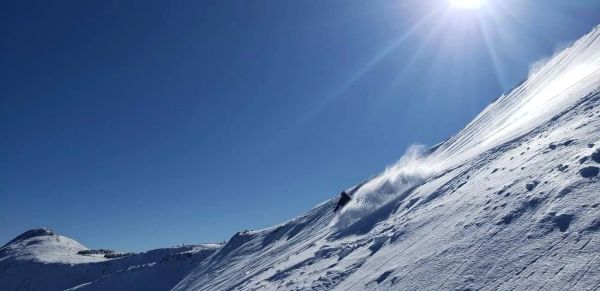
Wolf Creek Opens on Halloween Weekend as Colorado’s Early Season Gathers Pace
Colorado’s early-season dominoes keep falling. Arapahoe Basin opened on Wednesday, Keystone follows on Friday, and now Wolf Creek is joining in on Saturday 31 October, just in time for Halloween. A storm on 23 and 24 October left 20 inches of natural snow in the San Juans, and three lifts will turn from 9:00 am, covering about 30% of the mountain. Expect rocks, unmarked obstacles and open water, but also Local Appreciation lift tickets at $73 for adults.
30 Oct 2026
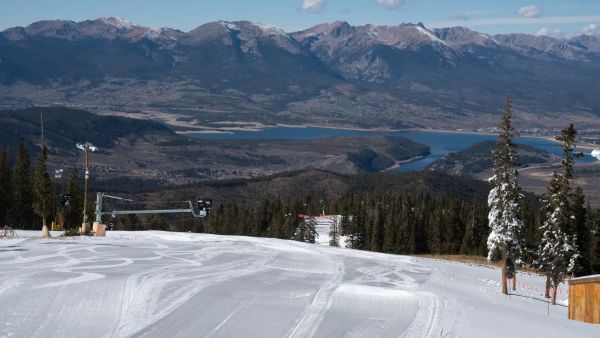
Keystone Resort Opens for 2026/27 With More Than Two Miles of Skiing
Keystone is next. After Arapahoe Basin claimed the first chairlift skiing of the season on Wednesday, Keystone opens on Friday 30 October at 9:00 am with more than two miles of snowmaking-built terrain on Schoolmarm and Silver Spoon, plus free donuts, coffee and a live DJ. Last year the order was reversed, when Keystone squeezed in a three-hour afternoon session to beat A-Basin by a day. Snowmaking has been running since 15 October.
29 Oct 2026
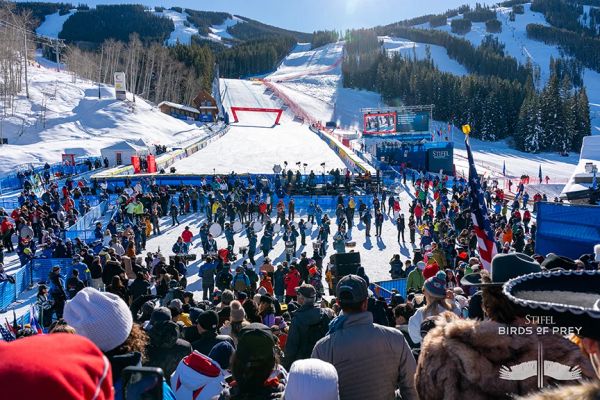
Beaver Creek Installs 16 Automated Snow Guns on Birds of Prey Ahead of Record World Cup
Beaver Creek is getting ready for the biggest Birds of Prey ever, and this time it is not leaving the snow to chance. Crews started making snow on 27 October with 16 newly installed automated guns on the lower third of the course, after last December’s warm spell forced a downhill off the schedule. Seven races across two weekends run from 3 to 13 December, the most the course has hosted since its 1997 debut, and the guns start themselves whenever the weather allows.
29 Oct 2026
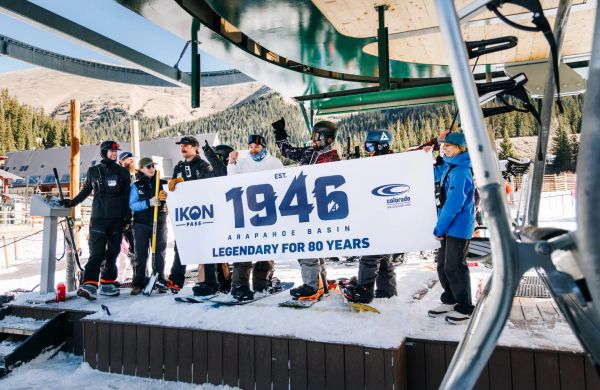
Arapahoe Basin Opens First for North America’s 2026/27 Ski Season
Winter has officially started in North America, and it is one blue run long. On Wednesday 28 October, Arapahoe Basin fired up the Black Mountain Express at around 10:30 am after a surprise announcement just hours earlier, becoming the first major North American resort open for 2026/27. Cold nights, a dusting of natural snow and a lot of snowmaking made it happen in the resort’s 80th winter. More terrain is promised as the snow guns keep running.
28 Oct 2026
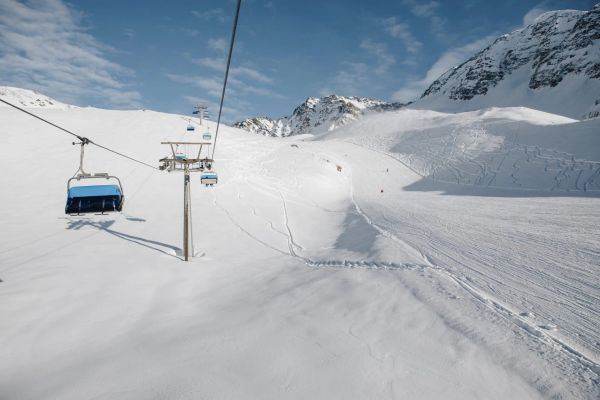
Sulden am Ortler Pushes Its Season Start Back a Week to 7 November
Sulden am Ortler has called off its 31 October opening. The South Tyrol ski area has pushed its 2026/27 start back to Saturday 7 November, citing current weather and snow conditions and saying it will use the extra week to get the slopes in the best possible shape. The season is still scheduled to run through 2 May 2027. Elsewhere in Europe, around a dozen areas are already open, led by Sölden’s 30 kilometres of groomed runs.
28 Oct 2026
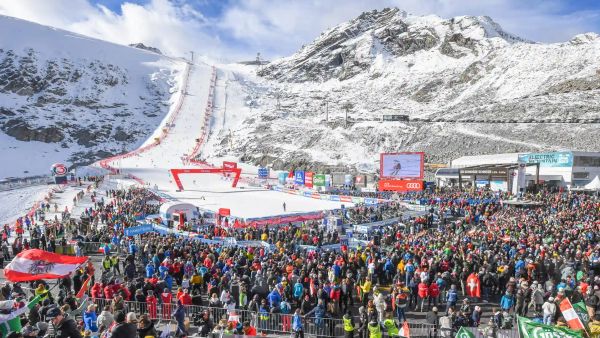
Pinheiro Braathen Wins Sölden Giant Slalom Opener by 0.48 Seconds
Two days at Sölden, two races decided by a hundredth somewhere on the podium, and one very quick Brazilian. Lucas Pinheiro Braathen led from the first run to win the men’s World Cup opener by 0.48 seconds, with Loïc Meillard second and Marco Odermatt third. River Radamus charged from 15th to fourth on a rutted course, and Britain’s Freddy Carrick-Smith banked his first World Cup points. Braathen still hasn’t lost a giant slalom since Olympic gold.
25 Oct 2026
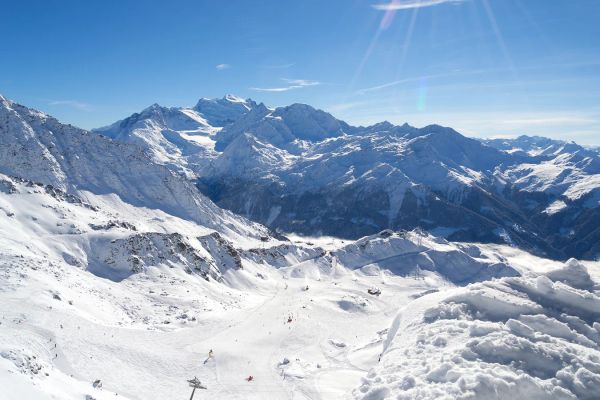
Alps Snow Forecast: Up to 64 cm Headed for the High Glaciers as the Snow Line Drops
The Alps are about to swap mild, sunny October weather for something far more wintry. A cold front arrives Tuesday, and SnowStash forecasts have Monterosa Ski out in front with 64 cm over 14 days, ahead of Blatten Belalp (55 cm) and Verbier (43 cm). The snow line should fall below 2000 metres by Wednesday night, and glaciers across Switzerland, Italy and Austria are in line for the best of it. The wind will have a say too.
20 Oct 2026
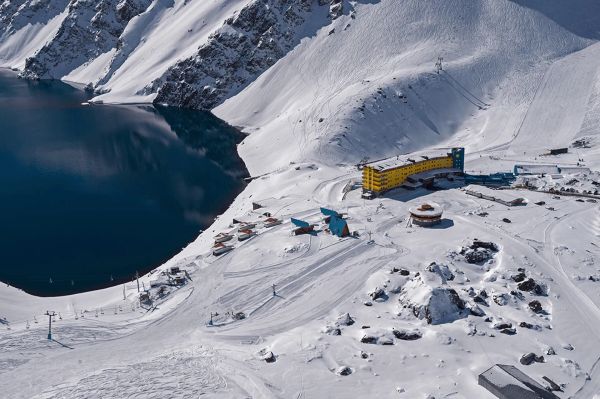
Four Dead After Avalanche Near Ski Portillo in Chile
A large avalanche struck near Laguna del Inca adjacent to Ski Portillo on Saturday afternoon, killing four people and injuring four others. The group were day visitors mountaineering in the backcountry after reportedly being warned about elevated avalanche risk by resort staff.
18 Oct 2026
Zugspitze Webcams
6 live angles across the mountain. Tap any camera to go full-screen.
About Zugspitze's live webcams
Check live conditions across Zugspitze with 6 real-time webcams showing snow, weather, and lift operations, updated every 10 minutes. Check high-elevation cams for powder visibility and base-area cams for crowd levels before you head up.
Camera guide
- Zugspitze Cable Car Summit Station2962m
- The Zugspitze webcam at the summit station delivers spectacular live views from Germany's highest peak. Watch in real-time as the record-breaking cable car arrives at nearly 3000m, offering an incredible panorama of four countries and the glacier ski area below.
- Zugspitze Webcam 360 2962m
- This live webcam Zugspitze offers a breathtaking 360-degree panorama from the summit. Positioned at the highest point in Germany, monitor current conditions while enjoying unmatched views stretching across the Alps of Germany, Austria, Switzerland, and Italy.
- Zugspitze Glacier Ski Area2962m
- The Zugspitze webcams network includes this essential view overlooking the entire glacier ski area. Watch live as skiers navigate the high-alpine terrain, with real-time conditions of the resort's snow-sure slopes visible from this summit perspective.
- Eibsee Area1360m
- This Zugspitze webcam showcases the picturesque Eibsee lake area and valley station. Check live conditions in the charming Bavarian village below the glacier, where the journey to Germany's highest ski area begins.
- Sonnalpin Area2576m
- The Zugspitze live webcam at Sonnalpin station provides a perfect view of the glacier's central hub. Monitor current conditions around the cogwheel train terminal and watch skiers accessing the resort's high-altitude terrain.
- Zugspitze Cable Car Valley Station1000m
- The live webcam at Zugspitze's valley station captures the starting point of the remarkable cable car journey. Watch as visitors begin their ascent from 1000m to the summit in this engineering marvel that spans nearly 2000 vertical meters.
Zugspitze snow cams FAQ
How often do Zugspitze snow cams update?
All Zugspitze snow cams and webcams update every 10 minutes with fresh images showing current mountain conditions. This frequent update schedule ensures you have access to near real-time conditions for planning your ski day at Zugspitze.
Which Zugspitze webcam shows the best powder conditions?
The high-elevation Zugspitze Cable Car Summit Station webcam at 2,962m provides the clearest view of powder conditions and snowfall. These Zugspitze webcams capture fresh snow accumulation and visibility better than base area cameras.
Can I see Zugspitze lift queues on the webcams?
Yes. Multiple Zugspitze snow cams specifically show lift queue areas and chairlift operations, helping you time your arrival and avoid peak queue periods.
When is the best time to check Zugspitze snow cams?
Check Zugspitze webcams early morning (7-8am) for overnight snowfall assessment, and mid-afternoon for current crowd levels and weather. The live cams are most useful after storm events to assess fresh powder.
How can I check current conditions before buying Zugspitze lift tickets?
Use our Zugspitze webcams alongside the live snow report to assess conditions before purchasing lift tickets. The webcams show real-time visibility, snow quality, and operational status.
Do Zugspitze webcams work on mobile devices?
Yes. All Zugspitze snow cams and webcams are optimized for mobile viewing, so you can check live conditions from anywhere using your phone or tablet.
More Zugspitze intelligence: snow report, lift tickets, trail map, resort overview.