Gitschberg Jochtal
Gitschberg Jochtal: South Tyrol's largest in Eisacktal with 55km family-friendly slopes, 360° Dolomites panorama, and Dolomiti Superski access.

Season 2026 - 2027
Opens
4 Dec 2026
Closes
4 Apr 2027
Days open
121
Annual snow
0.9m
The Overview
Michael Fulton
Melbourne-based skier and snowboarder with 50+ resorts across 5 continents. Specialises in Australian resorts and international resort comparisons.
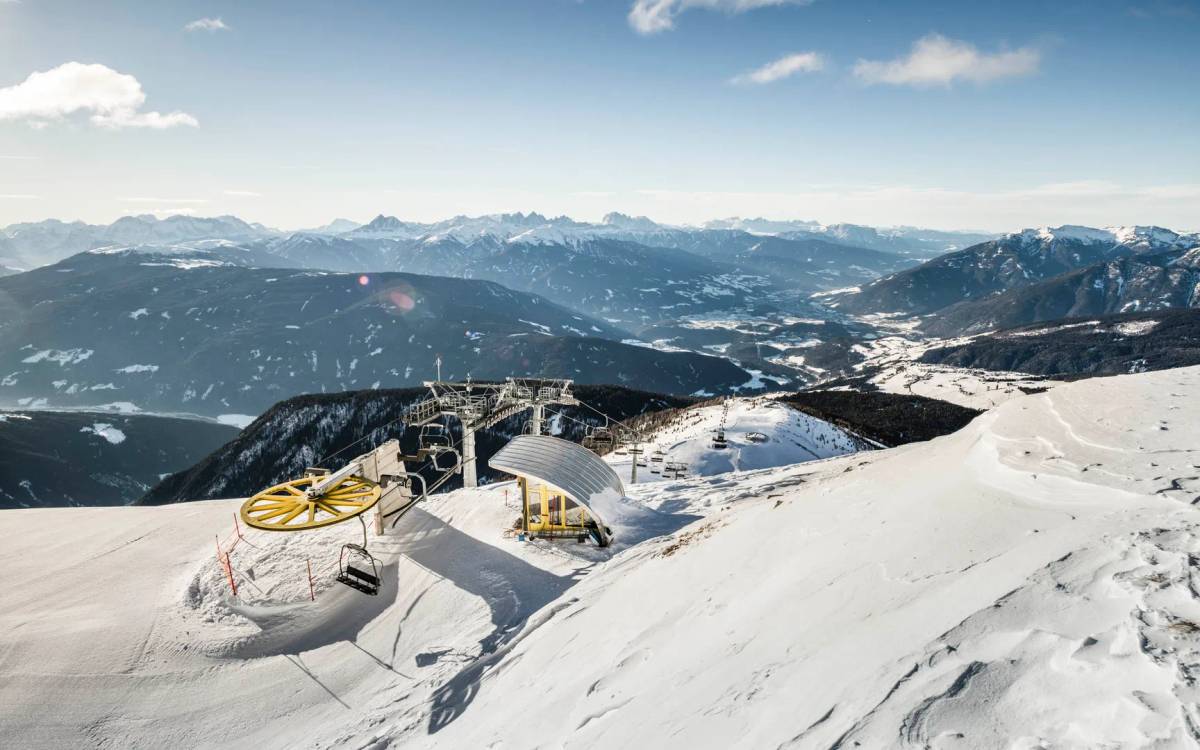
Gitschberg Jochtal stands as South Tyrol's largest ski resort in the Eisacktal and Wipptal valleys, with 55km of perfectly groomed slopes spreading across two interconnected mountain sectors between 1,307m and 2,510m. This family-friendly destination combines predominantly beginner and intermediate terrain with modern lift infrastructure, creating ideal conditions for learning skiers and confident cruisers exploring the sunny southern slopes of the Pfunders Mountains. The resort's 21 installations including five eight-person chairlifts, six gondolas, two six-person chairs, and one aerial tram efficiently transport skiers across varied terrain offering spectacular 360-degree panoramic views encompassing over 500 peaks across the Dolomites, Zillertal, Stubai, and Ötztal Alps.
Access from two valley bases at Meransen village via the Nesselbahn gondola and Vals village through the Jochtalbahn cable car creates convenient entry to slopes that divide between the wide-open Gitschberg sector and the carving-focused Jochtal area, connected by the remarkable Gaisjoch cable car—Italy's highest single-rope installation soaring 93m above ground with a 538m span between supports. The resort's 34% beginner terrain, 49% intermediate runs, and 17% advanced slopes establish Gitschberg Jochtal as one of South Tyrol's most accessible destinations, while comprehensive snowmaking coverage across 95% of terrain ensures reliable conditions from early December through mid-April.
Part of the prestigious Dolomiti Superski network providing access to 1,200km of skiing across 12 resorts, the area distinguishes itself through three dedicated children's snow parks, four natural toboggan runs including the 4.5km BRIMI Winter Run, and exceptional family facilities earning official "Top for Beginners" certification. The Steinermandl and Gitschberg panoramic platforms deliver breathtaking viewpoints, while unique amenities like the Gimmy Fun Ride family course and the charming piste companion "Il Cavaliere" butler service reflect the resort's commitment to memorable guest experiences in an authentic South Tyrolean mountain setting.
1203m
Vertical
60
Runs
55 km
Piste
0.9m
Annual snow
Dolomiti Superski Pass
Pass
The Terrain
60 runs across 55 km of piste
Gitschberg Jochtal is a South Tyrol ski area above Meransen and Vals, with 55 kilometres of piste across 60 runs from 1,307 to 2,510 metres. The vertical is 1,203 metres, and the grading leans towards comfortable terrain: 34% beginner, 49% intermediate and 17% advanced, with no expert pistes. Two sectors, the broad Gitschberg and the carving-oriented Jochtal, are joined by the Gaisjoch cable car, which hangs 93 metres above the ground in places. The slopes face south, so sunshine is common, and the outlook reaches across the Dolomites and the Zillertal Alps. Gondolas and eight-seat chairs keep waits short.
Mitterling in the Jochtal sector is the steepest run, about 1.3 kilometres long with 682 metres of vertical, and it will test advanced skiers. Gitschberg itself offers wide, easy slopes for beginners and families, while Jochtal suits carving on firmer intermediate pistes. Freeriding is limited, and the area is not for anyone chasing steeps for days on end. It works best for families, progressing skiers and confident intermediates looking for sunny cruising. The area is part of the Dolomiti Superski network, which makes it a quieter option when the bigger Dolomites names are busy.
Terrain split
60
runs
60 runs across 4 grades
Beginner20 runs · 34%
Intermediate29 runs · 49%
Advanced10 runs · 17%
Expert0 runs · 0%
Time it right
When to visit Gitschberg Jochtal
Gitschberg Jochtal typically operates from early December through mid-April, delivering one of South Tyrol's most reliable ski seasons with peak conditions concentrated in January through March. The resort benefits from average annual snowfall of 350cm supplemented by comprehensive snowmaking systems covering 95% of terrain, ensuring consistent conditions across the full 55km network even during variable weather patterns. The elevation range from 1,307m to 2,510m creates moderate altitude skiing, with the southern-facing slopes providing abundant sunshine while strategic snowmaking and north-facing aspects in select areas maintain quality coverage throughout the extended season.
The resort's position on the sunny southern slopes of the Pfunders Mountains creates distinctive conditions, with excellent visibility and warm temperatures during clear days allowing skiers to enjoy panoramic views extending across the Eisacktal and Pustertal valleys to the surrounding Dolomites peaks. The predominantly beginner and intermediate terrain with 34% blue runs and 49% red runs maintains excellent grooming standards that attract elite training programs, while 17% black runs including the technical descents from Monte Cuzzo challenge advanced skiers with genuine difficulty rarely found on maintained pistes.
The south-facing exposure guarantees exceptional sunshine hours throughout winter, making Gitschberg Jochtal particularly appealing during cold but clear January and February periods when temperatures remain comfortable for all-day skiing. The comprehensive snowmaking infrastructure—sensational in scope according to ski industry observers—allows for nearly 100% trail coverage maintaining the full 1,200m vertical descent from Gitschberg summit to Meransen village across 8km of perfectly groomed terrain, while spring skiing extends into mid-April thanks to dedicated slope preparation that preserves the resort's reputation as a destination where snow reliability meets family-friendly accessibility in the heart of South Tyrol's most scenic valleys.
Season 2026 - 2027
4 Dec 2026
Opens
4 Apr 2027
Closes
121
Days open
0.9 m
Annual snow
The record
Historical snowfall at Gitschberg Jochtal
Daily snow reports at Gitschberg Jochtal go back to 2017, 10 winters on the books. Open the record to compare winters, lifts and piste.
60 cm
Snowiest day
4 Jan 2018
21 cm
This winter · 2026-27
so far
70 cm
Typical winter
average of complete seasons
Winter totals
cm
Past wintersThis winter
Getting there
Getting to Gitschberg Jochtal, and where to stay
Located in the Eisacktal valley in South Tyrol at elevations between 1,307m and 2,510m, Gitschberg Jochtal sits just 20km north of Bressanone and encompasses eight traditional mountain localities including the resort villages of Meransen (population 950) and Vals along with Mühlbach, Weitental, Rodeneck, Spinges, Terenten, and Vintl. The authentic South Tyrolean villages preserve their distinctive character through a blend of Italian and German-Austrian cultural influences, offering comprehensive accommodations spanning luxury hotels to traditional guesthouses that radiate the welcoming atmosphere characteristic of the region's hybrid heritage.
Bolzano Airport provides the primary gateway just 67km away with transfer times of 52 minutes, establishing Gitschberg Jochtal as one of Italy's most accessible major ski destinations. Innsbruck Airport offers alternative access 91km distant with similar transfer times, while the resort's position just 92km south of Innsbruck and excellent rail connectivity through Mühlbach station creates multiple transportation options for European visitors. The historic town of Bressanone just 20km south offers additional accommodation, dining, and cultural attractions including its renowned Christmas markets and medieval architecture.
The resort's strategic position creates exceptional access to the vast Rodenecker-Lüsner Alm plateau—Europe's largest high-altitude meadow extending across 20 square kilometres at elevations between 1,500m and 2,200m, offering extensive cross-country skiing trails, winter hiking paths, and snowshoe routes beyond the downhill ski area. The area's membership in Dolomiti Superski provides seamless connections to neighbouring resorts while maintaining its distinctive character through authentic South Tyrolean cuisine blending Italian pasta traditions with hearty Austrian stews and dumplings, local cheese and meat specialities, and the beloved Kaiserschmarrn served across numerous mountain huts featuring sunny terraces and spectacular Dolomites views that define the relaxed, family-focused atmosphere of this exceptional Eisacktal destination.
Where to stay
Search all stays →Stays map loads when you scroll here
Hotels and lodges near Gitschberg Jochtal, powered by Stay22.
Latest News
From the SnowStash desk
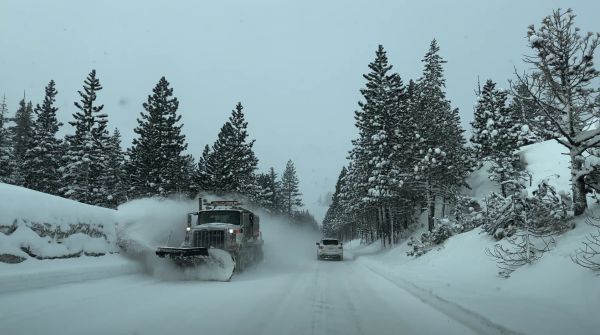
Sierra Nevada Halloween Storm: Dodge Ridge Forecast to Lead With 19 Inches
Halloween weekend brings a wet, windy storm to the Sierra Nevada. Our five-day forecast has Dodge Ridge on top with 19 in, followed by Bear Valley at 15 in and Mammoth Mountain at 12 in, with most of it landing on Saturday. A winter weather advisory covers the Tahoe Basin and Mono County until 7 AM Sunday, gusts could reach 47 mph and the freezing level swings between 4,900 and 8,700 ft, so some bases will see rain. A dry spell follows from Monday.
31 Oct 2026
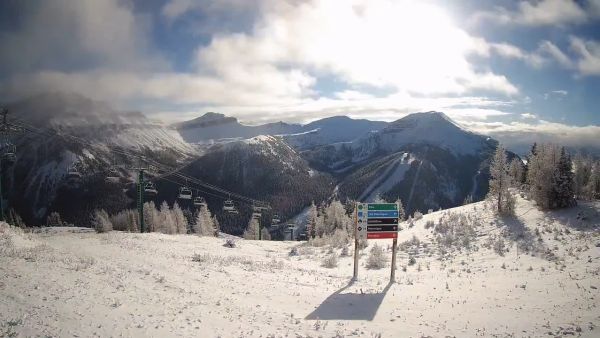
Lake Louise Opens Early on 1 November With Juniper Express and Easy Street
The Rockies get their first lift-served turns of the season early. Lake Louise opens Sunday 1 November, five days ahead of schedule, after a cold October and round-the-clock work from the snowmaking and mountain crews. Terrain is limited to Juniper Express Chair and Easy Street, with two small terrain parks and the beginner area for lessons. Opening-day tickets are over 60% off, with prices rising as more lifts open. First chair is at 9:30 am under the resort’s new lift hours.
31 Oct 2026
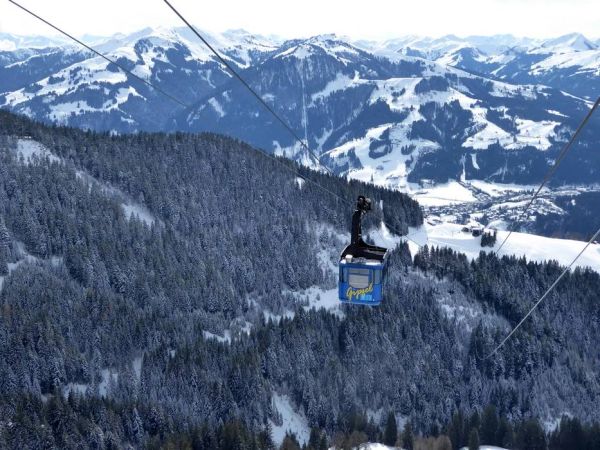
Kitzbüheler Horn Summit Cable Car to Be Replaced After 70 Years
A Tyrolean summit lift that has been carrying guests up the Kitzbüheler Horn since 1955 is on borrowed time. Its licence runs to 2045, but a new inspection rule has made refurbishment uneconomic, so Bergbahn AG Kitzbühel will spend around €15 million on a replacement on the same line. It should hold roughly 100 people and keep running in winds that would stop today’s lift. Building starts in autumn 2027, which makes this winter and next summer the last chances to ride the old one.
30 Oct 2026
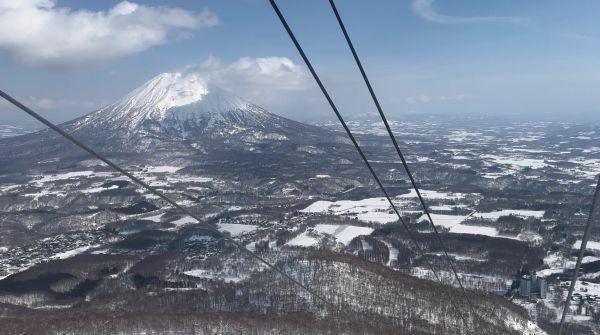
What’s New in Japan Skiing This Winter: Niseko Gondola, a Private Resort and a Bigger Ikon Pass
Niseko Village is replacing a lift from the early 1980s with an eight-person gondola, Tsugaike gets a six-person chairlift, Madarao joins the Ikon Pass and Togari opens Asia’s first private ski resort. Here’s what is actually new in Japan skiing for 2026/27, plus what is still a year or two away.
30 Oct 2026
Wolf Creek Opens on Halloween Weekend as Colorado’s Early Season Gathers Pace
Colorado’s early-season dominoes keep falling. Arapahoe Basin opened on Wednesday, Keystone follows on Friday, and now Wolf Creek is joining in on Saturday 31 October, just in time for Halloween. A storm on 23 and 24 October left 20 inches of natural snow in the San Juans, and three lifts will turn from 9:00 am, covering about 30% of the mountain. Expect rocks, unmarked obstacles and open water, but also Local Appreciation lift tickets at $73 for adults.
30 Oct 2026
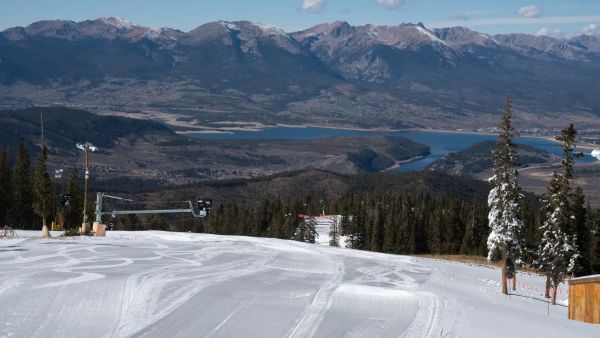
Keystone Resort Opens for 2026/27 With More Than Two Miles of Skiing
Keystone is next. After Arapahoe Basin claimed the first chairlift skiing of the season on Wednesday, Keystone opens on Friday 30 October at 9:00 am with more than two miles of snowmaking-built terrain on Schoolmarm and Silver Spoon, plus free donuts, coffee and a live DJ. Last year the order was reversed, when Keystone squeezed in a three-hour afternoon session to beat A-Basin by a day. Snowmaking has been running since 15 October.
29 Oct 2026
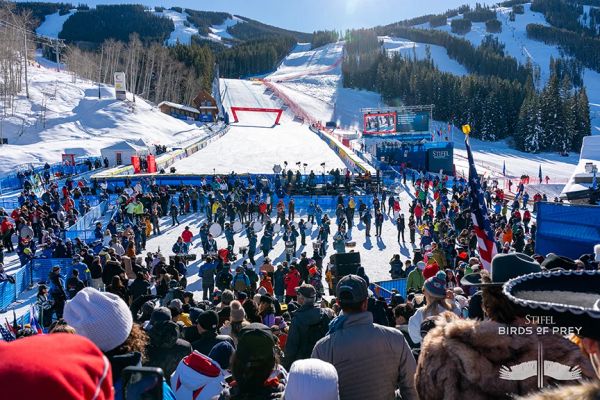
Beaver Creek Installs 16 Automated Snow Guns on Birds of Prey Ahead of Record World Cup
Beaver Creek is getting ready for the biggest Birds of Prey ever, and this time it is not leaving the snow to chance. Crews started making snow on 27 October with 16 newly installed automated guns on the lower third of the course, after last December’s warm spell forced a downhill off the schedule. Seven races across two weekends run from 3 to 13 December, the most the course has hosted since its 1997 debut, and the guns start themselves whenever the weather allows.
29 Oct 2026
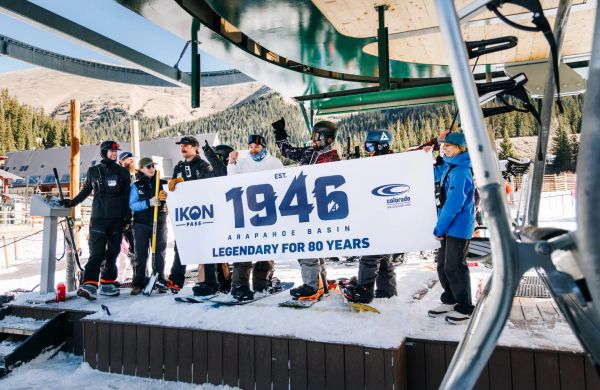
Arapahoe Basin Opens First for North America’s 2026/27 Ski Season
Winter has officially started in North America, and it is one blue run long. On Wednesday 28 October, Arapahoe Basin fired up the Black Mountain Express at around 10:30 am after a surprise announcement just hours earlier, becoming the first major North American resort open for 2026/27. Cold nights, a dusting of natural snow and a lot of snowmaking made it happen in the resort’s 80th winter. More terrain is promised as the snow guns keep running.
28 Oct 2026
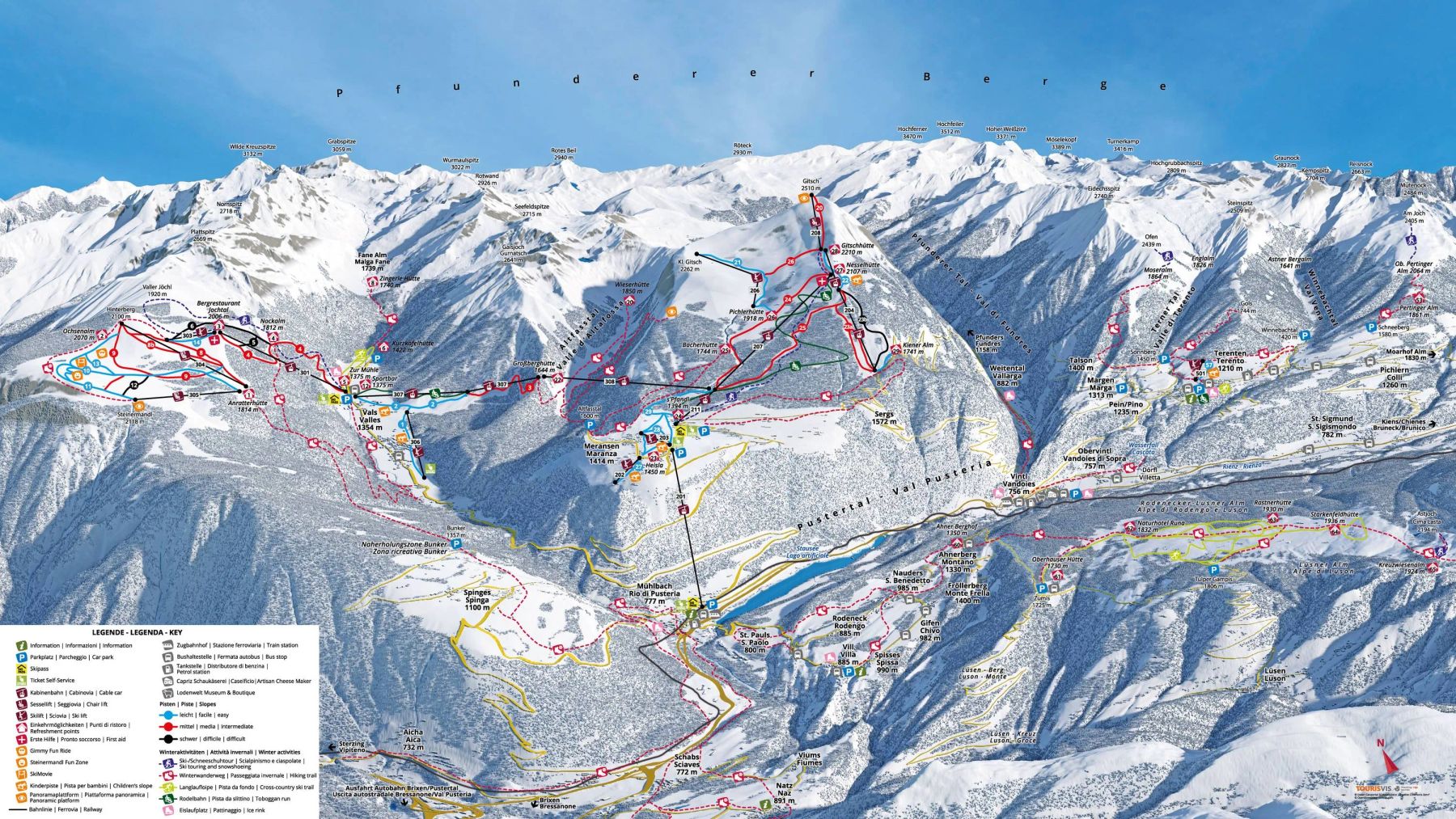
Gitschberg Jochtal Ski Trails
Downloadable Gitschberg Jochtal trail map
Terrain split
60
runs
Beginner34%
Intermediate49%
Advanced17%
Expert0%
55 km of piste
Resort Stats
Elevation
Base1307m
Summit2510m
Annual snowfall
0.9m
Season
2026 - 2027
4 Dec 2026 - 4 Apr 2027
Trail coverage
60 runs
55 km
Gitschberg Jochtal ski trails
Gitschberg Jochtal offers 60 runs across a mix of difficulties. The terrain split and trail map here show how the mountain breaks down so you can plan a day that suits your group.
- • Match runs to your ability - the terrain split shows how much of Gitschberg Jochtal is beginner, intermediate and advanced.
- • Check grooming and open-run status against the live conditions before committing to the upper mountain.
- • Early season and after fresh snow, favour the lifts serving your preferred grade to make the most of the day.
More Gitschberg Jochtal intelligence: trail map, lift system, resort overview.