
The Overview
Michael Fulton
Melbourne-based skier and snowboarder with 50+ resorts across 5 continents. Specialises in Australian resorts and international resort comparisons.
Macugnaga offers a raw and traditional alpine experience at the foot of Monte Rosa’s east face—the only wall in the Alps with a vertical rise exceeding 2,500m. The skiing is split between two distinct areas that aren't physically connected: the lower, tree-lined Belvedere sector and the high-altitude Monte Moro. Across these zones, you'll find 32.1km of groomed trails reaching a summit of 2,900m. While the statistics might look modest, the terrain is dominated by long, sustained intermediate runs that make up 69% of the network, including the 1,700m vertical drop of the Meccia run when conditions allow.
The village is a preserved stronghold of Walser culture, where 13th-century stone and wood architecture still defines the local aesthetic. Unlike the polished, purpose-built stations found elsewhere in Italy, Macugnaga feels like a mountaineering outpost that happens to have a lift system. There are 13 named runs in total, but the draw for many is the high-alpine atmosphere and the sheer scale of the glacial landscape. The split between 22% beginner and 9% advanced terrain means it serves progressing intermediates best, though the off-piste potential on the glaciers attracts seasoned mountain travellers.
Staying here means moving between the hamlets of Staffa and Pecetto. The lower Belvedere slopes are perfect for families and those looking for sheltered skiing amongst the larch forests, while Monte Moro provides a stark, high-altitude environment on the Swiss border. Because it’s an established mountaineering hub, the mountain huts (rifugi) here focus more on authentic Piedmontese polenta and local cheeses than the high-volume catering typical of larger commercial resorts.
1553m
Vertical
13
Runs
32.1 km
Piste
4m
Annual snow
The Terrain
13 runs across 32.1 km of piste
Macugnaga is a compact Piedmont area under the east face of Monte Rosa, with 13 runs and 32.1 kilometres of piste from 1,347 to 2,900 metres. The vertical is 1,553 metres, so descents are long for such a small network. Grading is firmly intermediate at 69%, with 22% beginner and 9% advanced, and no expert pistes. The skiing is divided between the lower Belvedere sector among the larches and the high Monte Moro sector, and the two are not linked. Expect a quiet, uncrowded mountain with a rugged, mountaineering feel rather than a big lift-linked network.
Two cable cars from Staffa carry skiers to the Monte Moro slopes, where a chairlift and surface lifts serve the high terrain, while Belvedere is reached from Pecetto. The Meccia run is the long descent, available when snow allows. The slopes face north, so snow tends to stay dry. Off-piste on the Monte Rosa east face is serious, with heli-skiing and guided routes for experienced riders only. Progressing intermediates and mountain-minded skiers will like it, and families can use the gentler Belvedere slopes. It will not keep a skier busy for a week, but it rewards a quiet visit.
Terrain split
13
runs
13 runs across 4 grades
Beginner3 runs · 22%
Intermediate9 runs · 69%
Advanced1 run · 9%
Expert0 runs · 0%
Time it right
When to visit Macugnaga
Macugnaga’s winter season usually kicks off in early December and runs through to late April. The high elevation of the Monte Moro sector is a massive asset, as the 2,900m summit sits in a cold alpine microclimate that holds snow long after lower resorts have started to soften. With an average annual snowfall of 3.5m, the resort often catches heavy "stau" dumps when moisture hits the massive Monte Rosa massif, leading to significant accumulation in the upper basins while the village remains clear.
The lower Belvedere sector operates differently, relying on its sheltered, north-facing position and forest cover to protect the snow from the sun. While it’s lower at 1,347m, the proximity to the glaciers helps keep the air temperature down. Snowmaking is used tactically to shore up the home runs and the Pecetto base area, ensuring that the connection to the village stays open during the peak January and February periods.
Spring skiing is particularly good at Monte Moro. The altitude means you can find firm, fast corduroy in the mornings well into April, while the views of the sun-drenched east face of Monte Rosa are at their best. Because the resort isn't on the main "interstate" ski circuit, the snow tends to stay in better condition throughout the day compared to high-traffic areas, as there are fewer skiers to move the snow around into heavy mounds.
Season 2026 - 2027
5 Dec 2026
Opens
21 Mar 2027
Closes
106
Days open
4 m
Annual snow
Getting there
Getting to Macugnaga, and where to stay
Macugnaga sits at the very end of the Anzasca Valley in Piedmont, about 100km northwest of Milan. It's a true "dead-end" valley, meaning there is no through-traffic, which preserves the quiet of the alpine village. If you’re flying in, Milan Malpensa (MXP) is the most logical gateway; it's about 105km away, and the drive takes roughly 105 minutes. You follow the A26 motorway before turning into the valley road at Pie di Mulera for the final climb.
Public transport links are surprisingly decent for such a remote spot. International trains run to Domodossola, about 40km from the resort, and from there, local buses time their departures to meet the rail schedule. This makes it one of the few high-alpine Italian resorts where a car isn't strictly necessary if you’re coming from Milan or Switzerland. The drive up the valley is scenic but involves several sets of tight switchbacks as you approach the final plateau.
The village itself is spread between several small clusters of buildings, but everything is walkable. Staffa is the main hub where the Monte Moro cable car departs, while Pecetto serves as the base for the Belvedere chairlifts. Being so close to the Swiss border and only 38km from Bormio as the crow flies, it’s a strategic location for those who want to see a more rugged, less commercial side of the Italian Alps while staying within two hours of a major international airport.
Where to stay
Search all stays →Hotels and lodges near Macugnaga, powered by Stay22.
Latest News
From the SnowStash desk
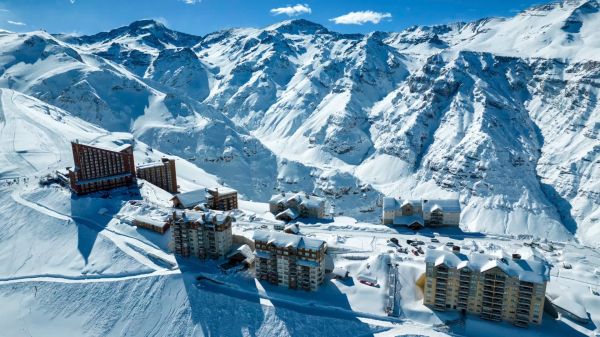
Valle Nevado Extends Season to November 8 After 108 cm in 48 Hours
Winter was meant to be winding down in Chile. Then Valle Nevado took 108 cm in 48 hours in early October, and the resort has pushed its closing date out to November 8 - its latest in 38 years of operation. That makes 143 days of skiing since opening day on June 19, with 690 cm banked for the season. Only part of the mountain is running while the storm settles, so check the mountain report before you plan a trip.
9 Oct 2026
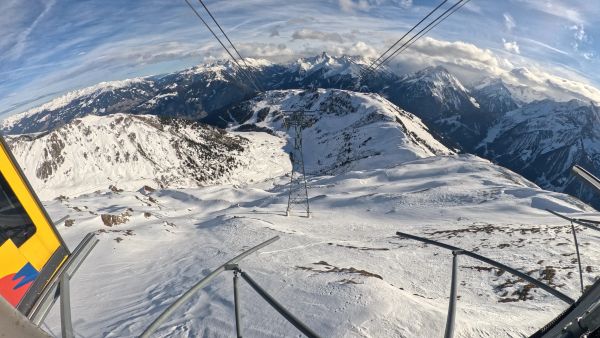
Alps Snow Forecast: Cold Front Brings Thursday Snow to the High Alps
The Alps look a lot more like winter today, for a day or so. A cold front is moving west to east, dropping up to 35 cm on high glaciers and peaks, with snow levels falling to around 1,500-1,800 m at times. Don’t plan a trip around it: mid-elevation snow will be thin and wet, every area is closed bar a limited Sölden glacier opening tomorrow, and warmer weather returns by Monday.
8 Oct 2026
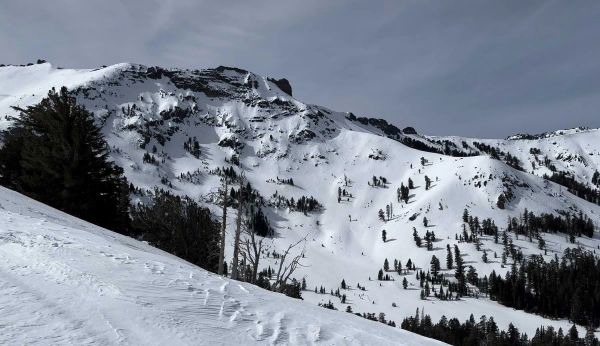
California Ski Resort Opening Dates 2026-27: Mammoth Leads, Tahoe Follows
Mammoth Mountain is first up in California, targeting Friday 13 November after a dusting of September snow. Heavenly and Northstar follow on 20 November, Palisades Tahoe on Wednesday 25 November and Sugar Bowl on 27 November, with Kirkwood on 4 December and June Mountain on 19 December. Plenty of smaller areas have no date yet. A super El Niño favours the Sierra, but a warmer storm track is the catch.
7 Oct 2026
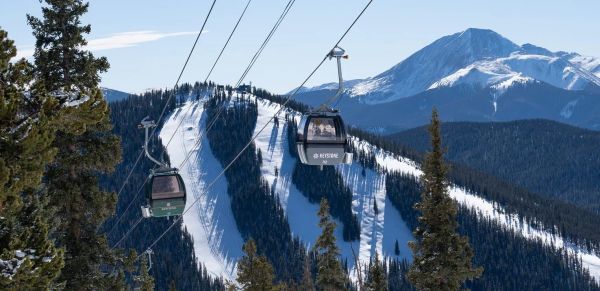
Colorado Ski Resort Opening Dates 2026-27: A-Basin and Keystone Race to Be First
Arapahoe Basin, Keystone and Winter Park are all chasing an October start, though none has a firm date yet. The first dated openers are Breckenridge and Copper on Friday 6 November, then Vail on 13 November, with most of the rest bunched around US Thanksgiving. Hesperus did not open at all last season. A super El Niño offers hope but no guarantee, and forecasters say the southern mountains have the better odds.
5 Oct 2026
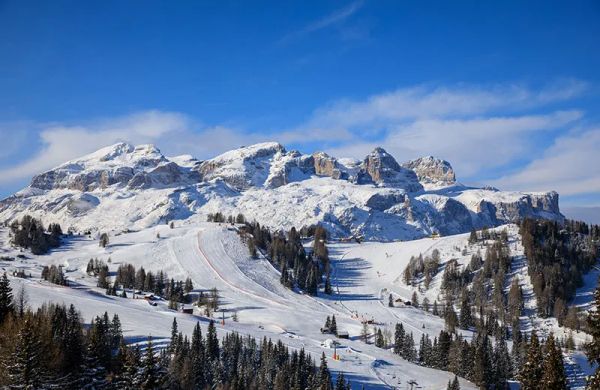
Dolomiti Superski 2026-27: Four New Gondolas, New Reservoirs and an €89 Peak Day Pass
Dolomiti Superski is spending around €100 million across its 12 areas before winter. Kronplatz gets a new 10-passenger gondola with a middle station, 3 Zinnen gets Helmissimo, and Val di Fassa swaps a chairlift for a gondola above Col Valvacin. New water-storage basins and upgraded snowmaking follow, and construction has started on the San Martino to Passo Rolle link. A peak adult day pass is €89.
4 Oct 2026
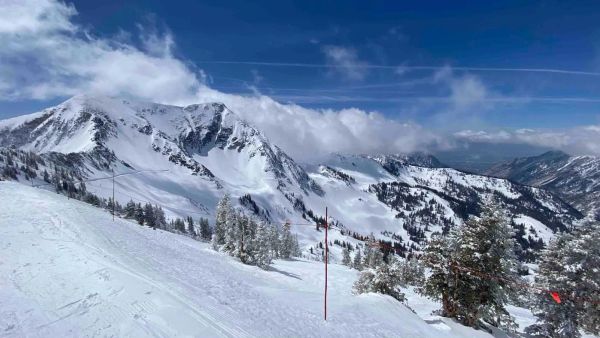
Utah Ski Resort Opening Dates 2026-27: Brian Head First, Eagle Point Out
Brian Head is targeting 6 November, though last year it aimed for 7 November and did not open until the 25th. Park City, Alta and Solitude are pencilled in for 20 November, Snowbird and Snowbasin for 27 November, and Deer Valley for 5 December. Eagle Point will stay closed after the Cottonwood Fire. A super El Niño is forecast, but the big snow is not expected until January.
4 Oct 2026
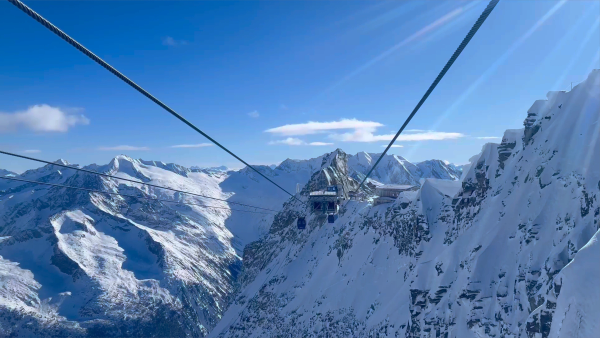
Hintertux Glacier Opens for 2026-27 With 12 Kilometres of Piste
Hintertux became Austria's second glacier to open for 2026-27 on Friday 2 October, after the Pitztal Glacier. Twelve kilometres of piste are running around the Olperer and Gefrorene Wand, served by one gondola and two drag lifts, with the Betterpark also open. Lifts officially run 8:15 am to 4:30 pm, but skiing stops at 2 pm for now.
4 Oct 2026
Vail Resorts Counts the Cost of a Thin Winter as Pass Sales Slide Further
A historically poor western winter cut Vail Resorts' annual net income from $280 million to $147.5 million and skier visits by 13.4 per cent. Now 2026-27 pass units are down 12 per cent as of 18 September, worse than the 10 per cent flagged in spring. Vail blames the weather and thinks some buyers are simply waiting, and it forecasts a rebound if the snow behaves.
3 Oct 2026
Macugnaga Lift System
The lift infrastructure in Macugnaga is a mix of high-capacity aerial tramways and traditional chairlifts. Two large cable cars form the spine of the Monte Moro sector, transporting skiers from the valley floor directly to the 2,900m ridge. These are technical lifelines for the resort, providing the only access to the upper snowfields and the border pass. On the other side of the valley, the Belvedere sector relies on three double chairlifts that move more slowly, which actually helps keep the skier density low on the 32.1km of pistes.
In the lower zones, two T-bars and two surface lifts handle the beginner traffic around the Pecetto nursery slopes. This setup is straightforward and functional, designed to get people to the high-alpine bowls without the complexity of modern gondola loops. The Pecetto-Burki-Belvedere chairlift sequence is the main artery for those staying near the base area, offering a steady climb through the forest toward the glacier viewing platforms.
Because the resort hasn't over-invested in high-speed bubbles, the mountain maintains a quieter, more deliberate pace. The aerial trams are the workhorses here; they are essential for accessing the expert-graded descent back to the village and are frequently used by mountaineers heading toward the Monte Rosa peaks. For the recreational skier, the system provides reliable access to the highest points in the valley where the snow remains driest.
9lifts across 4 types
2
Aerial Trams
3
Double Chairs
2
T-Bars
2
Surface Lifts
Macugnaga lift system
Macugnaga is served by 9 lifts, listed here by type. Check which lifts are turning against the live conditions before you plan your first laps - early lifts and high-speed chairs get you to the best snow fastest.
More Macugnaga intelligence: trail map, snow report, webcams, resort overview.