
Pila Italy Ski Resort
Pila ski resort in Italy's Aosta Valley offers 70km of slopes with panoramic Mont Blanc views. Direct gondola from Aosta city.
Season 2026 - 2027
Opens
5 Dec 2026
Closes
2 May 2027
Days open
148
Annual snow
3m
The Overview
Michael Fulton
Melbourne-based skier and snowboarder with 50+ resorts across 5 continents. Specialises in Australian resorts and international resort comparisons.
Pila delivers an exceptional Alpine skiing experience high above the historic Roman city of Aosta, with 70km of varied terrain spanning elevations from 1,540m to 2,740m. This modern resort features 38 runs distributed across a natural basin that provides excellent wind protection, with the terrain split between tree-lined slopes and vast open areas offering unobstructed skiing. The mountain's layout caters predominantly to intermediate skiers, with 73% of runs at this level, complemented by 16% beginner terrain and 11% advanced slopes that challenge experienced skiers.
The resort's spectacular position creates breathtaking 360-degree panoramic views encompassing Mont Blanc, the Matterhorn, Monte Rosa and Gran Paradiso—some of Europe's most iconic peaks. The north-facing orientation of the majority of slopes provides natural protection from direct sunlight, helping preserve snow quality throughout extended periods. With an average annual snowfall of 2.53 metres and an extensive snowmaking system covering over 53% of the terrain through 400 snow cannons, Pila maintains reliable conditions across the season.
The unique integration with Aosta city below creates a distinctive Alpine experience rarely found at major ski resorts. The revolutionary 18-minute gondola connection from the city centre directly to 1,800m elevation allows visitors to combine world-class skiing with exploration of Roman monuments, authentic Italian dining and cultural attractions. This accessibility, combined with the resort's elevated position and comprehensive terrain network, positions Pila as one of the Aosta Valley's most versatile ski destinations.
1200m
Vertical
38
Runs
70 km
Piste
3m
Annual snow
Ikon Pass
Pass
The Terrain
38 runs across 70 km of piste
Pila sits high above the city of Aosta in the Aosta Valley, with 70 kilometres of piste over 38 runs from 1,540 up to 2,740 metres. That gives 1,200 metres of vertical in a natural basin, and the grading is overwhelmingly intermediate: 16% beginner, 73% intermediate and 11% advanced, with no expert pistes. It is a classic red-run mountain, with long, flowing descents through larch and open slopes, plus a modern lift network of gondolas and eight-seaters. Pila is part of the Ikon Pass, which makes it an easy add-on for anyone touring the Italian side of the Alps.
Chamolé, Leissé, La Nouva and Gran Grimod are the sectors for wide, flowing turns, and Grimod along with the Baby Pila zones handle the learners. Climbing towards Couis and Platta de Grevon, the pitch steepens and the terrain opens out, which is where advanced skiers and freeriders will spend their time. Tree runs through the forest offer sheltered options when visibility drops, and two marked routes serve ski tourers. Pila suits intermediates who want miles of cruising, confident families and visitors wanting a ski day plus a city stay in historic Aosta.
Terrain split
38
runs
38 runs across 4 grades
Beginner6 runs · 16%
Intermediate28 runs · 73%
Advanced4 runs · 11%
Expert0 runs · 0%
Time it right
When to visit Pila Italy Ski Resort
Pila typically operates from early December through mid-April, with the 2025-2026 season running from 6th December 2025 to 13th April 2026. The resort benefits from exceptional snow reliability due to its elevated position, with the base at 1,540m and summit reaching 2,740m providing significant altitude advantage. The natural basin topography shields the ski area from harsh winds whilst the predominantly north-facing slopes protect snow from direct sunlight, creating consistently excellent conditions throughout extended periods.
The comprehensive snowmaking infrastructure featuring over 400 snow cannons maintains coverage on at least 53% of slopes, ensuring reliable skiing even during periods of reduced natural snowfall. With average annual snowfall of 2.53 metres and the resort's high-altitude terrain, Pila typically maintains excellent snow depth from January through March. The temperature profile remains comfortable for skiing without becoming excessively cold, whilst the wind-protected basin creates pleasant conditions that make full days on the mountain enjoyable across all ability levels.
During summer months, Pila transforms into an adventure destination with extensive hiking trail networks, mountain biking tracks including World Cup downhill courses, and the iconic Pila-Aosta 15km enduro trail featuring a spectacular 2,100m vertical descent. The year-round gondola access from Aosta operates even outside ski season, with non-skier gondola tickets (€22-26) allowing summer visitors to reach the mountain for dining and panoramic viewing. This seasonal versatility makes Pila a genuine four-season mountain destination that maximises the resort infrastructure beyond traditional winter operations.
Season 2026 - 2027
5 Dec 2026
Opens
2 May 2027
Closes
148
Days open
3 m
Annual snow
Getting there
Getting to Pila Italy Ski Resort, and where to stay
Located directly above the historic Roman city of Aosta in Italy's Valle d'Aosta region, Pila sits just 90 minutes from Turin airport and 2 hours 15 minutes from Geneva airport, providing excellent international accessibility. The resort occupies a unique position connected to Aosta by both a scenic 18km mountain road and the innovative 18-minute gondola system—a connection unprecedented among major Alpine ski destinations. This dual-access arrangement creates remarkable convenience, allowing visitors to reach high-altitude slopes directly from a historic city centre with full amenities.
The strategic location in the Aosta Valley positions Pila as the flagship ski destination within a region containing some of Italy's most renowned resorts. The comprehensive Valle d'Aosta ski pass system provides convenient access to neighbouring destinations including Courmayeur (home to Mont Blanc skiing), Monterosa (Italy's second-largest ski area), La Thuile (with connections to France), and Cervinia (linked to Switzerland's Zermatt). Multi-resort passes ranging from €185-215 for several days, or €720 for season-long access to all Aosta Valley resorts, create exceptional value for visitors wanting to explore the region's diverse skiing.
The combination of direct access to Aosta city creates rare opportunities to integrate skiing with cultural exploration, authentic Italian dining and Roman historical sites including the Arch of Augustus and Roman Theatre. The city offers extensive accommodation options, boutique shopping and regional cuisine specialising in Valdostana dishes and local wines. This unique urban-mountain integration distinguishes Pila from traditional purpose-built ski stations, appealing particularly to visitors seeking both athletic and cultural experiences during Alpine holidays.
Where to stay
Search all stays →Hotels and lodges near Pila Italy Ski Resort, powered by Stay22.
Latest News
From the SnowStash desk
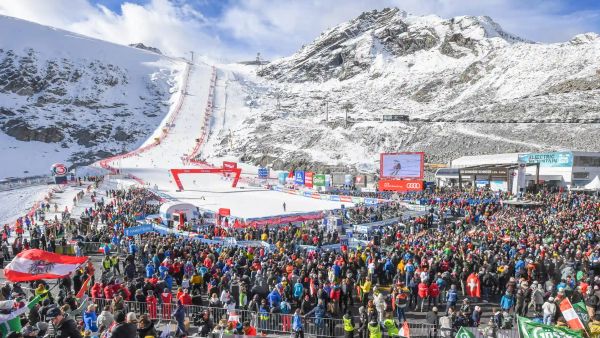
Pinheiro Braathen Wins Sölden Giant Slalom Opener by 0.48 Seconds
Two days at Sölden, two races decided by a hundredth somewhere on the podium, and one very quick Brazilian. Lucas Pinheiro Braathen led from the first run to win the men’s World Cup opener by 0.48 seconds, with Loïc Meillard second and Marco Odermatt third. River Radamus charged from 15th to fourth on a rutted course, and Britain’s Freddy Carrick-Smith banked his first World Cup points. Braathen still hasn’t lost a giant slalom since Olympic gold.
25 Oct 2026
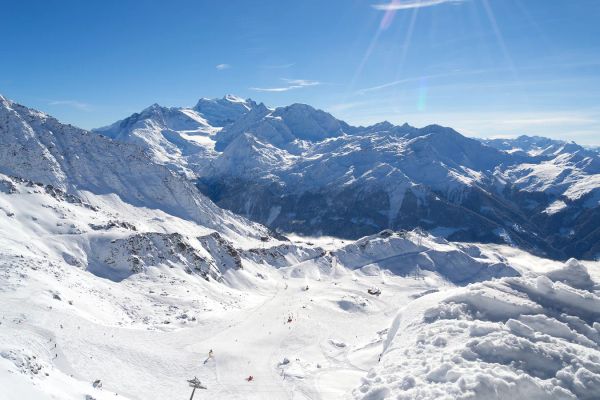
Alps Snow Forecast: Up to 64 cm Headed for the High Glaciers as the Snow Line Drops
The Alps are about to swap mild, sunny October weather for something far more wintry. A cold front arrives Tuesday, and SnowStash forecasts have Monterosa Ski out in front with 64 cm over 14 days, ahead of Blatten Belalp (55 cm) and Verbier (43 cm). The snow line should fall below 2000 metres by Wednesday night, and glaciers across Switzerland, Italy and Austria are in line for the best of it. The wind will have a say too.
20 Oct 2026

Four Dead After Avalanche Near Ski Portillo in Chile
A large avalanche struck near Laguna del Inca adjacent to Ski Portillo on Saturday afternoon, killing four people and injuring four others. The group were day visitors mountaineering in the backcountry after reportedly being warned about elevated avalanche risk by resort staff.
18 Oct 2026

Europe Ski Resorts Open Now: What Is Skiable in Mid-October 2026
Europe’s ski season is open, technically. After a record-warm summer, glaciers in Austria, Switzerland and Italy are running a few pistes apiece, Sölden, Stubai and Kitzsteinhorn started late, Titlis has pushed back to 24 October, and Zermatt reopens a few lifts on 14 October after more than two months shut. Finland’s Levi and Ruka are skiing on stored snow. Here is what is open, and what you actually get at each.
14 Oct 2026

Zermatt Plans World Cup Downhill Return on the Gornergrat for 2028
Zermatt is having another crack at a World Cup downhill, and this time nobody has to cross a border. Around 13 million Swiss francs is going into rebuilding the Gornergrat piste, including a jump fed by a roughly 300-metre in-run across the roof of the Gornergrat Railway gallery, with the Matterhorn lined up behind it for the TV cameras. First men’s race is pencilled in for March 2028, pending FIS homologation.
14 Oct 2026

Mt. Rose Begins Snowmaking for the 2026-27 Season at Lake Tahoe
Lake Tahoe’s highest base elevation is paying off early: Mt. Rose has started making snow for 2026-27 after the first flurries and a cold snap. The Nevada resort is backing it with nearly US$2 million in upgrades, including a replacement snowmaking main line, a new PistenBully groomer and restraint bars on every lift. Opening day is yet to be confirmed, though Heavenly and Northstar are already eyeing 20 November.
13 Oct 2026

Utah Ski Resorts 2026-27: What’s New at Alta, Deer Valley, Powder Mountain and More
Utah is still building flat out. For 2026-27, Powder Mountain opens a steep new Skytrac chair into more than 1,000 acres of advanced terrain, Deer Valley adds 200 acres on Hail Peak, Sundance gets a new quad and Park City adds a gondola from its new parking structure. Snowmaking is expanding almost everywhere, Eagle Point stays closed after the Cottonwood Fire, and the 2034 Games are setting the pace. Here’s what’s new, resort by resort.
13 Oct 2026

Mt Hutt Invests NZ$12 Million in Base Area, Tripling Its Sun Deck
Mt Hutt is getting busier, and its base lodge is about to catch up. NZ$12 million goes into a heated sun deck roughly three times the current size (430 m² to 1,300 m²), plus a new toilet block, heated steps down to snow level, extra storage and a new food and beverage outlet. Building starts after the 2026 season, with everything due for winter 2027.
11 Oct 2026
Pila Italy Ski Resort Snow Report
Snow Report
Updated 26 Oct 2026
2740m
summit
+0cm
new snow · last 24 hours
Clear0°C / 8°C · SE 13km/h
Snowfall
24 hours
0cm
48 hours
30cm
7 days
58cm
Base depth
0cm
Season total
58cm
Total lifts18
Live open status isn’t available right now.
5 Dec 2026 - 2 May 2027
Hour by Hour
Next 39 hours· Updated Oct 26, 2026 at 5:02 AM
Scroll for the full outlook · Open-Meteo
7-Day Outlook
2,500 mUpdated Oct 26, 2026 at 5:02 AMOpen-Meteo
Days 1–7
0.0cm
Days 8–14
5.0cm
Mon, Oct 26
Overcast
Temp8° / 0°°C
Snow0.0cm
Wind13 km/h SE
Live snow from the resort feed; forecast from Open-Meteo, via Supabase.
Understanding the Pila Italy Ski Resort snow report
See what's happening on the mountain at Pila Italy Ski Resort right now — snowfall, snow depth, and weather data to help you plan your day in Italy.
Snow measurements
Our snow reports measure snowfall in centimeters over multiple time windows — last 24 hours, last 7 days, and the season total. Base depth reflects accumulation at the 1540m base area, while summit depth captures conditions 1200m higher at 2740m, where snow typically stays colder and lingers longer. Imperial conversions are shown alongside for convenience.
Weather conditions
Wind and temperature swings matter as much as fresh snowfall. Cold, calm conditions hold snow quality well, while wind-loading or a warm-up can change things quickly — especially given the elevation spread between Pila Italy Ski Resort's base and summit.
Data sources
Pila Italy Ski Resort snow data is collected through a combination of on-mountain reports and weather forecasting services, giving you both official resort updates and independent forecast data in one place. The mountain is served by 18 lifts, including an aerial tram and 3 8-person chairlifts.
When to check
Snow reports are typically updated early morning and late afternoon. For the most current conditions, check back regularly, especially if a winter storm is approaching.