
The Overview
Michael Fulton
Melbourne-based skier and snowboarder with 50+ resorts across 5 continents. Specialises in Australian resorts and international resort comparisons.
Pila delivers an exceptional Alpine skiing experience high above the historic Roman city of Aosta, with 70km of varied terrain spanning elevations from 1,540m to 2,740m. This modern resort features 38 runs distributed across a natural basin that provides excellent wind protection, with the terrain split between tree-lined slopes and vast open areas offering unobstructed skiing. The mountain's layout caters predominantly to intermediate skiers, with 73% of runs at this level, complemented by 16% beginner terrain and 11% advanced slopes that challenge experienced skiers.
The resort's spectacular position creates breathtaking 360-degree panoramic views encompassing Mont Blanc, the Matterhorn, Monte Rosa and Gran Paradiso—some of Europe's most iconic peaks. The north-facing orientation of the majority of slopes provides natural protection from direct sunlight, helping preserve snow quality throughout extended periods. With an average annual snowfall of 2.53 metres and an extensive snowmaking system covering over 53% of the terrain through 400 snow cannons, Pila maintains reliable conditions across the season.
The unique integration with Aosta city below creates a distinctive Alpine experience rarely found at major ski resorts. The revolutionary 18-minute gondola connection from the city centre directly to 1,800m elevation allows visitors to combine world-class skiing with exploration of Roman monuments, authentic Italian dining and cultural attractions. This accessibility, combined with the resort's elevated position and comprehensive terrain network, positions Pila as one of the Aosta Valley's most versatile ski destinations.
1200m
Vertical
38
Runs
70 km
Piste
3m
Annual snow
Ikon Pass
Pass
The Terrain
38 runs across 70 km of piste
Pila sits high above the city of Aosta in the Aosta Valley, with 70 kilometres of piste over 38 runs from 1,540 up to 2,740 metres. That gives 1,200 metres of vertical in a natural basin, and the grading is overwhelmingly intermediate: 16% beginner, 73% intermediate and 11% advanced, with no expert pistes. It is a classic red-run mountain, with long, flowing descents through larch and open slopes, plus a modern lift network of gondolas and eight-seaters. Pila is part of the Ikon Pass, which makes it an easy add-on for anyone touring the Italian side of the Alps.
Chamolé, Leissé, La Nouva and Gran Grimod are the sectors for wide, flowing turns, and Grimod along with the Baby Pila zones handle the learners. Climbing towards Couis and Platta de Grevon, the pitch steepens and the terrain opens out, which is where advanced skiers and freeriders will spend their time. Tree runs through the forest offer sheltered options when visibility drops, and two marked routes serve ski tourers. Pila suits intermediates who want miles of cruising, confident families and visitors wanting a ski day plus a city stay in historic Aosta.
Terrain split
38
runs
38 runs across 4 grades
Beginner6 runs · 16%
Intermediate28 runs · 73%
Advanced4 runs · 11%
Expert0 runs · 0%
Time it right
When to visit Pila Italy Ski Resort
Pila typically operates from early December through mid-April, with the 2025-2026 season running from 6th December 2025 to 13th April 2026. The resort benefits from exceptional snow reliability due to its elevated position, with the base at 1,540m and summit reaching 2,740m providing significant altitude advantage. The natural basin topography shields the ski area from harsh winds whilst the predominantly north-facing slopes protect snow from direct sunlight, creating consistently excellent conditions throughout extended periods.
The comprehensive snowmaking infrastructure featuring over 400 snow cannons maintains coverage on at least 53% of slopes, ensuring reliable skiing even during periods of reduced natural snowfall. With average annual snowfall of 2.53 metres and the resort's high-altitude terrain, Pila typically maintains excellent snow depth from January through March. The temperature profile remains comfortable for skiing without becoming excessively cold, whilst the wind-protected basin creates pleasant conditions that make full days on the mountain enjoyable across all ability levels.
During summer months, Pila transforms into an adventure destination with extensive hiking trail networks, mountain biking tracks including World Cup downhill courses, and the iconic Pila-Aosta 15km enduro trail featuring a spectacular 2,100m vertical descent. The year-round gondola access from Aosta operates even outside ski season, with non-skier gondola tickets (€22-26) allowing summer visitors to reach the mountain for dining and panoramic viewing. This seasonal versatility makes Pila a genuine four-season mountain destination that maximises the resort infrastructure beyond traditional winter operations.
Season 2026 - 2027
5 Dec 2026
Opens
2 May 2027
Closes
148
Days open
3 m
Annual snow
Getting there
Getting to Pila Italy Ski Resort, and where to stay
Located directly above the historic Roman city of Aosta in Italy's Valle d'Aosta region, Pila sits just 90 minutes from Turin airport and 2 hours 15 minutes from Geneva airport, providing excellent international accessibility. The resort occupies a unique position connected to Aosta by both a scenic 18km mountain road and the innovative 18-minute gondola system—a connection unprecedented among major Alpine ski destinations. This dual-access arrangement creates remarkable convenience, allowing visitors to reach high-altitude slopes directly from a historic city centre with full amenities.
The strategic location in the Aosta Valley positions Pila as the flagship ski destination within a region containing some of Italy's most renowned resorts. The comprehensive Valle d'Aosta ski pass system provides convenient access to neighbouring destinations including Courmayeur (home to Mont Blanc skiing), Monterosa (Italy's second-largest ski area), La Thuile (with connections to France), and Cervinia (linked to Switzerland's Zermatt). Multi-resort passes ranging from €185-215 for several days, or €720 for season-long access to all Aosta Valley resorts, create exceptional value for visitors wanting to explore the region's diverse skiing.
The combination of direct access to Aosta city creates rare opportunities to integrate skiing with cultural exploration, authentic Italian dining and Roman historical sites including the Arch of Augustus and Roman Theatre. The city offers extensive accommodation options, boutique shopping and regional cuisine specialising in Valdostana dishes and local wines. This unique urban-mountain integration distinguishes Pila from traditional purpose-built ski stations, appealing particularly to visitors seeking both athletic and cultural experiences during Alpine holidays.
Where to stay
Search all stays →Hotels and lodges near Pila Italy Ski Resort, powered by Stay22.
Latest News
From the SnowStash desk

Vermont Ski Resort Opening Dates 2026-27: Few Dates Set, Killington Waits on the Cold
Vermont's season is slow to take shape. Stratton is tentatively targeting 18 November and Sugarbush 21 November, while Pico has Friday 11 December on the calendar. Killington never sets a date and opens when the snowmaking allows, and Vail Resorts has yet to name days for Stowe, Okemo and Mount Snow. The forecasts disagree about snow, and the main El Niño worry for the Green Mountains is warmth.
9 Oct 2026
Crans-Montana 2027 World Championships President Resigns Ahead of Fraud Hearing
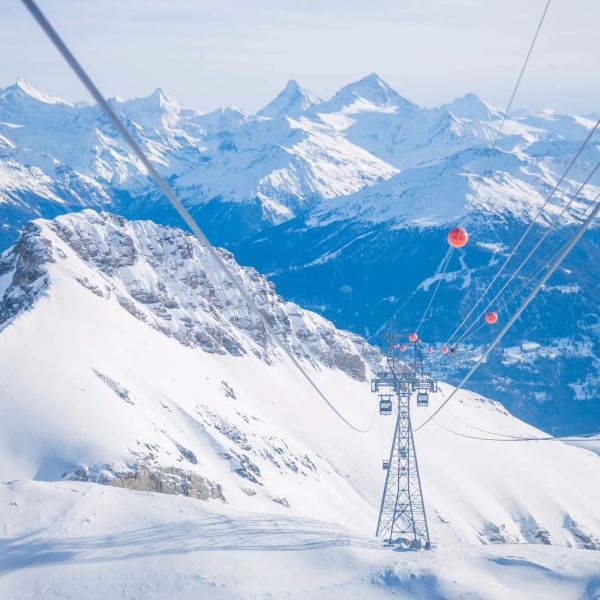
Less than four months out from the Crans-Montana 2027 World Championships, the man running the organising committee has stepped down. Claude-Alain Schmidhalter resigned as Swiss-Ski vice president and OC president after being indicted over a business dispute unrelated to skiing. He denies the allegations and faces court on October 27. Interim leaders are in place for the February 1-14 event.
9 Oct 2026
Kelly Canyon, Idaho, Adds Snowmaking, a Bigger Terrain Park and More Parking for 2026-27
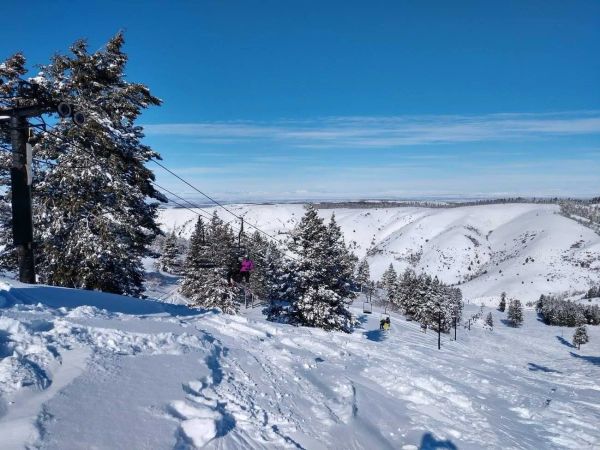
Kelly Canyon had a rough 2025-26, and the Idaho resort has spent the summer making sure it doesn’t repeat. Snowmaking now reaches the top of Goldrush, the terrain park is doubling in size with a stereo system, lights and a snack shack, and the car park is getting bigger. Grooming is stepping up too. Target opening is December 4, conditions permitting.
9 Oct 2026
Valle Nevado Extends Season to November 8 After 108 cm in 48 Hours
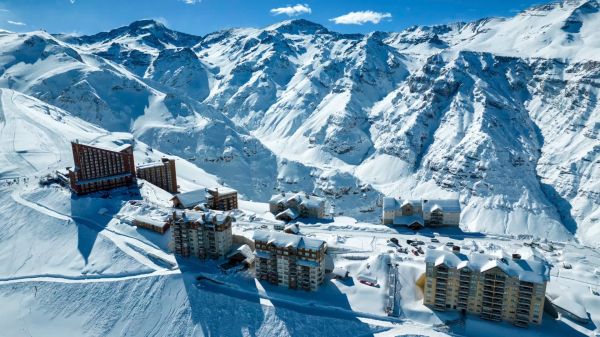
Winter was meant to be winding down in Chile. Then Valle Nevado took 108 cm in 48 hours in early October, and the resort has pushed its closing date out to November 8 - its latest in 38 years of operation. That makes 143 days of skiing since opening day on June 19, with 690 cm banked for the season. Only part of the mountain is running while the storm settles, so check the mountain report before you plan a trip.
9 Oct 2026
Alps Snow Forecast: Cold Front Brings Thursday Snow to the High Alps
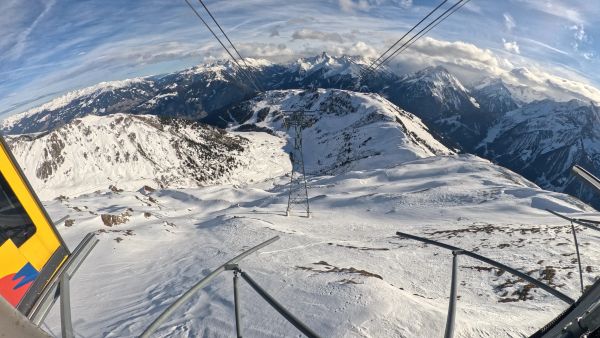
The Alps look a lot more like winter today, for a day or so. A cold front is moving west to east, dropping up to 35 cm on high glaciers and peaks, with snow levels falling to around 1,500-1,800 m at times. Don’t plan a trip around it: mid-elevation snow will be thin and wet, every area is closed bar a limited Sölden glacier opening tomorrow, and warmer weather returns by Monday.
8 Oct 2026
California Ski Resort Opening Dates 2026-27: Mammoth Leads, Tahoe Follows
Mammoth Mountain is first up in California, targeting Friday 13 November after a dusting of September snow. Heavenly and Northstar follow on 20 November, Palisades Tahoe on Wednesday 25 November and Sugar Bowl on 27 November, with Kirkwood on 4 December and June Mountain on 19 December. Plenty of smaller areas have no date yet. A super El Niño favours the Sierra, but a warmer storm track is the catch.
7 Oct 2026
Colorado Ski Resort Opening Dates 2026-27: A-Basin and Keystone Race to Be First
Arapahoe Basin, Keystone and Winter Park are all chasing an October start, though none has a firm date yet. The first dated openers are Breckenridge and Copper on Friday 6 November, then Vail on 13 November, with most of the rest bunched around US Thanksgiving. Hesperus did not open at all last season. A super El Niño offers hope but no guarantee, and forecasters say the southern mountains have the better odds.
5 Oct 2026
Dolomiti Superski 2026-27: Four New Gondolas, New Reservoirs and an €89 Peak Day Pass
Dolomiti Superski is spending around €100 million across its 12 areas before winter. Kronplatz gets a new 10-passenger gondola with a middle station, 3 Zinnen gets Helmissimo, and Val di Fassa swaps a chairlift for a gondola above Col Valvacin. New water-storage basins and upgraded snowmaking follow, and construction has started on the San Martino to Passo Rolle link. A peak adult day pass is €89.
4 Oct 2026
Pila Italy Ski Resort Trail Map
Downloadable Pila Italy Ski Resort trail map
Terrain split
38
runs
Beginner16%
Intermediate73%
Advanced11%
Expert0%
70 km of piste
Resort Stats
Elevation
Base1540m
Summit2740m
Annual snowfall
3m
Season
2026 - 2027
5 Dec 2026 - 2 May 2027
Trail coverage
38 runs
70 km
About Pila Italy Ski Resort's trail map
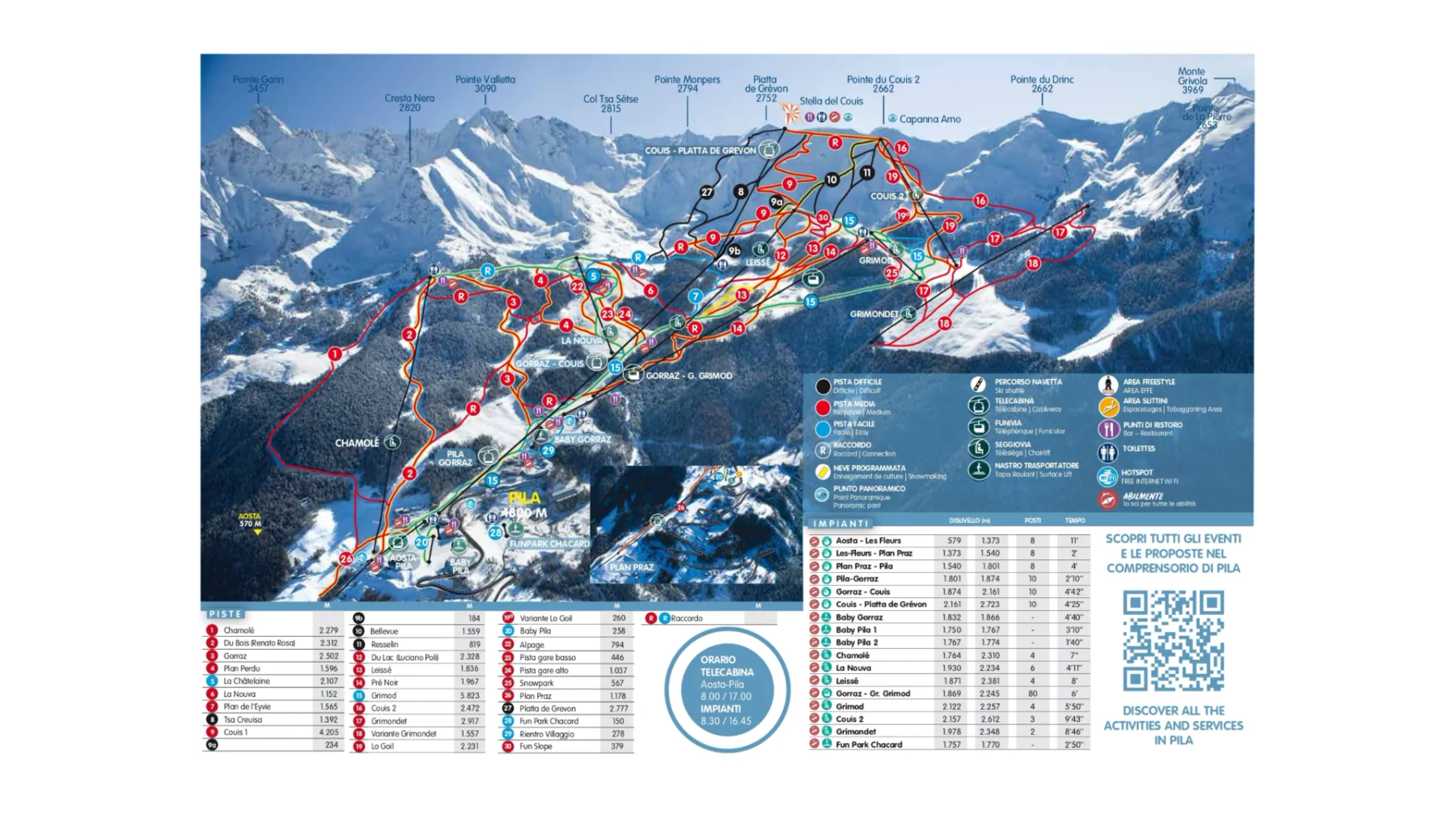
Explore Pila Italy Ski Resort's full trail map with 38 runs across the mountain, colour-coded by difficulty and shown alongside the terrain split. Use it to plan a day that matches your ability, find lift-served pockets of your favourite grade, and see how the resort links together. Download the piste map (PDF) ↗
More Pila Italy Ski Resort intelligence: snow report, lift system, webcams, resort overview.