
The Overview
Michael Fulton
Melbourne-based skier and snowboarder with 50+ resorts across 5 continents. Specialises in Australian resorts and international resort comparisons.
San Domenico - Alpe Ciamporino occupies the Val Cairasca in the Lepontine Alps of northern Piedmont, 8km from the Swiss border and roughly 100km north of Milan. The ski area spans 1,420m to 2,500m across 32.6km of pistes and 18 runs, climbing from the valley hamlet through the broad, sunny plateau of Alpe Ciamporino at 1,950m and up into the steeper Passo Sella and Dosso zones near the summit.
The terrain skews toward the advanced end - 44% of marked runs are graded red or black - with upper-mountain pistes at Passo Sella and Dosso carrying FIS homologation for Downhill and Super-G events. Gradients reach 55% on the steepest descents. The beginner zone sits at Alpe Ciamporino itself at around 2,000m, well above the valley floor and reliably snow-covered throughout the season.
Off-piste terrain in the Dosso and Bondolero sectors is well-regarded among freeride skiers, with the Val Bondolero descent a popular guided itinerary and a regular feature of multi-day ski-touring programmes in the region. The resort operates on 100% renewable energy and is part of the Magic Pass network, giving season pass holders access to nearly 100 destinations across Switzerland and northern Italy.
The mountain has a deliberately unhurried character - known locally as "Sando," it draws a loyal following from Milan and the Swiss border region who return for the uncrowded slopes and the quality of the natural snowpack. The adjacent Alpe Veglia natural park, accessible on foot from the base, extends that appeal into the surrounding terrain.
1080m
Vertical
18
Runs
32.6 km
Piste
4m
Annual snow
The Terrain
18 runs across 32.6 km of piste
San Domenico is a quiet Piedmont ski area close to the Swiss border, with 32.6 kilometres of piste across 18 runs between 1,420 and 2,500 metres. The 1,080-metre vertical is split between gentle slopes on the Alpe Ciamporino plateau and steeper terrain higher up. The grading is the toughest in this region by some margin: 17% beginner, 39% intermediate and 44% advanced, with no expert category. Seven lifts keep the layout simple and the traversing minimal, so queues stay short. It is a mountain that rewards skiers who like pitch over polish, and it rarely draws a crowd.
The challenging pistes are La Sella, Diei, Valletta and the three Bondolero variants, all on the Passo Sella and Dosso side and well regarded by strong skiers. The beginner area sits on Alpe Ciamporino itself, high enough to hold snow reliably. Freeriders will want the Dosso and Bondolero sectors, with Val Bondolero a popular guided descent. Snowpark Sando provides a freestyle outlet. San Domenico suits confident intermediates, advanced skiers and freeriders from Milan and Switzerland who prefer steep, uncrowded slopes to the longer lift networks and busier pistes found elsewhere.
Terrain split
18
runs
18 runs across 4 grades
Beginner3 runs · 17%
Intermediate7 runs · 39%
Advanced8 runs · 44%
Expert0 runs · 0%
Time it right
When to visit San Domenico
The 2025-26 season at San Domenico ran from 6 December 2025 to 6 April 2026 on weekends and public holidays, with daily operations from 22 December through 29 March. The resort's geographic position in the upper Val Cairasca places most of its terrain above 2,000m and exposes it to weather systems arriving from both the north and the south - a combination that produces heavy, consistent snowfall and an average annual accumulation of 3.5 metres.
January and February are the most dependable months for all-mountain conditions, with cold temperatures preserving snow quality on the upper red and black runs. The Alpe Ciamporino plateau holds snow reliably from opening through to early April, and the upper mountain's orientation limits direct afternoon sun on the steeper terrain, extending the usable day into late morning before surface conditions soften.
Spring skiing at San Domenico has a dedicated following, with March delivering the resort's sunniest conditions and the upper pistes still in solid shape. The FIS-homologated runs at Passo Sella attract race training groups earlier in the season, while the Bondolero freeride zones draw backcountry skiers through to the close.
San Domenico sits within a part of the Piedmontese Alps that is notably uncrowded by regional standards. The combination of reliable snow and low visitor numbers makes weekday visits - including the discounted Monday ticket - particularly rewarding.
Season 2025 - 2026
6 Dec 2025
Opens
6 Apr 2026
Closes
121
Days open
4 m
Annual snow
Getting there
Getting to San Domenico, and where to stay
San Domenico sits at 1,420m in the Val Cairasca, a side valley branching off the Divedro Valley near Varzo in the Province of Verbano-Cusio-Ossola. Varzo, 10km below the resort base, is the nearest town with services and sits on the SS33 Sempione road - the historic route connecting Domodossola to the Simplon Pass and the Swiss border at Gondo.
Milan Malpensa Airport is the closest international gateway, approximately 98km south via the A26 motorway to Gravellona Toce and then the SS33 to the Varzo exit - around two hours by road. From the Varzo exit, the SP93 climbs 11km to the resort base. From Switzerland, the SS33 from the Simplon Pass reaches Varzo directly, though the pass road may be closed in winter and the Simplon rail tunnel via Iselle is the more reliable cross-border route.
Train services connect Milan and Geneva to Domodossola, from where regional trains continue to Varzo station on the Domodossola-Brig line. A Pronto Bus shuttle runs from Varzo station to the resort base, making a car-free visit straightforward. Malpensa Airport also has a direct coach service to Domodossola.
The resort's location at the edge of the Alpe Veglia natural park - one of the most intact high-alpine environments in Piedmont - adds significant context to the surrounding terrain. Monte Leone at 3,552m rises directly above the valley, and the park's glacial lakes and high pastures are accessible on foot from the San Domenico base in both summer and winter.
Where to stay
Search all stays →Hotels and lodges near San Domenico, powered by Stay22.
Latest News
From the SnowStash desk
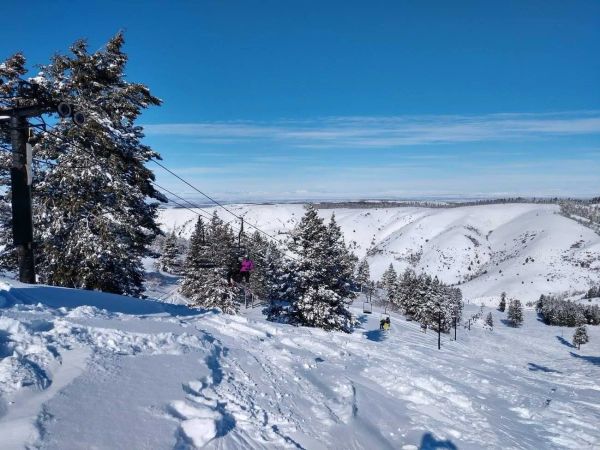
Kelly Canyon, Idaho, Adds Snowmaking, a Bigger Terrain Park and More Parking for 2026-27
Kelly Canyon had a rough 2025-26, and the Idaho resort has spent the summer making sure it doesn’t repeat. Snowmaking now reaches the top of Goldrush, the terrain park is doubling in size with a stereo system, lights and a snack shack, and the car park is getting bigger. Grooming is stepping up too. Target opening is December 4, conditions permitting.
9 Oct 2026
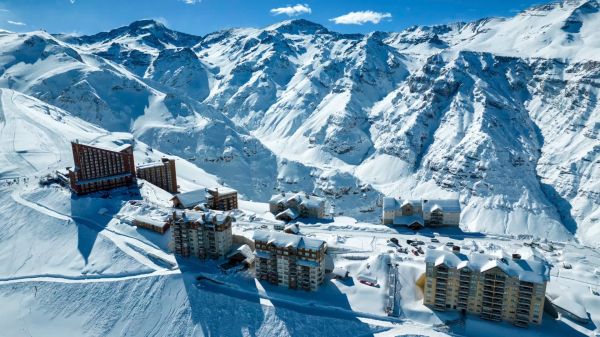
Valle Nevado Extends Season to November 8 After 108 cm in 48 Hours
Winter was meant to be winding down in Chile. Then Valle Nevado took 108 cm in 48 hours in early October, and the resort has pushed its closing date out to November 8 - its latest in 38 years of operation. That makes 143 days of skiing since opening day on June 19, with 690 cm banked for the season. Only part of the mountain is running while the storm settles, so check the mountain report before you plan a trip.
9 Oct 2026
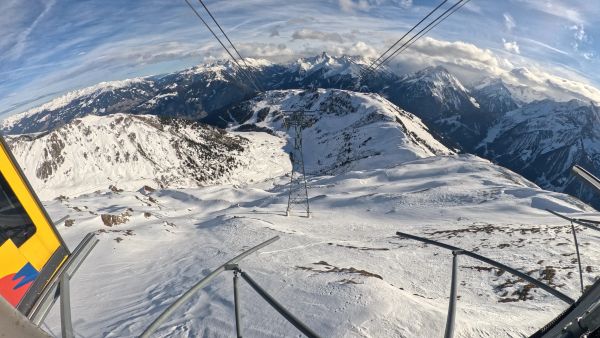
Alps Snow Forecast: Cold Front Brings Thursday Snow to the High Alps
The Alps look a lot more like winter today, for a day or so. A cold front is moving west to east, dropping up to 35 cm on high glaciers and peaks, with snow levels falling to around 1,500-1,800 m at times. Don’t plan a trip around it: mid-elevation snow will be thin and wet, every area is closed bar a limited Sölden glacier opening tomorrow, and warmer weather returns by Monday.
8 Oct 2026
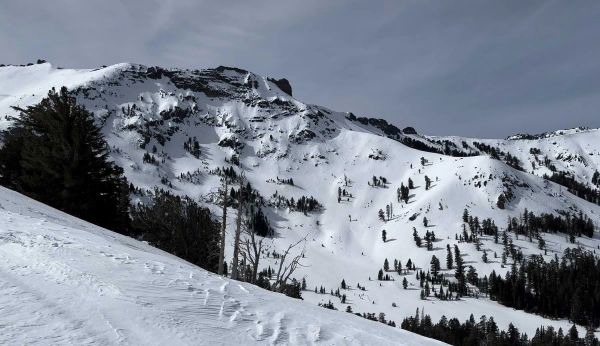
California Ski Resort Opening Dates 2026-27: Mammoth Leads, Tahoe Follows
Mammoth Mountain is first up in California, targeting Friday 13 November after a dusting of September snow. Heavenly and Northstar follow on 20 November, Palisades Tahoe on Wednesday 25 November and Sugar Bowl on 27 November, with Kirkwood on 4 December and June Mountain on 19 December. Plenty of smaller areas have no date yet. A super El Niño favours the Sierra, but a warmer storm track is the catch.
7 Oct 2026
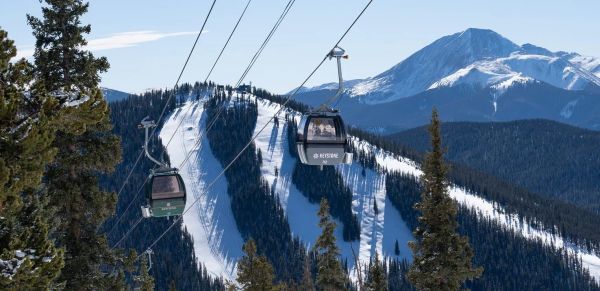
Colorado Ski Resort Opening Dates 2026-27: A-Basin and Keystone Race to Be First
Arapahoe Basin, Keystone and Winter Park are all chasing an October start, though none has a firm date yet. The first dated openers are Breckenridge and Copper on Friday 6 November, then Vail on 13 November, with most of the rest bunched around US Thanksgiving. Hesperus did not open at all last season. A super El Niño offers hope but no guarantee, and forecasters say the southern mountains have the better odds.
5 Oct 2026
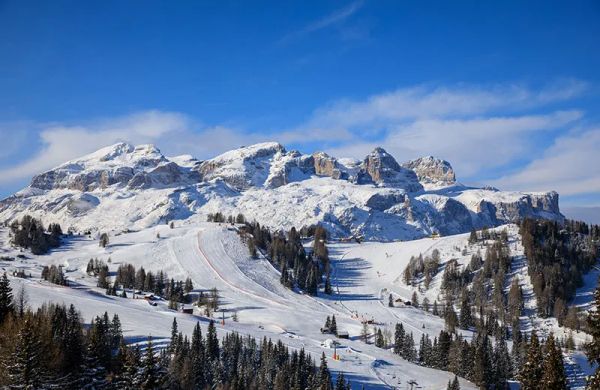
Dolomiti Superski 2026-27: Four New Gondolas, New Reservoirs and an €89 Peak Day Pass
Dolomiti Superski is spending around €100 million across its 12 areas before winter. Kronplatz gets a new 10-passenger gondola with a middle station, 3 Zinnen gets Helmissimo, and Val di Fassa swaps a chairlift for a gondola above Col Valvacin. New water-storage basins and upgraded snowmaking follow, and construction has started on the San Martino to Passo Rolle link. A peak adult day pass is €89.
4 Oct 2026
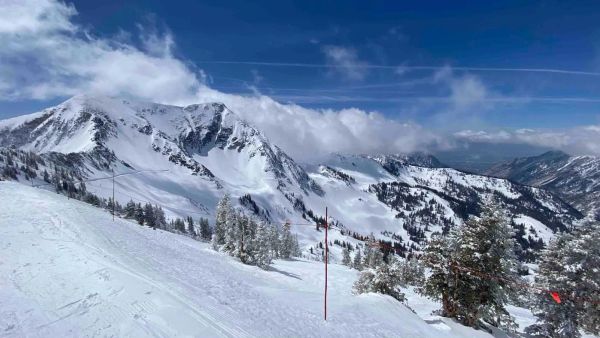
Utah Ski Resort Opening Dates 2026-27: Brian Head First, Eagle Point Out
Brian Head is targeting 6 November, though last year it aimed for 7 November and did not open until the 25th. Park City, Alta and Solitude are pencilled in for 20 November, Snowbird and Snowbasin for 27 November, and Deer Valley for 5 December. Eagle Point will stay closed after the Cottonwood Fire. A super El Niño is forecast, but the big snow is not expected until January.
4 Oct 2026
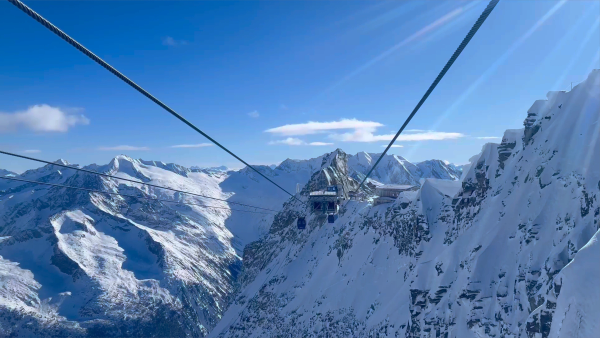
Hintertux Glacier Opens for 2026-27 With 12 Kilometres of Piste
Hintertux became Austria's second glacier to open for 2026-27 on Friday 2 October, after the Pitztal Glacier. Twelve kilometres of piste are running around the Olperer and Gefrorene Wand, served by one gondola and two drag lifts, with the Betterpark also open. Lifts officially run 8:15 am to 4:30 pm, but skiing stops at 2 pm for now.
4 Oct 2026