
The Overview
Michael Fulton
Melbourne-based skier and snowboarder with 50+ resorts across 5 continents. Specialises in Australian resorts and international resort comparisons.
Sulden am Ortler delivers 44 kilometres of high-altitude skiing beneath the Ortler massif, with elevations spanning 1,900 to 3,250 metres creating one of Italy's most snow-reliable resorts. The 1,350-metre vertical drop includes terrain across three distinct sectors - Schöntaufspitze, Kanzel, and Langenstein - with the longest descent stretching 11 kilometres from summit to base. Set within the Stelvio National Park in South Tyrol's Venosta Valley, the resort operates at the foot of King Ortler, at 3,905 metres the highest peak in the Eastern Alps outside the Bernina Range. Snowmaking covers 100% of marked runs, complementing natural snowfall that maintains reliable conditions from late October through early May.
The terrain divides into 17 kilometres of blue runs, 13 kilometres of intermediate reds, and 14 kilometres of challenging black pistes, offering a balanced spread for all abilities. Beginners find dedicated learning areas at the valley station with practice lifts and the Sonnenhang slope, whilst the slopes at Kanzel and Langenstein deliver steeper pitches for experienced skiers. The Madritsch sector provides wide-open high-alpine bowls ideal for confident intermediates seeking consistent grooming, and a funpark with halfpipe and boardercross sits adjacent to the Madritsch mountain hut. Three ungroomed ski routes - Hochleiten, Schaubachweg, and Marlet - extend options for freeriders seeking off-piste lines beneath the glaciated peaks.
The village of Sulden maintains authentic Alpine character at 1,900 metres, with traditional South Tyrolean architecture reflecting the region's trilingual German, Italian, and Ladin heritage. Crowd pressure remains light compared to larger Italian resorts, with multiple base access points distributing skiers efficiently across the mountain. The Messner Mountain Museum Ortles, an underground museum designed by architect Arnold Gapp, houses the world's largest collection of Ortler paintings alongside exhibits on ice climbing and polar exploration. On-mountain facilities include several rifugios and the renovated K2 Langenstein restaurant, whilst the village offers diverse accommodation from ski-in ski-out hotels to traditional guesthouses.
Sulden forms part of the Ortler Skiarena region, with multi-day passes providing access to neighbouring resorts including Trafoi and Watles across 123 kilometres of combined terrain. The Skiarena Due Paesi pass extends coverage further, linking six ski areas between Austrian Tyrol and South Tyrol totalling 211 kilometres of slopes. The resort suits families seeking reliable snow and uncrowded slopes, intermediate skiers appreciating long sustained descents, and freeriders attracted to the extensive off-piste terrain beneath 14 surrounding peaks exceeding 3,000 metres. Free ski buses connect all parts of the village to the lift stations throughout the winter season.
1350m
Vertical
20
Runs
44 km
Piste
4m
Annual snow
The Terrain
20 runs across 44 km of piste
Sulden am Ortler sits in the shadow of the Ortler, with lifts running from 1,900 metres up to 3,250 metres for a vertical of 1,350 metres. The 20 runs cover 44 kilometres and the difficulty mix is balanced, at 39% beginner, 30% intermediate and 31% advanced, with no expert-rated pistes. That mix is skewed toward the ends of the scale, so it works for families and for strong skiers rather than only for the middle. The terrain breaks into three sectors, Schontaufspitze, Kanzel and Langenstein, linked by runs and valley trails, and the lifts include two aerial trams and two gondolas.
Schontaufspitze is the high sector, reached by the big Schaubach cable cars, and it is where freeriders find deep-snow lines, so go with a guide. The Madritsch blue sweeps in a wide arc from the top of the Schontauf II chair, and a fun park and boardercross course sit near the Madritsch hut. Kanzel and Langenstein hold the steeper pistes for advanced skiers. Sulden suits strong skiers who value altitude and quiet slopes, plus families using the gentle lower terrain. Keep in mind that the sectors are separate, so plan each day around one.
Terrain split
20
runs
20 runs across 4 grades
Beginner8 runs · 39%
Intermediate6 runs · 30%
Advanced6 runs · 31%
Expert0 runs · 0%
Time it right
When to visit Sulden am Ortler
Sulden am Ortler operates an extended winter season running from 25 October 2025 through 3 May 2026, offering over six months of skiing thanks to its exceptional high-altitude location. The cable car typically commences limited operations in late October before the full network activates by mid-November, with all 11 lifts running through to the season close in early May. The Rosim gondola, Kanzel gondola, Langenstein chairlift, and Madritsch chairlifts open daily at 8:30am and close at 4pm, whilst the main Sulden cable car operates from 8:45am to 4:30pm. Operating dates and times may vary depending on snow and weather conditions.
The resort's elevation profile - base at 1,900 metres rising to 3,250 metres - delivers exceptional snow preservation throughout winter, with temperatures regularly remaining below freezing even during sunny periods. Average snow depths range from 50 to 200 centimetres during peak season, with annual snowfall averaging around 3.5 metres at resort level and significantly higher accumulations on upper slopes. Snowmaking equipment covers 100% of marked runs, ensuring consistent coverage across all terrain regardless of natural precipitation patterns. The combination of high altitude and full snowmaking capability provides guaranteed snow conditions that few Italian resorts can match.
January and February deliver peak powder opportunities, particularly on north-facing slopes in the Madritsch sector that receive minimal direct sunlight and preserve fresh snow for extended periods. Early season skiing from late October through December sees operations concentrated around the Madritsch and Schöntaufspitze areas before expanding across the entire network. Spring skiing from March through May offers excellent corn snow conditions as daytime warming and overnight freezing create consistent surfaces, with ski mountaineering enthusiasts finding ideal conditions for glacier tours during this period. The quietest periods fall in January and early December, whilst February half-term and Easter see peak visitor numbers.
The resort hosts an international snowboarding festival at the end of each season in early May, whilst the Yeti Club ski kindergarten runs daily programmes throughout winter for young children. Night skiing operates three times weekly on the two-kilometre illuminated toboggan run connecting Pulpito to the cable car, offering after-dark activities beyond traditional skiing. The Sulden Ski School, established over 75 years ago, holds Gold Seal accreditation from the South Tyrolean Ski Schools association and offers specialised courses alongside children's programmes. Winter hiking trails, snowshoe routes, and ice climbing at the frozen waterfalls below the middle station provide alternatives for non-skiers.
Season 2025 - 2026
15 Nov 2025
Opens
1 May 2026
Closes
167
Days open
4 m
Annual snow
Getting there
Getting to Sulden am Ortler, and where to stay
Sulden am Ortler occupies an extraordinary high-valley position at 1,900 metres elevation in the Suldental, a tributary valley branching south from the Venosta Valley in the western reaches of South Tyrol. The village sits within the Stelvio National Park, surrounded by 14 peaks exceeding 3,000 metres including the imposing Ortler at 3,905 metres, Königspitze at 3,859 metres, and Monte Cevedale at 3,769 metres. This dramatic setting approximately 100 kilometres northwest of Bolzano places skiers beneath the highest mountains in the Eastern Alps, with glaciated terrain visible from virtually every run. The traditional mountain village maintains authentic Alpine architecture reflecting centuries of farming heritage and strong cultural connections to the region's unique trilingual community.
The nearest settlements include Gomagoi at 9 kilometres, Stilfs at 12 kilometres, and Trafoi at 13 kilometres, with the market town of Prad am Stilfserjoch located 16 kilometres down-valley. Merano, South Tyrol's second largest city, lies approximately 64 kilometres southeast and serves as the regional centre for services and facilities. The Stelvio Pass, one of the highest paved mountain passes in the Alps at 2,758 metres, connects to Bormio in Lombardy during summer months but remains closed throughout the winter ski season for safety reasons. During winter, all access routes approach Sulden exclusively via the Venosta Valley.
Driving access from the Brenner Motorway requires exiting at Bolzano Sud and following the Bolzano-Merano highway west, then continuing via the Venosta Valley state road to Spondinig, turning onto the SS38 Stelvio Pass road to Gomagoi, and finally taking the SS622 to Sulden - a journey of approximately 92 kilometres taking around 90 minutes. From the Austrian A12 Inntal Autobahn, exit at Reschen and drive south through the Vinschgau for approximately 98 kilometres requiring 95 minutes. Free parking is available at all base stations, with particularly generous capacity at the main cable car and the Rosim lift at the valley end. A free ski bus circulates between the villages of Lichtenberg, Agums, Prad, Stilfs Dorf, Gomagoi, Trafoi, and Sulden throughout the season.
Bolzano Airport sits approximately 99 kilometres from the resort, requiring around one hour and 40 minutes driving time, though this small regional airport offers limited commercial flights. Innsbruck Airport in Austria provides better international connections at 165 kilometres distance and approximately two hours 15 minutes driving time. Verona and Bergamo airports serve as alternatives for those flying from further afield, both requiring around three hours transfer time. Train access involves travelling to Spondinig station via Bolzano and Merano, then connecting via bus line 271 which reaches Sulden in approximately 30 minutes with stops directly at the cable car valley station.
Where to stay
Search all stays →Hotels and lodges near Sulden am Ortler, powered by Stay22.
Latest News
From the SnowStash desk
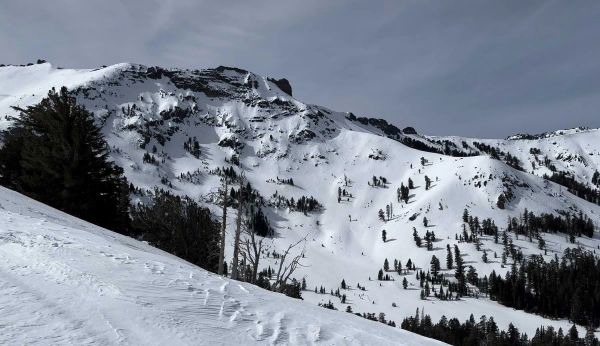
California Ski Resort Opening Dates 2026-27: Mammoth Leads, Tahoe Follows
Mammoth Mountain is first up in California, targeting Friday 13 November after a dusting of September snow. Heavenly and Northstar follow on 20 November, Palisades Tahoe on Wednesday 25 November and Sugar Bowl on 27 November, with Kirkwood on 4 December and June Mountain on 19 December. Plenty of smaller areas have no date yet. A super El Niño favours the Sierra, but a warmer storm track is the catch.
7 Oct 2026
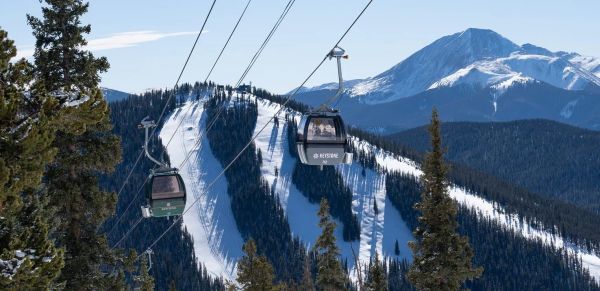
Colorado Ski Resort Opening Dates 2026-27: A-Basin and Keystone Race to Be First
Arapahoe Basin, Keystone and Winter Park are all chasing an October start, though none has a firm date yet. The first dated openers are Breckenridge and Copper on Friday 6 November, then Vail on 13 November, with most of the rest bunched around US Thanksgiving. Hesperus did not open at all last season. A super El Niño offers hope but no guarantee, and forecasters say the southern mountains have the better odds.
5 Oct 2026
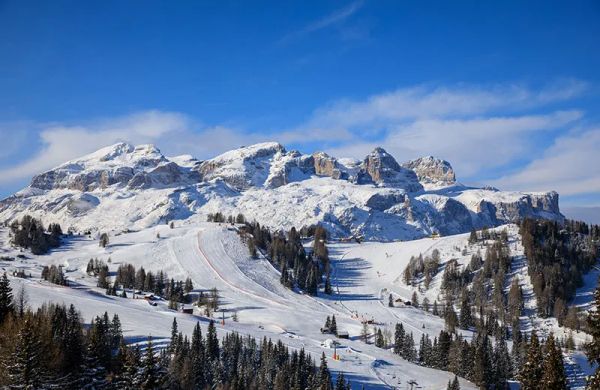
Dolomiti Superski 2026-27: Four New Gondolas, New Reservoirs and an €89 Peak Day Pass
Dolomiti Superski is spending around €100 million across its 12 areas before winter. Kronplatz gets a new 10-passenger gondola with a middle station, 3 Zinnen gets Helmissimo, and Val di Fassa swaps a chairlift for a gondola above Col Valvacin. New water-storage basins and upgraded snowmaking follow, and construction has started on the San Martino to Passo Rolle link. A peak adult day pass is €89.
4 Oct 2026
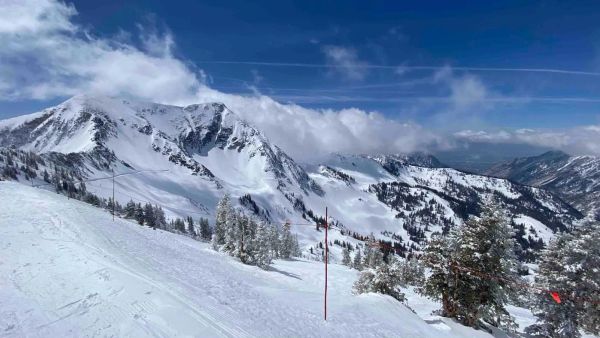
Utah Ski Resort Opening Dates 2026-27: Brian Head First, Eagle Point Out
Brian Head is targeting 6 November, though last year it aimed for 7 November and did not open until the 25th. Park City, Alta and Solitude are pencilled in for 20 November, Snowbird and Snowbasin for 27 November, and Deer Valley for 5 December. Eagle Point will stay closed after the Cottonwood Fire. A super El Niño is forecast, but the big snow is not expected until January.
4 Oct 2026
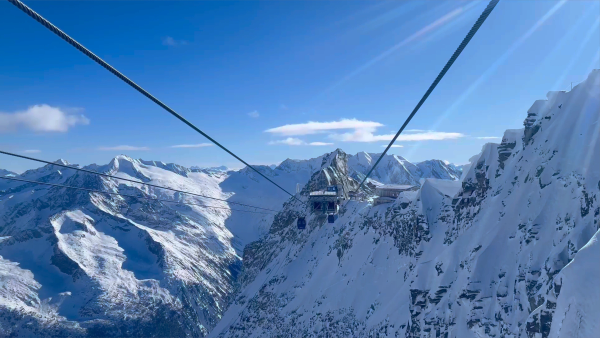
Hintertux Glacier Opens for 2026-27 With 12 Kilometres of Piste
Hintertux became Austria's second glacier to open for 2026-27 on Friday 2 October, after the Pitztal Glacier. Twelve kilometres of piste are running around the Olperer and Gefrorene Wand, served by one gondola and two drag lifts, with the Betterpark also open. Lifts officially run 8:15 am to 4:30 pm, but skiing stops at 2 pm for now.
4 Oct 2026
Vail Resorts Counts the Cost of a Thin Winter as Pass Sales Slide Further
A historically poor western winter cut Vail Resorts' annual net income from $280 million to $147.5 million and skier visits by 13.4 per cent. Now 2026-27 pass units are down 12 per cent as of 18 September, worse than the 10 per cent flagged in spring. Vail blames the weather and thinks some buyers are simply waiting, and it forecasts a rebound if the snow behaves.
3 Oct 2026
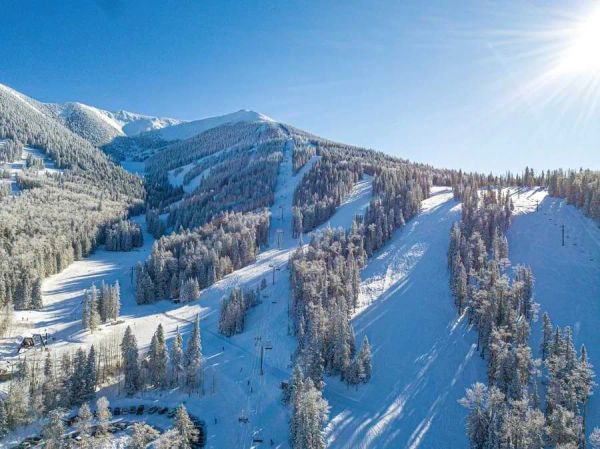
Arizona Snowbowl's $1 Lift Tickets Are Hard to Find, but $9 Days Are Not
Arizona Snowbowl advertised eight $1 lift ticket days this winter. Go looking and only three are showing - 10 March, 1 April and 10 April - so the rest may already have gone. The consolation is a calendar full of $9 days, including all but one day in April. Opening day is 20 November, weather permitting, and opening weekend is $19.
2 Oct 2026
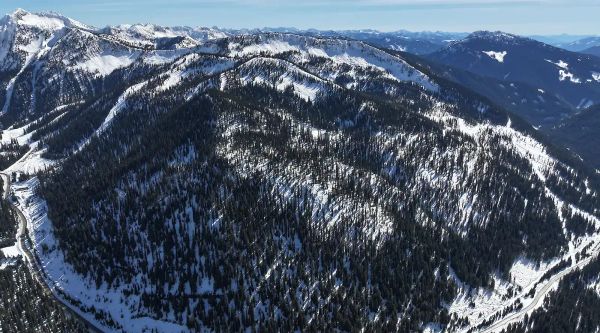
Whitewater Brings Its Short Side Inbounds, With Six New Runs for 2026-27
For years, Whitewater's Short Side was where you ducked a rope and hoped for the best: unmapped, ungroomed and unpatrolled. This winter it's inbounds. Six new runs of glades and fall-line skiing add 190 acres (about 77 hectares), taking the resort past 1,400 acres in total. F2 Logging spent a month in the trees to make it happen, and opening day is pencilled in for 4 December. Bonanza now needs less snow to groom, too.
1 Oct 2026
Sulden am Ortler Lift System
Sulden's lift network comprises 11 installations strategically positioned across three interconnected skiing zones: Schöntaufspitze, Kanzel, and Langenstein. The breakdown includes two aerial tramways, two 10-person gondolas, five chairlifts, one platter lift, and one covered conveyor belt. Two aerial tramways in the Schöntaufspitze sector - Sulden-Schaubachhütte I and II - provide summit access with cabins accommodating up to 110 passengers each, whilst three chairlifts serve the upper slopes with two featuring weather protection bubbles. The Kanzel sector operates twin 10-person Doppelmayr gondolas reaching 2,450 metres elevation.
The headline installation is the Sulden-Schaubachhütte cable car system, one of the largest aerial tramways in the world with four cabins carrying 110 people each for a combined capacity of 440 passengers. The Kanzel gondola, installed in 2021, replaced an older double chairlift and now transports skiers from 1,848 metres to 2,350 metres in approximately four minutes at six metres per second. The Rosim-Bahn, a 10-person gondola built in 2014, rises from 1,900 metres to 2,450 metres with a capacity of 2,000 passengers per hour. The Madritsch chairlift, a detachable quad with weather protection bubbles, carries 2,400 skiers per hour through the high-alpine zone.
Three primary access routes from the village distribute skiers effectively across the mountain. The main cable car station serves the Schöntaufspitze sector reaching summit terrain at 3,250 metres, whilst the Kanzel and Rosim gondolas provide parallel access to the middle elevations around Pulpito and the Kanzel sector. The Langenstein chairlift, a fixed-grip double built in 1980 with a ten-minute ride time, accesses the separate Langenstein sector where steeper intermediate terrain awaits. Valley-level practice facilities include a platter lift and covered conveyor belt serving beginners and the Yeti Club ski kindergarten.
Recent infrastructure investment saw the 2021 installation of the new Kanzel gondola, effectively doubling transit speed and dramatically improving comfort compared to the previous exposed chairlift. Future development plans include the Hintergratbahn, an 80-seat cable car intended to connect the Langenstein chairlift summit to Hintergratkopf, opening a new Gran Zebru piste and creating the Ortler Ronda ski circuit. RFID ticketing technology and expanded uphill capacity have effectively eliminated queues throughout most of the season, and free parking at all base stations enhances accessibility for day visitors.
11lifts across 6 types
2
Aerial Trams
2
Gondolas
4
Quad Chairs
1
Double Chair
1
T-Bar
1
Surface Lift
Sulden am Ortler lift system
Sulden am Ortler is served by 11 lifts, listed here by type. Check which lifts are turning against the live conditions before you plan your first laps - early lifts and high-speed chairs get you to the best snow fastest.
More Sulden am Ortler intelligence: trail map, snow report, webcams, resort overview.