
LAAX
LAAX Switzerland: 214km pistes, 1,918m vertical, world's largest halfpipe. Graubünden glacier skiing 1,100-3,018m elevation.
Season 2026 - 2027
Opens
28 Nov 2026
Closes
11 Apr 2027
Days open
134
Annual snow
8m
The Overview
Michael Fulton
Melbourne-based skier and snowboarder with 50+ resorts across 5 continents. Specialises in Australian resorts and international resort comparisons.
LAAX spans 1,100 to 3,018 metres across the Vorab Glacier in Graubünden, with 214 kilometres of piste and 1,918 metres of vertical drop linking three villages. The resort distributes 55 runs into 40% beginner, 35% intermediate, 20% advanced and 5% expert terrain, whilst 70% of the ski area sits above 2,000 metres for reliable snow conditions. Five snowparks centred on Crap Sogn Gion include the world's largest halfpipe at 200 metres long and 7 metres high, earning LAAX the title of World's Best Freestyle Resort nine consecutive times. The resort operates no multi-resort pass but offers a standalone season pass, with the 2025-26 season running 18 November to 12 April.
The terrain spreads across three distinct sectors accessed from Flims, Laax and Falera villages. Intermediates cruise 80 kilometres of blue and red runs between Nagens and Alp Dado, whilst advanced riders test the Vorab Glacier steeps and marked freeride routes around Cassons. The longest descent drops 1,700 metres over 17 kilometres from La Siala to Flims, whilst the FIS-certified Fatschas run challenges racers over 5 kilometres. Beginners progress on high-altitude nursery slopes at Foppa and sunny Crap Sogn Gion, avoiding valley bottlenecks.
Crap Sogn Gion at 2,216 metres forms the resort's central hub, where the modernist GALAAXY building houses two aerial tramway stations and a mountain hotel. The atmosphere skews younger and freestyle-focused, with freestylers congregating at Caffé NoName beside the halfpipe. Rocksresort at Laax Murschetg base provides slopeside lodging, whilst traditional Flims offers family-friendly infrastructure and Falera remains the quietest option. The P60 park and Olympic-sized Pro Kicker Line draw international competitors for the annual LAAX OPEN each January.
LAAX suits confident intermediates seeking varied cruising terrain and freestylers at any level, from first park features to professional competition. Advanced skiers find adequate off-piste around the glacier and marked itineraries, though the resort's reputation centres on parks rather than extreme freeride. Families benefit from three separate beginner zones and the Ami Sabi children's programme, whilst the high elevation guarantees consistent conditions from early season through spring. Those seeking traditional Alpine charm may find the resort's contemporary design and freestyle culture less appealing than classic Swiss villages.
1918m
Vertical
55
Runs
214 km
Piste
8m
Annual snow
The Terrain
55 runs across 214 km of piste
LAAX stretches 214 kilometres of piste across 55 runs, with 1,918 metres of vertical between the 3,018-metre Vorab summit and Flims at 1,100 metres. The grading leans gentle, at 40% beginner and 35% intermediate, leaving 20% advanced and 5% expert. Thirteen gondolas and two aerial trams do the heavy lifting, backed by five six-seat chairs, two quads, eight T-bars and five surface lifts. Around 8 metres of snow falls each year, and the glacier above Vorab keeps the upper slopes dependable. Strong intermediates get the best of it, linking Flims, Laax and Falera on long, flowing cruisers.
The marquee descent is La Siala, which runs from roughly 2,810 metres down to Flims, a drop of around 1,700 metres. Tougher options include the black Sattel run from Vorab and the Platt'Alva itinerary from Nagens, while the glacier steeps and marked freeride routes around Cassons give advanced skiers an off-piste step up. Racers get the FIS downhill course from Crap Sogn Gion to Laax-Murschetg. Crap Sogn Gion also anchors the freestyle scene, with a halfpipe and several parks. Snowboarders, freestylers and mixed-ability groups will suit it better than pure expert chasers.
Terrain split
55
runs
55 runs across 4 grades
Beginner22 runs · 40%
Intermediate19 runs · 35%
Advanced11 runs · 20%
Expert3 runs · 5%
Time it right
When to visit LAAX
The 2025-26 winter season operates 18 November 2025 to 12 April 2026, delivering 146 days of lift access. Early-season skiing typically begins on the Vorab Glacier before spreading resort-wide as natural snowfall accumulates. The resort historically opens weekends in November before full daily operations commence mid-December, closing in late April depending on conditions. LAAX ranks amongst Switzerland's most reliable areas for season length due to high elevation.
Annual snowfall averages between 445 and 720 centimetres depending on measurement location and methodology. The summit elevation at 3,018 metres accumulates average snow depths of 222 centimetres mid-season, peaking at 300 centimetres in March. Base elevation at 1,100 metres maintains 29 centimetres average depth, with 80 snow cannons covering 20 kilometres of lower runs. The high proportion of terrain above 2,000 metres ensures coverage even in lean winters. January typically delivers the snowiest weeks with 132 centimetres monthly accumulation.
January and February offer peak powder conditions with 3-4 snowy days per week, whilst March combines reliable depth with increasing sunshine averaging 21 sunny days monthly. December provides early-season value before holiday crowds, and April delivers spring conditions with soft afternoon snow. The Vorab Glacier maintains skiable snow into spring when lower sectors soften. The resort benefits from northern weather patterns that deliver snowfall when southern Swiss areas remain dry.
The LAAX OPEN draws international freestyle competitors each January, featuring FIS World Cup slopestyle and halfpipe events with night finals held Saturday evenings. Friday night skiing runs throughout winter on the Curnius run with floodlighting until 2115 hours, costing CHF 22 adults. Full moon descents with dinner operate select dates, departing Crap Sogn Gion after dark. The resort's freestyle calendar includes The Brits championships and regular park events, whilst the Freestyle Academy operates year-round for indoor training.
Season 2026 - 2027
28 Nov 2026
Opens
11 Apr 2027
Closes
134
Days open
8 m
Annual snow
Getting there
Getting to LAAX, and where to stay
LAAX occupies the Surselva region of canton Graubünden in southeastern Switzerland, spread across three villages at 1,100-1,200 metres in a sunny plateau above the Rhine valley. The resort sits 21 kilometres west of Chur, the cantonal capital, with the villages of Flims, Laax and Falera forming a continuous ski area beneath the Vorab massif. The area lies within the Glarus Alps, positioned where northern weather systems deposit consistent snowfall. The resort faces south with extensive above-treeline terrain.
Flims serves as the largest village with direct lift access and family-oriented infrastructure, whilst Laax centres on the contemporary Rocksresort development at Murschetg base. Falera remains the smallest and quietest hamlet at 1,200 metres elevation, a short distance from its chairlift. Chur, 30 minutes by road, offers historic old town architecture and regional transport connections. The UNESCO-listed Tectonic Arena Sardona geological formation lies accessible via the new FlemXpress gondola system. Lake Cauma near Flims provides summer recreation.
By road, motorway A13/E43 exits at Reichenau near Chur, continuing 11 kilometres west on route 19 to Flims and Laax. The drive from Zurich covers 145-155 kilometres in approximately 1 hour 40 minutes without traffic. From Italy or eastern Switzerland, the A13 provides straightforward access, whilst the minor Lukmanier Pass road offers a scenic alternative via Disentis. Switzerland charges a flat CHF 40 annual motorway vignette. Parking exists at all three base stations, with covered options in select locations.
Zurich Airport (ZRH) lies 145 kilometres north, representing the primary international gateway. Train connections run twice hourly from Zurich to Chur in 1 hour 15 minutes, followed by Postbus 81 completing the final 33 kilometres in 30 minutes, with total journey time around 2 hours 45 minutes. The train-bus connection synchronises to minimise waiting. Friedrichshafen Airport in Germany, Innsbruck, Milan Malpensa and Basel serve as alternative gateways. Private transfers and express buses operate during peak season, with the express bus departing Zurich Airport at 1300 hours on Thursdays, Saturdays and Sundays.
Where to stay
Search all stays →Hotels and lodges near LAAX, powered by Stay22.
Latest News
From the SnowStash desk
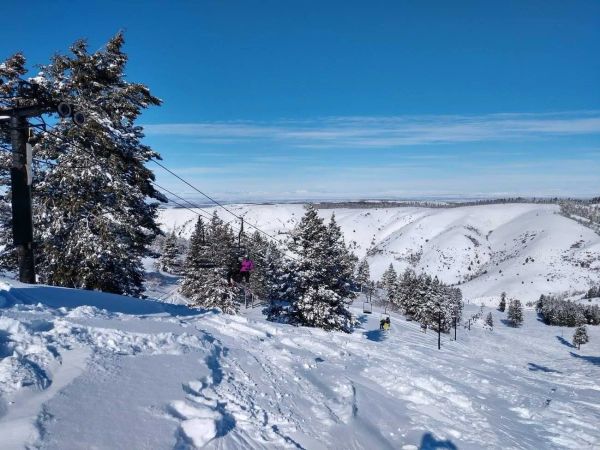
Kelly Canyon, Idaho, Adds Snowmaking, a Bigger Terrain Park and More Parking for 2026-27
Kelly Canyon had a rough 2025-26, and the Idaho resort has spent the summer making sure it doesn’t repeat. Snowmaking now reaches the top of Goldrush, the terrain park is doubling in size with a stereo system, lights and a snack shack, and the car park is getting bigger. Grooming is stepping up too. Target opening is December 4, conditions permitting.
9 Oct 2026
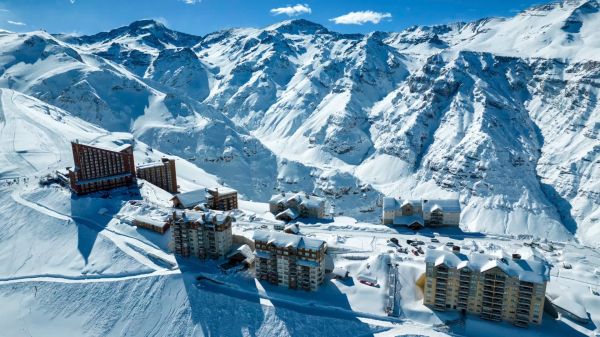
Valle Nevado Extends Season to November 8 After 108 cm in 48 Hours
Winter was meant to be winding down in Chile. Then Valle Nevado took 108 cm in 48 hours in early October, and the resort has pushed its closing date out to November 8 - its latest in 38 years of operation. That makes 143 days of skiing since opening day on June 19, with 690 cm banked for the season. Only part of the mountain is running while the storm settles, so check the mountain report before you plan a trip.
9 Oct 2026
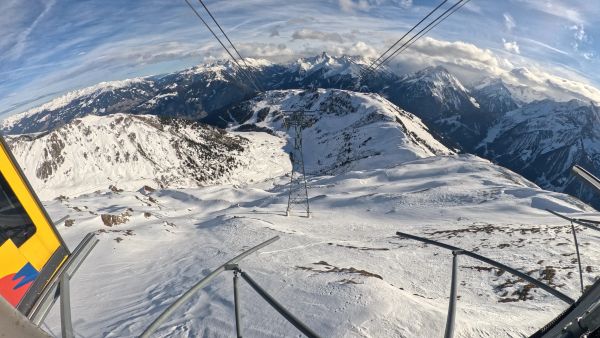
Alps Snow Forecast: Cold Front Brings Thursday Snow to the High Alps
The Alps look a lot more like winter today, for a day or so. A cold front is moving west to east, dropping up to 35 cm on high glaciers and peaks, with snow levels falling to around 1,500-1,800 m at times. Don’t plan a trip around it: mid-elevation snow will be thin and wet, every area is closed bar a limited Sölden glacier opening tomorrow, and warmer weather returns by Monday.
8 Oct 2026
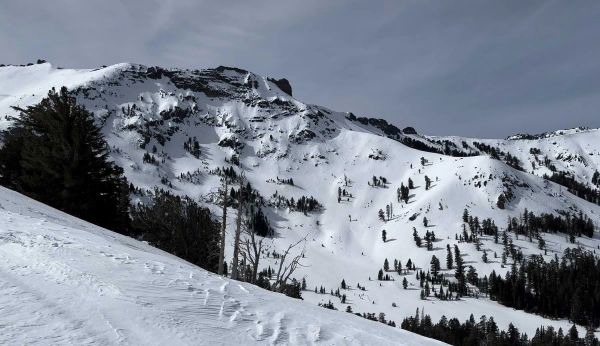
California Ski Resort Opening Dates 2026-27: Mammoth Leads, Tahoe Follows
Mammoth Mountain is first up in California, targeting Friday 13 November after a dusting of September snow. Heavenly and Northstar follow on 20 November, Palisades Tahoe on Wednesday 25 November and Sugar Bowl on 27 November, with Kirkwood on 4 December and June Mountain on 19 December. Plenty of smaller areas have no date yet. A super El Niño favours the Sierra, but a warmer storm track is the catch.
7 Oct 2026
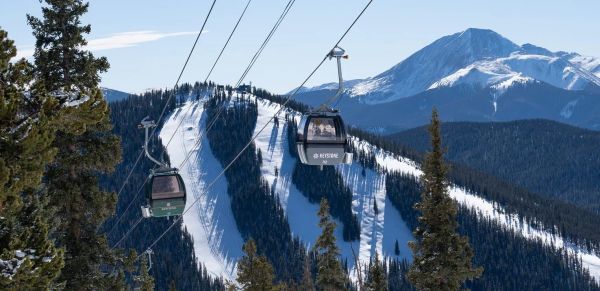
Colorado Ski Resort Opening Dates 2026-27: A-Basin and Keystone Race to Be First
Arapahoe Basin, Keystone and Winter Park are all chasing an October start, though none has a firm date yet. The first dated openers are Breckenridge and Copper on Friday 6 November, then Vail on 13 November, with most of the rest bunched around US Thanksgiving. Hesperus did not open at all last season. A super El Niño offers hope but no guarantee, and forecasters say the southern mountains have the better odds.
5 Oct 2026
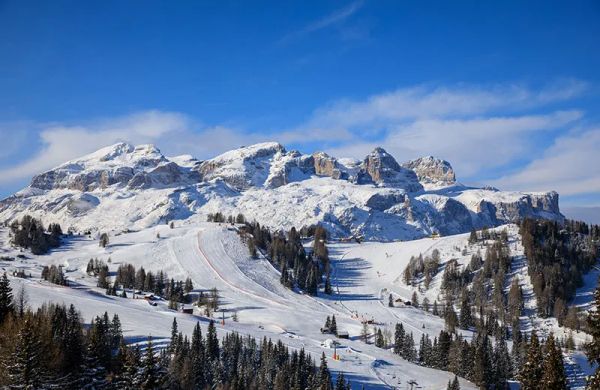
Dolomiti Superski 2026-27: Four New Gondolas, New Reservoirs and an €89 Peak Day Pass
Dolomiti Superski is spending around €100 million across its 12 areas before winter. Kronplatz gets a new 10-passenger gondola with a middle station, 3 Zinnen gets Helmissimo, and Val di Fassa swaps a chairlift for a gondola above Col Valvacin. New water-storage basins and upgraded snowmaking follow, and construction has started on the San Martino to Passo Rolle link. A peak adult day pass is €89.
4 Oct 2026
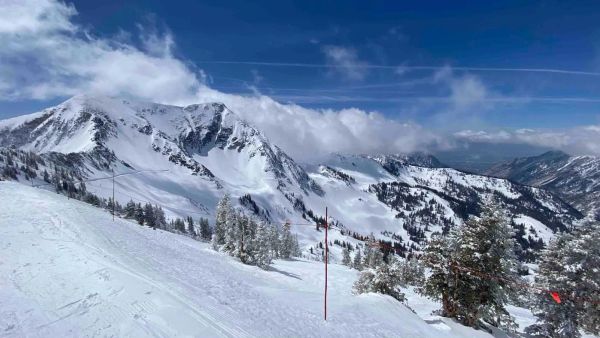
Utah Ski Resort Opening Dates 2026-27: Brian Head First, Eagle Point Out
Brian Head is targeting 6 November, though last year it aimed for 7 November and did not open until the 25th. Park City, Alta and Solitude are pencilled in for 20 November, Snowbird and Snowbasin for 27 November, and Deer Valley for 5 December. Eagle Point will stay closed after the Cottonwood Fire. A super El Niño is forecast, but the big snow is not expected until January.
4 Oct 2026
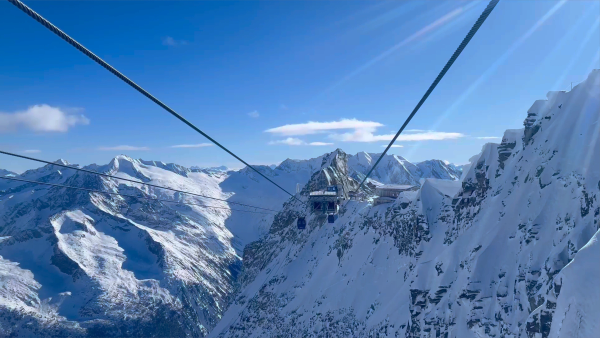
Hintertux Glacier Opens for 2026-27 With 12 Kilometres of Piste
Hintertux became Austria's second glacier to open for 2026-27 on Friday 2 October, after the Pitztal Glacier. Twelve kilometres of piste are running around the Olperer and Gefrorene Wand, served by one gondola and two drag lifts, with the Betterpark also open. Lifts officially run 8:15 am to 4:30 pm, but skiing stops at 2 pm for now.
4 Oct 2026
LAAX Lift System
The resort operates 35 lifts comprising 2 aerial tramways, 13 gondolas, 5 six-pack chairs, 2 quad chairs, 5 surface lifts and 8 T-bars. The 125-person Crap Sogn Gion aerial tramway serves as the headline installation from Laax village, opening in 1967 and still running today. From Flims, the three-stage Arena Express gondola transports skiers efficiently to mid-mountain, whilst Falera connects via a quad chair to Curnius. The lift network transports 42,000 skiers per hour across the mountain.
The Lavadinas-Fuorcla Sura six-seater by Porsche Design Studios rotates 45 degrees after departure, offering unique mountain views from its turning mechanism. The innovative FlemXpress gondola system represents the world's first on-demand lift, operating year-round with 10-person cabins that only run when passengers board, reducing energy consumption by up to 50% compared to conventional systems. The final section to Cassons opened for the 2025-26 season, replacing older chairlifts with Ropetaxi technology by Bartholet. Heated seats feature on multiple gondola lines.
From each base village, modern lifts deliver skiers above treeline within minutes, with Crap Sogn Gion accessible from all three entry points. The network connects efficiently between sectors, though some valley chairlifts require skis to be placed in holders during ascent. Two side-by-side T-bars access the Vorab Glacier at 3,018 metres, where weather occasionally forces closures. The Curnius chairlift and surrounding surface lifts service the main park zones. Queues rarely exceed 5 minutes except on peak weekends.
The resort invested CHF 80 million developing the FlemXpress system between 2014 and 2025, prioritising sustainability alongside mountain access. All stations blend into surrounding landscapes using local materials and minimal visual impact. The lift system runs 0800-1700 hours during winter, with Friday night skiing operating on piste 64 from Curnius to Laax Murschetg until 2115 hours. Despite the modern infrastructure, a few older surface lifts remain in service, particularly around the parks where drag lifts facilitate repeated laps.
35lifts across 6 types
2
Aerial Trams
13
Gondolas
5
6-Person Chairs
2
Quad Chairs
8
T-Bars
5
Surface Lifts
LAAX lift system
LAAX is served by 35 lifts, listed here by type. Check which lifts are turning against the live conditions before you plan your first laps - early lifts and high-speed chairs get you to the best snow fastest.
More LAAX intelligence: trail map, snow report, webcams, resort overview.