
Les Mosses
495m vertical, 40km piste, 12 lifts. Family resort in Vaud Alps with Magic Pass, 90min from Geneva.
Season 2026 - 2027
Opens
1 Dec 2026
Closes
15 Apr 2027
Days open
135
Annual snow
4m
The Overview
Michael Fulton
Melbourne-based skier and snowboarder with 50+ resorts across 5 continents. Specialises in Australian resorts and international resort comparisons.
Les Mosses operates between 1,379 and 1,874 metres across 40 kilometres of piste served by 12 lifts, delivering 495 metres of vertical drop in the municipality of Ormont-Dessous. The resort records 430 centimetres of average annual snowfall and maintains snowmaking coverage across its entire 40-kilometre network. Terrain divides 25% beginner and 75% intermediate with no advanced runs, whilst 42 kilometres of Nordic trails spread across the high plateau between 1,450 and 1,650 metres elevation. Connectivity to neighbouring Leysin via regular shuttle bus extends the combined domain to over 100 kilometres.
The ski area splits between Les Mosses and La Lécherette sectors across gentle wide slopes ideal for progression, with named runs including the red piste Les Folliets. A terrain park offers jumps and rails catering to multiple ability levels. The longest descent measures two kilometres, whilst the most challenging run is designated Parchet 1. Les Mosses sits at Col des Mosses pass at 1,445 metres, spreading across a protected high valley that contrasts with Leysin's sun-exposed south-facing bowl.
The resort maintains a relaxed family atmosphere with minimal queuing and traditional Alpine village character at 1,450 metres base elevation. A snow garden equipped with magic carpets offers free access for children up to age nine. Off-slope activities include dog-sledding, with the resort hosting international dog-sled races, snowtubing, and ice diving at frozen Lac Lioson at 1,850 metres. On-mountain dining includes Cabane des Monts-Chevreuils and Pra-Cornet hut.
Magic Pass inclusion provides unlimited access from early December through mid-April, alongside entry to over 100 partner resorts across Switzerland. Adult day tickets cost 52 francs standard rate, rising to 58 francs peak periods, whilst seniors born 1946 or earlier ski free. The combined Leysin-Les Mosses-La Lécherette network suits families and intermediates seeking uncrowded slopes with reliable snow preservation above the Rhône Valley inversions.
495m
Vertical
18
Runs
40 km
Piste
4m
Annual snow
The Terrain
18 runs across 40 km of piste
Les Mosses is a small, low-key area with 18 runs over 40 kilometres, climbing from 1,379 metres at the base to 1,874 metres for a vertical of 495 metres. The grading is simple: 25% beginner and 75% intermediate, with nothing steeper. Eleven T-bars and a single surface lift carry skiers up the slopes, so there are no chairs or gondolas to wait for. Here the snow is a reasonable bet through winter because the Col des Mosses sits well above the Rhône valley inversions. It is a mellow place to build mileage rather than chase vertical.
Les Mosses and the neighbouring La Lécherette share a broad, open plateau of wide, forgiving slopes, with the two sectors joined by the Arsat lift. A shuttle bus runs to Leysin, and both areas are covered by the Alpes Vaudoises regional passes. The Col des Mosses is also well known for cross-country skiing, snowshoeing and dog-sledding, so mixed groups can split between downhill and nordic days. There is little genuine steep terrain, so experts should look elsewhere. Beginners stepping up to blues and reds, and families wanting uncrowded cruising, are well served.
Terrain split
18
runs
18 runs across 4 grades
Beginner5 runs · 25%
Intermediate14 runs · 75%
Advanced0 runs · 0%
Expert0 runs · 0%
Time it right
When to visit Les Mosses
The 2025-26 season operates from 1 December 2025 through 15 April 2026, delivering approximately four and a half months of skiing. Typical season length extends mid-December through mid-April depending on snowfall, with early and late season dates varying annually. The resort opened for early season on 29-30 November 2025 when conditions permitted. December through April represents standard operating months across the Vaud Alps region.
Les Mosses records 430 centimetres average annual snowfall with peak accumulation during January and February. The resort's 1,450-metre base elevation and 1,874-metre summit provide superior snow preservation compared to lower Leysin during warming periods. Comprehensive snowmaking covers all 40 kilometres of piste, ensuring reliable coverage despite the area's abundant sunshine hours. February typically delivers optimal snow depth averaging 145 centimetres at summit elevation.
January through March offers the most consistent conditions, with December seeing 81 centimetres average snowfall and January delivering 117 centimetres. Spring conditions from March onwards favour Les Mosses' north-facing aspects over Leysin's sun-exposed terrain. The high plateau location between 1,450-1,650 metres maintains relative snow security throughout winter. Quieter periods occur weekdays outside Swiss school holidays, whilst weekends draw families from Geneva and Lausanne within 90 minutes' drive.
The resort frequently operates above cloud cover during winter inversions settling over the Rhône Valley, delivering exceptional sunshine hours. No night skiing operates at Les Mosses itself, though nearby La Forclaz village offers lit runs. The area hosts international dog-sled races during winter. Cross-country skiing on 42 kilometres of Nordic trails, including 850 metres of illuminated track, extends throughout the season. The plateau's exposed position creates reliable snow conditions from early season through April closure.
Season 2026 - 2027
1 Dec 2026
Opens
15 Apr 2027
Closes
135
Days open
4 m
Annual snow
Getting there
Getting to Les Mosses, and where to stay
Les Mosses sits at the Col des Mosses pass at 1,445 metres elevation in the municipality of Ormont-Dessous within Aigle District, Canton of Vaud. The hamlet occupies a high plateau in the western Bernese Alps between the Grande-Eau valley and Pays-d'Enhaut, approximately 20 kilometres from Aigle in western Switzerland's French-speaking region. Surrounding peaks include Pic Chaussy at 2,351 metres to the south and Gros Van overlooking the pass, whilst Lac Lioson sits at 1,850 metres nearby.
The village of Le Sépey lies seven kilometres downvalley, whilst Château-d'Oex sits north over the pass. Aigle serves as the primary valley town 20 kilometres south at 415 metres elevation on the Rhône plain. Montreux sits 30 kilometres southwest on Lake Geneva's eastern shore. The resort occupies Col des Mosses pass linking Aigle with Château-d'Oex, a historic route through the western Vaud Alps.
From the A9 motorway, exit 17 signposted Aigle/Ollon/Les Mosses provides direct access via the Col des Mosses road. Geneva lies 130 kilometres or 90 minutes west via A9 and lakeside routes. Lausanne sits 64 kilometres or one hour northwest via A9. The pass road remains open year-round with winter maintenance, though chains may be required during heavy snowfall. Swiss motorway vignette costs 40 francs annually and is compulsory.
Geneva Airport lies 130 kilometres or 80 minutes by road, serving as the closest international hub. Sion Airport sits 60 minutes east, whilst Bern Airport lies 90 minutes northeast. Rail access requires Swiss Federal Railways to Aigle station, then the Aigle-Leysin (AL) cog railway to Le Sépey, followed by bus 175 to Les Mosses village. Total journey from Geneva by public transport takes approximately three and a half hours with transfers. TGV Lyria from Paris Gare de Lyon reaches Lausanne in five hours fifteen minutes.
Where to stay
Search all stays →Hotels and lodges near Les Mosses, powered by Stay22.
Latest News
From the SnowStash desk
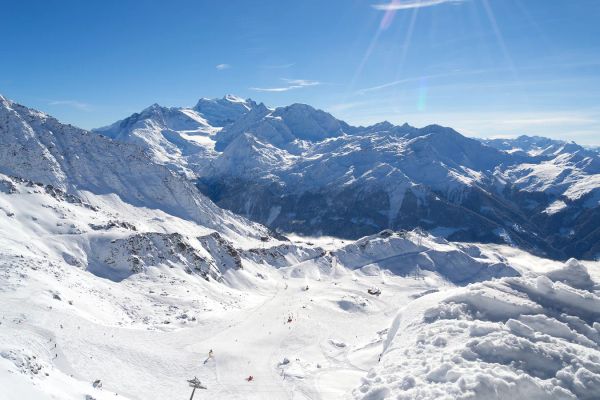
Alps Snow Forecast: Up to 64 cm Headed for the High Glaciers as the Snow Line Drops
The Alps are about to swap mild, sunny October weather for something far more wintry. A cold front arrives Tuesday, and SnowStash forecasts have Monterosa Ski out in front with 64 cm over 14 days, ahead of Blatten Belalp (55 cm) and Verbier (43 cm). The snow line should fall below 2000 metres by Wednesday night, and glaciers across Switzerland, Italy and Austria are in line for the best of it. The wind will have a say too.
20 Oct 2026
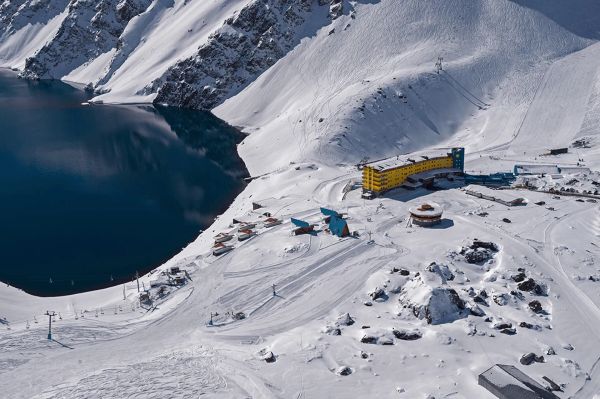
Four Dead After Avalanche Near Ski Portillo in Chile
A large avalanche struck near Laguna del Inca adjacent to Ski Portillo on Saturday afternoon, killing four people and injuring four others. The group were day visitors mountaineering in the backcountry after reportedly being warned about elevated avalanche risk by resort staff.
18 Oct 2026
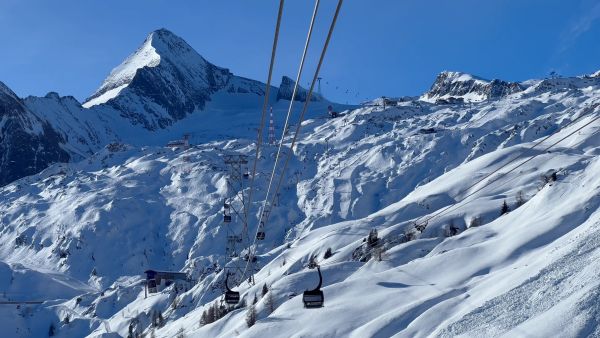
Europe Ski Resorts Open Now: What Is Skiable in Mid-October 2026
Europe’s ski season is open, technically. After a record-warm summer, glaciers in Austria, Switzerland and Italy are running a few pistes apiece, Sölden, Stubai and Kitzsteinhorn started late, Titlis has pushed back to 24 October, and Zermatt reopens a few lifts on 14 October after more than two months shut. Finland’s Levi and Ruka are skiing on stored snow. Here is what is open, and what you actually get at each.
14 Oct 2026
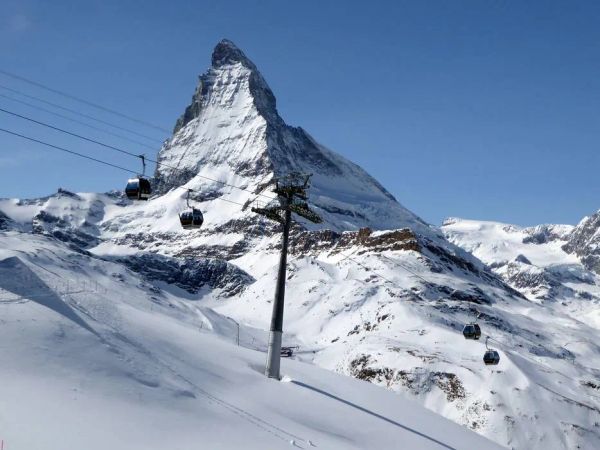
Zermatt Plans World Cup Downhill Return on the Gornergrat for 2028
Zermatt is having another crack at a World Cup downhill, and this time nobody has to cross a border. Around 13 million Swiss francs is going into rebuilding the Gornergrat piste, including a jump fed by a roughly 300-metre in-run across the roof of the Gornergrat Railway gallery, with the Matterhorn lined up behind it for the TV cameras. First men’s race is pencilled in for March 2028, pending FIS homologation.
14 Oct 2026
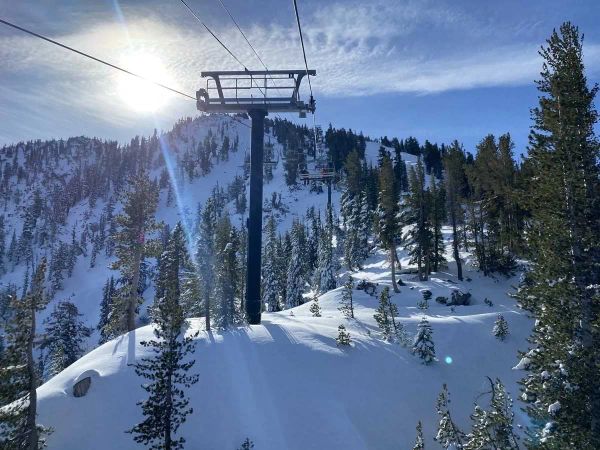
Mt. Rose Begins Snowmaking for the 2026-27 Season at Lake Tahoe
Lake Tahoe’s highest base elevation is paying off early: Mt. Rose has started making snow for 2026-27 after the first flurries and a cold snap. The Nevada resort is backing it with nearly US$2 million in upgrades, including a replacement snowmaking main line, a new PistenBully groomer and restraint bars on every lift. Opening day is yet to be confirmed, though Heavenly and Northstar are already eyeing 20 November.
13 Oct 2026
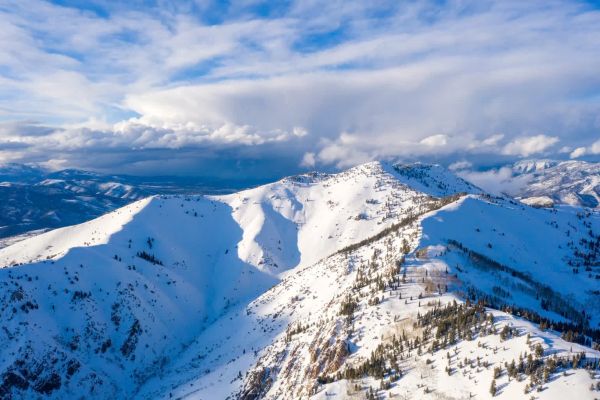
Utah Ski Resorts 2026-27: What’s New at Alta, Deer Valley, Powder Mountain and More
Utah is still building flat out. For 2026-27, Powder Mountain opens a steep new Skytrac chair into more than 1,000 acres of advanced terrain, Deer Valley adds 200 acres on Hail Peak, Sundance gets a new quad and Park City adds a gondola from its new parking structure. Snowmaking is expanding almost everywhere, Eagle Point stays closed after the Cottonwood Fire, and the 2034 Games are setting the pace. Here’s what’s new, resort by resort.
13 Oct 2026
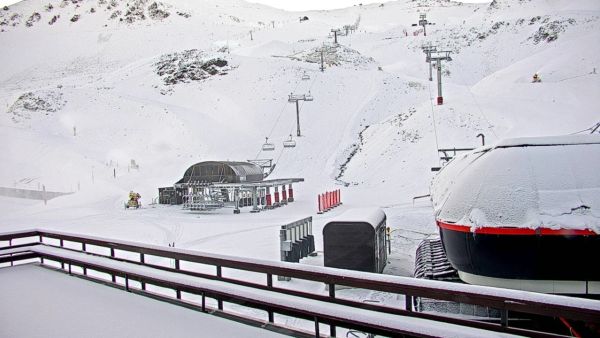
Mt Hutt Invests NZ$12 Million in Base Area, Tripling Its Sun Deck
Mt Hutt is getting busier, and its base lodge is about to catch up. NZ$12 million goes into a heated sun deck roughly three times the current size (430 m² to 1,300 m²), plus a new toilet block, heated steps down to snow level, extra storage and a new food and beverage outlet. Building starts after the 2026 season, with everything due for winter 2027.
11 Oct 2026

Vermont Ski Resort Opening Dates 2026-27: Few Dates Set, Killington Waits on the Cold
Vermont's season is slow to take shape. Stratton is tentatively targeting 18 November and Sugarbush 21 November, while Pico has Friday 11 December on the calendar. Killington never sets a date and opens when the snowmaking allows, and Vail Resorts has yet to name days for Stowe, Okemo and Mount Snow. The forecasts disagree about snow, and the main El Niño worry for the Green Mountains is warmth.
9 Oct 2026
Les Mosses Webcams
1 live angles across the mountain. Tap any camera to go full-screen.
About Les Mosses's live webcams
Check live conditions across Les Mosses with 1 real-time webcams showing snow, weather, and lift operations, updated every 10 minutes. Check high-elevation cams for powder visibility and base-area cams for crowd levels before you head up.
Camera guide
- Les Mosses - La Drosera1455m
- This Les Mosses webcam sits at La Drosera at 1,455 metres on the Col des Mosses pass, delivering a 360-degree panorama across the ski area's wide plateau terrain and surrounding Vaud Alps peaks. Use this Les Mosses live cam to assess snow coverage and visibility across the 40km network before heading out - particularly useful given the resort's north-facing aspects that hold snow well into spring. A reliable Les Mosses snowcam for families and intermediates planning their day across the gentle high-valley slopes shared with La Lécherette.
Les Mosses snow cams FAQ
How often do Les Mosses snow cams update?
All Les Mosses snow cams and webcams update every 10 minutes with fresh images showing current mountain conditions. This frequent update schedule ensures you have access to near real-time conditions for planning your ski day at Les Mosses.
Which Les Mosses webcam shows the best powder conditions?
The high-elevation Les Mosses - La Drosera webcam at 1,455m provides the clearest view of powder conditions and snowfall. These Les Mosses webcams capture fresh snow accumulation and visibility better than base area cameras.
Can I see Les Mosses lift queues on the webcams?
Yes. Multiple Les Mosses snow cams specifically show lift queue areas and chairlift operations, helping you time your arrival and avoid peak queue periods.
When is the best time to check Les Mosses snow cams?
Check Les Mosses webcams early morning (7-8am) for overnight snowfall assessment, and mid-afternoon for current crowd levels and weather. The live cams are most useful after storm events to assess fresh powder.
How can I check current conditions before buying Les Mosses lift tickets?
Use our Les Mosses webcams alongside the live snow report to assess conditions before purchasing lift tickets. The webcams show real-time visibility, snow quality, and operational status.
Do Les Mosses webcams work on mobile devices?
Yes. All Les Mosses snow cams and webcams are optimized for mobile viewing, so you can check live conditions from anywhere using your phone or tablet.
More Les Mosses intelligence: snow report, lift tickets, trail map, resort overview.