
Melchsee-Frutt
Melchsee-Frutt: 36km of pistes, 1,175m vertical, Magic Pass access. Car-free village at 1,920m in Central Switzerland.
Season 2026 - 2027
Opens
12 Dec 2026
Closes
4 Apr 2027
Days open
113
Annual snow
4m
The Overview
Michael Fulton
Melbourne-based skier and snowboarder with 50+ resorts across 5 continents. Specialises in Australian resorts and international resort comparisons.
Melchsee-Frutt operates between 1,080 metres at Stöckalp and 2,255 metres at Balmeregghorn, delivering 1,175 metres of vertical drop across 36 kilometres of piste. The resort comprises 10 marked runs split between three peaks: Erzegg at 2,150 metres, Balmeregg at 2,255 metres and Bonistock at 2,160 metres. An average of 4.3 metres of annual snowfall blankets the high-altitude terrain, whilst modern snowmaking systems provide additional coverage. Since May 2025, all lifts are included in the Magic Pass, a multi-resort season ticket covering over 100 Swiss destinations.
Terrain splits 56% beginner, 17% intermediate and 27% advanced, with no expert-rated runs. Wide, gentle slopes descend from Balmeregghorn and Erzegg to the sunny valley floor, ideal for progression. The north-facing Bonistock sector delivers steeper pitches dropping over 1,000 vertical metres to the Stöckalp base. The Fruttpark on Erzegg features up to 40 obstacles for freestylers, ranked amongst Central Switzerland's largest terrain parks.
The car-free village sits at 1,920 metres on a high plateau beside Melchsee lake, creating ski-in ski-out access. All terrain lies above the treeline, guaranteeing open views and abundant sunshine. The resort attracts Swiss school groups and families rather than international crowds. On-mountain restaurants at Bonistock, Erzegg and Bettenalp serve traditional Swiss fare, whilst the 8-kilometre toboggan run from village to Stöckalp ranks as Switzerland's longest illuminated sledge track.
The 2025-2026 season runs from 21 December 2025 to 6 April 2026, spanning 107 days. Melchsee-Frutt suits families seeking accessible terrain, beginners building confidence on wide pistes, and locals holding Magic Pass subscriptions. The compact layout and high base elevation deliver reliable conditions without the scale or challenge of neighbouring Engelberg. Daily adult passes cost €64, with youth tickets at €48 and children at €27.
1175m
Vertical
10
Runs
36 km
Piste
4m
Annual snow
The Terrain
10 runs across 36 km of piste
Melchsee-Frutt has 10 runs over 36 kilometres, dropping 1,175 metres between the 2,255-metre top and the 1,080-metre valley base. Beginners take 56% of the terrain, advanced skiers 27% and intermediates only 17%, with no expert runs, so the split is more polarised than most. A gondola, an aerial tram, two quads and two double chairs shift people around, along with a few T-bars and surface lifts. Everything sits above the treeline on a high plateau beside the Melchsee, which keeps views open and snow in decent shape. With so few runs, the trick is choosing the right sector for your level.
The ski area runs across three main peaks: Balmeregghorn, Erzegg and Bonistock. Balmeregg and Erzegg offer wide, sunny pistes, while Bonistock holds the steeper descents and over 1,000 metres of vertical on the way down to Stöckalp. The Fruttpark on Erzegg is one of the larger terrain parks in Central Switzerland, with up to 40 obstacles. Off the snow, a long illuminated toboggan run drops to Stöckalp. Novices, families and freestylers will feel at home here, and advanced skiers can find real pitch on Bonistock without a long trip from Lucerne.
Terrain split
10
runs
10 runs across 4 grades
Beginner6 runs · 56%
Intermediate2 runs · 17%
Advanced3 runs · 27%
Expert0 runs · 0%
Time it right
When to visit Melchsee-Frutt
The 2025-2026 winter season operates from 21 December 2025 until 6 April 2026, spanning 107 days. Typical opening dates fall in mid-December, with closures in early April dependent on snow cover. Summer operations run mid-June to mid-October, when the gondola, Bonistock tramway and Frutt train provide hiking access. The resort maintains consistent winter schedules, with lifts spinning 8:00 to 17:30 daily, extended Friday and Saturday evenings for night skiing and toboggan sessions.
Average annual snowfall reaches 4.3 metres, aided by the 1,920-metre village elevation and 2,255-metre summit. Mid-winter base depths typically exceed 130 centimetres at plateau level, with summit accumulations above 160 centimetres. March delivers the deepest snowpack, averaging 164 centimetres at the top and 25 centimetres at Stöckalp. The high-altitude terrain and north-facing Bonistock sector hold snow quality longer than lower resorts. Snowmaking systems cover key runs, ensuring coverage during lean periods.
January through March offers peak conditions, with February delivering the most consistent powder and coldest temperatures. Late December and early April see variable snow quality as temperatures fluctuate. Weekdays remain quieter than weekends, when Swiss families and Lucerne day-trippers crowd the slopes. The resort averages 57 sunny days per season, slightly below Switzerland's 65-day mean, though March claims 19 sunny days. Spring skiing extends into April on upper slopes.
Night sledging operates Friday and Saturday evenings from 3 December 2025 to 8 March 2025, illuminating the full 8-kilometre run to Stöckalp. Ice fishing on frozen Melchsee lake attracts winter visitors, alongside 15 kilometres of cross-country trails. No major seasonal events punctuate the calendar, maintaining a low-key atmosphere. The car-free village and Magic Pass access make mid-week visits particularly attractive for powder seekers avoiding weekend crowds.
Season 2026 - 2027
12 Dec 2026
Opens
4 Apr 2027
Closes
113
Days open
4 m
Annual snow
Getting there
Getting to Melchsee-Frutt, and where to stay
Melchsee-Frutt lies in the Melch Valley within the municipality of Kerns, Canton Obwalden, Central Switzerland. The Stöckalp base station sits at 1,080 metres at the valley's southern terminus, where the Melch Valley extends from Kerns between Lake Sarnen and Lake Lucerne. The plateau village at 1,920 metres perches on a high alpine shelf, surrounded by the peaks of Balmeregghorn, Erzegg and Bonistock. This car-free settlement comprises around 60 buildings, predominantly chalets, alpine huts and four hotels.
Kerns lies 13 kilometres north of the gondola base, with Sarnen, the cantonal capital, 18 kilometres distant. Melchtal village sits 4 kilometres from Stöckalp along the access road. Lucerne, Central Switzerland's largest city, lies 35 kilometres northeast, whilst Engelberg's ski area sits 25 kilometres east. The resort's position between Engelberg and Hasliberg makes Melchsee-Frutt a stop on classic high-altitude hiking routes, including the four-lake trek connecting Jochpass and Trübsee.
By car, take the A8 motorway to the Sarnen Nord exit, then follow cantonal roads through Kerns and Melchtal to Stöckalp, with ample parking at the gondola base. The drive from Lucerne takes 45 minutes, Zurich 75 minutes via the A2 and A8. Winter parking costs CHF 5 per 24 hours outdoors or CHF 12 in the covered structure. A single-lane mountain road connects Stöckalp to Melchsee-Frutt village during snow-free summer months, operating one-way uphill in even hours.
Zurich Airport lies 103 kilometres away, a 90-minute drive or three hours by public transport. Berne Airport sits 60 kilometres west. By train, take the Luzern-Interlaken Express to Sarnen station, then board PostBus route 343 to Stöckalp, with departures coordinating to gondola schedules. The combined train-bus journey from Zurich takes 2.5 hours, from Lucerne 90 minutes. Winter ÖV integration for local passholders includes free PostBus travel from Sarnen, Kerns and Sachseln postcodes.
Where to stay
Search all stays →Hotels and lodges near Melchsee-Frutt, powered by Stay22.
Latest News
From the SnowStash desk
California Ski Resort Opening Dates 2026-27: Mammoth Leads, Tahoe Follows
Mammoth Mountain is first up in California, targeting Friday 13 November after a dusting of September snow. Heavenly and Northstar follow on 20 November, Palisades Tahoe on Wednesday 25 November and Sugar Bowl on 27 November, with Kirkwood on 4 December and June Mountain on 19 December. Plenty of smaller areas have no date yet. A super El Niño favours the Sierra, but a warmer storm track is the catch.
7 Oct 2026
Colorado Ski Resort Opening Dates 2026-27: A-Basin and Keystone Race to Be First
Arapahoe Basin, Keystone and Winter Park are all chasing an October start, though none has a firm date yet. The first dated openers are Breckenridge and Copper on Friday 6 November, then Vail on 13 November, with most of the rest bunched around US Thanksgiving. Hesperus did not open at all last season. A super El Niño offers hope but no guarantee, and forecasters say the southern mountains have the better odds.
5 Oct 2026
Dolomiti Superski 2026-27: Four New Gondolas, New Reservoirs and an €89 Peak Day Pass
Dolomiti Superski is spending around €100 million across its 12 areas before winter. Kronplatz gets a new 10-passenger gondola with a middle station, 3 Zinnen gets Helmissimo, and Val di Fassa swaps a chairlift for a gondola above Col Valvacin. New water-storage basins and upgraded snowmaking follow, and construction has started on the San Martino to Passo Rolle link. A peak adult day pass is €89.
4 Oct 2026
Utah Ski Resort Opening Dates 2026-27: Brian Head First, Eagle Point Out
Brian Head is targeting 6 November, though last year it aimed for 7 November and did not open until the 25th. Park City, Alta and Solitude are pencilled in for 20 November, Snowbird and Snowbasin for 27 November, and Deer Valley for 5 December. Eagle Point will stay closed after the Cottonwood Fire. A super El Niño is forecast, but the big snow is not expected until January.
4 Oct 2026
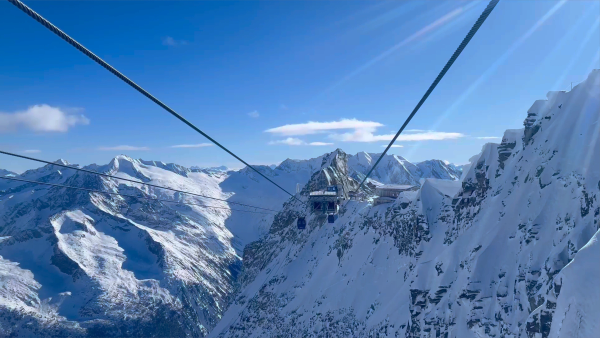
Hintertux Glacier Opens for 2026-27 With 12 Kilometres of Piste
Hintertux became Austria's second glacier to open for 2026-27 on Friday 2 October, after the Pitztal Glacier. Twelve kilometres of piste are running around the Olperer and Gefrorene Wand, served by one gondola and two drag lifts, with the Betterpark also open. Lifts officially run 8:15 am to 4:30 pm, but skiing stops at 2 pm for now.
4 Oct 2026
Vail Resorts Counts the Cost of a Thin Winter as Pass Sales Slide Further
A historically poor western winter cut Vail Resorts' annual net income from $280 million to $147.5 million and skier visits by 13.4 per cent. Now 2026-27 pass units are down 12 per cent as of 18 September, worse than the 10 per cent flagged in spring. Vail blames the weather and thinks some buyers are simply waiting, and it forecasts a rebound if the snow behaves.
3 Oct 2026
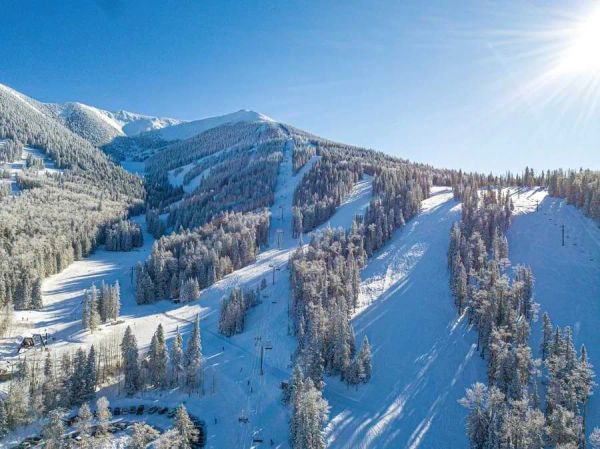
Arizona Snowbowl's $1 Lift Tickets Are Hard to Find, but $9 Days Are Not
Arizona Snowbowl advertised eight $1 lift ticket days this winter. Go looking and only three are showing - 10 March, 1 April and 10 April - so the rest may already have gone. The consolation is a calendar full of $9 days, including all but one day in April. Opening day is 20 November, weather permitting, and opening weekend is $19.
2 Oct 2026
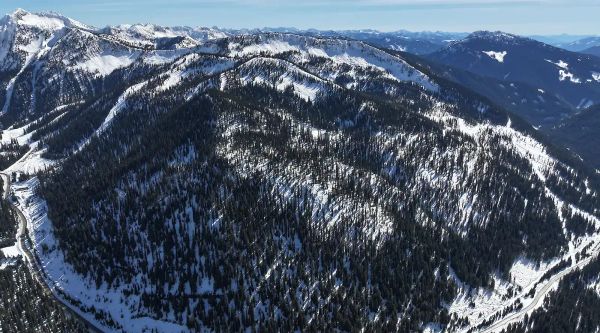
Whitewater Brings Its Short Side Inbounds, With Six New Runs for 2026-27
For years, Whitewater's Short Side was where you ducked a rope and hoped for the best: unmapped, ungroomed and unpatrolled. This winter it's inbounds. Six new runs of glades and fall-line skiing add 190 acres (about 77 hectares), taking the resort past 1,400 acres in total. F2 Logging spent a month in the trees to make it happen, and opening day is pencilled in for 4 December. Bonanza now needs less snow to groom, too.
1 Oct 2026
Melchsee-Frutt Webcams
4 live angles across the mountain. Tap any camera to go full-screen.
About Melchsee-Frutt's live webcams
Check live conditions across Melchsee-Frutt with 4 real-time webcams showing snow, weather, and lift operations, updated every 10 minutes. Check high-elevation cams for powder visibility and base-area cams for crowd levels before you head up.
Camera guide
- Bonistock2168m
- From its commanding position at 2168 meters, the Bonistock webcam delivers spectacular panoramic views across Melchsee-Frutt's distinctive high-alpine landscape. Monitor real-time conditions near the resort's summit, where experienced skiers tackle the 27% of advanced terrain that challenges visitors to this unique Swiss destination. This live cam showcases the treeless plateau's remarkable visibility and sun-drenched slopes that make Melchsee-Frutt so distinctive among central Switzerland's winter destinations.
- Melchsee-Frutt Dorf1920m
- The Melchsee-Frutt Dorf webcam provides essential perspectives at 1920 meters across this car-free alpine village where ski-in/ski-out convenience defines the winter experience. Check current conditions at the resort's central hub, situated entirely above the tree line on a spectacular high plateau. This web cam offers perfect visibility of the frozen mountain lakes and pristine slopes that create Melchsee-Frutt's uniquely elevated atmosphere far from the crowds of larger international destinations.
- Erzegg2150m
- Positioned at an impressive 2150 meters, the Erzegg webcam captures sweeping views across Melchsee-Frutt's high-alpine bowls where natural snow reliability creates exceptional skiing conditions. Monitor this key sector where beginner-friendly terrain meets more challenging descents against the backdrop of central Switzerland's dramatic limestone formations. This Melchsee-Frutt webcam updates every 10 minutes, providing essential visibility for planning your perfect day on some of Switzerland's highest and most reliable slopes.
- Distelboden1920m
- The Distelboden live cam at 1920 meters showcases another dimension of Melchsee-Frutt's remarkable high plateau, where 56% of the terrain welcomes beginners with gentle, accessible slopes. Updated every 10 minutes, this webcam offers perfect perspectives across a treeless landscape that maximizes sunshine exposure throughout the winter season. Monitor conditions in this family-friendly section before experiencing Switzerland's highest night skiing beneath star-filled skies in one of central Switzerland's most distinctive winter environments.
Melchsee-Frutt snow cams FAQ
How often do Melchsee-Frutt snow cams update?
All Melchsee-Frutt snow cams and webcams update every 10 minutes with fresh images showing current mountain conditions. This frequent update schedule ensures you have access to near real-time conditions for planning your ski day at Melchsee-Frutt.
Which Melchsee-Frutt webcam shows the best powder conditions?
The high-elevation Bonistock webcam at 2,168m provides the clearest view of powder conditions and snowfall. These Melchsee-Frutt webcams capture fresh snow accumulation and visibility better than base area cameras.
Can I see Melchsee-Frutt lift queues on the webcams?
Yes. Multiple Melchsee-Frutt snow cams specifically show lift queue areas and chairlift operations, helping you time your arrival and avoid peak queue periods.
When is the best time to check Melchsee-Frutt snow cams?
Check Melchsee-Frutt webcams early morning (7-8am) for overnight snowfall assessment, and mid-afternoon for current crowd levels and weather. The live cams are most useful after storm events to assess fresh powder.
How can I check current conditions before buying Melchsee-Frutt lift tickets?
Use our Melchsee-Frutt webcams alongside the live snow report to assess conditions before purchasing lift tickets. The webcams show real-time visibility, snow quality, and operational status.
Do Melchsee-Frutt webcams work on mobile devices?
Yes. All Melchsee-Frutt snow cams and webcams are optimized for mobile viewing, so you can check live conditions from anywhere using your phone or tablet.
More Melchsee-Frutt intelligence: snow report, lift tickets, trail map, resort overview.