Kagura
1,225m vertical, 10m annual snowfall, November-May season. Three zones, 32 runs, backcountry gates. Niigata, Japan.

Current Conditions→
Season 2026 - 2027
Opens
28 Nov 2026
Closes
16 May 2027
Days open
169
Annual snow
8.3m
The Overview
Michael Fulton
Melbourne-based skier and snowboarder with 50+ resorts across 5 continents. Specialises in Australian resorts and international resort comparisons.
Kagura operates across three interconnected zones spanning 620 to 1,845 metres elevation with 1,225 metres vertical drop. The resort delivers 32 runs across 418 acres, divided 37% beginner, 40% intermediate, 19% advanced and 4% expert terrain. Annual snowfall averages 10 metres, making Kagura one of Niigata's most reliable powder destinations with a summit elevation that guarantees dry, light snow throughout the season. The longest run extends 6 kilometres from top to bottom.
The Kagura zone delivers the steepest terrain and best tree skiing, whilst Mitsumata and Tashiro offer gentler progression for developing skiers. Kagura Main Gerende runs 1,512 metres with a 27-degree maximum pitch, and the Kobu Kobu Course provides mogul challenges. Backcountry access via gated entry at the summit attracts experienced riders, with English-speaking guides and permit systems in place. Two terrain parks cater to freestyle progression.
The resort maintains a local Japanese atmosphere with limited international crowds, drawing Tokyo weekenders and serious powder hunters. Mid-mountain Wada Goya offers traditional mountain hut accommodation at 1,380 metres elevation with ski-in access. On-mountain facilities focus on function over luxury, with rental shops at both Mitsumata and Tashiro stations. Wind holds occasionally affect upper lifts during storms.
The 5.5-kilometre Dragondola connects Kagura to neighbouring Naeba, creating Japan's third-largest linked ski area under the Mt Naeba designation. Joint lift tickets cover both resorts plus shuttle buses between base areas. Kagura suits confident intermediates seeking uncrowded powder, backcountry enthusiasts, and skiers prioritising snow quality and season length over resort amenities. Children 12 and under ski free with parents.
1225m
Vertical
32
Runs
418 acres
Skiable
8.3m
Annual snow
The Terrain
32 runs across 418 acres skiable
Kagura is one of the bigger ski areas in Niigata at 169 hectares, with a 1,225-metre vertical from a 620-metre base to the 1,845-metre top and 32 runs. Sanity grades it 37% beginner, 40% intermediate, 19% advanced and 4% expert. About 10 metres of snow falls each year, and the high summit helps keep it dry and light. Two gondolas, two aerial trams and a mix of chairs link three zones, Kagura, Mitsumata and Tashiro, so you can ski a long day without crossing the same slope twice.
The Kagura zone has the steeper intermediate and advanced skiing, led by the Kagura Main course, while Mitsumata and Tashiro offer wide, gentler slopes for beginners and families. The Dragondola, at about 5.5 kilometres, links Tashiro to the neighbouring Naeba resort. Above the top lift, staff check gear at the gates for the Kaguragamine backcountry, and a climbing plan is required, so this is for experienced, equipped skiers only. Kagura suits intermediates wanting big vertical and a long season, and strong skiers who like to mix piste with guided powder. It draws far fewer overseas visitors than Hakuba.
Terrain split
32
runs
32 runs across 4 grades
Beginner12 runs · 37%
Intermediate13 runs · 40%
Advanced6 runs · 19%
Expert1 run · 4%
Time it right
When to visit Kagura
The 2025-2026 season sees Kagura and Mitsumata areas operating 22 November 2025 through 17 May 2026, with Tashiro running 20 December 2025 to 6 May 2026. This represents one of Japan's longest lift-served seasons, regularly extending nearly six months from late autumn through late spring. Early season relies partly on snowmaking to supplement natural accumulation at the 620-metre base elevation. May skiing attracts enthusiasts seeking late-season powder whilst cherry blossoms bloom in the valleys below.
Kagura receives 10 metres average annual snowfall concentrated between December and March, with the third week of December typically delivering 73 centimetres across 4.8 snowy days. The 1,845-metre summit elevation ensures cold temperatures preserve snow quality throughout winter. Base depths regularly exceed 3 metres mid-season, with the February 2025 event depositing 3 metres in 72 hours. High elevation provides more stable conditions than lower Yuzawa resorts, though warm spells can affect valley-level skiing.
January through March delivers peak powder frequency with consistent storms tracking from the Sea of Japan. December offers early-season value with lighter crowds, whilst April and May provide spring corn snow and extended daylight. Mid-week visits outside Japanese school holidays guarantee uncrowded slopes. The snowiest period concentrates in January and February when Pacific weather systems intensify.
Kagura-Mitsumata Sunrise Ski operates 2 April through 8 May, offering early-morning access from first light. The Kagura No. 5 Romance Lift provides touring course access 26 February through 8 May. No special events calendar operates beyond seasonal spring programmes. Lift tickets include elementary school children free with valid ticket. The extended season makes Kagura particularly attractive for northern hemisphere skiers seeking late spring conditions unavailable elsewhere in Japan.
Season 2026 - 2027
28 Nov 2026
Opens
16 May 2027
Closes
169
Days open
8.3 m
Annual snow
The record
Historical snowfall at Kagura
Daily snow reports at Kagura go back to 2012, 7 winters on the books. Open the record to compare winters, lifts and piste.
80 cm
Snowiest day
15 Jan 2017
1150 cm
This winter · 2024-25
so far
832 cm
Typical winter
average of complete seasons
Winter totals
cm
Past wintersThis winter
Getting there
Getting to Kagura, and where to stay
Kagura sits in Yuzawa Town, Minamiuonuma District, Niigata Prefecture on Honshu's west-facing slopes 8 kilometres southwest of Yuzawa centre. The resort occupies terrain between the Tanigawa mountain range and Route 17 corridor at Japan's geographic centre. Mitsumata base area sits 620 metres elevation, with Tashiro station located 6 kilometres further south along the valley floor. The surrounding Echigo mountains receive heavy snowfall from moisture-laden Sea of Japan weather systems.
Echigo-Yuzawa town 9 kilometres north serves as the primary service centre with onsen baths, restaurants and accommodation. The historic hot spring town dates to the Edo period and gained fame through Yasunari Kawabata's novel Snow Country. Yuzawa proper offers convenience stores, ski shops and sake breweries. Mitsumata and Tashiro villages provide limited lodging directly at lift bases. The area sits 175 kilometres northwest of Tokyo in the Jōshinetsu Kōgen highlands.
The Kan-etsu Expressway reaches Yuzawa Interchange 8 kilometres from Mitsumata, then Route 17 leads directly to resort base areas. Tokyo drivers cover the distance in approximately 2.5 hours under normal conditions. Winter tyres or chains are mandatory November through April. Shuttle buses connect Echigo-Yuzawa Station to both Mitsumata and Tashiro bases in 20 minutes, costing 300 yen. Free shuttles link base areas for ticket holders.
Tokyo Narita Airport sits 240 kilometres southeast, whilst Haneda Airport lies 220 kilometres away with more efficient Tokyo access. The Jōetsu Shinkansen reaches Echigo-Yuzawa Station from Tokyo in 70 to 90 minutes, making Kagura amongst Japan's most accessible major resorts via public transport. Local buses depart the station approximately every 30 minutes during operating season. Niigata Airport 150 kilometres north offers domestic connections from Osaka, Sapporo and limited international flights from Shanghai, Taipei and Seoul.
Where to stay
Search all stays →Stays map loads when you scroll here
Hotels and lodges near Kagura, powered by Stay22.
Good to know
Frequently asked
When is Kagura's ski season?
Kagura's 2026 - 2027 season typically runs from November 28 through May 16. That window is roughly 169 calendar days, though daily operations depend on snow cover, weather, and lift maintenance.
Resorts in Chubu, Japan often announce firm dates closer to winter; check the live snow report before you travel if you are planning around opening weekend or spring closure.
How much skiable terrain does Kagura have?
Kagura lists about 418 acres skiable of marked terrain spread across 32 named runs (169 hectares alongside 418 acres skiable). That footprint is what most riders experience on a lift-served day. Side-country or hike-to terrain may sit outside these published numbers.
Use the trail map to see how the mountain is laid out and where the longest fall-line runs connect back to base.
What is the terrain like at Kagura?
Trail grading at Kagura breaks down roughly as 37% beginner, 40% intermediate, 19% advanced, 4% expert. With a strong beginner share, Kagura suits families and first-time visitors who want forgiving warm-up terrain before exploring further upslope.
Percentages describe the resort's published piste mix, not vertical metres. A mountain with modest "expert" stats can still feel demanding if the steep terrain is long or exposed. Read the trail map alongside these numbers when planning your route.
How many lifts does Kagura have?
Kagura operates 19 lifts across 4 lift types. The fleet includes 10 double chairs, 5 quad chairs, 2 aerial trams, and 2 gondolas.
Lift mix affects how quickly you can lap your favourite zones. Gondolas and trams move big crowds to mid-mountain, while shorter chairs and surface lifts often serve learning areas or local pods. Check the live snow report on ski days for real-time open/closed status.
What is the elevation and vertical drop at Kagura?
Base elevation at Kagura is about 620 m (2,034 ft), with the summit around 1,845 m (6,053 ft), giving roughly 1,225 m (4,019 ft) of vertical from base to top.
Higher start heights usually mean colder, drier snow holding longer into spring, but also thinner air and faster weather changes. Pack layers if you are riding from village level to summit lifts in one day.
How much snow does Kagura get each season?
Kagura averages about 832 cm (328 inches) of natural snowfall per season. That is a long-term climate figure. Any single winter can run well above or below it depending on storm track and temperature.
For trip planning, pair this baseline with the live snow report and webcams: fresh cycles show up in overnight totals and summit cameras long before season averages tell you much about today's surface.
How can I check snow and mountain conditions at Kagura before I go?
SnowStash pulls together 3 live mountain webcams, a downloadable piste map, and the daily snow report for Kagura so you can plan from home. Webcams refresh on a short interval and are the fastest way to judge visibility, wind exposure, and whether storm snow is still falling.
The snow report adds structured totals, base depth where available, and lift/trail status when the resort publishes it. Use both together: cameras show what it looks like right now, and the report summarises numbers your group can compare day to day.
Does Kagura have a trail map?
Yes. The downloadable PDF/image map is better for offline planning, marking meeting points, and understanding the full mountain layout at a glance.
Both versions are on the trail map page for Kagura. If you are navigating with kids or meeting friends across separate lifts, screenshot or print the static map and keep the live map open on your phone for operational updates.
Where is Kagura located?
Kagura sits in Chubu, Japan. That regional context matters for travel planning: airport transfers, snow tyres, and typical storm patterns all follow geography as much as resort marketing.
Browse nearby accommodation from the resort page if you are comparing village-base vs valley-base stays; where you sleep changes your first lift of the day more than most trail stats do.
Latest News
From the SnowStash desk
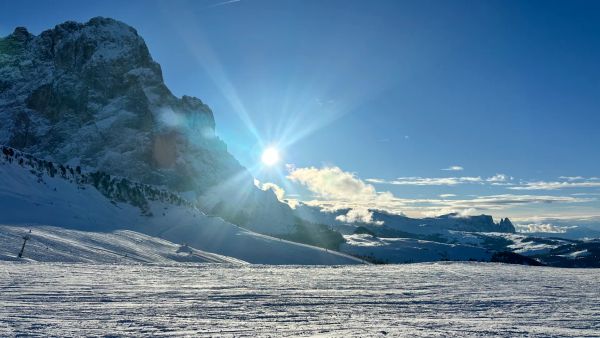
Val Gardena to Alpe di Siusi Lift Link Back in Play After Court Ruling
The Val Gardena-Alpe di Siusi lift link isn’t dead after all. A South Tyrol court has overturned Santa Cristina’s rejection of the new Monte Pana-Saltria link on procedural grounds, after the council skipped required public information sessions. Opponents want the missing sessions held and a fresh vote, and nothing has been approved. For now it’s still a bus between the two, but a plan first floated in 2017 is back in the conversation.
8 Nov 2026
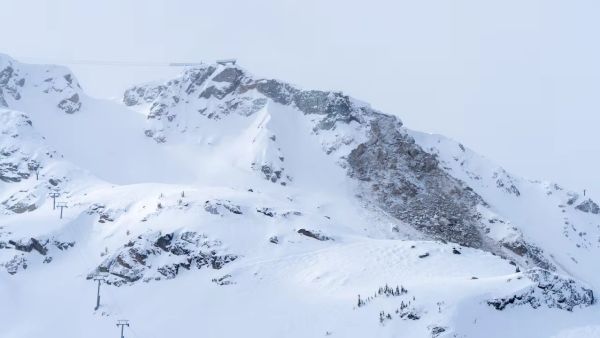
Whistler Blackcomb Rockslide Zone Stays Closed Through 2026-27 Season
A section of Whistler Peak terrain will stay closed all 2026-27 season, Vail Resorts has confirmed, with rockslide mitigation work continuing into summer 2027. Peak Express is still expected to run this winter, but locals are already arguing about what’s actually off limits, whether the Whistler Bowl is gone, and why the news landed after pass sales wound down. Here’s where things stand.
7 Nov 2026
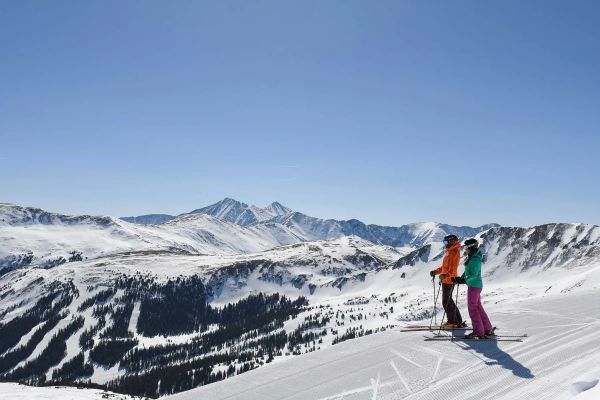
Loveland Ski Area Opens for 2026-27 and Marks 60 Years of Snowmaking
Loveland is open. The Colorado ski area started Chet’s Dream turning on Saturday 7 November to kick off 2026-27, with $60 adult lift tickets to mark 60 years of snowmaking. Expect three runs, nearly 1,000 vertical feet (about 300 metres) of top-to-bottom skiing, live music on the Basin Patio and no beginner terrain yet. Here’s what’s open, what it costs and when Loveland Valley follows.
7 Nov 2026
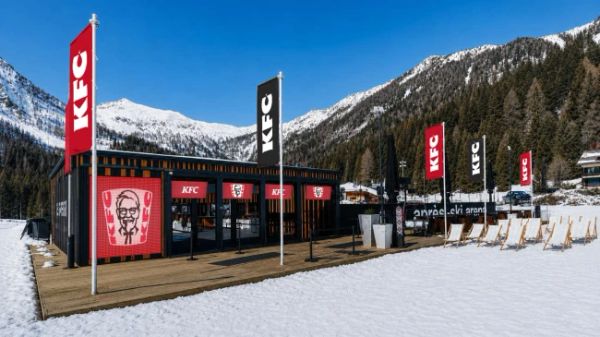
KFC Is Coming to the Slopes at Cortina and Madonna di Campiglio
Fried chicken is heading up the Dolomites. From 5 December KFC will run two restaurants on the slopes - one at 2,123 metres at Cortina, one at 1,700 metres at Madonna di Campiglio - and the polenta-and-canederli crowd has opinions. Local politicians, conservation groups and plenty of Facebook commenters are calling it a step too far, while others just want a cheaper lunch. Here’s what’s on the menu and what’s the fuss.
5 Nov 2026
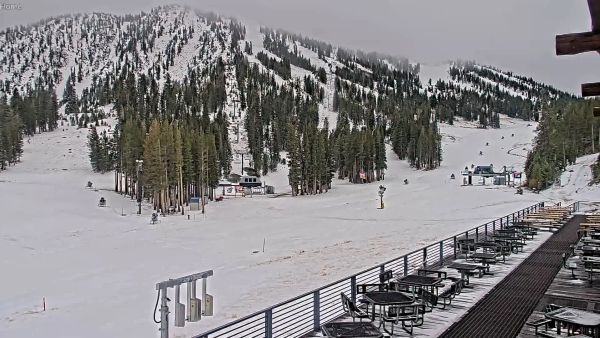
Mt Rose Aims to Open First in Tahoe on November 6
Mt Rose is going for the first-in-Tahoe title, with the Lakeview Express due to spin at 9 a.m. on Friday, November 6. One main lift, three runs and plenty of snowmaking, sitting on the highest base elevation in the region at 8,260 ft. Here is what is open, what is not (sorry, tubing fans), and how the early North American openings are stacking up.
4 Nov 2026
Europe Snow Forecast: Serre Chevalier Leads With 82 cm Over the Next 10 Days
Europe has had a quiet start to November, but our 10-day forecast has Serre Chevalier on 82 cm and Les 2 Alpes on 71 cm. Two pushes are lined up: a western Alps top-up from Friday, then a bigger, wider system on Thursday, November 12 and Friday, November 13 that reaches Italy and Switzerland. Full leaderboard inside.
4 Nov 2026
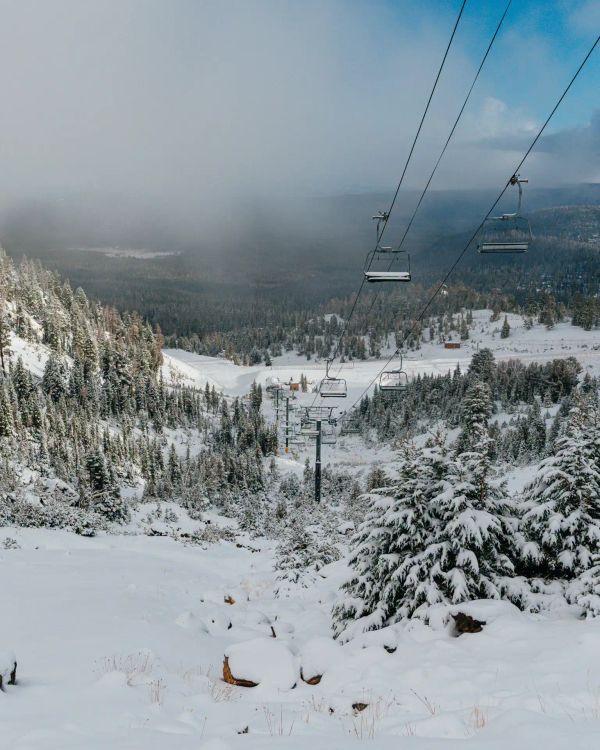
Mammoth Mountain Opens Early on November 5 With Up to 33 Inches of Snow in the Forecast
Mammoth just moved opening day forward to Thursday, November 5, eight days ahead of schedule. A snowy weekend and cold snowmaking nights did the work, and our forecast shows up to 33 inches more landing on November 13 and 14. Here is what opens, what the weather looks like and where Mammoth sits among the early Ikon Pass openers.
3 Nov 2026

Utah Snow Storm Builds Early-Season Base Ahead of November Openings
Rain down low, snow up high, and a snow report full of zeros that mostly means ‘not updated yet’. Utah’s first proper storm of 2026-27 is rolling through the Wasatch, Snowbird’s snow stake is closing in on 10 inches, and Brian Head is five days from opening day. Early November snow rarely looks like much, but it is the layer every November opening date is built on. Here is where it stands.
1 Nov 2026