Naeba
889m vertical, 24 runs, 6m annual snowfall. Ski Naeba's groomed terrain and Japan's longest gondola to Kagura in Niigata.

Season 2026 - 2027
Opens
12 Dec 2026
Closes
4 Apr 2027
Days open
113
Annual snow
6.7m
The Overview
Michael Fulton
Melbourne-based skier and snowboarder with 50+ resorts across 5 continents. Specialises in Australian resorts and international resort comparisons.
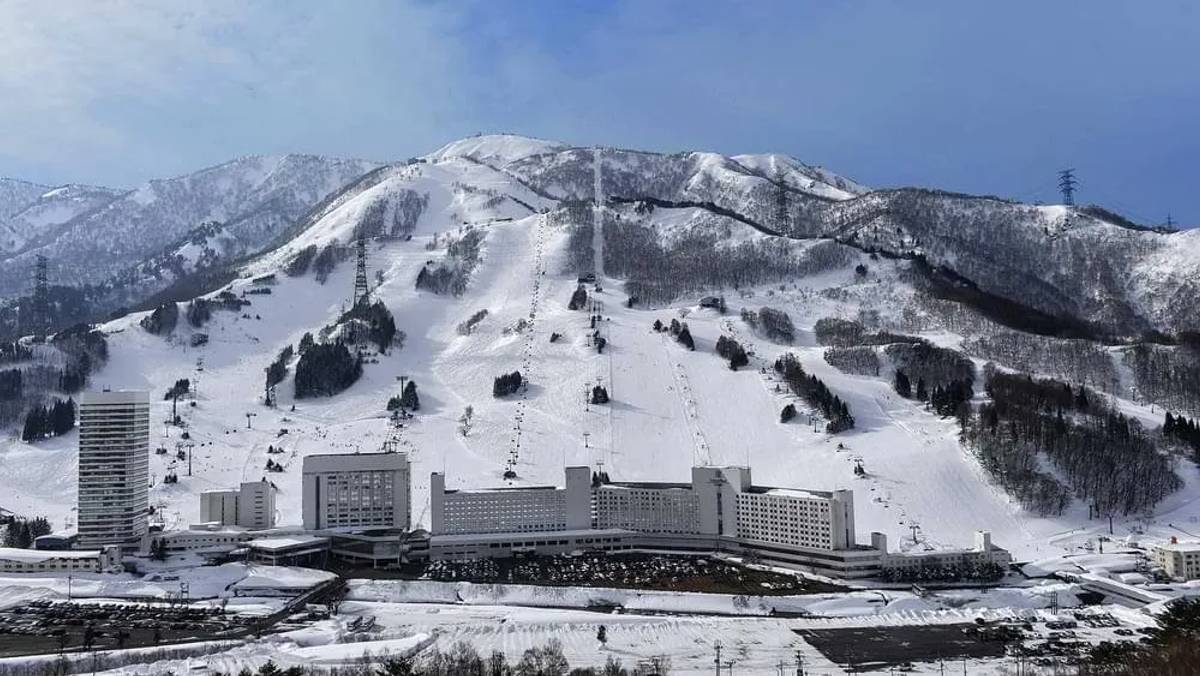
Naeba operates across 889 metres of vertical drop from a 900-metre base to a 1,789-metre summit on Mount Takenokoyama in Niigata Prefecture. The resort spreads over 196 hectares with 24 marked runs and receives an average of 6 metres of annual snowfall. An FIS Alpine World Cup course and the Big Slope, which maxes out at 32 degrees, anchor the advanced terrain. The resort is run by Prince Hotels and connects to Kagura via the Dragondola, Japan's longest gondola at 5,481 metres.
Terrain distribution breaks down to 30 per cent beginner, 40 per cent intermediate, 25 per cent advanced and 5 per cent expert across the mountain's 24 courses. The lower mountain spreads wide with beginner and intermediate groomers, whilst the upper slopes funnel into steeper sub-alpine faces above the tree line. Six steep runs include designated slalom courses and ungroomed powder faces after fresh snowfall. The longest run extends 4 kilometres from summit to base, and a terrain park with varied features serves freestylers and families alike.
The 1,216-room Naeba Prince Hotel sits ski-in, ski-out at the base, offering direct slope access, 20 dining outlets and comprehensive rental facilities. Lower slopes draw weekend crowds from Tokyo but upper terrain stays relatively quiet on weekdays. Night skiing operates until 20:30 daily, extending to 22:00 on Saturdays from December through March. The resort attracts a strong family demographic, with children 12 and under skiing free on all lifts.
Mt Naeba tickets grant access to both Naeba and Kagura ski areas via the Dragondola, which operates from December through March. The 2025-2026 season runs from 5 December to 29 March, though full coverage typically arrives by early January. Naeba suits intermediate skiers seeking groomed runs and families wanting comprehensive facilities. The resort also hosts Fuji Rock Festival each July, drawing over 100,000 music fans to the mountain venue for three days.
889m
Vertical
24
Runs
484 acres
Skiable
6.7m
Annual snow
The Terrain
24 runs across 484 acres skiable
Naeba spreads 24 runs over 196 hectares on Mt Takenokoyama, with 889 metres of vertical between a 900-metre base and a 1,789-metre summit. Terrain is weighted to the middle, at 30% beginner, 40% intermediate, 25% advanced and 5% expert. Fourteen lifts, including three gondolas, shuttle skiers up the mountain. Its slopes are wide and well-groomed, which has long made it a favourite with weekend visitors from Tokyo. The grading leaves room for progress on both ends, so a group of mixed ability can ski the same lifts and meet up easily at the bottom.
The famous Dragondola, a gondola of roughly 5.5 kilometres, links Naeba to the Tashiro and Kagura sides, and a combined ticket opens up that neighbouring terrain. Back on the Naeba slopes, a World Cup standard slalom course holds the steepest pitch at about 32 degrees, and the longest run is around 4 kilometres. Night skiing operates on the lower mountain through winter. Naeba suits intermediates who want long, comfortable cruising, families using the ski-in hotel setup, and beginners with space to learn. Advanced skiers can find a few steeper runs but should expect it to be mostly groomed, not powder.
Terrain split
24
runs
24 runs across 4 grades
Beginner7 runs · 30%
Intermediate10 runs · 40%
Advanced6 runs · 25%
Expert1 run · 5%
Time it right
When to visit Naeba
The 2025-2026 season operates from 5 December 2025 to 29 March 2026, spanning nearly four months of lift-served skiing. Night skiing runs daily from 20 December through 21 March, with Saturday sessions extending until 22:00. Early season requires snowmaking support, with natural coverage building through December. Full terrain opening typically occurs by early January once base depths stabilise across all elevations.
Naeba receives 6 metres of average annual snowfall, with the higher 1,789-metre summit collecting more consistent accumulation than the 900-metre base. Niigata Prefecture's Japan Sea exposure delivers regular winter storms from December through February. Extensive snowmaking infrastructure supplements natural snow across beginner and intermediate terrain. The east-facing aspect can challenge snow preservation during warm spells, though elevation provides buffer against coastal melt cycles.
January and February deliver peak powder conditions, with mid-January through late February offering the most reliable snow quality and coverage. March brings spring corn snow at lower elevations whilst upper bowls hold winter conditions longer. Weekdays outside Japanese holiday periods see lighter crowds than Saturday and Sunday sessions. The resort hosted Alpine Ski World Cup races in 1993 and the Winter Asian Games in 1998, testament to competitive snow reliability.
Special events include First Track sessions on select January through March Sundays, offering groomed runs before regular lift opening for 2,000 yen per person. Fireworks displays illuminate the slopes on designated winter evenings throughout the season. Fuji Rock Festival transforms the mountain base each July, running 24-26 July in 2026 with over 200 musical acts. Night skiing availability makes Naeba practical for after-work sessions from nearby cities and extended evening skiing for resort guests.
Season 2026 - 2027
12 Dec 2026
Opens
4 Apr 2027
Closes
113
Days open
6.7 m
Annual snow
The record
Historical snowfall at Naeba
Daily snow reports at Naeba go back to 2012, 12 winters on the books. Open the record to compare winters, lifts and piste.
80 cm
Snowiest day
15 Jan 2017
0.7 cm
This winter · 2026-27
so far
501 cm
Typical winter
average of complete seasons
Winter totals
cm
Past wintersThis winter
Getting there
Getting to Naeba, and where to stay
Naeba sits in Yuzawa town, Niigata Prefecture, 184 kilometres northwest of Tokyo in the Chubu region of Honshu. The resort occupies the eastern slope of Mount Takenokoyama at the edge of Joshin'etsukogen National Park. The base village lies at 900 metres elevation near the Gunma Prefecture border. Niigata's heavy-snowfall reputation stems from moisture-laden winter winds off the Japan Sea hitting mountain ranges inland.
Echigo-Yuzawa, 23 kilometres north, serves as the primary gateway town with hot springs, sake museums and access to 16 ski areas across the valley. Yuzawa town developed during Japan's bubble economy era and retains purpose-built infrastructure. The regional Yukiguni designation translates to "snow country", referencing Yasunari Kawabata's 1948 novel set in this landscape. Over 2 million skiers visit the Echigo-Yuzawa region annually across its dozen resorts.
The Kan-Etsu Expressway provides highway access, with exits at Yuzawa Interchange 22 kilometres away and Tsukiyono Interchange 32 kilometres distant. Route 17 connects both interchanges directly to Naeba base. Driving from Tokyo takes approximately 2.5 to 3 hours depending on traffic and conditions. Roads stay well-cleared throughout winter, with multiple tunnels easing the mountain approach from Yuzawa town.
Tokyo Narita Airport sits 260 kilometres southeast, requiring 4 hours via Narita Express train to Tokyo then Joetsu Shinkansen to Echigo-Yuzawa. Tokyo Haneda Airport offers similar rail connections with slightly shorter transfer times. Niigata Airport lies 150 kilometres northwest, connecting via airport bus to Niigata Station then 45-minute bullet train to Echigo-Yuzawa. From Echigo-Yuzawa Station, shuttle buses run 40-50 minutes to Naeba, with complimentary transfers for Prince Hotel guests and public buses for other visitors.
Where to stay
Search all stays →Stays map loads when you scroll here
Hotels and lodges near Naeba, powered by Stay22.
Latest News
From the SnowStash desk
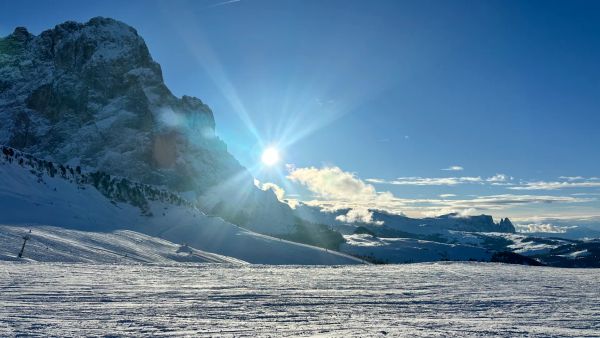
Val Gardena to Alpe di Siusi Lift Link Back in Play After Court Ruling
The Val Gardena-Alpe di Siusi lift link isn’t dead after all. A South Tyrol court has overturned Santa Cristina’s rejection of the new Monte Pana-Saltria link on procedural grounds, after the council skipped required public information sessions. Opponents want the missing sessions held and a fresh vote, and nothing has been approved. For now it’s still a bus between the two, but a plan first floated in 2017 is back in the conversation.
8 Nov 2026
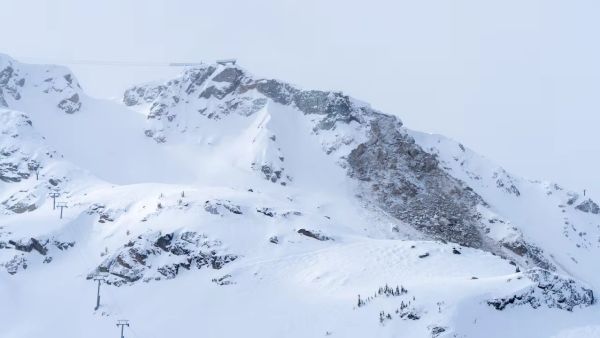
Whistler Blackcomb Rockslide Zone Stays Closed Through 2026-27 Season
A section of Whistler Peak terrain will stay closed all 2026-27 season, Vail Resorts has confirmed, with rockslide mitigation work continuing into summer 2027. Peak Express is still expected to run this winter, but locals are already arguing about what’s actually off limits, whether the Whistler Bowl is gone, and why the news landed after pass sales wound down. Here’s where things stand.
7 Nov 2026
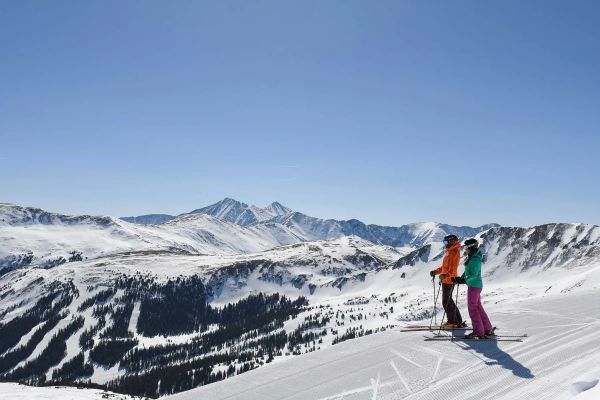
Loveland Ski Area Opens for 2026-27 and Marks 60 Years of Snowmaking
Loveland is open. The Colorado ski area started Chet’s Dream turning on Saturday 7 November to kick off 2026-27, with $60 adult lift tickets to mark 60 years of snowmaking. Expect three runs, nearly 1,000 vertical feet (about 300 metres) of top-to-bottom skiing, live music on the Basin Patio and no beginner terrain yet. Here’s what’s open, what it costs and when Loveland Valley follows.
7 Nov 2026
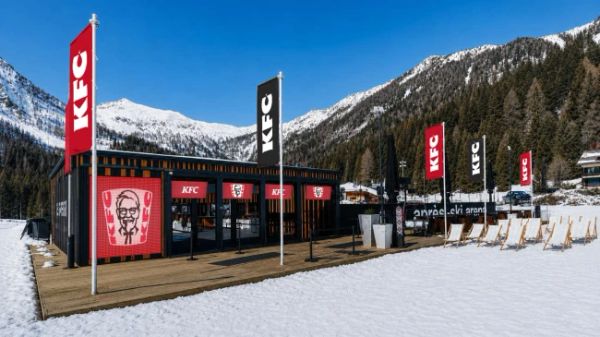
KFC Is Coming to the Slopes at Cortina and Madonna di Campiglio
Fried chicken is heading up the Dolomites. From 5 December KFC will run two restaurants on the slopes - one at 2,123 metres at Cortina, one at 1,700 metres at Madonna di Campiglio - and the polenta-and-canederli crowd has opinions. Local politicians, conservation groups and plenty of Facebook commenters are calling it a step too far, while others just want a cheaper lunch. Here’s what’s on the menu and what’s the fuss.
5 Nov 2026
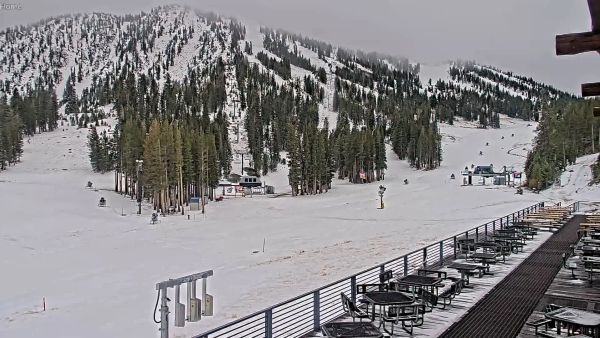
Mt Rose Aims to Open First in Tahoe on November 6
Mt Rose is going for the first-in-Tahoe title, with the Lakeview Express due to spin at 9 a.m. on Friday, November 6. One main lift, three runs and plenty of snowmaking, sitting on the highest base elevation in the region at 8,260 ft. Here is what is open, what is not (sorry, tubing fans), and how the early North American openings are stacking up.
4 Nov 2026
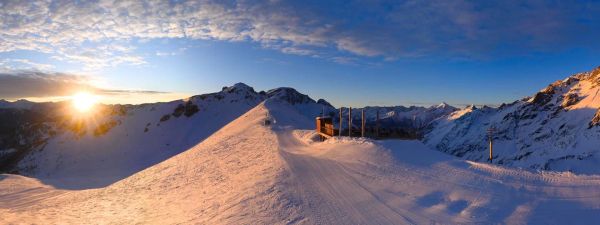
Europe Snow Forecast: Serre Chevalier Leads With 82 cm Over the Next 10 Days
Europe has had a quiet start to November, but our 10-day forecast has Serre Chevalier on 82 cm and Les 2 Alpes on 71 cm. Two pushes are lined up: a western Alps top-up from Friday, then a bigger, wider system on Thursday, November 12 and Friday, November 13 that reaches Italy and Switzerland. Full leaderboard inside.
4 Nov 2026
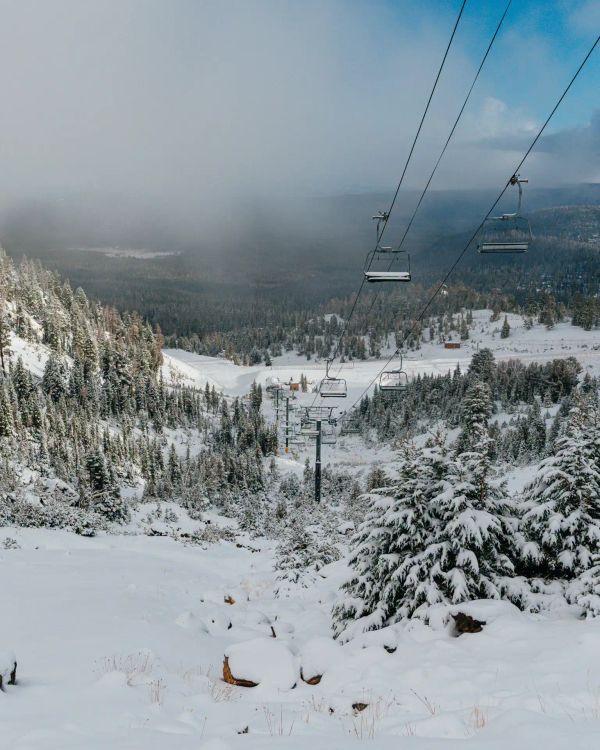
Mammoth Mountain Opens Early on November 5 With Up to 33 Inches of Snow in the Forecast
Mammoth just moved opening day forward to Thursday, November 5, eight days ahead of schedule. A snowy weekend and cold snowmaking nights did the work, and our forecast shows up to 33 inches more landing on November 13 and 14. Here is what opens, what the weather looks like and where Mammoth sits among the early Ikon Pass openers.
3 Nov 2026
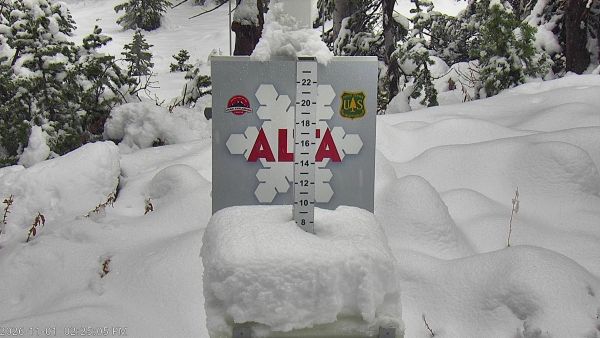
Utah Snow Storm Builds Early-Season Base Ahead of November Openings
Rain down low, snow up high, and a snow report full of zeros that mostly means ‘not updated yet’. Utah’s first proper storm of 2026-27 is rolling through the Wasatch, Snowbird’s snow stake is closing in on 10 inches, and Brian Head is five days from opening day. Early November snow rarely looks like much, but it is the layer every November opening date is built on. Here is where it stands.
1 Nov 2026
Naeba Lift Tickets
Naeba lift tickets & passes
Opening day for the winter 2026 - 2027 season is scheduled for Dec 12, 2026 (subject to change). Lift tickets at Naeba typically go on sale well before the start of the ski season.
Lift tickets FAQ
How much does a Naeba day pass cost?
Naeba day pass pricing varies by date and advance booking - see the full breakdown in the tickets panel.
Can I buy Naeba lift tickets online?
Yes, you can purchase tickets online or at the resort ticket office.
Are there discounts for multi-day passes?
Yes, multi-day packages typically offer significant savings compared to individual day passes. The per-day cost decreases with longer stays.
What is included with a Naeba lift ticket?
Full access to all lifts and trails at Naeba, including mountain safety and patrol services.
What is the difference between Naeba lift tickets and ski passes?
"Lift tickets" and "ski passes" refer to the same thing at Naeba - your access to the mountain's lifts and trails for your chosen duration.
When should I buy Naeba lift tickets for the best price?
Purchase tickets at least 7 days in advance for the best rates, and consider weekday visits for further savings over weekend rates.
Does Naeba offer group discounts on lift tickets?
Group discounts are typically available for parties of 10 or more. Contact Naeba directly for group booking information and rates.
How can I check current conditions before buying tickets?
Before purchasing, check the live snow report and mountain webcams to see current weather, snow conditions, and lift operations at Naeba.
More Naeba intelligence: snow report, webcams, resort overview.