
Asarigawa Onsen
540m vertical, 8 runs, Sea of Japan views. 9km from Otaru, Hokkaido. Onsen packages from ¥4,500. Free skiing for kids.
Season 2025-2026
Opens
5 Dec 2025
Closes
29 Mar 2026
Days open
114
Annual snow
8m
The Overview
Michael Fulton
Melbourne-based skier and snowboarder with 50+ resorts across 5 continents. Specialises in Australian resorts and international resort comparisons.
Asarigawa Onsen operates across 540 vertical metres between 140 and 680 metres elevation, spreading 8 runs over 35 hectares in the Asarigawa Onsen valley 9 kilometres southeast of Otaru. The resort receives approximately 8 metres of annual snowfall and offers direct views of Ishikari Bay and the Sea of Japan from lift-served slopes. Elementary school children and younger ski free when accompanied by adults, and single-day lift tickets start at 3,200 yen. The base elevation sits below 150 metres, making this one of Hokkaido's lowest ski areas.
Terrain divides into 30 per cent beginner, 40 per cent intermediate, and 30 per cent advanced runs across 8 named courses including a 3,000-metre top-to-bottom descent on the Yellow Course. Tree skiing zones flank the upper mountain near the Purple lift, whilst mogul fields develop naturally on steeper groomed runs. The resort includes a terrain park built by the No-Rickers crew with small, medium, and large jumps plus rails and boxes. Wide intermediate cruisers dominate the mountain's midsection.
The day lodge delivers traditional Japanese ski-jo amenities including cafeteria curry, equipment rental counters, and a tune shop. Snow escalators at the base area transport beginners uphill without requiring lift skills. Free parking sits adjacent to the base facilities, and the compact layout allows boot-to-chair transitions in minutes. Crowds remain light throughout the season, particularly on weekdays when local ski clubs and families populate the slopes.
Ski and onsen combination packages at 4,500 yen grant same-day access to natural hot springs in the Asarigawa Onsen village at the base. Season passes cost 32,000 yen for unlimited access from December through March. The 2025-2026 season runs 5 December to 29 March. Low elevation makes Asarigawa ideal when wind closes higher resorts like Kiroro, Sapporo Teine, or Sapporo Kokusai, and proximity to Sapporo and Otaru suits day-trippers seeking uncrowded powder without international resort pricing.
540m
Vertical
8
Runs
86 acres
Skiable
8m
Annual snow
The Terrain
8 runs across 86 acres skiable
Asarigawa Onsen is a small, low-lying Hokkaido ski area near Otaru. Its 35 hectares drop 540 vertical metres from 680 metres to just 140 metres above sea level. Eight runs are split 30% beginner, 40% intermediate and 30% advanced, with no expert-rated terrain, so the mountain is more about variety than scale. Three double chairs and a triple do the work, and the compact layout means you rarely waste time getting back to the top. It suits Japan-bound skiers who want a quiet local hill rather than a big-name resort, and the sea views help.
The Yellow Course is the long one, a top-to-bottom run of around three kilometres that lets intermediates stretch their legs. Wide cruisers fill the middle of the mountain, while steeper groomed pitches tend to build moguls as the day goes on. Near the Purple lift, the upper slopes carry tree skiing for those who like to leave the groomers, though conditions depend on the snow. A terrain park with small, medium and large jumps adds something for freestyle skiers. Families and early intermediates will get the most from it, and strong skiers can treat it as a pleasant half-day add-on to a Sapporo trip.
Terrain split
8
runs
8 runs across 4 grades
Beginner2 runs · 30%
Intermediate3 runs · 40%
Advanced2 runs · 30%
Expert0 runs · 0%
Time it right
When to visit Asarigawa Onsen
The 2025-2026 season opens 5 December 2025 and closes 29 March 2026, delivering approximately 16 weeks of operation subject to snow conditions. Lifts typically operate 9:00 to 16:00 on weekdays and 8:30 to 17:30 on weekends and holidays from late December through February. Hours reduce to 9:00 to 16:00 during shoulder periods in early December and late March. Dates may shift based on snowpack development and spring melt rates.
Annual snowfall averages 8 metres across the season with the snowiest period typically occurring in late December when 46 centimetres can fall during a single week. The fourth week of December historically records 6.4 snowy days. Low base elevation at 140 metres means snow quality varies more than higher Hokkaido resorts, though northeast-facing aspects help preserve powder between storms. Snowmaking infrastructure is minimal given Hokkaido's natural snow reliability.
January and February deliver the most consistent conditions with stable cold temperatures and regular storm cycles from the Sea of Japan. Late December through mid-February offers optimal powder timing, whilst March brings spring corn snow and longer daylight. Weekdays see significantly lighter crowds than weekends, with minimal competition for fresh snow in tree zones and ungroomed areas. The resort's low elevation provides refuge during high-wind days that shut down exposed mountaintop lifts at neighbouring resorts.
No major events calendar or festival programming is advertised for the season. The resort caters primarily to local families, school ski programmes, and day-trippers from Sapporo and Otaru rather than destination tourists. Combined ski-and-onsen packages encourage post-skiing relaxation in the adjacent hot spring village. Freestyle lessons with the No-Rickers crew cost 1,000 yen for 90 minutes, representing exceptional value for terrain park instruction.
Season 2025-2026
5 Dec 2025
Opens
29 Mar 2026
Closes
114
Days open
8 m
Annual snow
Getting there
Getting to Asarigawa Onsen, and where to stay
The resort sits in the Asarigawa Onsen valley within Otaru city limits in western Hokkaido's Shiribeshi subprefecture. Base elevation at 140 metres places the mountain just inland from Ishikari Bay on the Sea of Japan coast. The small hot spring village of Asarigawa Onsen clusters at the base with hotels, pensions, and day-use onsen facilities. Summit views at 680 metres span Otaru city, the Ishikari coastline, and the Mashike mountain range across the bay.
Otaru city centre lies 9 kilometres northwest, a 15-minute drive or 20-minute bus journey from JR Otaru Station. Sapporo sits 35 kilometres southeast, approximately 40 minutes by car via the Sasson Expressway or one hour by bus. Otaru developed as Hokkaido's primary port city in the early 20th century and retains historic canal districts, glassworks, and seafood markets. The city population exceeds 107,000 with strong tourism infrastructure supporting visitors to nearby ski areas.
The Sasson Expressway's Asari Interchange sits 5 minutes from the resort base via local roads. Driving time from Sapporo runs 40 minutes in normal conditions using the Douou Expressway to Asari IC. Road access remains straightforward year-round as studless winter tyres handle most conditions on the valley approach. Free parking at the base accommodates day visitors without advance reservation requirements.
New Chitose Airport sits approximately 80 kilometres southeast, a 60-minute drive or 90-minute journey by combining the Rapid Airport train to Otaru with onward bus service. Direct JR Rapid Airport trains connect New Chitose to Otaru-Chikko or Otaru stations in 75 minutes with departures every 15 minutes during daylight hours. Chuo Bus operates regular service from Otaru Station to the Asarigawa Onsen bus stop with 30-minute travel time, followed by a 5-minute walk to lifts. Buses also connect from Sapporo's Nakajima Koen subway station for 820 yen each way.
Where to stay
Search all stays →Hotels and lodges near Asarigawa Onsen, powered by Stay22.
Latest News
From the SnowStash desk
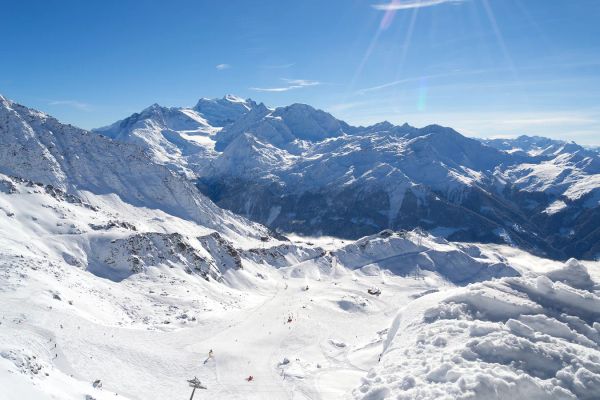
Alps Snow Forecast: Up to 64 cm Headed for the High Glaciers as the Snow Line Drops
The Alps are about to swap mild, sunny October weather for something far more wintry. A cold front arrives Tuesday, and SnowStash forecasts have Monterosa Ski out in front with 64 cm over 14 days, ahead of Blatten Belalp (55 cm) and Verbier (43 cm). The snow line should fall below 2000 metres by Wednesday night, and glaciers across Switzerland, Italy and Austria are in line for the best of it. The wind will have a say too.
20 Oct 2026
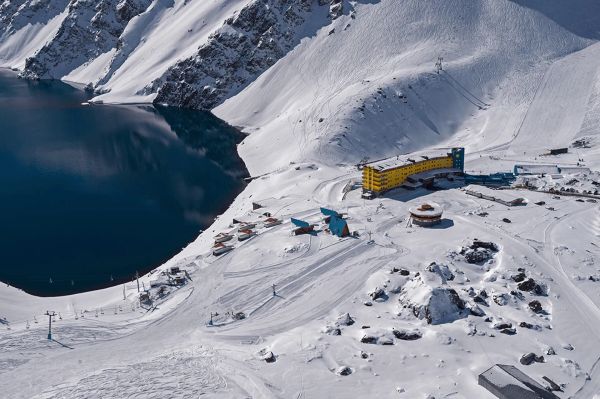
Four Dead After Avalanche Near Ski Portillo in Chile
A large avalanche struck near Laguna del Inca adjacent to Ski Portillo on Saturday afternoon, killing four people and injuring four others. The group were day visitors mountaineering in the backcountry after reportedly being warned about elevated avalanche risk by resort staff.
18 Oct 2026
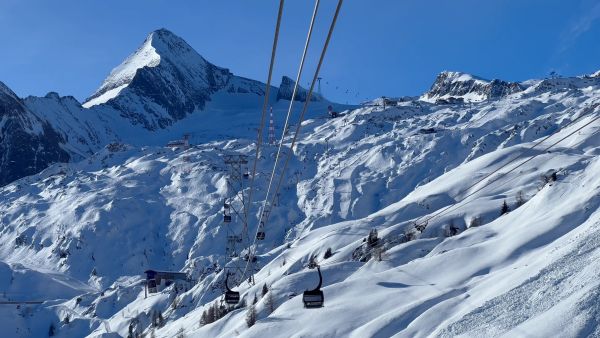
Europe Ski Resorts Open Now: What Is Skiable in Mid-October 2026
Europe’s ski season is open, technically. After a record-warm summer, glaciers in Austria, Switzerland and Italy are running a few pistes apiece, Sölden, Stubai and Kitzsteinhorn started late, Titlis has pushed back to 24 October, and Zermatt reopens a few lifts on 14 October after more than two months shut. Finland’s Levi and Ruka are skiing on stored snow. Here is what is open, and what you actually get at each.
14 Oct 2026
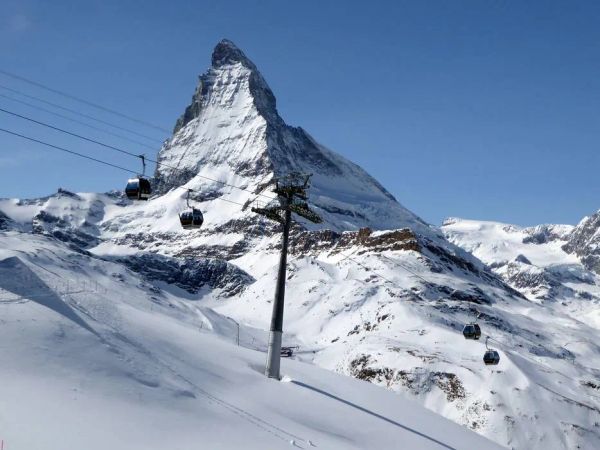
Zermatt Plans World Cup Downhill Return on the Gornergrat for 2028
Zermatt is having another crack at a World Cup downhill, and this time nobody has to cross a border. Around 13 million Swiss francs is going into rebuilding the Gornergrat piste, including a jump fed by a roughly 300-metre in-run across the roof of the Gornergrat Railway gallery, with the Matterhorn lined up behind it for the TV cameras. First men’s race is pencilled in for March 2028, pending FIS homologation.
14 Oct 2026
Mt. Rose Begins Snowmaking for the 2026-27 Season at Lake Tahoe
Lake Tahoe’s highest base elevation is paying off early: Mt. Rose has started making snow for 2026-27 after the first flurries and a cold snap. The Nevada resort is backing it with nearly US$2 million in upgrades, including a replacement snowmaking main line, a new PistenBully groomer and restraint bars on every lift. Opening day is yet to be confirmed, though Heavenly and Northstar are already eyeing 20 November.
13 Oct 2026
Utah Ski Resorts 2026-27: What’s New at Alta, Deer Valley, Powder Mountain and More
Utah is still building flat out. For 2026-27, Powder Mountain opens a steep new Skytrac chair into more than 1,000 acres of advanced terrain, Deer Valley adds 200 acres on Hail Peak, Sundance gets a new quad and Park City adds a gondola from its new parking structure. Snowmaking is expanding almost everywhere, Eagle Point stays closed after the Cottonwood Fire, and the 2034 Games are setting the pace. Here’s what’s new, resort by resort.
13 Oct 2026
Mt Hutt Invests NZ$12 Million in Base Area, Tripling Its Sun Deck
Mt Hutt is getting busier, and its base lodge is about to catch up. NZ$12 million goes into a heated sun deck roughly three times the current size (430 m² to 1,300 m²), plus a new toilet block, heated steps down to snow level, extra storage and a new food and beverage outlet. Building starts after the 2026 season, with everything due for winter 2027.
11 Oct 2026

Vermont Ski Resort Opening Dates 2026-27: Few Dates Set, Killington Waits on the Cold
Vermont's season is slow to take shape. Stratton is tentatively targeting 18 November and Sugarbush 21 November, while Pico has Friday 11 December on the calendar. Killington never sets a date and opens when the snowmaking allows, and Vail Resorts has yet to name days for Stowe, Okemo and Mount Snow. The forecasts disagree about snow, and the main El Niño worry for the Green Mountains is warmth.
9 Oct 2026
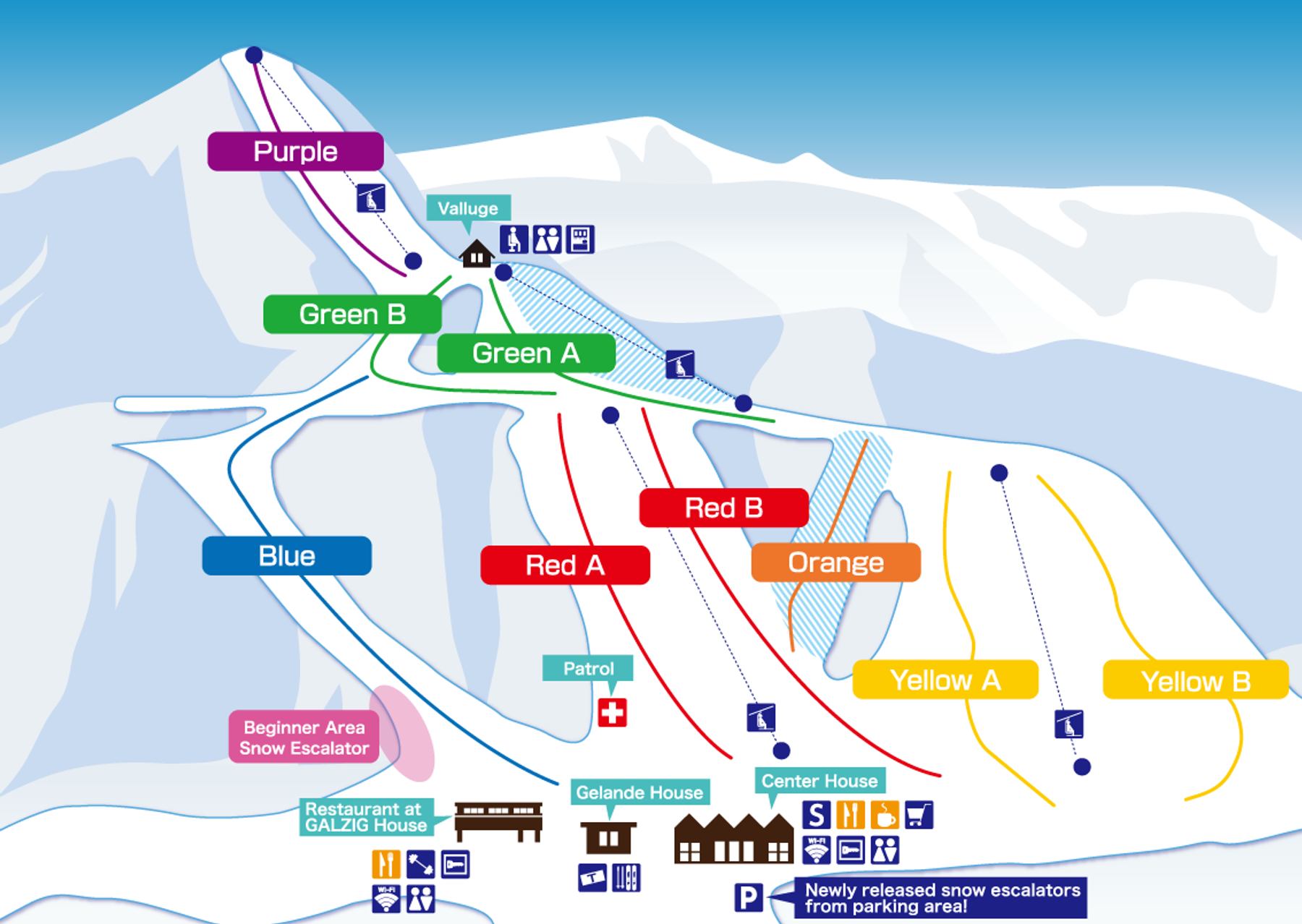
Asarigawa Onsen Trail Map
Downloadable Asarigawa Onsen trail map
Terrain split
8
runs
Beginner30%
Intermediate40%
Advanced30%
Expert0%
86 acres skiable35 hectares
Resort Stats
Elevation
Base140m
Summit680m
Annual snowfall
8m
Season
2025-2026
5 Dec 2025 - 29 Mar 2026
Trail coverage
8 runs
86 acres (35 ha)
About Asarigawa Onsen's trail map
Explore Asarigawa Onsen's full trail map with 8 runs across the mountain, colour-coded by difficulty and shown alongside the terrain split. Use it to plan a day that matches your ability, find lift-served pockets of your favourite grade, and see how the resort links together. Download the piste map (PDF) ↗
More Asarigawa Onsen intelligence: snow report, lift system, webcams, resort overview.