Sahoro
610m vertical, 21 runs, 8.7m annual snowfall. Central Hokkaido's quiet alternative with exceptional bluebird days.

Current Conditions→
Season 2026 - 2027
Opens
3 Dec 2026
Closes
4 Apr 2027
Days open
122
Annual snow
8.7m
The Overview
Michael Fulton
Melbourne-based skier and snowboarder with 50+ resorts across 5 continents. Specialises in Australian resorts and international resort comparisons.
Sahoro operates across 610 vertical metres from a 420-metre base to a 1,030-metre summit on the slopes of Mount Sahoro in central Hokkaido. The ski area comprises 21 runs spread across 25 kilometres of marked terrain, with 25 per cent beginner runs, 40 per cent intermediate and 35 per cent advanced. Annual snowfall averages 8.7 metres of characteristically dry, low-moisture powder typical of inland Hokkaido locations. The resort lies at the foot of the 1,060-metre Mount Sahoro within the Hidaka Mountains.
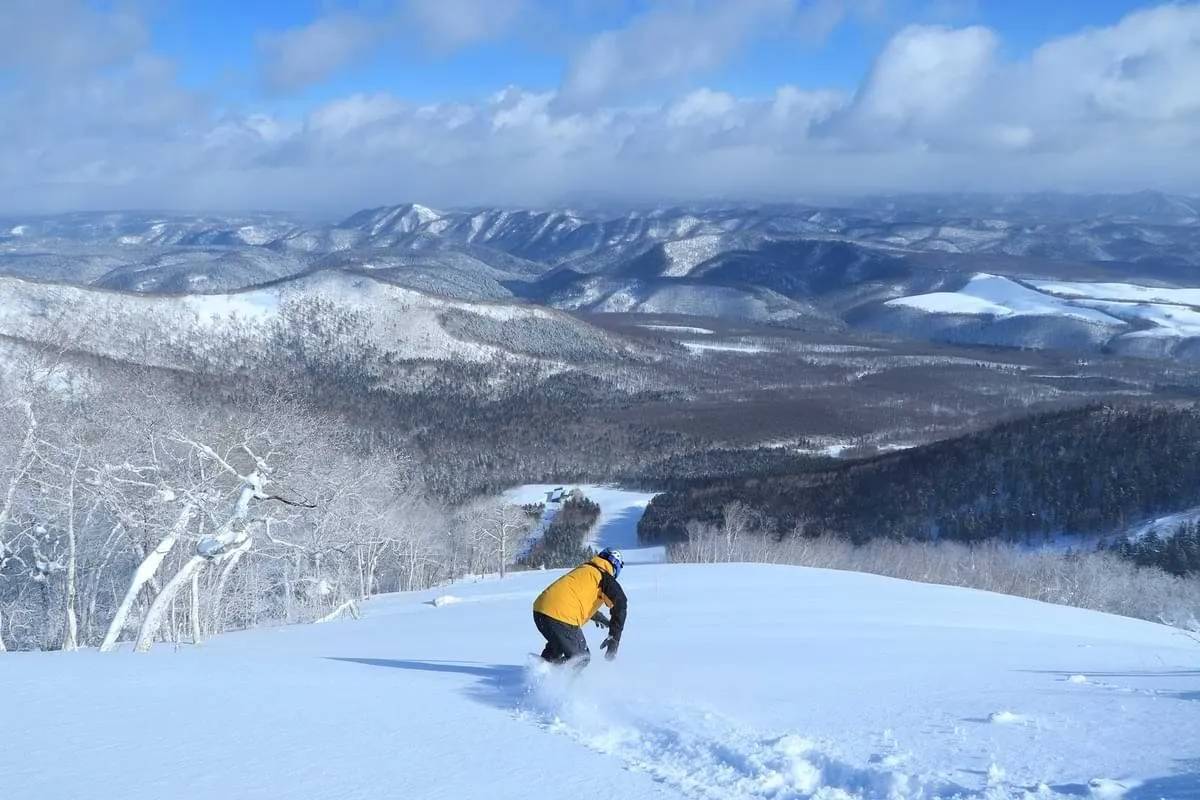
Beginner runs are designated as Streets, intermediate trails as Avenues, and advanced terrain as Ways, with the north-facing runs prefixed with N. A 2,700-metre beginner run descends from summit to base, whilst five ungroomed north-facing courses accessed by the Sahoro Express quad chair deliver steep terrain including a 39-degree pitch. The front face consists primarily of an east-facing bowl, with the north bowl offering tree skiing through well-spaced conifers below the 1,060-metre tree line. Advanced riders find quality terrain in the tight trees off South Street and North Way.
Sahoro maintains exceptionally low crowd levels compared to nearby Niseko and Furano, with fresh tracks often available into the afternoon. During the 2024-25 season, 65 of 129 operating days recorded clear skies, reflecting the resort's inland Tokachi location east of the Hidaka range. On-mountain facilities include a single restaurant at the gondola base, whilst two slopeside hotels provide ski-in access - Club Med Sahoro and Sahoro Resort Hotel. The resort offers snowshoe tours, snowmobile trials, night skiing on select dates, and stargazing groomer tours.
Sahoro operates independently without major pass affiliations, with daily lift tickets priced at 5,800 yen standard and 6,300 yen peak. The 2025-26 season runs from 1 December to 6 April across 127 days. The resort suits families seeking uncrowded slopes, intermediates wanting groomed carving terrain, and advanced skiers who appreciate tree skiing without the international crowds of Japan's major destinations. Proximity to Furano (32 kilometres) and Tomamu (68 kilometres) enables multi-resort trips.
610m
Vertical
21
Runs
346 acres
Skiable
8.7m
Annual snow
The Terrain
21 runs across 346 acres skiable
Sahoro is an uncrowded inland resort of about 140 hectares in the Tokachi region, with 21 runs and 610 vertical metres from 1,030 metres to 420 metres. The grading is 25% beginner, 40% intermediate and 35% advanced, with no expert-rated terrain, so the share of steeper skiing is high for central Hokkaido. A gondola, three quads, a triple, three doubles and a T-bar serve the mountain, and about 8.7 metres of dry snow falls in a typical winter. Because few international visitors make the trip, fresh tracks can last well into the afternoon. It is a good fit for skiers wanting space and quality snow.
Runs carry a distinctive naming system: Streets for beginners, Avenues for intermediates and Ways for advanced skiers, with an N prefix on the north-facing courses. A 2,700-metre beginner run descends from the summit to the base, one of the longer learner routes you will find. Five ungroomed north-facing courses off the Sahoro Express quad deliver steep skiing, including a pitch around 39 degrees. The north bowl holds well-spaced conifer trees, and the tight trees off South Street and North Way suit advanced skiers. Strong intermediates ready to step up and advanced skiers after quiet powder will get the most from Sahoro.
Terrain split
21
runs
21 runs across 4 grades
Beginner5 runs · 25%
Intermediate8 runs · 40%
Advanced7 runs · 35%
Expert0 runs · 0%
Time it right
When to visit Sahoro
The 2025-26 season operates from 1 December 2025 to 6 April 2026, spanning 127 days. Sahoro typically opens in early December and closes in early April, following the standard central Hokkaido ski calendar. The resort maintains consistent operating hours, with weekend and holiday periods extending from 9:00 to 18:00, whilst weekdays finish at 16:00. Year-end and New Year operations run extended hours from 27 December through 4 January.
Annual snowfall averages 8.7 metres, with powder quality characteristically cold, dry and silky due to the inland Tokachi location. The resort receives less snow than coastal Hokkaido areas and northwestern resorts, benefiting instead from southern storm systems similar to nearby Tomamu. Base depths build reliably through the season, supplemented by snowmaking on select runs during early December when natural snowfall proves insufficient. Snow statistics show five snowy days per week as typical, with peak accumulation occurring in late December when weekly totals can reach 29 centimetres.
January through February delivers optimal powder conditions, with mid-winter temperatures averaging minus 9 to minus 11 degrees Celsius at mid-mountain elevations. March offers spring skiing with warmer temperatures and continued quality snow coverage. The resort's 60 per cent clear-sky rate provides exceptional visibility compared to heavy-snowfall regions, with December week four historically recording the season's heaviest snowfall. Powder stashes linger on shaded north-facing slopes well into afternoons due to low skier traffic and cold temperatures.
Night skiing operates on scheduled dates throughout the season, complementing the resort's activity calendar of brown bear hibernation observation tours, frozen lake wakasagi fishing, and evening stargazing groomer rides. The Shintoku Soba Festival celebrates the region's buckwheat harvest annually. Early season visitors should anticipate limited terrain until mid-December snowfall accumulates, whilst March and April provide uncrowded carving on groomed spring snow with extended daylight hours.
Season 2026 - 2027
3 Dec 2026
Opens
4 Apr 2027
Closes
122
Days open
8.7 m
Annual snow
The record
Historical snowfall at Sahoro
Daily snow reports at Sahoro go back to 2025, 2 winters on the books. Open the record to compare winters, lifts and piste.
34 cm
Snowiest day
15 Dec 2025
19 cm
This winter · 2026-27
so far
177 cm
Typical winter
average of complete seasons
Winter totals
cm
Past wintersThis winter
Getting there
Getting to Sahoro, and where to stay
Sahoro sits in Shintoku town within Tokachi Subprefecture in central Hokkaido, positioned on the Karikachi Plateau at the northwestern edge of the expansive Tokachi Plains. The base village elevation sits at 420 metres, with the resort bordered by Daisetsuzan National Park to the north and surrounded by forested mountain terrain covering 90 per cent of Shintoku's 1,064 square kilometres. Mount Tomuraushi, reaching 2,141 metres, rises to the north as the highest peak in the area. The resort location places it roughly equidistant from three regional airports.
Shintoku town, population 5,309, lies 11 kilometres from the resort and serves as the nearest community with restaurants, bars and services. Obihiro city sits 54 kilometres east via National Road 274, requiring approximately 60 minutes by car. Furano resort lies 32 kilometres southwest, whilst Tomamu sits 68 kilometres to the north. Sapporo, Hokkaido's capital, sits 166 kilometres northwest, approximately 2 hours 40 minutes by road. The Tokachi region maintains strong agricultural character, known for dairy farming and buckwheat cultivation.
Road access follows National Road 274 from the Obihiro-Hiroo Expressway, with the drive from Obihiro requiring 60 to 80 minutes depending on conditions. From Sapporo, the journey spans 166 kilometres along the Doto Expressway and national roads. The Karikachi Pass route provides mountain access year-round. JR Shintoku Station on the Nemuro Main Line serves as the rail gateway, with all limited express trains on the Ozora (Sapporo-Kushiro) and Tokachi (Sapporo-Obihiro) routes stopping at the station. A free shuttle bus connects Shintoku Station to Sahoro Resort Hotel in 15 to 20 minutes, available to hotel guests by advance reservation.
Tokachi-Obihiro Airport sits 77 kilometres southeast, approximately 80 minutes by road via the Obihiro-Hiroo Expressway and National Road 274. Direct Sahoro Express buses operate during winter from Tokachi-Obihiro Airport to the resort in 1 hour 20 minutes. New Chitose Airport lies 154 kilometres southwest, with direct Sahoro Express bus service requiring 2 hours 15 minutes. Asahikawa Airport sits 105 kilometres northwest, roughly 1 hour 50 minutes by road. Rail connections via Shintoku Station provide an alternative, with transfers at Minami Chitose station required from New Chitose Airport.
Where to stay
Search all stays →Stays map loads when you scroll here
Hotels and lodges near Sahoro, powered by Stay22.
Latest News
From the SnowStash desk
Sugar Bowl Gondola Slips to January 2027 as Opening Day Holds
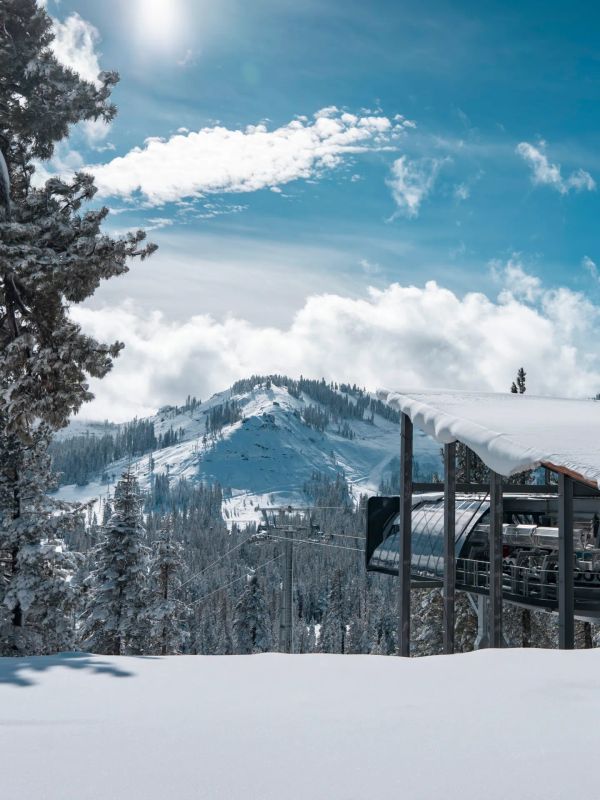
Sugar Bowl still opens on 27 November, just without its new gondola. The eight-passenger Village Gondola is now targeting January 2027, with all eight towers up, the haul rope on and the first cabin hanging. Until it runs, everyone gets in through the Main Lodge, with curbside drop-off and parking lot shuttles. It replaces the first gondola in the western US, which dates from 1953.
16 Nov 2026
Stubai Glacier Avalanche Ends in Austria’s First Death of the Season
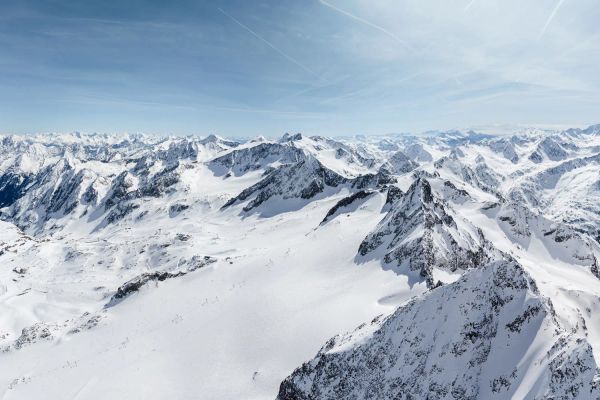
A 72-year-old American skier has died on Stubai Glacier after a small slab avalanche carried him over rocky ground and into a 20-metre crevasse. It is Austria’s first avalanche death of the 2026-27 season, and forecasters had flagged this exact setup two days earlier. Here is what happened near the Daunscharte, and what the snowpack was already telling anyone who was reading it.
15 Nov 2026
Wagrain’s New Grafenbergbahn Gondola Appears in First Photos
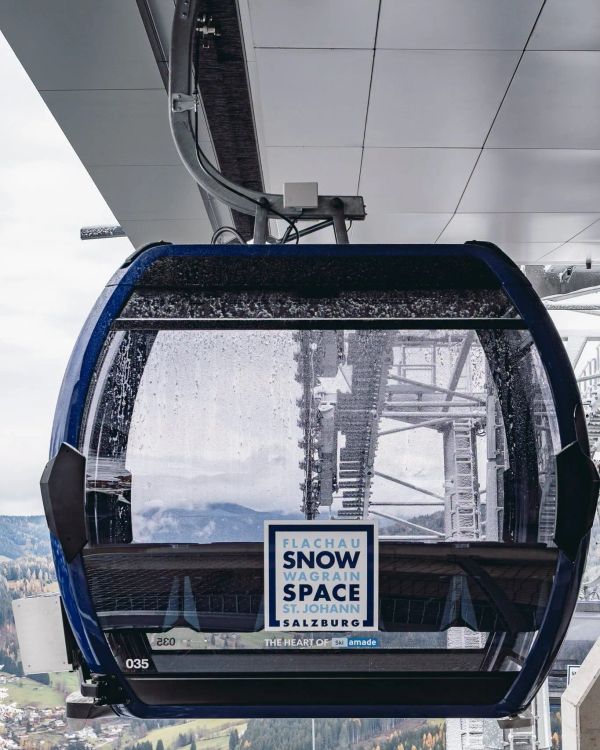
Wagrain’s new Grafenbergbahn is nearly here, and Snow Space Salzburg stamped “no AI” on the first photos, which says plenty about 2026. One 10-person gondola takes over from three old lifts, with 120 cabins moving up to 3,400 people an hour and a mid-station link into the G-Link. Dark blue cabins, fresh snow, no opening date yet.
14 Nov 2026
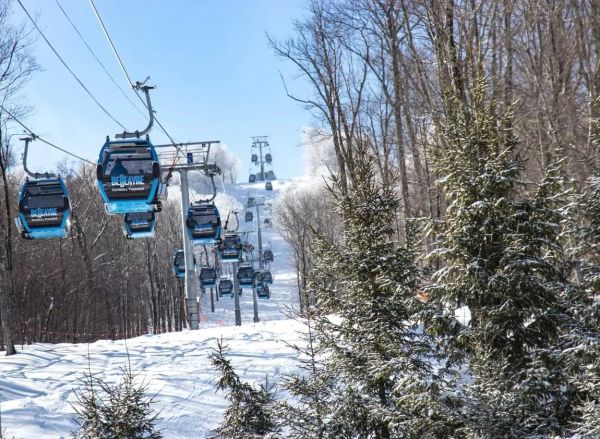
Indy Pass Adds 10 Alpine and 5 Nordic Partners for 2026-27
Indy Pass just got bigger. On 12 November it announced 10 new alpine resorts and 5 Nordic centres for 2026-27, including four in Norway and one in Austria. Three New York State mountains - Whiteface, Gore and Belleayre - also signed on to its Allied Program, with discounted tickets rather than included days. Waitlisted customers are being offered passes, and Learn to Turn news is due this week. Full list inside.
13 Nov 2026
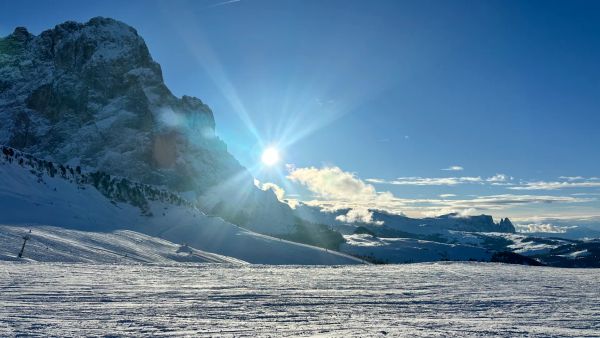
Val Gardena to Alpe di Siusi Lift Link Back in Play After Court Ruling
The Val Gardena-Alpe di Siusi lift link isn’t dead after all. A South Tyrol court has overturned Santa Cristina’s rejection of the new Monte Pana-Saltria link on procedural grounds, after the council skipped required public information sessions. Opponents want the missing sessions held and a fresh vote, and nothing has been approved. For now it’s still a bus between the two, but a plan first floated in 2017 is back in the conversation.
8 Nov 2026
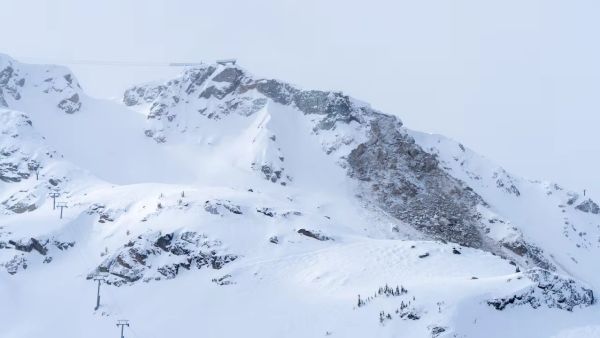
Whistler Blackcomb Rockslide Zone Stays Closed Through 2026-27 Season
A section of Whistler Peak terrain will stay closed all 2026-27 season, Vail Resorts has confirmed, with rockslide mitigation work continuing into summer 2027. Peak Express is still expected to run this winter, but locals are already arguing about what’s actually off limits, whether the Whistler Bowl is gone, and why the news landed after pass sales wound down. Here’s where things stand.
7 Nov 2026
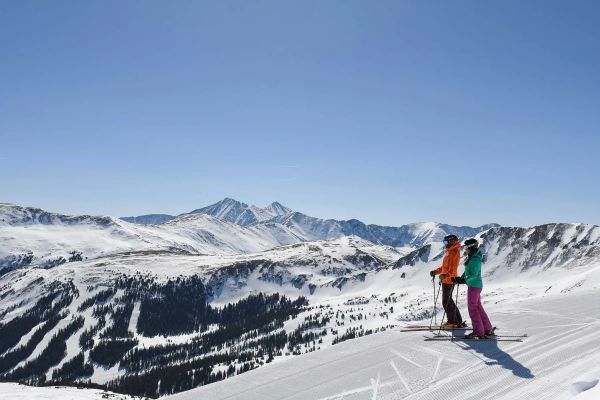
Loveland Ski Area Opens for 2026-27 and Marks 60 Years of Snowmaking
Loveland is open. The Colorado ski area started Chet’s Dream turning on Saturday 7 November to kick off 2026-27, with $60 adult lift tickets to mark 60 years of snowmaking. Expect three runs, nearly 1,000 vertical feet (about 300 metres) of top-to-bottom skiing, live music on the Basin Patio and no beginner terrain yet. Here’s what’s open, what it costs and when Loveland Valley follows.
7 Nov 2026
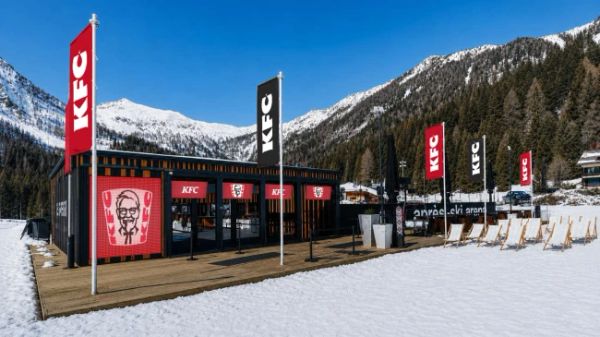
KFC Is Coming to the Slopes at Cortina and Madonna di Campiglio
Fried chicken is heading up the Dolomites. From 5 December KFC will run two restaurants on the slopes - one at 2,123 metres at Cortina, one at 1,700 metres at Madonna di Campiglio - and the polenta-and-canederli crowd has opinions. Local politicians, conservation groups and plenty of Facebook commenters are calling it a step too far, while others just want a cheaper lunch. Here’s what’s on the menu and what’s the fuss.
5 Nov 2026
Sahoro Lift System
Sahoro's lift network comprises nine installations: one six-person gondola, three quad chairlifts, one triple chair, three double chairs and one T-bar. The system delivers 610 metres of vertical transport across the ski area's 25 kilometres of terrain. High-speed quad chairs number three within the total count, providing efficient uphill capacity on the mountain's primary sectors. The gondola and chairlifts are supplemented by two moving carpets in the beginner zone near the base.
The six-person gondola forms the resort's backbone, providing access from the 420-metre base to upper mountain elevations and serving nearly every run in the ski area. The Sahoro Express quad chair services the north-facing advanced terrain, including five ungroomed powder runs, though its operation remains weather-dependent. A 1,498-metre hooded quad lift transports skiers to the upper north slopes. Double chairs and the T-bar concentrate around the valley station, serving beginner terrain near the four-seater chairlifts.
Base-to-summit flow centres on the gondola, which offers panoramic views across the Tokachi Plains and Hidaka Mountains during the ascent. Advanced skiers seeking the steepest tree runs must ride the full vertical via the gondola when upper lifts remain closed, creating some repetition for powder hunters. The strategic lift placement enables navigation between front-face and north-bowl sectors without extensive traversing. Intermediate cruisers benefit from direct gondola access to wide Avenues from the summit.
The Sahoro Express quad chair accessing advanced north terrain opened as part of a 2016-17 expansion that added five runs and increased the ski area by approximately 40 per cent. The expansion introduced 25 kilometres of marked trails to the resort map. Lift operations vary daily based on snow conditions, staffing and skier traffic, with the top lift operating infrequently. Gondola queues occasionally form during school group visits, though wait times generally remain minimal throughout the season.
9lifts across 5 types
1
Gondola
3
Quad Chairs
1
Triple Chair
3
Double Chairs
1
T-Bar
Sahoro lift system
Sahoro is served by 9 lifts, listed here by type. Check which lifts are turning against the live conditions before you plan your first laps - early lifts and high-speed chairs get you to the best snow fastest.
More Sahoro intelligence: trail map, snow report, webcams, resort overview.