
Nekoma
189 hectares, 33 runs, 8m annual snowfall. Micro-fine powder on north-facing slopes. Ikon Pass partner in Aizu, Fukushima.
Season 2026 - 2027
Opens
28 Nov 2026
Closes
9 May 2027
Days open
162
Annual snow
8m
The Overview
Michael Fulton
Melbourne-based skier and snowboarder with 50+ resorts across 5 continents. Specialises in Australian resorts and international resort comparisons.
Hoshino Resorts Nekoma Mountain spans 189 hectares across the north and south flanks of Mount Nekomagadake in Fukushima Prefecture. The resort offers 33 runs totalling 39 kilometres of terrain with 637 metres of vertical drop from a 1,337-metre summit to a 700-metre base. Formed in 2023 through the merger of Alts Bandai and Nekoma Ski Resort via an 810-metre connecting lift, the area receives 8 metres of annual snowfall and operates from late November through early May.
Terrain splits 30 per cent beginner, 40 per cent intermediate, 25 per cent advanced and 5 per cent expert across the dual-aspect mountain. The North Area climbs north-facing slopes to 1,337 metres and delivers what locals call micro-fine powder through beech forests, whilst the South Area descends sun-exposed runs with sight lines to Mount Bandai and Lake Inawashiro below. Tree run zones covering roughly 20 hectares opened for the 2025-26 season alongside established terrain parks and groomed cruisers.
Weekdays remain quiet with powder accessible hours after snowfall, though weekends draw crowds from Tokyo and regional cities. The North Area base at Kitashiobara Village offers simple day lodge facilities, whilst the South Area at Bandai town centres on the ski-in Bandaisan Onsen Hotel with restaurants, rental shop and onsen. Cat skiing operates in the South Area during peak season for intermediate and advanced riders seeking untracked terrain.
Nekoma joined the Ikon Pass for 2025-26 with seven-day access on the full pass and five days on the base version. The resort logged 135 operating days in 2024-25, the longest season in Fukushima Prefecture for three consecutive years. The mountain suits powder enthusiasts chasing Japan's less-tracked Tohoku region and intermediates seeking varied terrain across a single large ski area within three hours of Tokyo.
637m
Vertical
33
Runs
467 acres
Skiable
8m
Annual snow
The Terrain
33 runs across 467 acres skiable
Hoshino Resorts Nekoma Mountain is the product of two merged resorts, Alts Bandai and the original Nekoma, joined by a connecting lift for the 2023-24 season. The combined area spans about 189 hectares and has 33 runs falling 637 vertical metres from 1,337 metres to a 700-metre base, and the grading is broad: 30% beginner, 40% intermediate, 25% advanced and 5% expert. That is a fuller spread than most Fukushima resorts. Eleven double chairs and two quads work across the north and south sectors, so lift rides are leisurely, but the choice of terrain is considerable by Japanese standards.
The Bandai side is more open, with wide groomers and views of the Bandai volcano, while the Urabandai side faces north at higher elevation and holds the lightest snow. There is a long groomed course of about two kilometres that is lit for night skiing, a steep ungroomed run for experienced skiers, moguls and a terrain park. A newly opened tree-run zone adds off-piste interest. Nekoma suits groups with mixed ability, intermediates wanting variety and powder skiers happy to ski quieter trees, with far less competition for fresh lines than at the Hokkaido and Nagano names.
Terrain split
33
runs
33 runs across 4 grades
Beginner10 runs · 30%
Intermediate13 runs · 40%
Advanced8 runs · 25%
Expert2 runs · 5%
Time it right
When to visit Nekoma
The 2025-26 season opened 5 December 2025 and closed 29 March 2026, though the resort historically operates into early May when snowpack permits. Nekoma achieved 135 operating days in 2024-25, the longest season in Fukushima Prefecture for three consecutive years. The North Area typically opens earlier and closes later than the South Area owing to its higher elevation and north-facing aspect, with the northern sector sometimes remaining skiable through Golden Week in early May.
Annual snowfall averages 8 metres, concentrated between December and March when cold continental air masses cross the Sea of Japan and deposit dry powder across the Aizu region. The North Area's unique geography and cold air rising from surrounding lakes produce micro-fine snow—an exceptionally light powder prized by locals and visitors alike. North-facing slopes hold quality snow into afternoon even during sunny periods, whilst the South Area's sun-exposed runs soften earlier but offer reliable cover thanks to elevation above 700 metres.
Peak powder months run January through February, with the resort strategically closing certain steep courses until sufficient accumulation builds, then opening them day-after-snowfall for pristine conditions. March and April deliver spring corn snow as temperatures rise, though higher elevations retain cold powder through early April. Weekdays from mid-January to late February offer optimal conditions with minimal crowds, whilst weekends and New Year holidays see congestion at lifts and ticket windows.
The resort offers night skiing on select dates and hosts freestyle competitions in its terrain parks, which have attracted international events. Tree run zones operate based on snow depth, typically mid-January through late February. A cat skiing programme in the South Area runs on specific days during peak season, limited to 10 participants per trip and requiring advance booking for access to untracked off-piste zones.
Season 2026 - 2027
28 Nov 2026
Opens
9 May 2027
Closes
162
Days open
8 m
Annual snow
Getting there
Getting to Nekoma, and where to stay
Nekoma occupies the flanks of Mount Nekomagadake in the Aizu region of western Fukushima Prefecture, with the North Area base at Kitashiobara Village and the South Area base at Bandai town. Mount Bandai, an 1,816-metre stratovolcano known as Aizu Fuji, rises immediately southeast and dominates the skyline. The resort overlooks Lake Inawashiro, one of Japan's largest freshwater lakes, which spreads across the valley floor 700 metres below the South Area base.
Koriyama city lies 55 kilometres east and serves as the primary transport hub, whilst Aizuwakamatsu—the historical seat of samurai culture in Fukushima—sits 17 kilometres from the South Area. Bandaimachi Station on the JR Ban'etsu West Line is 7 kilometres from the resort, and Inawashiro Station is accessible via local bus connections. The Urabandai plateau behind the mountain features lakes formed by Mount Bandai's 1888 eruption, including Lake Hibara visible from the North Area's upper slopes.
Road access follows the Tohoku Expressway to either Inawashiro-Bandaikogen Interchange, 15 minutes from the South Area, or continuing north to Bandai-Atami Interchange, 35 minutes from the North Area. Route 64, the Bandaisan Gold Line toll road, connects the two base areas but closes in winter, requiring drivers to circle east around Mount Bandai. Total driving time from central Tokyo runs approximately 3 hours via the Tohoku Expressway, with free parking available daily at most lots though the South Area's closest lot charges 1,000 yen on weekends and holidays.
The nearest airport is Fukushima, 40 minutes by limousine bus to Koriyama Station. From Koriyama, a direct resort shuttle bus operates in roughly 70 minutes to the South Area, costing 1,500 yen for adults with advance reservations required. Sendai Airport via Sendai Station to Koriyama totals 80 minutes by train, whilst Haneda Airport passengers ride the Tohoku Shinkansen from Tokyo Station, reaching Koriyama in 90 minutes before transferring to the bus. A shuttle from Aizuwakamatsu Station runs 45 minutes for 1,000 yen without reservations.
Where to stay
Search all stays →Hotels and lodges near Nekoma, powered by Stay22.
Latest News
From the SnowStash desk
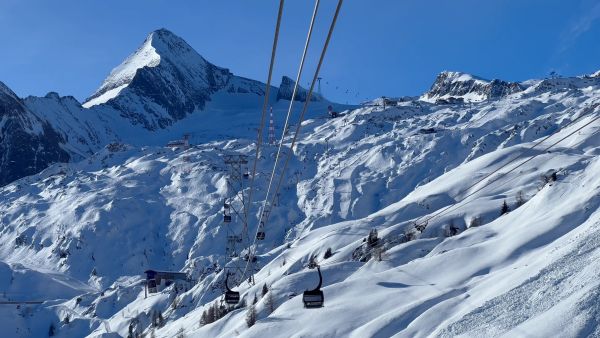
Europe Ski Resorts Open Now: What Is Skiable in Mid-October 2026
Europe’s ski season is open, technically. After a record-warm summer, glaciers in Austria, Switzerland and Italy are running a few pistes apiece, Sölden, Stubai and Kitzsteinhorn started late, Titlis has pushed back to 24 October, and Zermatt reopens a few lifts on 14 October after more than two months shut. Finland’s Levi and Ruka are skiing on stored snow. Here is what is open, and what you actually get at each.
14 Oct 2026
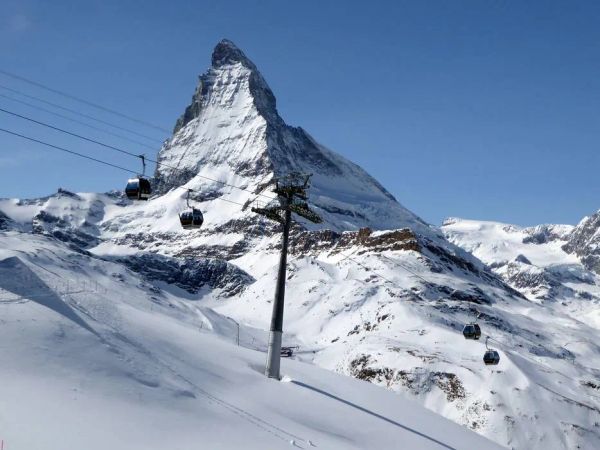
Zermatt Plans World Cup Downhill Return on the Gornergrat for 2028
Zermatt is having another crack at a World Cup downhill, and this time nobody has to cross a border. Around 13 million Swiss francs is going into rebuilding the Gornergrat piste, including a jump fed by a roughly 300-metre in-run across the roof of the Gornergrat Railway gallery, with the Matterhorn lined up behind it for the TV cameras. First men’s race is pencilled in for March 2028, pending FIS homologation.
14 Oct 2026
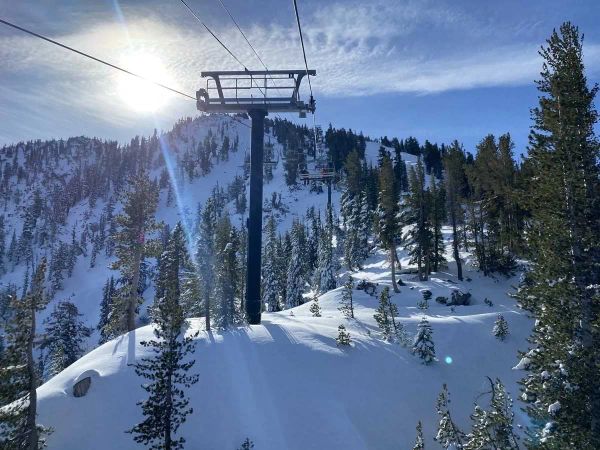
Mt. Rose Begins Snowmaking for the 2026-27 Season at Lake Tahoe
Lake Tahoe’s highest base elevation is paying off early: Mt. Rose has started making snow for 2026-27 after the first flurries and a cold snap. The Nevada resort is backing it with nearly US$2 million in upgrades, including a replacement snowmaking main line, a new PistenBully groomer and restraint bars on every lift. Opening day is yet to be confirmed, though Heavenly and Northstar are already eyeing 20 November.
13 Oct 2026
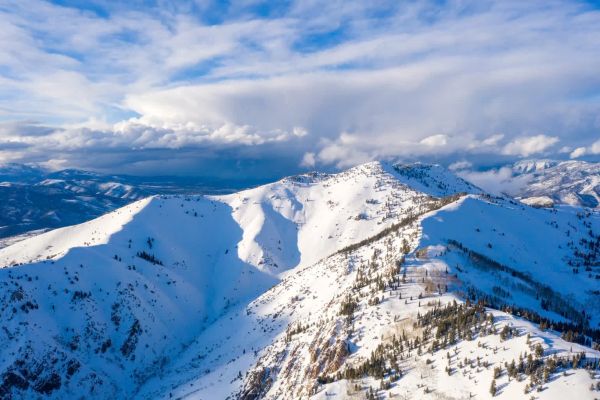
Utah Ski Resorts 2026-27: What’s New at Alta, Deer Valley, Powder Mountain and More
Utah is still building flat out. For 2026-27, Powder Mountain opens a steep new Skytrac chair into more than 1,000 acres of advanced terrain, Deer Valley adds 200 acres on Hail Peak, Sundance gets a new quad and Park City adds a gondola from its new parking structure. Snowmaking is expanding almost everywhere, Eagle Point stays closed after the Cottonwood Fire, and the 2034 Games are setting the pace. Here’s what’s new, resort by resort.
13 Oct 2026
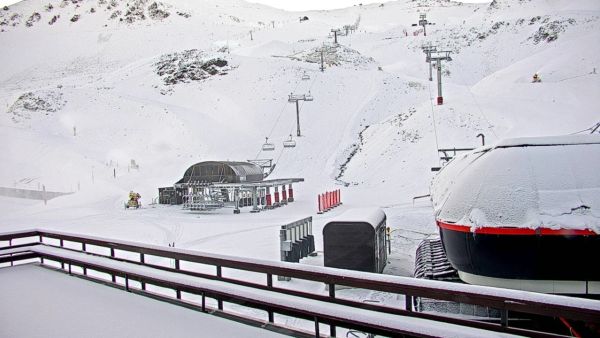
Mt Hutt Invests NZ$12 Million in Base Area, Tripling Its Sun Deck
Mt Hutt is getting busier, and its base lodge is about to catch up. NZ$12 million goes into a heated sun deck roughly three times the current size (430 m² to 1,300 m²), plus a new toilet block, heated steps down to snow level, extra storage and a new food and beverage outlet. Building starts after the 2026 season, with everything due for winter 2027.
11 Oct 2026

Vermont Ski Resort Opening Dates 2026-27: Few Dates Set, Killington Waits on the Cold
Vermont's season is slow to take shape. Stratton is tentatively targeting 18 November and Sugarbush 21 November, while Pico has Friday 11 December on the calendar. Killington never sets a date and opens when the snowmaking allows, and Vail Resorts has yet to name days for Stowe, Okemo and Mount Snow. The forecasts disagree about snow, and the main El Niño worry for the Green Mountains is warmth.
9 Oct 2026
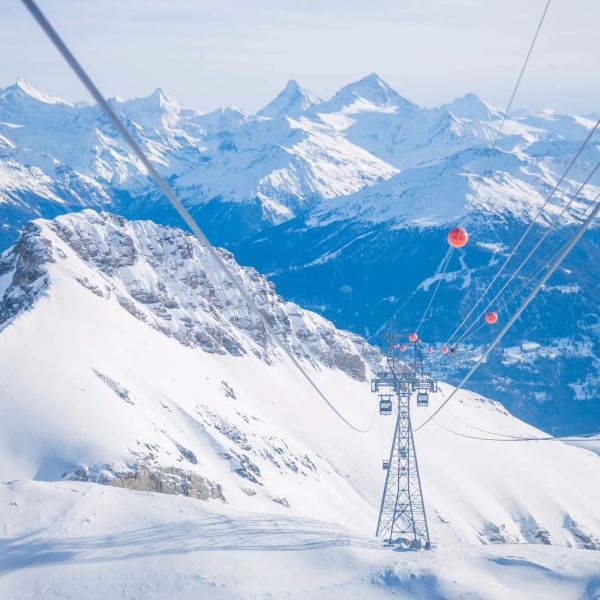
Crans-Montana 2027 World Championships President Resigns Ahead of Fraud Hearing
Less than four months out from the Crans-Montana 2027 World Championships, the man running the organising committee has stepped down. Claude-Alain Schmidhalter resigned as Swiss-Ski vice president and OC president after being indicted over a business dispute unrelated to skiing. He denies the allegations and faces court on October 27. Interim leaders are in place for the February 1-14 event.
9 Oct 2026
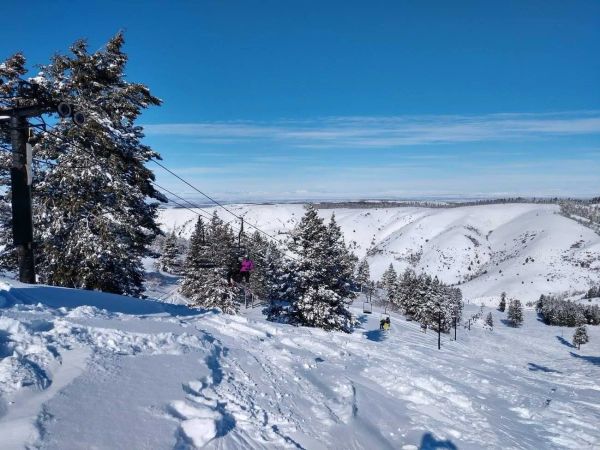
Kelly Canyon, Idaho, Adds Snowmaking, a Bigger Terrain Park and More Parking for 2026-27
Kelly Canyon had a rough 2025-26, and the Idaho resort has spent the summer making sure it doesn’t repeat. Snowmaking now reaches the top of Goldrush, the terrain park is doubling in size with a stereo system, lights and a snack shack, and the car park is getting bigger. Grooming is stepping up too. Target opening is December 4, conditions permitting.
9 Oct 2026
Nekoma Lift System
Nekoma operates 13 lifts comprising two quad chairs and 11 double chairs distributed across north and south sectors. The lift network spans three peaks—Mount Bandai, Mount Nekomagadake and Mount Umaya—with no gondolas or high-speed installations in the current configuration. Total uphill capacity remains modest given the reliance on fixed-grip double chairs, many dating from the pre-merger era when Alts Bandai and Nekoma operated independently.
The key connector is an 810-metre pair lift linking the former Alts Bandai South Area with the former Nekoma North Area, enabling skiers to traverse the full 189-hectare ski area on one pass. On the north side, chairs access the 1,337-metre summit and serve steep tree zones including Deep 1 and Deep 2 courses, which open only after heavy snowfall. The south side deploys chairs along wide intermediate boulevards and four terrain parks popular with freestylers.
Base-to-summit access requires multiple lift rides given the absence of express chairs or gondolas. The North Area lifts begin at roughly 1,026 metres and climb 311 metres of vertical, whilst South Area chairs start near 700 metres and ascend through mid-mountain terrain. Bottlenecks form at lower North Area lifts on weekend powder days, with waits exceeding 40 minutes reported during peak periods.
No major lift upgrades were announced for recent seasons, though the resort added Magic Carpet conveyors in the South Area beginner zone. Several older double chairs operate intermittently depending on snow conditions and staffing, particularly mid-week. The lift infrastructure favours a deliberate pace over high-speed circulation, aligning with Tohoku's less-commercialised ski culture and the resort's emphasis on powder preservation rather than rapid skier throughput.
13lifts across 2 types
2
Quad Chairs
11
Double Chairs
Nekoma lift system
Nekoma is served by 13 lifts, listed here by type. Check which lifts are turning against the live conditions before you plan your first laps - early lifts and high-speed chairs get you to the best snow fastest.
More Nekoma intelligence: trail map, snow report, webcams, resort overview.