
Manganui
59-hectare club field on Mount Taranaki with 420m vertical, 4 T-bars, NZ$50 day pass. Walk-in access, New Zealand.
Season 2026
Opens
22 Aug 2026
Closes
27 Sept 2026
Days open
36
Annual snow
3m
The Overview
Michael Fulton
Melbourne-based skier and snowboarder with 50+ resorts across 5 continents. Specialises in Australian resorts and international resort comparisons.
Manganui operates on the eastern slopes of Mount Taranaki within Egmont National Park, spanning 59 hectares between 1,260 and 1,680 metres elevation. The club field delivers 420 metres of vertical drop across 17 runs with 10 kilometres of trails, recording 2.5 metres of annual snowfall. Adult day passes cost NZ$50, among the lowest in New Zealand, whilst children and super seniors ski free. The field's lower slopes consist of mowed tussock meadow requiring only 30 centimetres of snow to operate, allowing it to frequently open first among North Island areas.
Terrain splits 5 per cent beginner, 35 per cent intermediate and 60 per cent advanced, with no designated expert runs but abundant unpatrolled off-piste zones. The beginner T-bar serves 140 metres of gentle vertical, whilst the Nutcracker rope tow climbs 300 metres of fall-line skiing with gradients averaging 25 to 30 degrees. Natural halfpipes thread through the volcanic terrain, alongside open bowls and ridgelines. The longest run extends two kilometres from the upper mountain.
Access requires a 25 to 30-minute walk from the Plateau car park at 1,050 metres, with a goods lift positioned halfway and a suspension bridge crossing Manganui Gorge. The Department of Conservation public shelter houses a modest canteen, ticket office and first aid station, but no rental shop or ski school operates on-mountain. The 33-bed Manganui Lodge provides self-catering accommodation at the base. Crowds peak at 300 to 400 skiers on busy days, and the club atmosphere fosters a high snowboarder-to-skier ratio.
The Stratford Mountain Club operates the field on a volunteer basis with no multi-resort pass affiliations. Mount Taranaki ranks second in New Zealand for precipitation, creating volatile snow conditions that can transform overnight due to coastal weather patterns. The 2026 season runs 22 August to 27 September, though typical seasons span mid-June to early October depending on natural snowfall. The field suits budget-conscious intermediates, families learning surface lifts, and advanced riders seeking raw alpine terrain without commercial infrastructure.
420m
Vertical
17
Runs
146 acres
Skiable
3m
Annual snow
The Terrain
17 runs across 146 acres skiable
Manganui is a small club field on the eastern flank of Mt Taranaki, inside Egmont National Park, spread across about 59 hectares. A handful of surface tows serve 17 runs over 420 vertical metres, from 1,260 to 1,680 metres. The split leans steep, with 5% beginner, 35% intermediate and 60% advanced, so the modest footprint hides real pitch. The lower slopes are open tussock meadow that needs little snow cover to run, while the upper mountain tightens into volcanic gullies and ridgelines. There is no road to the base, because you walk in from the Plateau car park.
The Nutcracker rope tow is the signature, pulling riders up fall-line pitches averaging 25 to 30 degrees, while a T-bar and gentle learner tow look after beginners lower down. Natural halfpipes, wind-scoured bowls and ridgelines give strong intermediates and advanced riders plenty to chase, with unpatrolled off-piste beyond the marked runs. Facilities are basic, with a public shelter, a small canteen and no hire shop. Volunteers from the Stratford Mountain Club keep it running. It suits adventurous skiers and snowboarders who want raw volcanic terrain and small crowds, and who do not mind carrying their gear.
Terrain split
17
runs
17 runs across 4 grades
Beginner1 run · 5%
Intermediate6 runs · 35%
Advanced10 runs · 60%
Expert0 runs · 0%
Time it right
When to visit Manganui
The 2026 season opens 22 August and closes 27 September, spanning just over five weeks. Typical seasons run mid-June to early October, dependent entirely on natural snowfall as no snowmaking exists. The field's low base elevation at 1,260 metres and mowed tussock meadow allow operations with minimal snow cover. Recent years have seen Manganui claim bragging rights as the first North Island field to open each winter.
Annual snowfall averages 2.5 metres, though Mount Taranaki's coastal position generates extreme precipitation variability. The snowiest week occurs in the second week of July, typically delivering 14 centimetres across 2.2 snowy days. Rain events can rapidly melt the snowpack or turn it isothermal, creating temporary closures mid-season. Snow conditions fluctuate dramatically overnight due to coastal weather patterns, and operators advise getting to the mountain when conditions turn favourable.
July delivers the most consistent snow and coldest temperatures for powder skiing, whilst August offers longer daylight hours and more stable weather. Early season the field loses sun after 2pm, firming the snow but occasionally improving surface quality. September brings spring conditions with softer snow and higher avalanche risk in unpatrolled zones. The field's avalanche advisory board at the tunnel entrance displays daily risk levels, and access closes when ratings reach high or extreme.
No major events calendar or night skiing programmes are promoted. The field focuses on day operations with occasional closures for avalanche control and weather. The canteen sells modest snacks including locally popular pies, and EFTPOS accepts all major cards. Visitors can combine skiing with exploring the SH43 Heritage Highway, which threads through native forest and unspoiled sub-tropical rainforest landscapes dating back thousands of years.
Season 2026
22 Aug 2026
Opens
27 Sept 2026
Closes
36
Days open
3 m
Annual snow
Getting there
Getting to Manganui, and where to stay
Manganui sits on the eastern slopes of Mount Taranaki, a 2,518-metre active stratovolcano in the Taranaki region of New Zealand's North Island. The field operates within Egmont National Park, the country's second-oldest national park established in 1900 encompassing 33,500 hectares. The Plateau car park sits at 1,050 metres elevation, accessed via Upper Pembroke Road through podocarp and montane forest. The walk to the ski area crosses the 100-metre Manganui Gorge suspension bridge, opened May 2024, which hangs 50 metres above the gorge floor with designs by Ngāti Ruanui iwi.
Stratford township lies immediately south of the field along State Highway 3, serving as the primary service town with gear hire available at Taranaki Ski Hire on Pembroke Road. New Plymouth, the major city of Taranaki with 80,000 residents, sits 45 minutes and 40 kilometres northwest of the Plateau car park. The Stratford district sits in the agricultural heartland of Taranaki, with views extending to the Tasman Sea from higher elevations. The Ngāti Ruanui Stratford Mountain House provides accommodation along the access route.
Pembroke Road turnoff connects directly to State Highway 3 just south of Stratford, with the sealed road climbing 18 kilometres through native forest to the Plateau. The road remains sealed to the car park, unique among New Zealand club fields, though chains are required for two-wheel-drive vehicles on occasion and recommended for all vehicles. Four-wheel-drive vehicles with road tyres suffice most days. The Stratford Plateau car park offers no overnight security, and the council contractor maintains gritting during winter.
New Plymouth Airport lies 42 kilometres west with domestic connections to Auckland, Wellington and Christchurch via Air New Zealand. Wellington Airport sits 220 kilometres south by road, representing the nearest international gateway with a four-hour drive via State Highway 3. No direct bus service connects the airport to Stratford, though InterCity runs five weekly services between New Plymouth and Stratford taking 29 minutes. Driving time from New Plymouth to the Plateau totals 45 minutes, with an additional 25 to 30-minute walk carrying equipment to reach the base facilities.
Where to stay
Search all stays →Hotels and lodges near Manganui, powered by Stay22.
Latest News
From the SnowStash desk
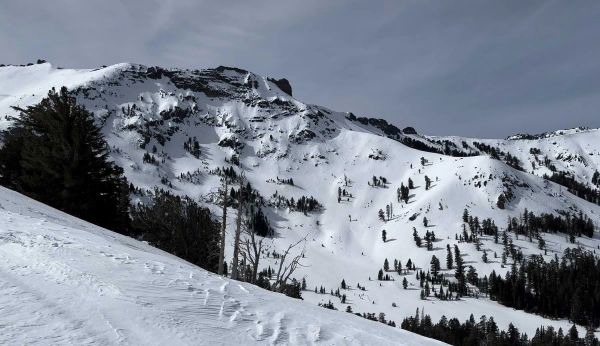
California Ski Resort Opening Dates 2026-27: Mammoth Leads, Tahoe Follows
Mammoth Mountain is first up in California, targeting Friday 13 November after a dusting of September snow. Heavenly and Northstar follow on 20 November, Palisades Tahoe on Wednesday 25 November and Sugar Bowl on 27 November, with Kirkwood on 4 December and June Mountain on 19 December. Plenty of smaller areas have no date yet. A super El Niño favours the Sierra, but a warmer storm track is the catch.
7 Oct 2026
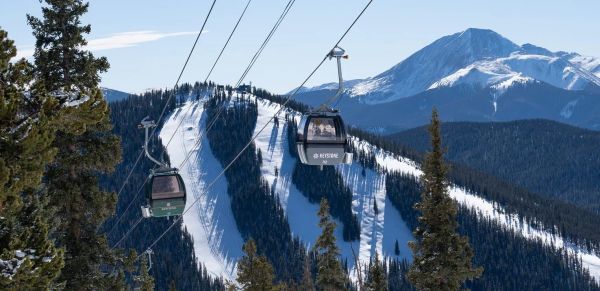
Colorado Ski Resort Opening Dates 2026-27: A-Basin and Keystone Race to Be First
Arapahoe Basin, Keystone and Winter Park are all chasing an October start, though none has a firm date yet. The first dated openers are Breckenridge and Copper on Friday 6 November, then Vail on 13 November, with most of the rest bunched around US Thanksgiving. Hesperus did not open at all last season. A super El Niño offers hope but no guarantee, and forecasters say the southern mountains have the better odds.
5 Oct 2026
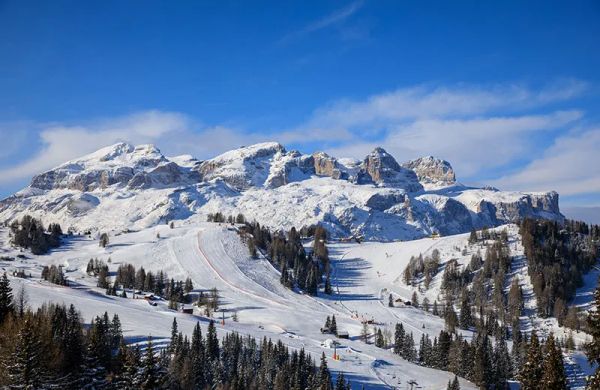
Dolomiti Superski 2026-27: Four New Gondolas, New Reservoirs and an €89 Peak Day Pass
Dolomiti Superski is spending around €100 million across its 12 areas before winter. Kronplatz gets a new 10-passenger gondola with a middle station, 3 Zinnen gets Helmissimo, and Val di Fassa swaps a chairlift for a gondola above Col Valvacin. New water-storage basins and upgraded snowmaking follow, and construction has started on the San Martino to Passo Rolle link. A peak adult day pass is €89.
4 Oct 2026
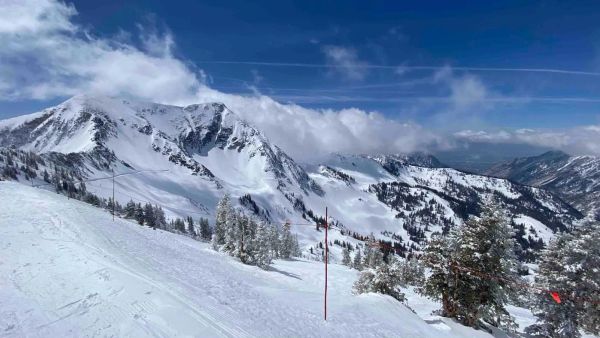
Utah Ski Resort Opening Dates 2026-27: Brian Head First, Eagle Point Out
Brian Head is targeting 6 November, though last year it aimed for 7 November and did not open until the 25th. Park City, Alta and Solitude are pencilled in for 20 November, Snowbird and Snowbasin for 27 November, and Deer Valley for 5 December. Eagle Point will stay closed after the Cottonwood Fire. A super El Niño is forecast, but the big snow is not expected until January.
4 Oct 2026
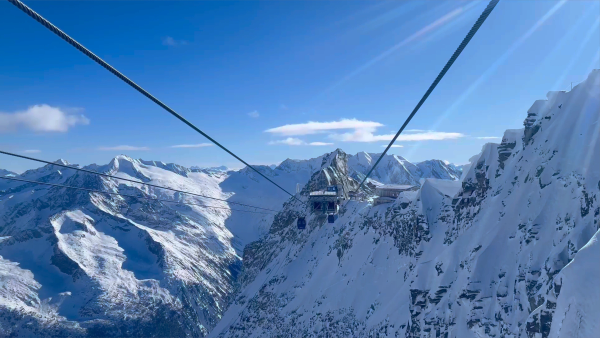
Hintertux Glacier Opens for 2026-27 With 12 Kilometres of Piste
Hintertux became Austria's second glacier to open for 2026-27 on Friday 2 October, after the Pitztal Glacier. Twelve kilometres of piste are running around the Olperer and Gefrorene Wand, served by one gondola and two drag lifts, with the Betterpark also open. Lifts officially run 8:15 am to 4:30 pm, but skiing stops at 2 pm for now.
4 Oct 2026
Vail Resorts Counts the Cost of a Thin Winter as Pass Sales Slide Further
A historically poor western winter cut Vail Resorts' annual net income from $280 million to $147.5 million and skier visits by 13.4 per cent. Now 2026-27 pass units are down 12 per cent as of 18 September, worse than the 10 per cent flagged in spring. Vail blames the weather and thinks some buyers are simply waiting, and it forecasts a rebound if the snow behaves.
3 Oct 2026
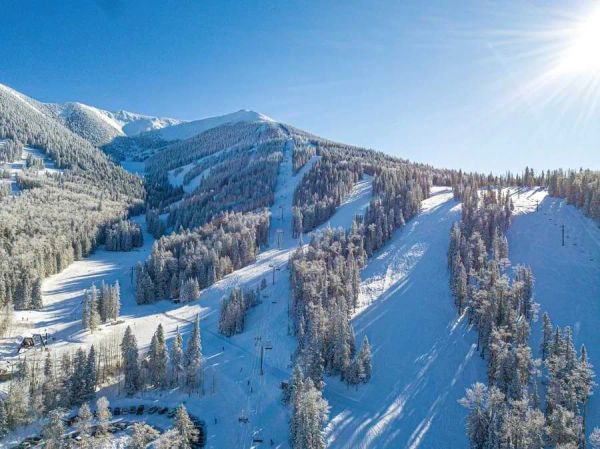
Arizona Snowbowl's $1 Lift Tickets Are Hard to Find, but $9 Days Are Not
Arizona Snowbowl advertised eight $1 lift ticket days this winter. Go looking and only three are showing - 10 March, 1 April and 10 April - so the rest may already have gone. The consolation is a calendar full of $9 days, including all but one day in April. Opening day is 20 November, weather permitting, and opening weekend is $19.
2 Oct 2026
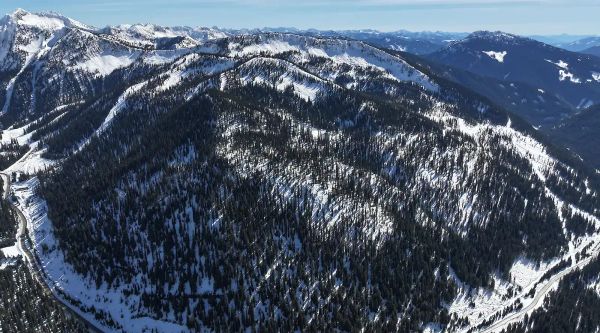
Whitewater Brings Its Short Side Inbounds, With Six New Runs for 2026-27
For years, Whitewater's Short Side was where you ducked a rope and hoped for the best: unmapped, ungroomed and unpatrolled. This winter it's inbounds. Six new runs of glades and fall-line skiing add 190 acres (about 77 hectares), taking the resort past 1,400 acres in total. F2 Logging spent a month in the trees to make it happen, and opening day is pencilled in for 4 December. Bonanza now needs less snow to groom, too.
1 Oct 2026
Manganui Lift System
Four T-bars comprise the lift infrastructure, including a learner's rope tow, an access tow, a main T-bar and the fixed-grip Nutcracker rope tow servicing the upper mountain. Sources list either four or five lifts depending on whether the learner and access tows are counted separately. No chairlifts or gondolas operate at Manganui. All uphill transport relies on surface tows that riders must master to access terrain beyond the beginner zone.
The main T-bar provides quick laps across open, rolling intermediate terrain with adequate space and short queues except during peak weekend periods. The beginner's rope tow offers a gentle 15-metre vertical learning slope with ample width for first-timers practising turns. Lift operators will slow speeds for unfamiliar riders until they gain confidence. The access tow bridges the gap between the lower and upper mountains, transporting skiers toward the Nutcracker base.
The Nutcracker rope tow represents the field's signature installation, ascending steep volcanic faces that rival Treble Cone's front side for pitch. Riders collect tow belts from the canteen and must check conditions with patrol before ascending. The lift accesses big open faces, natural halfpipe valleys and technical terrain rated for strong intermediates and advanced skiers only. Wind lips, rock bands and gullies create varied challenges across the upper mountain.
No recent lift upgrades or expansions have been documented, and the field maintains its traditional surface-lift character. Uphill capacity remains modest at approximately 3,200 persons per hour across all installations. The sealed access road to the Plateau car park represents the only infrastructure modernisation, though the mandatory walk-in preserves the club field's non-commercial ethos and serves as a warm-up that reportedly reduces injury rates.
4lifts across 1 types
4
T-Bars
Manganui lift system
Manganui is served by 4 lifts, listed here by type. Check which lifts are turning against the live conditions before you plan your first laps - early lifts and high-speed chairs get you to the best snow fastest.
More Manganui intelligence: trail map, snow report, webcams, resort overview.