
Tukino
340m vertical, 170 hectares, rope tows and cat skiing on uncrowded eastern slopes. Club field on Mt Ruapehu, New Zealand.
Season 2026
Opens
22 Aug 2026
Closes
27 Sept 2026
Days open
36
Annual snow
3m
The Overview
Michael Fulton
Melbourne-based skier and snowboarder with 50+ resorts across 5 continents. Specialises in Australian resorts and international resort comparisons.
Tukino operates across 170 hectares on the eastern slopes of Mount Ruapehu between 1680 and 2020 metres, delivering 340 metres of vertical drop across 20 named runs. The club-managed field splits terrain into 35 per cent beginner, 30 per cent intermediate and 35 per cent advanced, with no snowmaking but an average annual snowfall of 2.7 metres. Positioned within Tongariro National Park, the field shelters from prevailing westerly winds and often operates in clear conditions whilst commercial areas on the western slopes sit under cloud. Adult day passes cost NZ$85, with discounted rates for club members and students.
The terrain includes a dedicated learner slope, intermediate groomers and technical advanced runs, plus extensive off-piste zones accessible via three Nutcracker rope tows or optional cat skiing. The portable tow extends access to Banana Gully at 1970 metres, whilst the snowcat transports groups to the field boundary for guided descents covering the mountain's full vertical. Natural features include halfpipe-like bowls, cornices and chutes scattered across the volcanic terrain. No marked expert runs exist, but advanced skiers find challenging lines throughout the upper mountain and side-country zones.
Three club lodges sit at 1700 metres in Tukino Alpine Village, allowing ski-in ski-out access and creating a communal atmosphere absent from commercial fields. Daily visitor numbers hover around 150 people, compared to 5000 at neighbouring Whakapapa and Turoa on busy weekends. The Tukino Cafe provides log-fire warmth and basic refreshments, though day visitors typically pack lunch. Morning sun warms the eastern-facing slopes early, whilst the open aspect maintains consistent temperatures through the afternoon.
Tukino operates independently from commercial pass systems, requiring field-specific tickets purchased on-site or online. The 2026 season runs from 22 August to 27 September, shorter than the western slopes due to volunteer operations and lower base elevation. The field suits adventurous intermediates and advanced skiers comfortable with rope tows and basic facilities, plus families seeking uncrowded beginner terrain. Four-wheel-drive access or mountain shuttle service from the 2WD carpark adds to the backcountry character that defines New Zealand's club field experience.
340m
Vertical
20
Runs
420 acres
Skiable
3m
Annual snow
The Terrain
20 runs across 420 acres skiable
Tukino sits on the sheltered eastern side of Mt Ruapehu, within Tongariro National Park, and covers around 170 hectares. It is the quiet alternative on the volcano, run by a group of mountain clubs rather than a commercial operator. Skiing drops 340 metres from 2,020 to 1,680 metres across 20 runs, and the Sanity split is an even spread of 35% beginner, 30% intermediate and 35% advanced. The aspect catches morning sun, and the open, treeless slopes read easily from the lodges. Reaching the field means a long unsealed access road, with a shuttle available for those without four-wheel drive.
Three Nutcracker rope tows do all the lifting, including the Whangaehu and Aorangi tows and a portable tow into Banana Gully near 1,970 metres. Beginners get a dedicated nursery slope beside the village, intermediates find open rolling groomed terrain, and stronger skiers explore bowls, chutes and cornice drops across the volcanic ground. A snowcat can carry groups higher for guided descents when conditions allow. Queues are rare and facilities are simple, with ski-in ski-out club lodges and a cafe. It suits adaptable skiers who value space and solitude over lift infrastructure, and who will happily learn a rope tow.
Terrain split
20
runs
20 runs across 4 grades
Beginner7 runs · 35%
Intermediate6 runs · 30%
Advanced7 runs · 35%
Expert0 runs · 0%
Time it right
When to visit Tukino
The 2026 season operates from 22 August to 27 September, spanning five weeks compared to the three-month windows at commercial fields. Opening dates depend on snowpack accumulation and volunteer availability, with club members preparing lifts and lodges before public access begins. Closing occurs in late September when snow coverage thins and volunteer rosters wind down. The abbreviated season reflects the lower base elevation at 1680 metres and reduced snowmaking-free operations compared to Whakapapa's 1630-metre base with extensive snow cannon coverage.
Annual snowfall averages 2.7 metres across the season, with the eastern aspect receiving slightly less precipitation than western slopes but benefiting from shelter during westerly weather patterns. Peak snowfall typically arrives in August, with the first week delivering an average 24 centimetres across 3.6 snowy days. The volcanic terrain holds snow well once established, whilst morning sun creates soft conditions early before stable temperatures maintain quality through afternoon sessions. No snowmaking infrastructure exists, making the field entirely dependent on natural accumulation.
Mid-August through early September delivers optimal conditions when snowpack depth peaks and temperatures remain consistently cold. Late August coincides with school holidays, bringing increased visitor numbers but still modest compared to commercial areas. Early season conditions can prove variable before the base consolidates, whilst late September offers spring corn snow as daytime warming cycles commence. Weekdays see minimal crowds throughout the season.
The field hosts club races and skills programmes throughout winter, with details published on the seasonal events calendar. No night skiing operates due to the remote location and volunteer staffing model. The Tukino Mountain Clubs Association coordinates snow sports qualification programmes, including Level 4 patrol certification. Working bees occur before and after the season, with volunteer members maintaining facilities and infrastructure in exchange for discounted access and lodge rates.
Season 2026
22 Aug 2026
Opens
27 Sept 2026
Closes
36
Days open
3 m
Annual snow
Getting there
Getting to Tukino, and where to stay
Tukino occupies the eastern flank of Mount Ruapehu within Tongariro National Park, a UNESCO World Heritage site in the central North Island volcanic plateau. The alpine village sits at 1700 metres on a ridge between the Kaimanawa Ranges to the east and the 2797-metre Ruapehu summit to the west. Lake Taupo lies 106 kilometres northeast, whilst the Rangipo Desert stretches across the eastern foothills. Two other ski areas operate on Ruapehu - Whakapapa on the northwestern slopes and Turoa to the southwest - but only Tukino faces the morning sun on the eastern aspect.
Waiouru military town sits 35 kilometres south via State Highway 1, whilst Turangi lies 54 kilometres north on the Desert Road corridor. Taupo, the nearest commercial centre, sits 104 kilometres away with full services, equipment rental shops and accommodation options. National Park village on the western side of the mountain provides alternative lodging 30 kilometres distant by road, though separated by the mountain massif. Ohakune to the south offers ski town amenities 66 kilometres from the Tukino turnoff.
Access departs State Highway 1 at a point 40 kilometres south of Turangi and 22 kilometres north of Waiouru, following the unsealed Tukino Access Road. The first 7 kilometres suit most 2WD vehicles on gravel, terminating at the lower carpark at 1300 metres. Beyond this point, only off-road 4WD vehicles with chains can proceed up the steep alpine track climbing 400 vertical metres over 7 kilometres to the lodges. The mountain shuttle service meets 2WD visitors at the lower carpark by arrangement, transporting passengers and gear to the ski field for NZ$30 adults.
Taupo Airport handles domestic flights from Auckland and Wellington, positioned 106 kilometres from the ski area with 90-minute drive times. International visitors arrive at Auckland Airport 415 kilometres north or Wellington Airport 300 kilometres south, both offering rental car services for the 4-5 hour drive. The Northern Explorer rail service operated by KiwiRail stops at Ohakune station 66 kilometres distant, though onward transport requires prearrangement. State Highway 1 provides year-round access to the turnoff, with the final alpine section subject to closure during storms and requiring current road condition checks before departure.
Where to stay
Search all stays →Hotels and lodges near Tukino, powered by Stay22.
Latest News
From the SnowStash desk
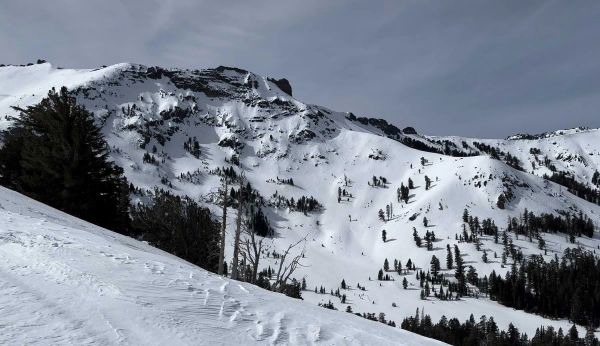
California Ski Resort Opening Dates 2026-27: Mammoth Leads, Tahoe Follows
Mammoth Mountain is first up in California, targeting Friday 13 November after a dusting of September snow. Heavenly and Northstar follow on 20 November, Palisades Tahoe on Wednesday 25 November and Sugar Bowl on 27 November, with Kirkwood on 4 December and June Mountain on 19 December. Plenty of smaller areas have no date yet. A super El Niño favours the Sierra, but a warmer storm track is the catch.
7 Oct 2026
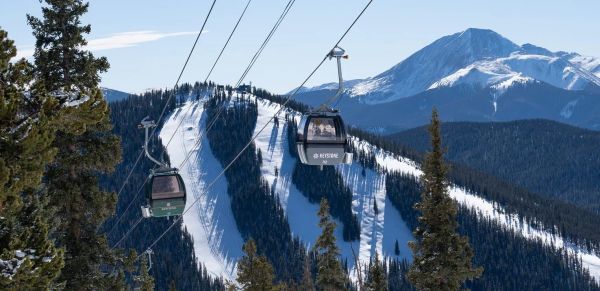
Colorado Ski Resort Opening Dates 2026-27: A-Basin and Keystone Race to Be First
Arapahoe Basin, Keystone and Winter Park are all chasing an October start, though none has a firm date yet. The first dated openers are Breckenridge and Copper on Friday 6 November, then Vail on 13 November, with most of the rest bunched around US Thanksgiving. Hesperus did not open at all last season. A super El Niño offers hope but no guarantee, and forecasters say the southern mountains have the better odds.
5 Oct 2026
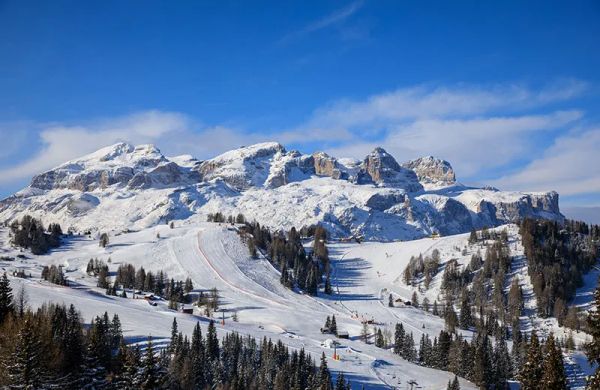
Dolomiti Superski 2026-27: Four New Gondolas, New Reservoirs and an €89 Peak Day Pass
Dolomiti Superski is spending around €100 million across its 12 areas before winter. Kronplatz gets a new 10-passenger gondola with a middle station, 3 Zinnen gets Helmissimo, and Val di Fassa swaps a chairlift for a gondola above Col Valvacin. New water-storage basins and upgraded snowmaking follow, and construction has started on the San Martino to Passo Rolle link. A peak adult day pass is €89.
4 Oct 2026
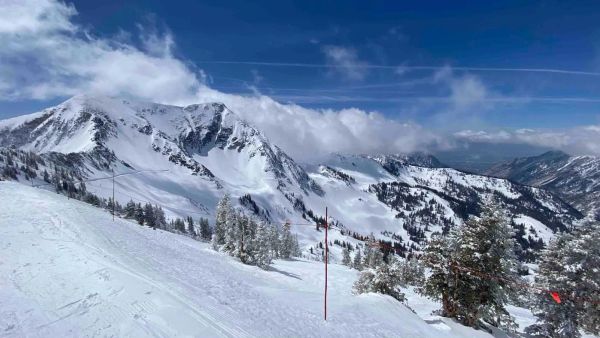
Utah Ski Resort Opening Dates 2026-27: Brian Head First, Eagle Point Out
Brian Head is targeting 6 November, though last year it aimed for 7 November and did not open until the 25th. Park City, Alta and Solitude are pencilled in for 20 November, Snowbird and Snowbasin for 27 November, and Deer Valley for 5 December. Eagle Point will stay closed after the Cottonwood Fire. A super El Niño is forecast, but the big snow is not expected until January.
4 Oct 2026
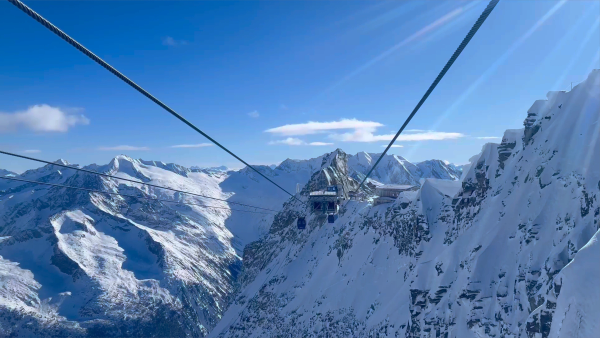
Hintertux Glacier Opens for 2026-27 With 12 Kilometres of Piste
Hintertux became Austria's second glacier to open for 2026-27 on Friday 2 October, after the Pitztal Glacier. Twelve kilometres of piste are running around the Olperer and Gefrorene Wand, served by one gondola and two drag lifts, with the Betterpark also open. Lifts officially run 8:15 am to 4:30 pm, but skiing stops at 2 pm for now.
4 Oct 2026
Vail Resorts Counts the Cost of a Thin Winter as Pass Sales Slide Further
A historically poor western winter cut Vail Resorts' annual net income from $280 million to $147.5 million and skier visits by 13.4 per cent. Now 2026-27 pass units are down 12 per cent as of 18 September, worse than the 10 per cent flagged in spring. Vail blames the weather and thinks some buyers are simply waiting, and it forecasts a rebound if the snow behaves.
3 Oct 2026
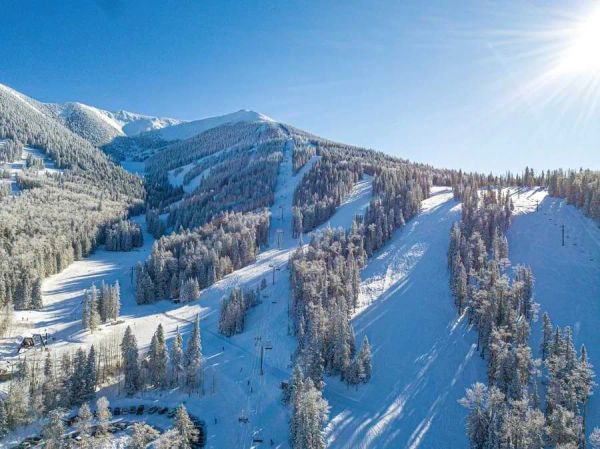
Arizona Snowbowl's $1 Lift Tickets Are Hard to Find, but $9 Days Are Not
Arizona Snowbowl advertised eight $1 lift ticket days this winter. Go looking and only three are showing - 10 March, 1 April and 10 April - so the rest may already have gone. The consolation is a calendar full of $9 days, including all but one day in April. Opening day is 20 November, weather permitting, and opening weekend is $19.
2 Oct 2026
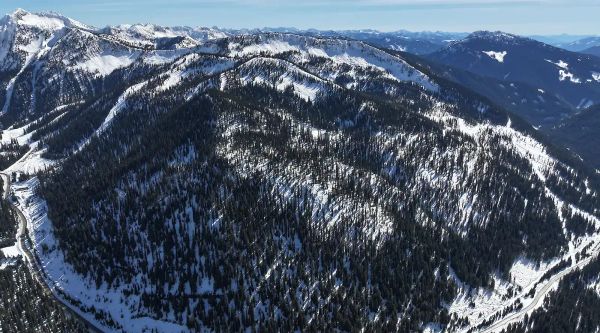
Whitewater Brings Its Short Side Inbounds, With Six New Runs for 2026-27
For years, Whitewater's Short Side was where you ducked a rope and hoped for the best: unmapped, ungroomed and unpatrolled. This winter it's inbounds. Six new runs of glades and fall-line skiing add 190 acres (about 77 hectares), taking the resort past 1,400 acres in total. F2 Logging spent a month in the trees to make it happen, and opening day is pencilled in for 4 December. Bonanza now needs less snow to groom, too.
1 Oct 2026
Tukino Lift System
Three Nutcracker rope tows constitute the entire lift infrastructure, with no chairlifts or surface platters installed. Two permanent tows operate from the alpine village - the Whangaehu Beginner Tow at 1750 metres and the Aorangi Advanced Tow reaching 1850 metres. A portable rope tow services Banana Gully at 1970 metres when conditions permit. Nutcracker belts attach to the moving rope and are supplied free with lift passes, representing classic club field technology predating modern detachable systems.
The snowcat groomer doubles as a cat-skiing vehicle, transporting groups to the ski field boundary near 2020 metres for guided descents. This service extends skiable terrain beyond the rope tow coverage, accessing natural features and powder zones unavailable via lift infrastructure. Cat skiing operates on request when snow conditions and staffing allow, adding significant vertical to the standard lift-served 340 metres. The system prioritises volunteer operations over commercial efficiency, with no published uphill capacity figures.
Base-to-summit flow follows the eastern fall line, with the beginner tow serving nursery slopes near the lodges before progressing to the advanced tow for mid-mountain access. The portable tow in Banana Gully opens terrain skier's right of the main field when installed. Terrain between tows and beyond lift coverage remains accessible via hiking and touring. Lodge-to-lift distance measures seconds rather than minutes, eliminating the base area congestion typical of commercial operations.
No lift upgrades or infrastructure investments have been announced, with the club committee maintaining existing rope tow systems through volunteer labour. The simplicity of rope tows reduces mechanical complexity and operating costs, allowing the field to function on minimal budgets. Queues rarely form even on peak days due to low visitor numbers. The trade-off between modern comfort and uncrowded access defines the club field proposition that Tukino delivers without compromise.
3lifts across 1 types
3
T-Bars
Tukino lift system
Tukino is served by 3 lifts, listed here by type. Check which lifts are turning against the live conditions before you plan your first laps - early lifts and high-speed chairs get you to the best snow fastest.
More Tukino intelligence: trail map, snow report, webcams, resort overview.