
Mt Cheeseman
334m vertical, 15 runs, uncrowded club field skiing 90 minutes from Christchurch. T-bars, affordable passes, Craigieburn Range.
Season 2026
Opens
8 Aug 2026
Closes
20 Sept 2026
Days open
43
Annual snow
3m
The Overview
Michael Fulton
Melbourne-based skier and snowboarder with 50+ resorts across 5 continents. Specialises in Australian resorts and international resort comparisons.
Mt Cheeseman operates as a public club field at 1540 to 1874 metres elevation in the Craigieburn Range, delivering 334 metres of vertical drop across 15 named runs. The ski area encompasses 50 hectares of terrain split 15 per cent beginner, 40 per cent intermediate and 45 per cent advanced. Established in 1929, the field receives an average of 3 metres of snowfall annually and sits within an alpine basin beneath Mt Cockayne. The 2026 season runs from 17 July to 27 September, with operations concentrated Thursday through Sunday.
The Main T-bar accesses groomed intermediate terrain and wide-open slopes ideal for progression, whilst the Ridge T-bar serves steeper advanced terrain and provides backcountry access to Tarn Basin. A learners' rope tow operates directly beside the Day Lodge, creating a contained novice zone. The field sits in an east-facing bowl with varied north and south aspects that hold snow well after weather systems from either direction. Terrain park features including jumps and rails typically appear mid-season near the base area.
The atmosphere reflects traditional club field culture, with uncrowded slopes, ski-in ski-out accommodation at Snowline Lodge, and a volunteer-driven operational model. The Cockayne Café in the Day Lodge serves espresso coffee, homemade food and operates under licence. Gear unloading occurs 20 metres from the lifts, with car parking a short walk downhill. Children under 10 ski free, and Swiss-trained instructors offer lessons when staffing allows. The field operates with reduced services in 2026 - no hire equipment and limited food service.
Mt Cheeseman suits families seeking affordable skiing without commercial resort crowds, intermediates building confidence on groomed terrain, and advanced skiers accessing sidecountry zones. Daily lift passes cost NZ$79 for non-members, with season passes at NZ$900 and discounted multi-day packages available. Springfield, 64 kilometres east, provides the nearest township with services. The club celebrates its centenary in 2029, representing one of Canterbury's longest-operating community ski areas.
334m
Vertical
15
Runs
124 acres
Skiable
3m
Annual snow
The Terrain
15 runs across 124 acres skiable
Mt Cheeseman is a friendly club-run field on the south-eastern slopes of Mt Cockayne in the Craigieburn Range, covering about 50 hectares. Skiing falls 334 metres, from 1,874 to 1,540 metres, across 15 runs, and Sanity gives 15% beginner, 40% intermediate and 45% advanced. The terrain sits in a single open basin, with enough roll to keep it interesting. Three surface lifts, two T-bars and a learner rope tow, start close together beside the Day Lodge, which keeps navigation simple. An unsealed access road climbs from State Highway 73, and operations are concentrated on weekends and selected days.
The Main T-bar serves groomed intermediate terrain and wide slopes suited to progression, while the Ridge T-bar reaches steeper ground and the start of off-piste routes. Skiers who hike can reach Mt Cockayne's face and Tarn Basin, which is unpatrolled and needs avalanche awareness. A learner tow gives novices their own corner by the lodge. Facilities are modest, with a small cafe and lodge accommodation. Mt Cheeseman suits families, developing intermediates and advanced skiers wanting cheap, uncrowded laps, plus easy access to Canterbury backcountry. Check the club for current services before driving up.
Terrain split
15
runs
15 runs across 4 grades
Beginner2 runs · 15%
Intermediate6 runs · 40%
Advanced7 runs · 45%
Expert0 runs · 0%
Time it right
When to visit Mt Cheeseman
The 2026 season operates 17 July through 27 September, concentrated Thursday to Sunday each week to reduce overheads following 2025's snow-poor winter. Monday to Wednesday remain closed unless exceptional conditions warrant additional days. Typical seasons historically ran mid-July through late September, though recent climate variability has challenged consistency. The field closed entirely in August 2025 due to insufficient snow before reopening briefly in September after a late storm delivered 30 centimetres.
Mt Cheeseman receives an average of 3 metres of annual snowfall, with the heaviest accumulations typically arriving in August. Base elevation of 1540 metres and summit height of 1874 metres provide reasonable snow reliability for Canterbury's club fields. August historically delivers peak coverage, with base depths averaging 42 centimetres and summit depths reaching 112 centimetres in good years. Spring skiing extends into September when northerly aspects soften early, with the Sunny Face run providing consistent corn snow on warm afternoons.
Mid-winter weekends from late July through August offer the most consistent powder skiing, particularly following southwesterly fronts that deposit fresh snow across the Craigieburn Range. School holidays bring increased visitor numbers, though crowds remain modest compared to commercial fields. Early season conditions can be marginal, with full terrain access dependent on sufficient base building. Late September delivers spring conditions with freeze-thaw cycles and variable coverage, best suited to confident intermediates and above.
The 2026 season introduces a streamlined operational model with no ski hire, no standard instruction programmes, and limited food service at the Day Lodge. Season pass holders receive access to the Thursday-Sunday operating window. The field monitors weather conditions and may add operating days if significant snowfall arrives mid-week. Visitors should check the website and social media for real-time updates, as club fields adjust operations based on snow conditions and volunteer availability rather than fixed schedules.
Season 2026
8 Aug 2026
Opens
20 Sept 2026
Closes
43
Days open
3 m
Annual snow
Getting there
Getting to Mt Cheeseman, and where to stay
Mt Cheeseman sits in the Craigieburn Range on New Zealand's South Island, accessed via a 12-kilometre unsealed road climbing from State Highway 73. The ski field sits beneath Mt Cockayne at 1540 to 1874 metres elevation, surrounded by beech forest in lower zones and alpine tussock above the treeline. The Craigieburn Range runs northeast to southwest, with Porters ski field to the south, Broken River to the north, and Mt Olympus visible across the valley. The field operates 99 kilometres west of Christchurch in the Canterbury high country.
Castle Hill Village, a small settlement 1.5 kilometres east of the access road turnoff, provides the nearest accommodation in holiday homes. Springfield sits 64 kilometres from the field and 40 kilometres from Christchurch, offering the last fuel stop heading west. Arthur's Pass village lies 30 kilometres further west on SH73. The access road entrance sits just before the Broken River Bridge on the Great Alpine Highway, clearly signposted when travelling from Christchurch towards the West Coast.
State Highway 73 - officially the Great Alpine Highway - connects Christchurch to the West Coast via Arthur's Pass, with the Cheeseman turnoff appearing approximately 90 minutes' drive from the city centre. The 12-kilometre access road winds through native beech forest before emerging into alpine terrain at the base lodge. Chains must be carried during winter, and 4WD vehicles are recommended though 2WD with chains can manage in favourable conditions. The road climbs steadily with occasional steep sections, unsuitable for campervans or buses larger than 12-seat minivans.
Christchurch International Airport sits 92 kilometres southeast of the field, approximately 90 minutes' drive via SH73. No scheduled shuttle services operate to the mountain, though private operators including Smylies Tours and Black Diamond Safaris provide 4WD transport from Christchurch. The TranzAlpine train runs from Christchurch through Springfield and Arthur's Pass but requires separate road transport from Springfield to the field. Ride-sharing services including Snow Pool and Ski the Clubbies Facebook group connect skiers travelling from Christchurch and Canterbury towns.
Where to stay
Search all stays →Hotels and lodges near Mt Cheeseman, powered by Stay22.
Latest News
From the SnowStash desk
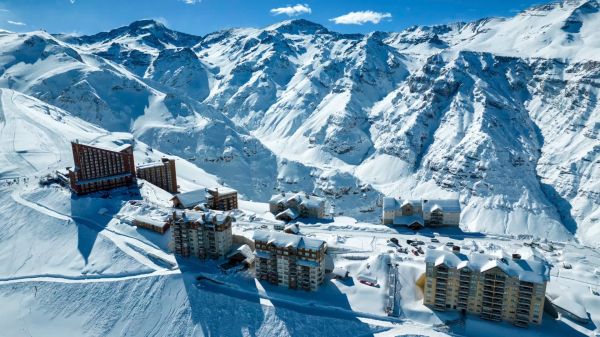
Valle Nevado Extends Season to November 8 After 108 cm in 48 Hours
Winter was meant to be winding down in Chile. Then Valle Nevado took 108 cm in 48 hours in early October, and the resort has pushed its closing date out to November 8 - its latest in 38 years of operation. That makes 143 days of skiing since opening day on June 19, with 690 cm banked for the season. Only part of the mountain is running while the storm settles, so check the mountain report before you plan a trip.
9 Oct 2026
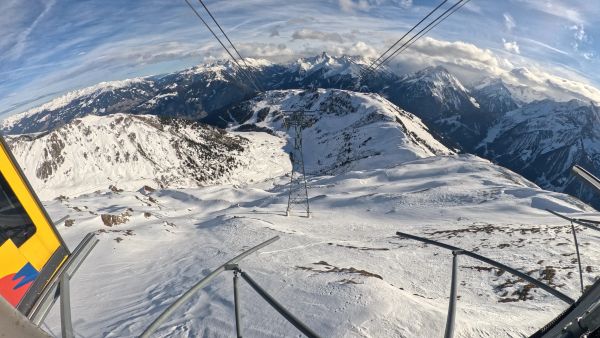
Alps Snow Forecast: Cold Front Brings Thursday Snow to the High Alps
The Alps look a lot more like winter today, for a day or so. A cold front is moving west to east, dropping up to 35 cm on high glaciers and peaks, with snow levels falling to around 1,500-1,800 m at times. Don’t plan a trip around it: mid-elevation snow will be thin and wet, every area is closed bar a limited Sölden glacier opening tomorrow, and warmer weather returns by Monday.
8 Oct 2026
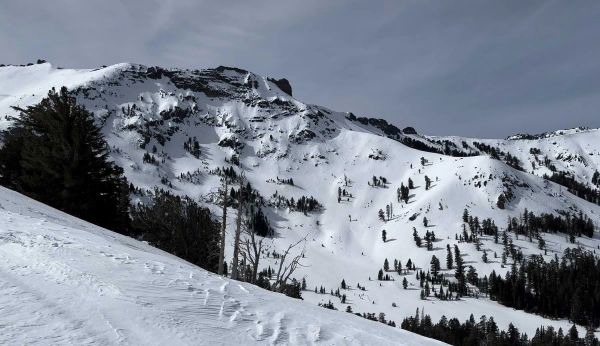
California Ski Resort Opening Dates 2026-27: Mammoth Leads, Tahoe Follows
Mammoth Mountain is first up in California, targeting Friday 13 November after a dusting of September snow. Heavenly and Northstar follow on 20 November, Palisades Tahoe on Wednesday 25 November and Sugar Bowl on 27 November, with Kirkwood on 4 December and June Mountain on 19 December. Plenty of smaller areas have no date yet. A super El Niño favours the Sierra, but a warmer storm track is the catch.
7 Oct 2026
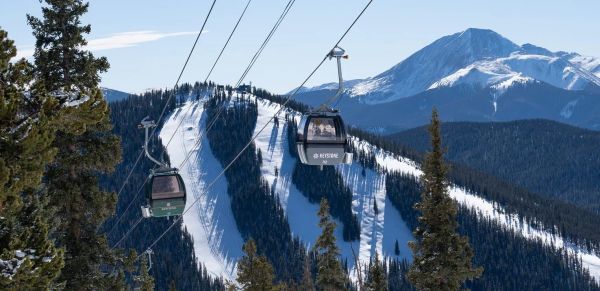
Colorado Ski Resort Opening Dates 2026-27: A-Basin and Keystone Race to Be First
Arapahoe Basin, Keystone and Winter Park are all chasing an October start, though none has a firm date yet. The first dated openers are Breckenridge and Copper on Friday 6 November, then Vail on 13 November, with most of the rest bunched around US Thanksgiving. Hesperus did not open at all last season. A super El Niño offers hope but no guarantee, and forecasters say the southern mountains have the better odds.
5 Oct 2026
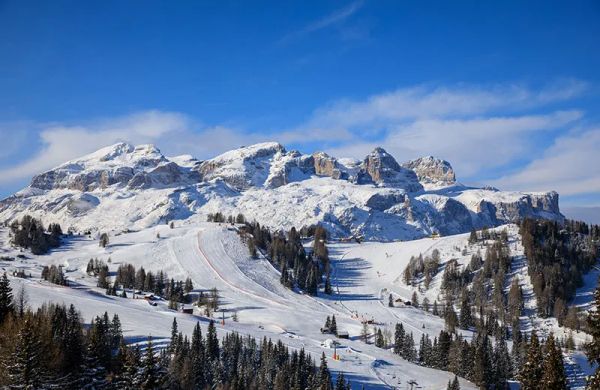
Dolomiti Superski 2026-27: Four New Gondolas, New Reservoirs and an €89 Peak Day Pass
Dolomiti Superski is spending around €100 million across its 12 areas before winter. Kronplatz gets a new 10-passenger gondola with a middle station, 3 Zinnen gets Helmissimo, and Val di Fassa swaps a chairlift for a gondola above Col Valvacin. New water-storage basins and upgraded snowmaking follow, and construction has started on the San Martino to Passo Rolle link. A peak adult day pass is €89.
4 Oct 2026
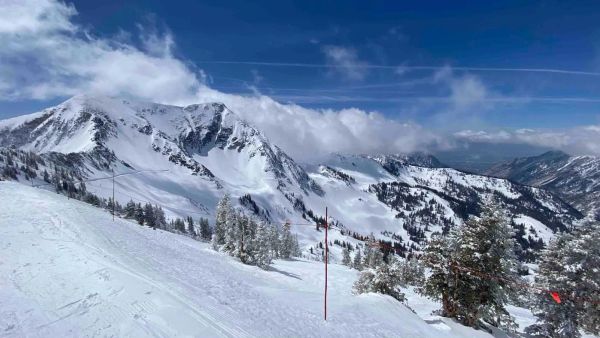
Utah Ski Resort Opening Dates 2026-27: Brian Head First, Eagle Point Out
Brian Head is targeting 6 November, though last year it aimed for 7 November and did not open until the 25th. Park City, Alta and Solitude are pencilled in for 20 November, Snowbird and Snowbasin for 27 November, and Deer Valley for 5 December. Eagle Point will stay closed after the Cottonwood Fire. A super El Niño is forecast, but the big snow is not expected until January.
4 Oct 2026
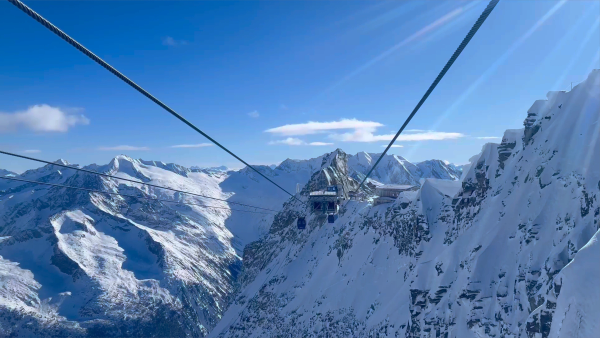
Hintertux Glacier Opens for 2026-27 With 12 Kilometres of Piste
Hintertux became Austria's second glacier to open for 2026-27 on Friday 2 October, after the Pitztal Glacier. Twelve kilometres of piste are running around the Olperer and Gefrorene Wand, served by one gondola and two drag lifts, with the Betterpark also open. Lifts officially run 8:15 am to 4:30 pm, but skiing stops at 2 pm for now.
4 Oct 2026
Vail Resorts Counts the Cost of a Thin Winter as Pass Sales Slide Further
A historically poor western winter cut Vail Resorts' annual net income from $280 million to $147.5 million and skier visits by 13.4 per cent. Now 2026-27 pass units are down 12 per cent as of 18 September, worse than the 10 per cent flagged in spring. Vail blames the weather and thinks some buyers are simply waiting, and it forecasts a rebound if the snow behaves.
3 Oct 2026
Mt Cheeseman Lift System
The field operates three surface lifts - two T-bars and one learners' rope tow - providing uphill transport across the 334-metre vertical drop. The Main T-bar services the lower and mid-mountain terrain with beginner and intermediate groomed runs. The Ridge T-bar climbs to 1874 metres, accessing advanced off-piste terrain and the field's upper bowl. The learners' rope tow sits immediately adjacent to the Day Lodge at base elevation, serving a dedicated novice slope.
Both T-bars eliminate the need for traditional nutcracker rope tows common at other Canterbury club fields, offering easier loading for first-time club field visitors. The Main T-bar allows mid-station loading, useful when lower-elevation snow cover thins late season. Total uphill capacity reaches approximately 2500 persons per hour across the three lifts. The Ridge T-bar provides the starting point for backcountry tours into Tarn Basin and routes towards Mt Olympus along the Craigieburn ridgeline.
Lift access flows from the compact base area where all three tows originate within 50 metres of each other. Terrain spreads across an open basin format, allowing skiers to traverse between lift lines without mandatory descents. The upper T-bar accesses chutes and natural features on skier's left of the ridgeline when snow cover permits. Bootpacks from the Ridge T-bar terminus extend skiing onto Mt Cockayne's upper slopes, adding roughly 150 vertical metres for those prepared to hike.
The field installed its current T-bar system decades ago, with ongoing maintenance managed by club volunteers and seasonal staff. No detachable lifts or chairlifts exist, keeping operational costs low and ticket prices affordable. Queues rarely form outside peak weekends and school holidays. The 2026 operational model reduces staffing from 16 to nine core team members, supplemented by volunteers, maintaining weekend-only operations to preserve financial sustainability following the challenging 2025 season.
3lifts across 1 types
3
T-Bars
Mt Cheeseman lift system
Mt Cheeseman is served by 3 lifts, listed here by type. Check which lifts are turning against the live conditions before you plan your first laps - early lifts and high-speed chairs get you to the best snow fastest.
More Mt Cheeseman intelligence: trail map, snow report, webcams, resort overview.