
Porters
678m vertical, 21 runs, 6 lifts. Big Mama descent, family terrain, 90 mins from Christchurch. Kids 10 & under free.
Season 2026
Opens
26 June 2026
Closes
27 Sept 2026
Days open
93
Annual snow
3m
The Overview
Michael Fulton
Melbourne-based skier and snowboarder with 50+ resorts across 5 continents. Specialises in Australian resorts and international resort comparisons.
Porters operates across 285 hectares between 1,302 and 1,980 metres elevation with 678 metres of vertical drop, making it one of Canterbury's most accessible commercial ski areas. The terrain spreads across 21 runs with 15 per cent beginner, 50 per cent intermediate and 35 per cent advanced terrain, supported by 2.5 metres of average annual snowfall and snowmaking coverage along main pistes. Big Mama provides 620 metres of vertical in a single run, one of New Zealand's longest lift-accessed descents, whilst Bluff Face offers 38-degree pitches for advanced skiers. Children 10 and under ski free, with adult day passes priced at $149 and season passes from $1,199.
The ski area divides into clearly defined zones with gentle beginner slopes at the base transitioning to steeper upper bowls accessed by three consecutive T-bars. Intermediate terrain follows groomed runs down Easy Street and the chairlift line, whilst advanced runs including Headwall, Julian's Bowl and McNulty's Basin fan across the upper mountain. Big Mama towers above the base area's true right, often requiring specific snow cover to open fully. Terrain park features sit mid-mountain near the chairlift, offering rails, boxes and tables for progression.
Porters maintains a family-friendly, uncrowded atmosphere particularly on weekdays, with compact facilities that keep beginners close to the car park and café. The 120-seat licensed café serves espresso and hearty fare, whilst Porters Lodge offers 42 beds along the access road for overnight guests. The field's southeast-facing main gully retains snow differently across aspects, and its relative protection from wind allows partial operations when neighbouring areas close. Views from the summit ridgeline extend across Lake Coleridge and the Southern Alps, though the base area sits in a scree-dominated valley that loses sun early in the afternoon.
Porters operates independently without multi-resort pass connections, running a typical June-to-September season. The 2026 season opens 26 June and closes 27 September, with lifts operating 9am to 4pm daily. The resort suits beginners progressing to intermediate level, families seeking short access and affordability, and advanced skiers willing to traverse for steeper lines and accessible backcountry via Crystal Valley and Powder Bowl.
678m
Vertical
21
Runs
704 acres
Skiable
3m
Annual snow
The Terrain
21 runs across 704 acres skiable
Porters spreads across roughly 285 hectares of the Craigieburn Range, rising from 1,302 to 1,980 metres for a vertical of 678 metres. Its 21 runs are weighted towards the middle: 15% beginner, 50% intermediate, 30% advanced and 5% expert. That gives a solid mix with a real top end, which is unusual for a field only 89 kilometres from Christchurch. The upper mountain is exposed and alpine, and the lower slopes are gentler, so the character of the skiing shifts as you move up. A modest lift network keeps the scale easy to read, and the vertical is large enough to feel serious.
A quad chair covers the lower mountain, with T-bars continuing higher towards the ridges, and a beginner platter and magic carpet handle first-timers near the base. Big Mama is the best-known advanced area, with Bluff Face another step up for those wanting steep, committing lines. Mid-level skiers will find plenty of rolling cruising between the two extremes. Porters suits intermediates ready to try something bigger, plus advanced skiers who want genuine pitch without crowds. Those aiming for expert terrain should treat it as a day-trip option, since there are only a few runs in that grade.
Terrain split
21
runs
21 runs across 4 grades
Beginner3 runs · 15%
Intermediate11 runs · 50%
Advanced6 runs · 30%
Expert1 run · 5%
Time it right
When to visit Porters
The 2026 winter season runs from 26 June through 27 September, typical of Canterbury commercial fields operating mid-June to late September. Lifts operate 9am to 4pm seven days per week, weather permitting. Season length averages 14 to 16 weeks depending on early and late-season snow conditions. Historic opening has occasionally stretched into early October during strong snow years, whilst poor autumns have delayed June starts.
Annual snowfall averages 2.5 metres across the ski area, supplemented by extensive snowmaking on main pistes along the chairlift line and Easy Street. The resort sits at the southern end of the Craigieburn Range, receiving snow from both northwest-turning southerly systems and moist easterly flows off the Pacific. The chairlift and main gully face southeast, creating variable snow quality across the mountain's different aspects. Base depth reliability benefits from the 1,302-metre base elevation, though Big Mama's sun-exposed position can suffer thin cover during warm spells. Snow quality varies significantly between powder days and melt-freeze cycles, with limited groomed runs making hard-pack conditions challenging.
July and August provide peak snowfall and coldest temperatures, with the resort recording -15.37 degrees Celsius in August 2011. Early season June conditions favour groomed runs whilst the snowpack builds, with sidecountry areas requiring deeper cover. Spring September skiing transitions to softer snow and longer daylight, attracting families and value-seekers. The snowiest period typically falls in the second week of October, though the resort has usually closed by then. Midweek visits offer the quietest experience, with weekends and July school holidays bringing the largest crowds—one July 2021 day recorded 1,200 skiers.
Porters hosts beginner programmes including the five-day Porters Passport, which bundles lessons, lift access and a complimentary season pass upon completion. Night skiing does not feature in the regular programme, though the field occasionally offers evening terrain park sessions. No major event calendar runs through winter beyond standard school holiday promotions. The resort's focus remains day operations for Christchurch residents, with shuttle services operating weekends and during chain-required conditions on the 8-kilometre access road.
Season 2026
26 June 2026
Opens
27 Sept 2026
Closes
93
Days open
3 m
Annual snow
Getting there
Getting to Porters, and where to stay
Porters sits at the southern end of the Craigieburn Range in Canterbury's high country, 98 kilometres west of Christchurch at an elevation of 1,302 metres. The ski area occupies scree-covered terrain—approximately 80 per cent loose rock—above the Castle Hill Basin, with State Highway 73 running through the valley floor below. Lake Coleridge lies to the southwest, whilst the Torlesse Range defines the basin's eastern edge. The resort occupies conservation land adjacent to Craigieburn Forest Park, with neighbouring club fields including Mount Cheeseman, Broken River and Craigieburn Valley scattered along the range.
Springfield, a small rural town 33 kilometres east via Highway 73, provides the nearest services including petrol and basic supplies. Castle Hill Village sits 17 kilometres from the ski area turnoff, offering limited accommodation in an alpine settlement. Methven lies approximately 75 minutes southeast via Lake Lyndon Road, though this route remains ungritted and sketchy in winter. Christchurch provides full urban amenities 90 to 110 minutes away depending on traffic and conditions. The resort markets itself as Canterbury's closest commercial field to the city, a key selling point for day-trippers.
The access road branches 8 kilometres from Highway 73, with a well-signposted turnoff located roughly 10 kilometres past the summit of Porters Pass when approaching from Christchurch. The unsealed mountain access road climbs 8 kilometres from the highway junction to the base facilities, winding through open terrain without the native beech forests that characterise some neighbouring club fields. Chains are often required, with a complimentary shuttle operating from the chain-fitting area to the ticket office on weekends, holidays and whenever chains are compulsory. The access is considered shorter and less intimidating than many Canterbury ski roads, though still unpaved with no safety barriers.
Christchurch International Airport lies 89 kilometres southeast, roughly 70 to 90 minutes by car depending on conditions. No direct public transport serves the ski area, though commercial shuttle operators run daily services from Christchurch, Methven and Springfield. Arthur's Pass National Park sits 40 kilometres further west along Highway 73, with the West Coast town of Greymouth 180 kilometres away, making Porters a potential stopover for trans-Alpine itineraries. No passenger rail connects to the region, with road access via Highway 73 remaining the sole practical route year-round.
Where to stay
Search all stays →Hotels and lodges near Porters, powered by Stay22.
Latest News
From the SnowStash desk
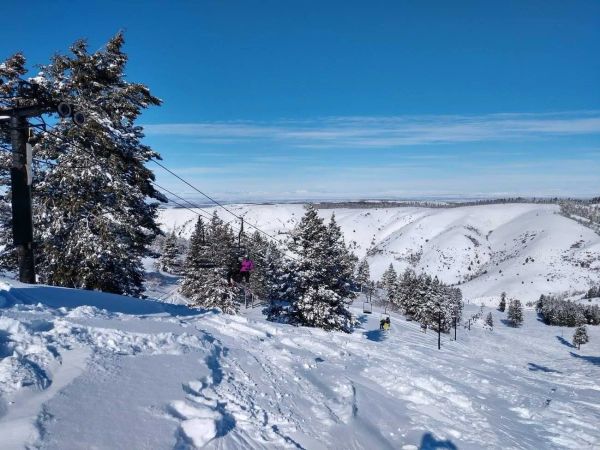
Kelly Canyon, Idaho, Adds Snowmaking, a Bigger Terrain Park and More Parking for 2026-27
Kelly Canyon had a rough 2025-26, and the Idaho resort has spent the summer making sure it doesn’t repeat. Snowmaking now reaches the top of Goldrush, the terrain park is doubling in size with a stereo system, lights and a snack shack, and the car park is getting bigger. Grooming is stepping up too. Target opening is December 4, conditions permitting.
9 Oct 2026
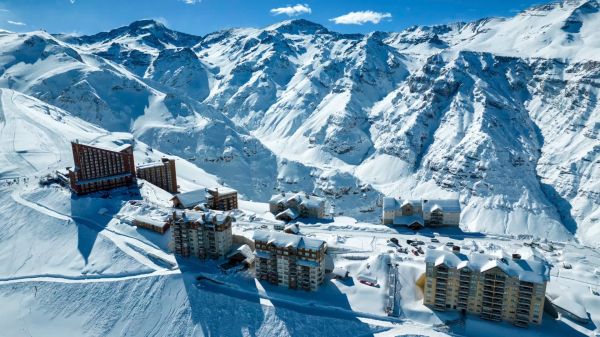
Valle Nevado Extends Season to November 8 After 108 cm in 48 Hours
Winter was meant to be winding down in Chile. Then Valle Nevado took 108 cm in 48 hours in early October, and the resort has pushed its closing date out to November 8 - its latest in 38 years of operation. That makes 143 days of skiing since opening day on June 19, with 690 cm banked for the season. Only part of the mountain is running while the storm settles, so check the mountain report before you plan a trip.
9 Oct 2026
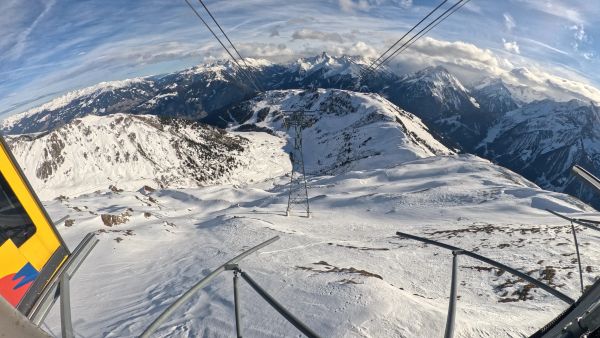
Alps Snow Forecast: Cold Front Brings Thursday Snow to the High Alps
The Alps look a lot more like winter today, for a day or so. A cold front is moving west to east, dropping up to 35 cm on high glaciers and peaks, with snow levels falling to around 1,500-1,800 m at times. Don’t plan a trip around it: mid-elevation snow will be thin and wet, every area is closed bar a limited Sölden glacier opening tomorrow, and warmer weather returns by Monday.
8 Oct 2026
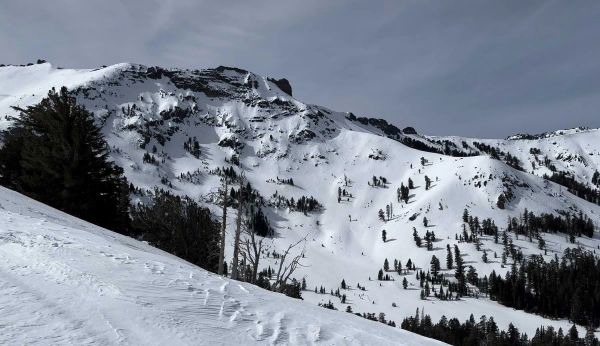
California Ski Resort Opening Dates 2026-27: Mammoth Leads, Tahoe Follows
Mammoth Mountain is first up in California, targeting Friday 13 November after a dusting of September snow. Heavenly and Northstar follow on 20 November, Palisades Tahoe on Wednesday 25 November and Sugar Bowl on 27 November, with Kirkwood on 4 December and June Mountain on 19 December. Plenty of smaller areas have no date yet. A super El Niño favours the Sierra, but a warmer storm track is the catch.
7 Oct 2026
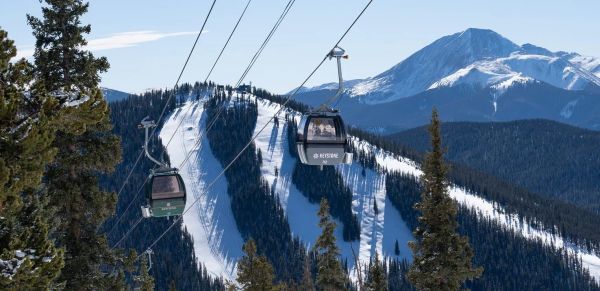
Colorado Ski Resort Opening Dates 2026-27: A-Basin and Keystone Race to Be First
Arapahoe Basin, Keystone and Winter Park are all chasing an October start, though none has a firm date yet. The first dated openers are Breckenridge and Copper on Friday 6 November, then Vail on 13 November, with most of the rest bunched around US Thanksgiving. Hesperus did not open at all last season. A super El Niño offers hope but no guarantee, and forecasters say the southern mountains have the better odds.
5 Oct 2026
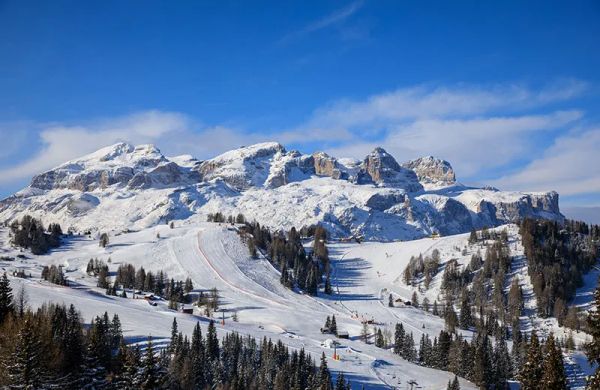
Dolomiti Superski 2026-27: Four New Gondolas, New Reservoirs and an €89 Peak Day Pass
Dolomiti Superski is spending around €100 million across its 12 areas before winter. Kronplatz gets a new 10-passenger gondola with a middle station, 3 Zinnen gets Helmissimo, and Val di Fassa swaps a chairlift for a gondola above Col Valvacin. New water-storage basins and upgraded snowmaking follow, and construction has started on the San Martino to Passo Rolle link. A peak adult day pass is €89.
4 Oct 2026
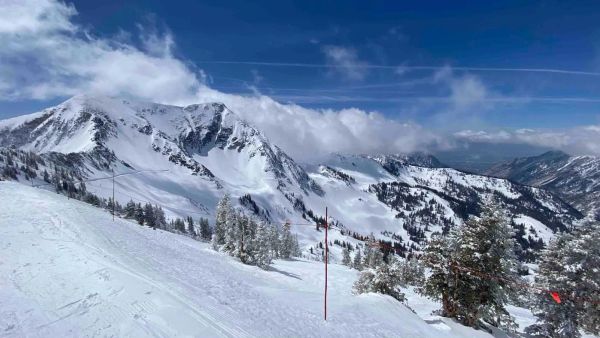
Utah Ski Resort Opening Dates 2026-27: Brian Head First, Eagle Point Out
Brian Head is targeting 6 November, though last year it aimed for 7 November and did not open until the 25th. Park City, Alta and Solitude are pencilled in for 20 November, Snowbird and Snowbasin for 27 November, and Deer Valley for 5 December. Eagle Point will stay closed after the Cottonwood Fire. A super El Niño is forecast, but the big snow is not expected until January.
4 Oct 2026
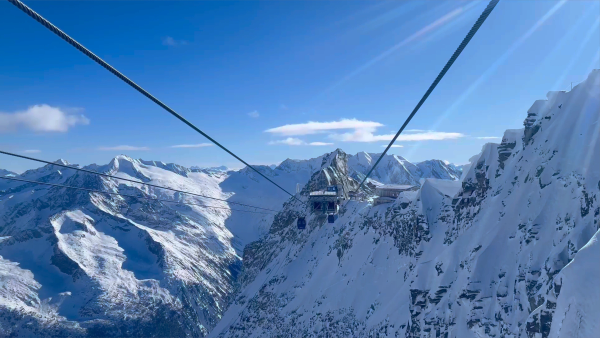
Hintertux Glacier Opens for 2026-27 With 12 Kilometres of Piste
Hintertux became Austria's second glacier to open for 2026-27 on Friday 2 October, after the Pitztal Glacier. Twelve kilometres of piste are running around the Olperer and Gefrorene Wand, served by one gondola and two drag lifts, with the Betterpark also open. Lifts officially run 8:15 am to 4:30 pm, but skiing stops at 2 pm for now.
4 Oct 2026
Porters Webcams
3 live angles across the mountain. Tap any camera to go full-screen.
About Porters's live webcams
Check live conditions across Porters with 3 real-time webcams showing snow, weather, and lift operations, updated every 10 minutes. Check high-elevation cams for powder visibility and base-area cams for crowd levels before you head up.
Camera guide
- Porters Crystal Valley1650m
- Crystal Valley at Porters Alpine Resort showing the main skiing terrain and chairlift access at 1650m elevation. This Porters webcam captures the Canterbury location close to Christchurch, with live snow cam views of the T1, T2, and T3 lift operations and the hassle-free parking that makes Porters a popular choice for day trips.
- Porters Base Area1300m
- Base area at Porters Alpine Resort displaying the main facilities and Easy Street beginner terrain at 1300m elevation. This Porters live cam monitors the magic carpet and platter lift areas, with Porters webcams showing the family-friendly atmosphere where kids 10 and under ski free and friendly vibes are guaranteed.
- Porters Upper Mountain1980m
- Upper mountain at Porters Alpine Resort showcasing the advanced terrain and summit access at 1980m elevation. This Porters web cam captures the McNultys run and challenging off-trail areas, with live cams revealing the expert-only terrain that requires rock hoppers during early season conditions in this Canterbury ski area.
Porters snow cams FAQ
How often do Porters snow cams update?
All Porters snow cams and webcams update every 10 minutes with fresh images showing current mountain conditions. This frequent update schedule ensures you have access to near real-time conditions for planning your ski day at Porters.
Which Porters webcam shows the best powder conditions?
The high-elevation Porters Upper Mountain webcam at 1,980m provides the clearest view of powder conditions and snowfall. These Porters webcams capture fresh snow accumulation and visibility better than base area cameras.
Can I see Porters lift queues on the webcams?
Yes. Multiple Porters snow cams specifically show lift queue areas and chairlift operations, helping you time your arrival and avoid peak queue periods.
When is the best time to check Porters snow cams?
Check Porters webcams early morning (7-8am) for overnight snowfall assessment, and mid-afternoon for current crowd levels and weather. The live cams are most useful after storm events to assess fresh powder.
How can I check current conditions before buying Porters lift tickets?
Use our Porters webcams alongside the live snow report to assess conditions before purchasing lift tickets. The webcams show real-time visibility, snow quality, and operational status.
Do Porters webcams work on mobile devices?
Yes. All Porters snow cams and webcams are optimized for mobile viewing, so you can check live conditions from anywhere using your phone or tablet.
More Porters intelligence: snow report, lift tickets, trail map, resort overview.