TL;DR
An Italian ski resort used 40 helicopter flights to transport manufactured snow to its highest runs after December winds left them bare and temperatures were too warm for snowmaking. The operation, costing potentially less than €400,000 in lost revenue, has drawn criticism from environmental groups and highlights the escalating costs of maintaining ski operations in warming winters.
Resort Deploys Helicopter Snow Operation to Avoid Revenue Loss
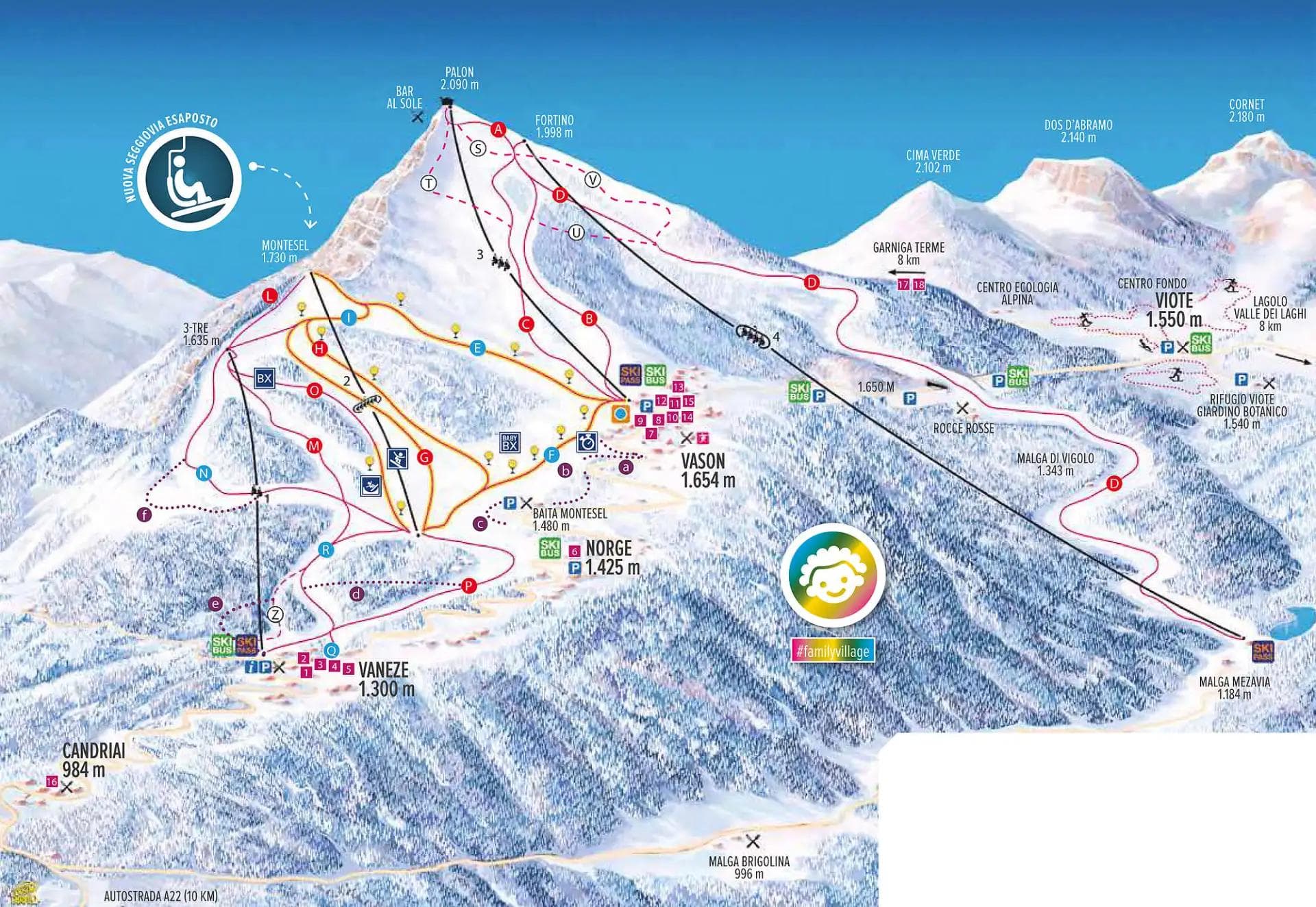
Monte Bondone, a small ski area above Trento in northern Italy, made 40 helicopter trips to transport manufactured snow to its summit on 5 December after high winds stripped the upper mountain bare. According to Corriere del Trentino, temperatures at the summit were too warm for the resort's snowmaking system to operate, leaving management with a choice between closing runs or finding an alternative solution.
The resort chose the latter. Roberto Gaddo, president of Trento Funivie which operates Monte Bondone, told the Italian newspaper that keeping the affected slope closed could have cost between €300,000 and €400,000. The calculus was straightforward: many tour operators include contractual provisions allowing them to relocate clients if fewer than half of a resort's terrain remains open. For a family-oriented operation with just nine runs covering 20 kilometres, losing even one slope can trigger that threshold.
Twelve environmental organisations, including WWF Italy and Extinction Rebellion, condemned the operation, arguing the resort had "forced the mountain beyond its natural limits." The incident has renewed debate over how ski resorts should respond to increasingly unreliable natural snowfall, particularly in regions where winters are warming faster than the global average.
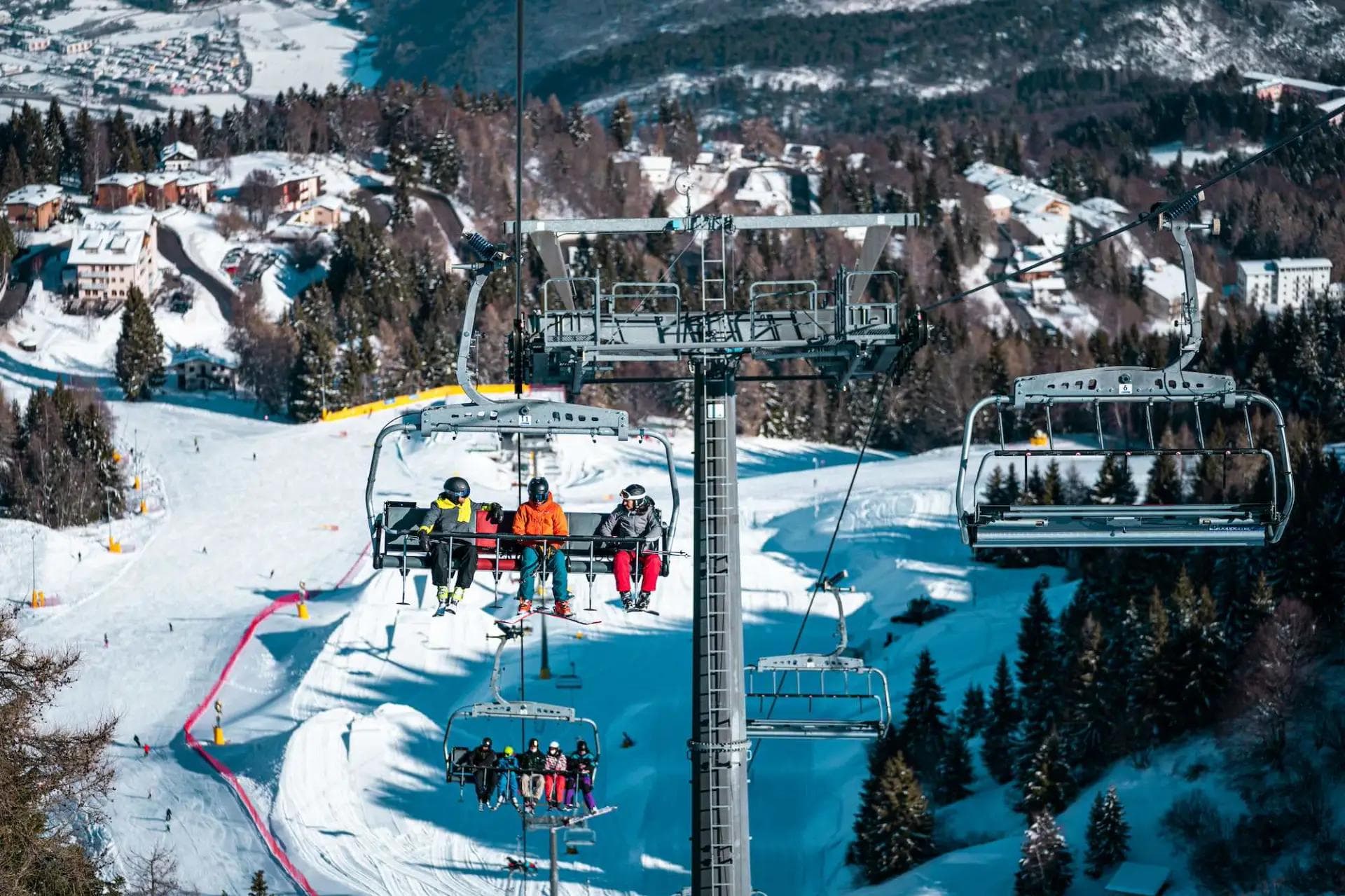
Monte Bondone operates approximately 127 snow cannons across its modest terrain footprint, a ratio that reflects how dependent lower-elevation Italian resorts have become on artificial snow. The resort sits close to the Dolomites but lacks the altitude advantages of its better-known neighbours. When natural snow coverage proves insufficient and temperatures spike above snowmaking thresholds, operators face limited options.Helicopter snow transport isn't new in the Alps, but it remains controversial. The practice emerged as an emergency measure at some resorts over the past decade, typically deployed for high-profile events or critical early-season terrain. What's changed is the frequency with which conditions now require such interventions. Italian winters have warmed measurably over the past two decades, compressing the reliable skiing window and forcing resorts to spend more on snowmaking infrastructure whilst simultaneously facing more days when that equipment can't operate due to temperature constraints.The financial pressure is real. Tour operators wielding contract clauses that allow client relocation create a binary outcome for smaller resorts: maintain minimum terrain counts or lose bookings entirely. That dynamic pushes operations toward increasingly resource-intensive measures to keep slopes open, even when natural conditions would historically have meant closures.Meanwhile, other Italian resorts are responding to different pressures. Madonna di Campiglio announced it will cap online lift ticket sales at 15,000 on peak days starting 28 December, a response to overcrowding after recording more than 23,000 visitors in a single day last season. The move acknowledges capacity limits but does nothing to address the underlying climate challenges facing lower-elevation areas like Monte Bondone.