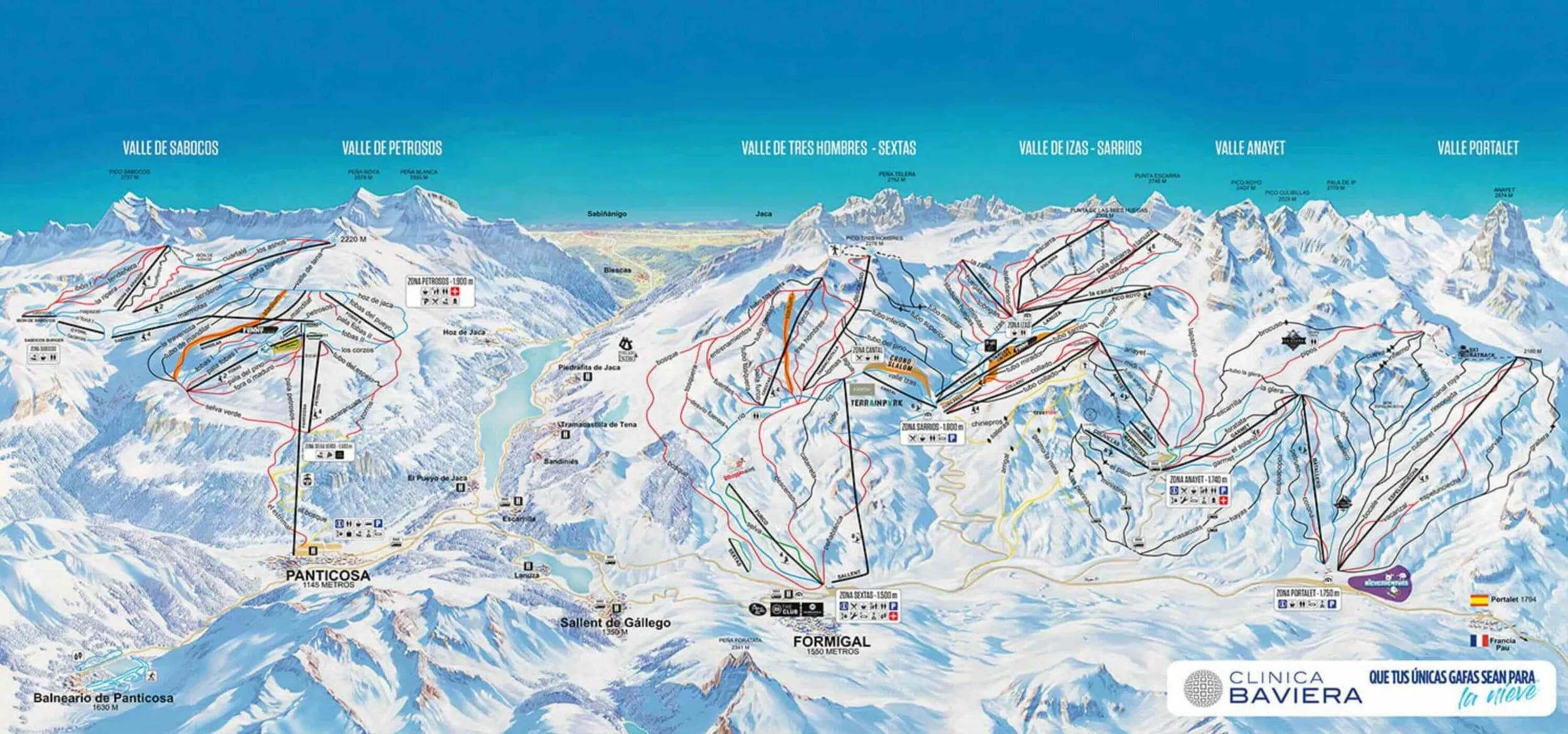
Panticosa Ski Resort Avalanche: Three Basque Skiers Dead, One Critical
Published Date:
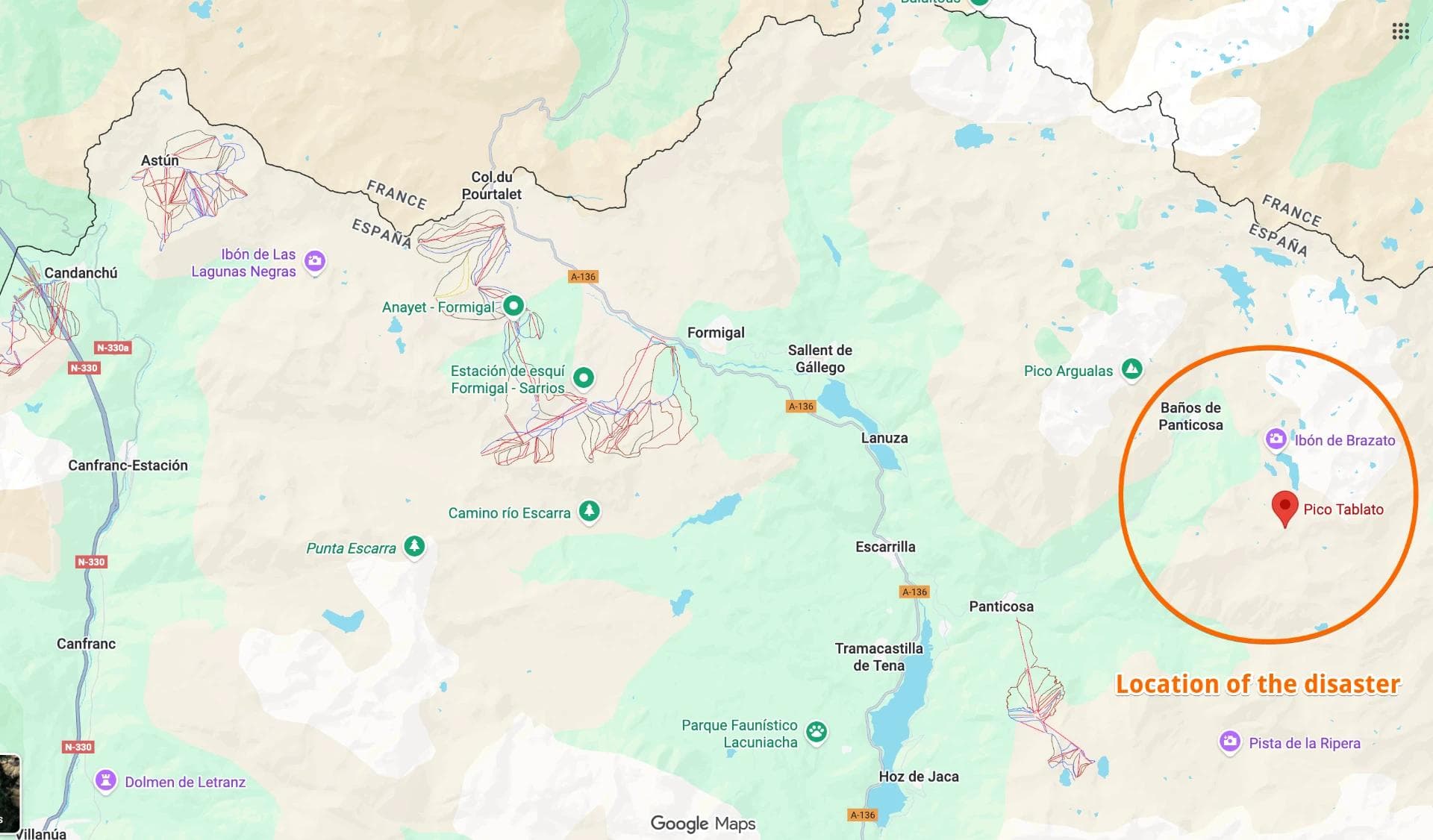
Three ski mountaineers from Spain's Basque Country have died after being caught in an avalanche while ascending Pico Tablato near Panticosa Spa in the Aragonese Pyrenees, with a fourth member fighting for life in hospital.
The group of six was struck by a large slab avalanche around midday at an altitude of 2,700 metres. Two men and one woman were killed, while a fourth member was rescued with severe hypothermia and transferred to San Jorge Hospital in Huesca where they remain in a critical condition.
The remaining two members of the expedition escaped unharmed and were able to alert emergency services around 1:00pm local time.
What Happened on Pico Tablato
The group was on a ski mountaineering route when a slab of snow and ice detached from the steep slope above them. Four of the six mountaineers were caught in the slide and buried under the snow.
The Mountain Rescue and Intervention Group (GREIM) of the Guardia Civil responded immediately, supported by medical helicopters. Despite the rapid response, rescuers could only confirm the deaths of three victims. The fourth person pulled from the debris was evacuated urgently to hospital suffering from severe hypothermia.

Avalanche Conditions on the Day
Spain's meteorological agency AEMET had issued a level 3 (considerable) avalanche risk warning for elevations above 2,100 metres on the day of the incident. The forecast specifically warned about extremely fragile wind slabs forming on north and west-facing slopes.
These wind-loaded snow structures are particularly dangerous because they can fracture under light loads—including the weight of skiers. The preliminary investigation suggests the wind slab failed on an unstable base layer made up of faceted snow and ice crusts.
The slope's steepness combined with more than 60 centimetres of accumulated dry snow at higher elevations created conditions for a chain reaction fracture that released both snow and ice blocks.
The Risks of Ski Mountaineering
This tragedy highlights the serious risks involved in ski mountaineering, even for equipped and experienced groups. The Basque mountaineers were undertaking a technical route in terrain known for its steep gradients and avalanche exposure.
Level 3 avalanche danger means considerable risk, where natural avalanches are possible and human-triggered avalanches are likely on steep slopes with the specified characteristics. In these conditions, careful route selection and terrain assessment become critical.
Anyone planning ski mountaineering trips in avalanche terrain should:
- Check current avalanche bulletins and weather forecasts before departure
- Carry and know how to use avalanche safety equipment (transceiver, probe, shovel)
- Understand snowpack assessment and terrain evaluation
- Avoid steep slopes during elevated avalanche risk periods
- Consider hiring qualified mountain guides for unfamiliar areas
- Travel with experienced partners and maintain safe spacing

Pyrenees Avalanche Risk
The central Pyrenees present particular challenges for backcountry users. The region experiences variable snow conditions throughout the season, and wind-loading of slopes can create dangerous instabilities even when overall snowpack seems stable.
North and west-facing slopes—exactly where this avalanche occurred—are particularly prone to wind slab formation in the Pyrenees due to prevailing weather patterns.
The combination of steep terrain, wind-affected snow, and a weak base layer created textbook avalanche conditions on Pico Tablato. Unfortunately, even experienced mountaineers can find themselves in the wrong place at the wrong time when these factors align.
Ongoing Investigation
Authorities are continuing to investigate the exact circumstances of the avalanche. The findings will likely reinforce existing safety guidance about respecting avalanche forecasts and exercising extreme caution on steep slopes during periods of elevated risk.
Our thoughts remain with the families and friends of those killed and with the survivor currently receiving treatment in hospital.