TL;DR
A chairlift collision at Montenegro's Savin Kuk resort has killed a German skier and critically injured his wife, with the lift reportedly back in operation despite an ongoing investigation into the mechanical failure that caused chairs to collide mid-operation.
Mechanical Failure Leads to Fatality at Montenegrin Resort
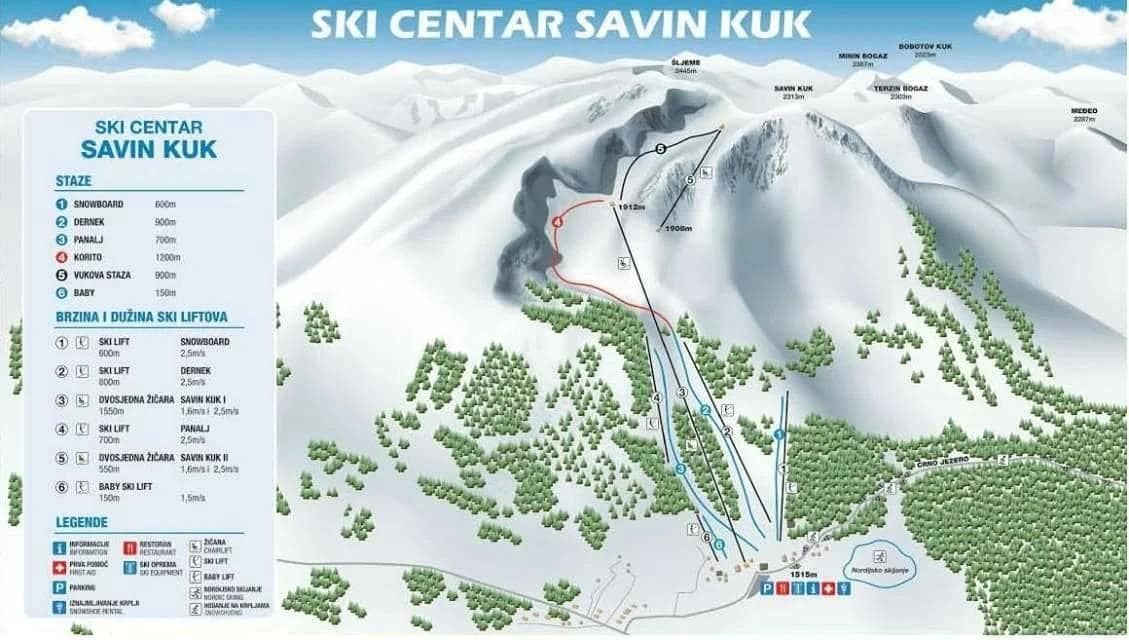
A 34-year-old German skier, Sebastian Hetner, died on December 20 after falling approximately 70 metres from a chairlift at Savin Kuk ski resort on Mount Durmitor in northern Montenegro. The incident occurred around 1:00 pm when one chair on the resort's second chairlift reportedly collided with the chair ahead of it during normal operation, causing Hetner to be thrown from the lift. His 30-year-old wife, who was seated in the same chair, suffered severe injuries including an open femur fracture and head trauma.
The accident left three additional people stranded at height in difficult terrain—Serbian, German, and Montenegrin citizens—requiring a complex rescue operation in challenging weather conditions. Footage from Montenegro's public broadcaster RTCG showed rescue teams delivering blankets and supplies to those trapped whilst working to evacuate them safely. No further injuries were reported among those stranded or other lift users.
What's raising serious concerns is the reported resumption of lift operations despite an active investigation. The State Prosecutor's Office explicitly ordered the chairlift to remain closed during the on-site examination, yet local media report the resort has restarted operations—a decision that's sparked considerable controversy within Montenegro.

The Basic State Prosecutor's Office in Pljevlja has launched a formal investigation, with police collecting statements from resort management and staff responsible for the chairlift operation. According to Montenegro's Police Directorate, relevant documentation has been seized and a mechanical engineering expert has been appointed to examine the lift and determine what caused the collision between chairs.The resort maintains the chairlift had undergone all routine pre-season inspections, but that claim warrants scrutiny given the nature of the failure. Chairs colliding mid-operation suggests either a fundamental mechanical problem with the lift system—potentially grip failure, cable speed irregularities, or spacing control issues—or serious maintenance deficiencies that pre-season checks should have identified.The mayor of Žabljak added an uncomfortable economic dimension to the tragedy, emphasising on Montenegrin television that the town depends on tourism revenue and expressing concern that visitors will avoid the resort. It's a brutally frank admission of the financial pressures that can influence safety decisions at smaller resorts, particularly in emerging ski markets where tourism income is critical to local economies.The wife of the deceased remains hospitalised at the Clinical Centre of Montenegro in Podgorica following surgery. The severity of her injuries—an open femur fracture indicates significant impact force—underscores the violence of the collision that preceded her husband's fatal fall.