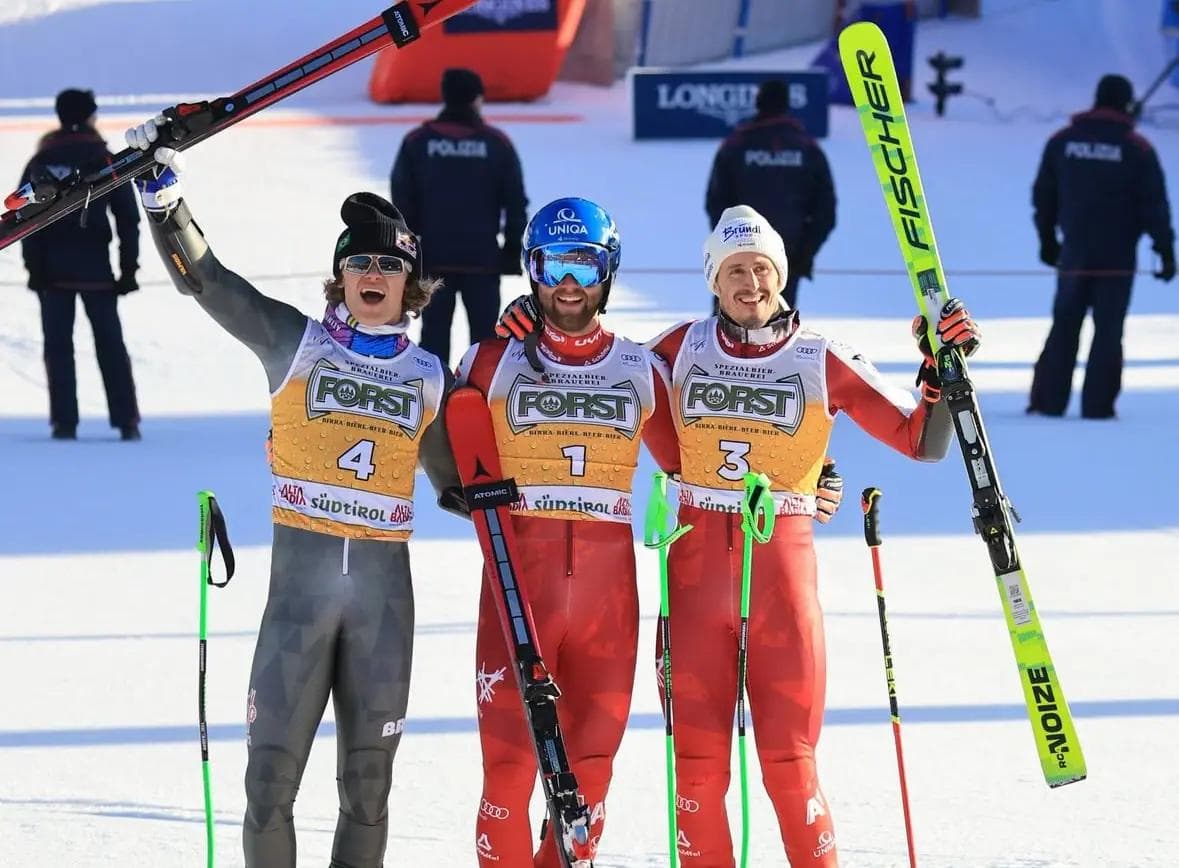
Schwarz set the standard early, posting 1:16.00 from the first start position—a time that suggested either exceptional skiing or less demanding conditions than usual. The gaps behind told their own story: Norway's Henrik Kristoffersen, typically a Giant Slalom contender, finished the first run 1.52 seconds back in 12th place, an unusually poor result for a skier of his calibre.
The standout first-run performance came from Team USA's River Radamus, who sat second at the halfway mark, just 0.64 seconds behind Schwarz. It's the kind of result that generates optimism about American Giant Slalom prospects, though the second run would prove less kind. His teammate Bridger Gile qualified 13th, while French skier Loevan Parand continued his solid season with a 14th-place first run—his fourth top-30 finish of the year, though that's a modest benchmark for career progress.
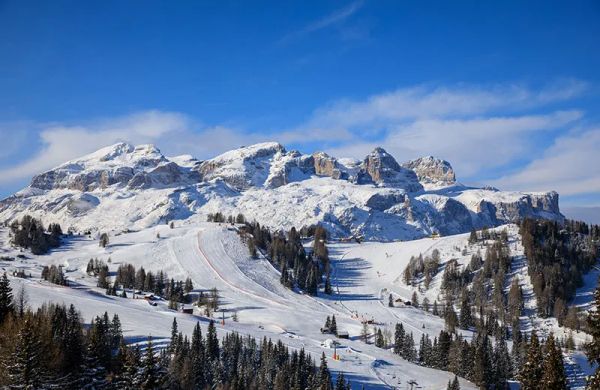
The second run delivered the chaos Alta Badia is known for. Germany's Fabian Gratz, who'd qualified more than 2.5 seconds behind Schwarz and has never stood on an individual World Cup podium, posted a second run nearly two seconds faster than the opening skier and suddenly found himself in the leader's chair. What followed was a procession of faster skiers failing to beat his combined time, including Odermatt, who crossed 0.34 seconds behind despite starting with a significant first-run advantage.
This is where the questions start. When a skier like Gratz—no disrespect intended, but he's not a regular podium threat—posts a time that holds off Odermatt, it suggests either an exceptional performance or course conditions that evolved significantly between early and late starters. The shaded mid-section reportedly became rutted and tricky, but that's standard for second runs. Either the course deteriorated more than usual, or the top seeds simply didn't execute.
Radamus attacked with clear podium intent but made critical errors in the shadows, ultimately finishing seventh. His teammate Gile's day ended with a DNF after his binding opened mid-course—the kind of equipment failure that's frustrating but relatively rare at this level.
Standings Shuffle as Odermatt Stumbles
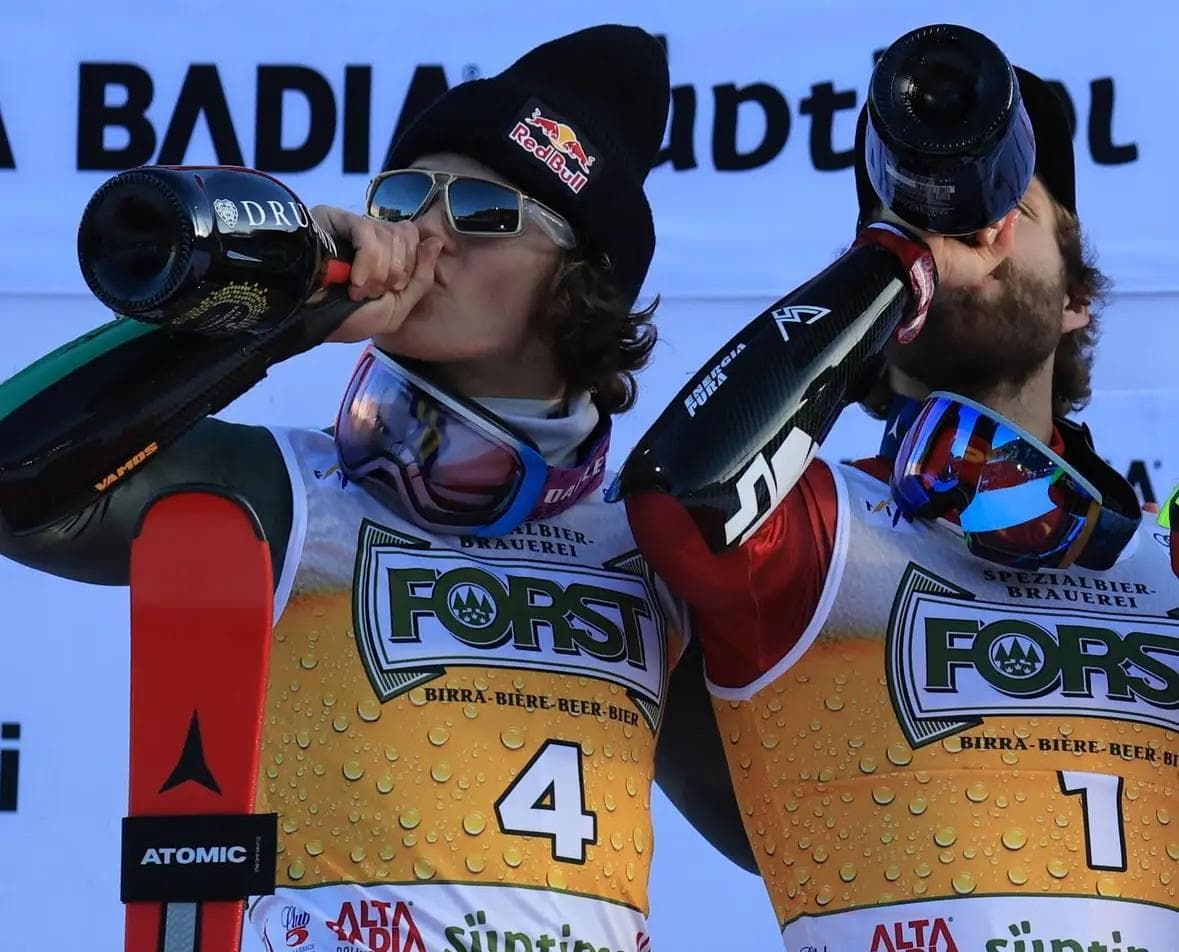
The most significant outcome may be in the Giant Slalom standings, where Brennsteiner's third-place finish gives him a five-point lead over Odermatt. It's a razor-thin margin that's unlikely to last given Odermatt's consistency, but it does open a conversation about whether the Swiss skier's dominance might be slightly less absolute this season. Schwarz now sits third in the Giant Slalom standings and second overall, though he trails Odermatt by 454 points in the latter—a reflection of Odermatt's victories across multiple disciplines.
For Braathen, the result continues a pattern: competitive, often on the podium, but not quite winning. Racing for Brazil adds a compelling narrative, but ultimately results matter more than flags. He's clearly got the speed to win World Cup races; the question is whether he can close out tight battles when it matters.
Kristoffersen's 11th-place finish is concerning for his championship aspirations. He'll look to rebound in Monday's slalom—his strongest discipline—but losing ground in Giant Slalom makes the overall title increasingly difficult. The tech specialists now have a break until January 7, when racing resumes with a night slalom in Madonna di Campiglio. One Super-G is scheduled for December 27 in Livigno for the speed crew.
Schwarz's win is a positive story—a comeback from serious injury is always worth acknowledging—but the narrow margins and Odermatt's off-day suggest this was more a case of others underperforming than Schwarz rediscovering his best form. That's not to diminish the achievement, just to keep it in perspective. World Cup victories are difficult regardless of circumstances, and holding your nerve with the lead is its own skill. Whether this signals a genuine return to consistent contention or a one-off result will become clear over the coming months.