Back to News
Whistler Blackcomb to Replace Showcase T-Bar with Fixed-Grip Quad in 2026

Whistler Blackcomb to Replace Showcase T-Bar with Fixed-Grip Quad in 2026

Published Date:

Michael Fulton

Melbourne-based ski expert with 45+ resorts across 5 continents. Specialises in Australian skiing and riding and international resort comparisons.

45+ resorts visited14 years skiing

Vail Invests in Blackcomb Glacier Access

Whistler Blackcomb will replace its ageing Showcase T-Bar with a fixed-grip quad chairlift, tentatively scheduled for 2026 pending regulatory approvals. The upgrade forms part of Vail Resorts' $215-220 million capital investment plan for calendar year 2026, though only a fraction of that budget will make its way to Whistler.

The T-bar currently serves as the primary access point to Blackcomb Glacier's 215 acres of terrain. It's a surface lift on a glacier that's been receding for years, creating increasingly awkward load zones and tricky surface conditions that make the thing progressively less functional. Replacing it with a chairlift makes operational sense, even if the choice of a fixed-grip quad rather than a detachable seems conservative for terrain that often requires downloading in poor weather.

Belinda Trembath, COO of Whistler Blackcomb, characterised the project as making glacier access "easier and more enjoyable," which is corporate speak for acknowledging the current lift is problematic. She's not wrong—anyone who's wrestled with a T-bar on a wind-scoured glacier whilst wearing a backpack knows the experience leaves room for improvement.
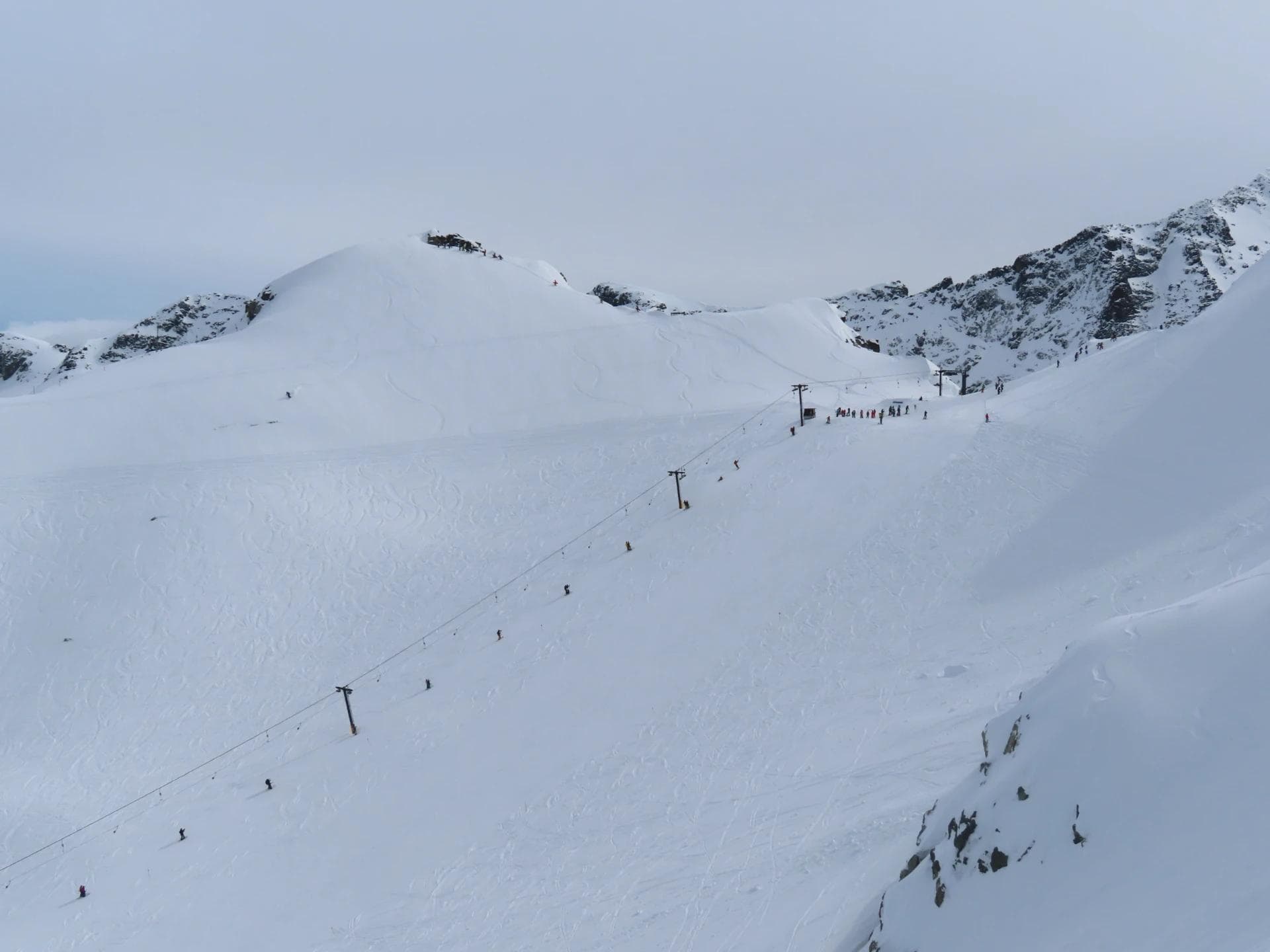
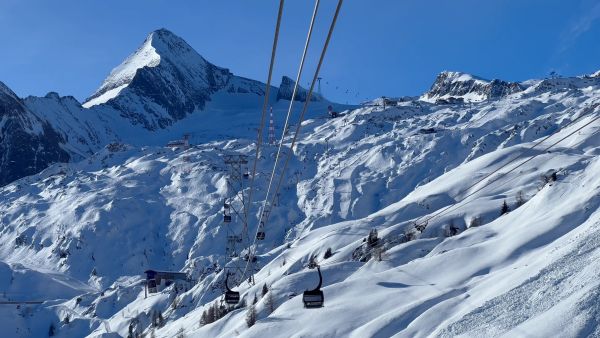
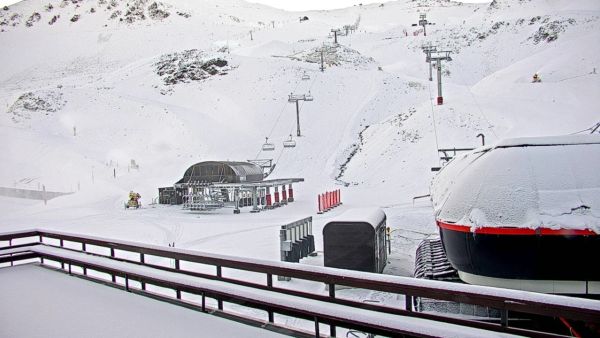
The high alpine Showcase T-Bar at Whistler Blackcomb.
The high alpine Showcase T-Bar at Whistler Blackcomb. ©️ Lift Blog
Arctic Eco Sno In Article

The lift replacement represents the most tangible infrastructure upgrade at Whistler, but Vail is also planning a remodel of Roundhouse Lodge at the top of Whistler Mountain. The lodge houses seven food and beverage outlets and ranks as Whistler's largest on-mountain restaurant facility. Details on the remodel remain vague beyond promises to "improve guest flow, expand seating" and create "vibrant social spaces"—the usual hospitality industry buzzwords that could mean anything from meaningful capacity expansion to cosmetic updates.

What's notable is what's not being addressed. Whistler Blackcomb operates across 8,171 acres with 16 alpine bowls and receives an average of 408 inches annually, but its lift infrastructure hasn't kept pace with Epic Pass-driven visitation increases. Base area lift queues regularly exceed 30-45 minutes on peak days, and mid-mountain upload capacity remains a bottleneck. A single fixed-grip quad accessing glacier terrain, whilst useful, doesn't address these fundamental capacity constraints.

The Showcase replacement sits within Vail's broader 2026 capital allocation strategy, which includes a 10-passenger gondola at Park City (replacing an 8-passenger Cabriolet), lodge renovations at Vail Mountain, a triple-to-quad upgrade at Seven Springs, and plaza improvements at Keystone tied to a new luxury hotel development. It's a mixed bag of projects, some addressing genuine capacity issues whilst others focus on real estate adjacencies and mid-tier resort upgrades that generate favourable local press.

Vail's 2026 capital budget of $234-239 million sounds substantial until you consider it's spread across the company's entire portfolio of North American and European resorts. For context, Vail spent $247-250 million in 2025, including $42 million at European properties. The company maintains these investment levels generate "improved guest experience," though many skiers and riders would argue that experience has deteriorated as visitation has outpaced infrastructure development.

Arctic Eco Sno In Article

The Showcase T-bar replacement is a sensible infrastructure decision that addresses a specific operational problem, but it's worth maintaining perspective on what this actually represents. Glacial recession has made the existing surface lift increasingly difficult to operate and maintain. A fixed-grip quad solves that problem whilst providing more comfortable uphill transport for the advanced and expert skiers who typically access this terrain.

What it doesn't do is address Whistler's broader capacity challenges or the crowding issues that have become endemic across Vail's major destination resorts. The company continues to market unlimited access via the Epic Pass whilst capital investment hasn't kept pace with the visitation those passes generate. Whistler's long season—one of North America's longest, genuinely—means the crowding is spread across more operating days than many competitors, but that's cold comfort when you're standing in a 40-minute Garbanzo Express queue.

The project timeline extends into 2026, subject to regulatory approvals that aren't guaranteed. BC's environmental assessment processes can be lengthy, particularly for projects affecting glacial terrain. Vail's phrasing that it "looks forward to working with community partners" suggests the approval process hasn't been completed, which introduces timing risk.

For skiers and riders planning Whistler trips, the Showcase upgrade represents an incremental improvement to high-alpine access rather than a transformational change. The Blackcomb Glacier terrain remains excellent when conditions allow, and chairlift access will beat a T-bar in virtually every scenario. Just don't expect it to materially change the overall Whistler experience or address the queuing elsewhere on the mountain. That would require a different scale of investment entirely, and Vail's current capital allocation strategy suggests that's not forthcoming.