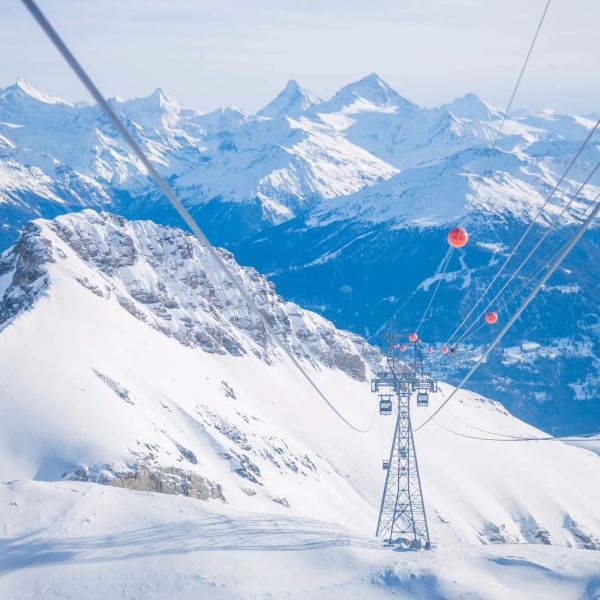
Zauchensee Replaces 40-Year-Old Schwarzwandbahn With Doppelmayr 10-Person Gondola
Published Date:
Categories
Four Decades Overdue: Zauchensee Finally Addresses Lift Capacity
Zauchensee has opened its new Schwarzwandbahn gondola, replacing a 40-year-old four-person system that frankly should have been upgraded years ago. The Austrian resort has installed a Doppelmayr 10-person gondola with 63 cabins, tripling hourly capacity from what must have been a painfully inadequate 750-800 people per hour to 2,300.
The timing is notable—completing the project just as the season opens suggests either impressive project management or some last-minute scrambling to meet deadlines. Either way, skiers and riders at Zauchensee now have access to what should have been standard infrastructure for a resort hosting women's World Cup downhill races.
The Schwarzwandbahn serves as the primary connection from the Zauchensee base at 1,370 metres to Gamskogel at 2,112 metres, covering 740 vertical metres over nearly 2 kilometres. When your main artery up the mountain is running 40-year-old technology, you've got a problem. This upgrade was necessary, not innovative.

Schwarzwandbahn Gondola
The new system runs at 5.5 metres per second and completes the journey in 8 minutes 25 seconds. That's reasonably quick, though not particularly fast by current gondola standards—modern detachable systems can push 6-7 m/s when conditions allow.
The capacity increase is the real story here. Tripling throughput from roughly 800 to 2,300 people per hour should substantially reduce queue times during peak periods, particularly on powder days and weekends. For context, that puts it in line with mid-tier resort gondolas globally, though still well below the 3,000+ per hour systems you'll find at larger operations.
The resort has also opened the gondola to pedestrian traffic for the first time. This is becoming standard practice across European resorts—both as a revenue generator during shoulder seasons and to comply with increasing regulatory pressure to provide non-skier mountain access. Whether there's actually sufficient pedestrian demand at Zauchensee to justify this capability remains to be seen.
Zauchensee operates 16 lifts across three mountains—Rosskopf, Gamskogel, and Tauernkar—and connects to the larger Ski amadé network, which markets itself as offering access to 12 peaks and five valleys when you ski from Alpendorf through to Zauchensee. In practice, that's a full day's mission that most skiers won't bother with more than once.

This replacement represents the kind of capital investment resorts must make to remain competitive, particularly when you're hosting World Cup events with the associated scrutiny on infrastructure quality. Running a 40-year-old four-person gondola as your main uphill transport simply doesn't cut it in 2024, regardless of location.
The project cost hasn't been disclosed, but a gondola of this specification typically runs €15-20 million, possibly more given recent construction cost inflation. That's a substantial investment for a resort of Zauchensee's size, which likely explains why they ran the old system for so long.
From a practical standpoint, this should meaningfully improve the skiing experience at Zauchensee by reducing bottlenecks and queue times. The question is whether this alone is sufficient to compete with neighbouring Austrian resorts that have been steadily upgrading their lift networks over the past decade.
The gondola is operational now, having completed what the resort describes as comprehensive safety testing and acceptance procedures—standard regulatory requirements in Austria that are, thankfully, non-negotiable. Skiers and riders heading to Zauchensee this season will finally experience what should have been baseline infrastructure years ago. Better late than never, but calling this anything other than long-overdue maintenance would be generous.