TL;DR
Zermatt has opened a new eight-seater chairlift to replace the 21-year-old Gifthittli six-seater. The CHF 25 million upgrade brings incremental capacity improvements and modern features to a critical mid-mountain connector, though the investment raises questions about priorities in an increasingly competitive Swiss market.
Zermatt Upgrades Critical Mid-Mountain Connector
Zermatt has replaced its 21-year-old Gifthittli six-seater chairlift with a new eight-seater Leitner system, marking one of Switzerland's first installations of this configuration. The CHF 25 million project addresses a bottleneck in the resort's central sector, though whether the capacity increase justifies the substantial investment remains debatable given the lift's relatively modest role in the overall network.
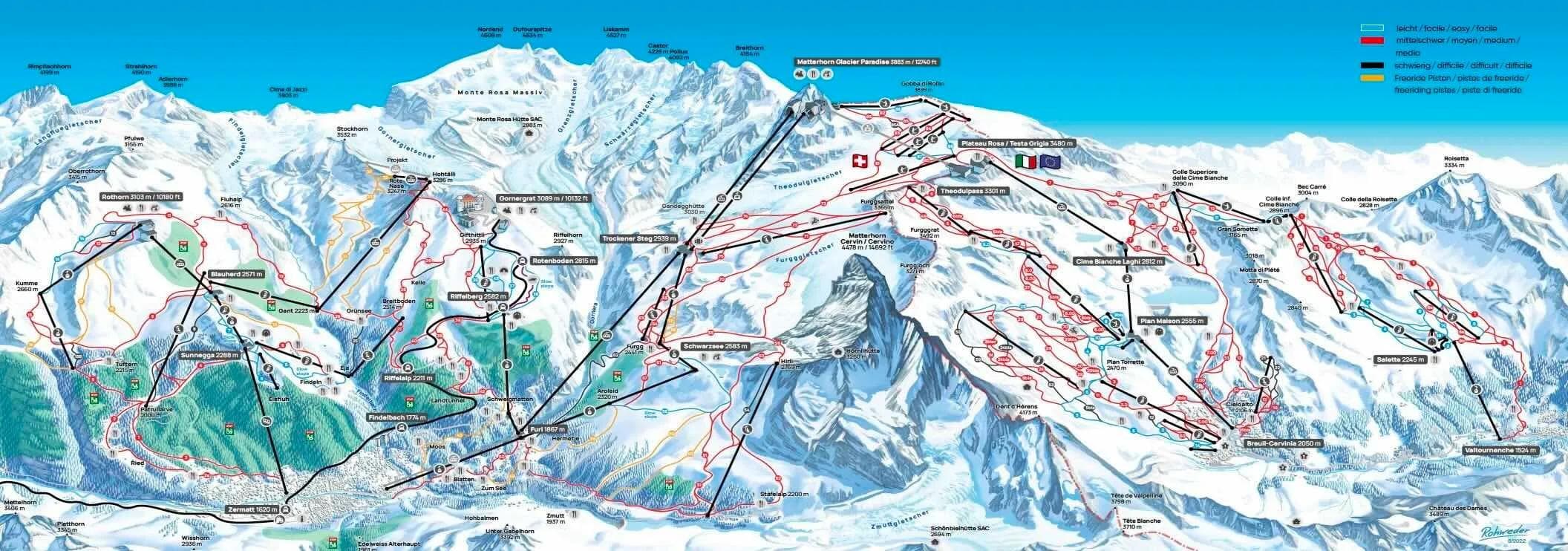
The timing is notable. Zermatt operates year-round and doesn't face the same seasonal pressure as lower-altitude resorts, yet infrastructure investments of this scale always warrant scrutiny. The Gifthittli serves as the sole lift in the central "Mitte" area, connecting to four runs and linking the resort's southern, central, and northern sectors. That makes it operationally important, but hardly the showcase terrain that typically receives eight-figure upgrades.
The new lift increases capacity to approximately 3,400 people per hour—a meaningful improvement over the previous six-seater, though Zermatt hasn't published comparative figures for the old system. In a resort that markets itself heavily on glacier skiing and high-altitude terrain, spending heavily on mid-mountain infrastructure suggests either genuine operational necessity or an acknowledgment that the lower slopes need attention too.
The technical specifications follow industry trends without breaking new ground. Forward-facing boarding, weather protection hoods, direct drive technology, and solar panels in station windows represent what you'd expect from a 2024-25 lift installation. Leitner's Leitcontrol system automates routine operations—useful for staff efficiency, though hardly revolutionary given that most European lift manufacturers offer similar platforms.The direct drive eliminates gear oil requirements and reduces maintenance, which matters more at high altitude where accessing components is expensive. Reusing half the existing tower foundations makes environmental and financial sense, though it's worth noting this has become standard practice rather than exceptional stewardship.Pininfarina's station design will photograph well for marketing materials. Whether skiers and riders care about Ferrari-designed lift stations is another question entirely. Most people judge lift infrastructure on wait times, weather protection, and whether it gets them where they need to go.The new building above the mountain station includes offices, ski patrol facilities, and amenities. Daniel Imboden, Head of Ski Patrol North, notes the improved efficiency for rescue operations—a genuinely useful upgrade that receives less attention than the designer aesthetics but matters more for actual mountain operations.Zermatt positions this as setting "new standards" in sustainability and innovation. That's corporate language for doing what most modern lift installations now do. The solar integration and direct drive are positive developments, but calling them groundbreaking overstates the case.