TL;DR
The Summit at Snoqualmie's Alpental area opened for the 2025 season on January 7 with the debut of its new Edelweiss triple chair, replacing a 58-year-old Riblet double and completing a three-year lift modernisation. The upgrade promises more reliable upper mountain access for avalanche control, though whether it delivers on capacity claims remains to be seen.
Alpental Replaces Final Legacy Lift
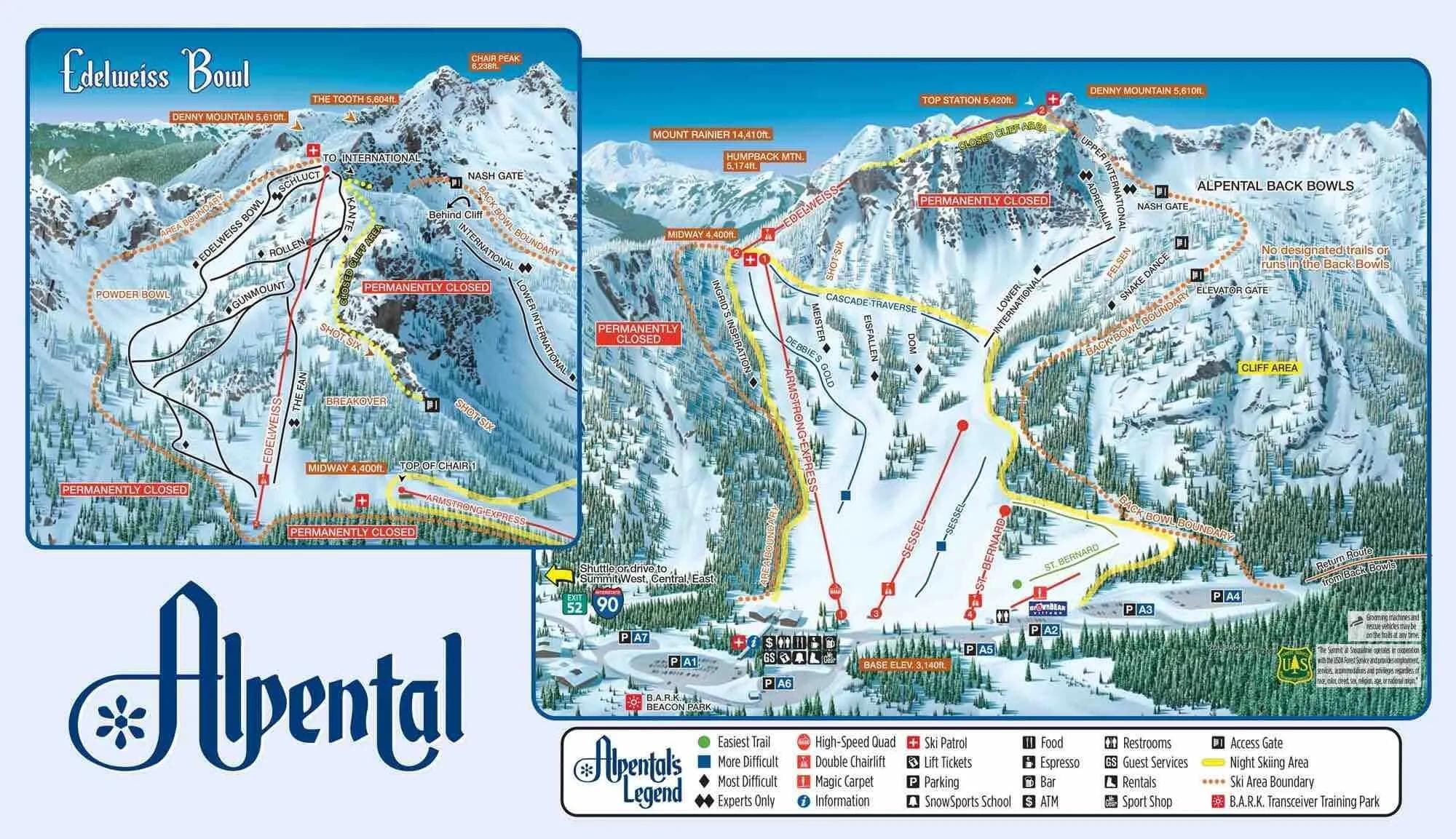
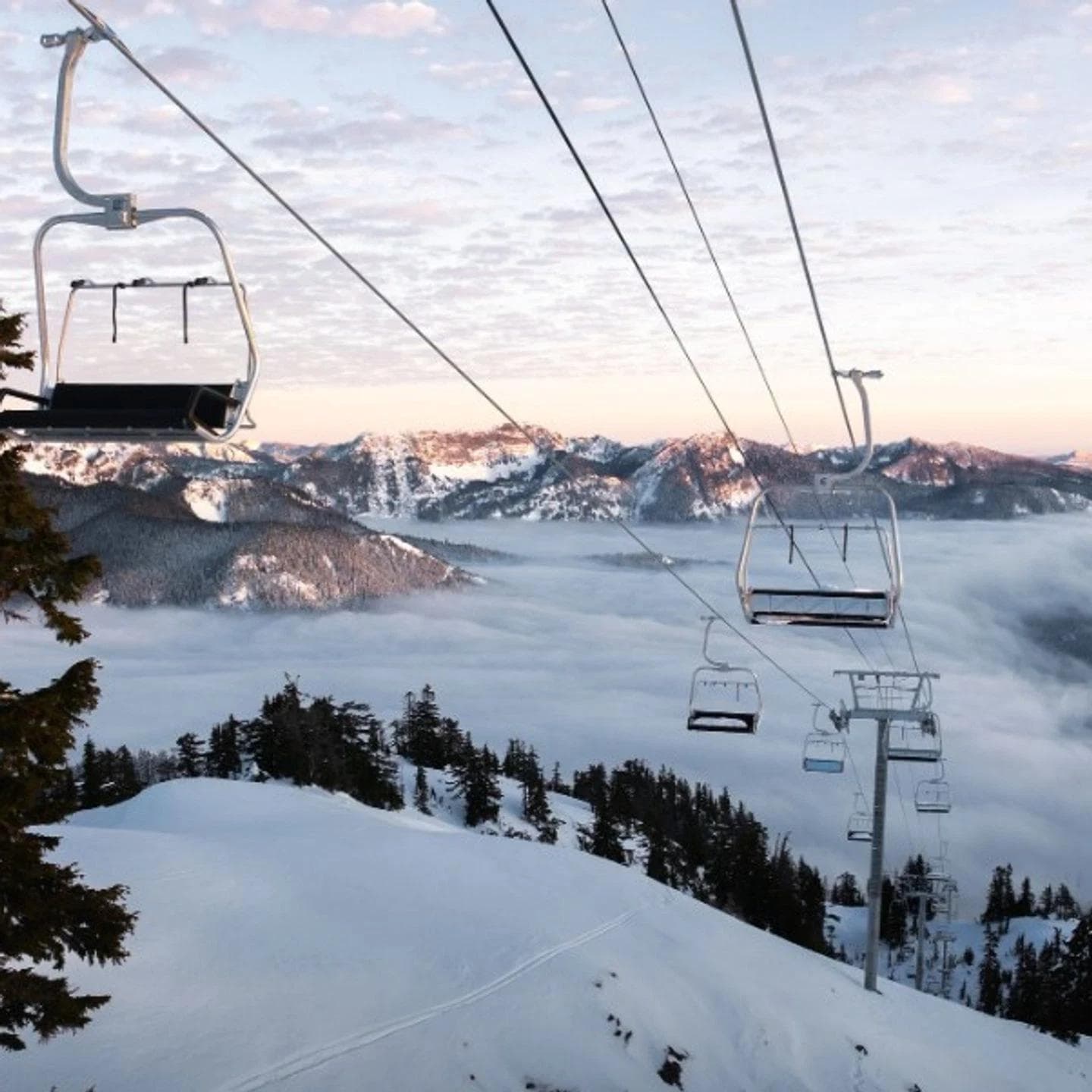
The Summit at Snoqualmie's Alpental opened on January 7 with its new Edelweiss triple chairlift operating, marking the completion of a three-year effort to replace all three of the area's main access lifts. The Doppelmayr triple replaces the original 1967 Riblet double that served as the gateway to Alpental's upper mountain terrain on Denny Mountain.
The new lift reportedly cuts ride time to approximately six minutes and follows the same alignment as its predecessor, maintaining the original top terminal location. According to resort management, the primary motivation for the replacement centres on reliability rather than capacity—the 58-year-old Riblet had become increasingly difficult to operate consistently, which in turn limited ski patrol's ability to complete avalanche mitigation work required to open the upper mountain.
This represents the third consecutive year of lift installations at Alpental, following Sessel in 2023 and Internationale in 2024. It's an unusually aggressive capital investment timeline for a mid-sized area that's part of the broader Summit at Snoqualmie operation.
The reliability argument makes sense for a Pacific Northwest operation dealing with variable weather and significant avalanche terrain. If patrol can't reach the upper mountain consistently for control work, most of Alpental's 825 acres remain closed regardless of snow conditions. That's been a persistent problem at areas relying on ageing lift infrastructure.The resort claims the new triple will "significantly reduce lift wait times" through increased uphill capacity, though the actual capacity difference between an old Riblet double and a modern Doppelmayr triple isn't enormous—likely in the range of 800-1,200 people per hour versus 400-600 for the double. For context, Alpental operates six lifts total across relatively limited terrain by North American standards. Whether capacity was genuinely constraining the skiing experience or this is standard new-lift marketing remains unclear.The installation was apparently complicated by terrain access limitations, requiring helicopter support and hiking for construction crews. That's not uncommon for upper mountain lift work in steep terrain, though it does add substantially to project costs. Guy Lawrence, who runs both Alpental and The Summit at Snoqualmie, described it as "one of the most technically complex chairlift installations in the resort's history," which may or may not mean much given the resort's operational history.The opening day featured the usual ribbon-cutting ceremony and breakfast for the first 58 people in the lift queue—the number presumably references the years the old Riblet operated, which is a nice touch even if the gesture won't improve anyone's skiing.