Details of the Proposal
Three nations—the United States, Israel and Syria—are discussing development of the new luxury ski facility. Barrack characterised the talks as reflecting "a strong, mutual desire to move from denial to genuine cooperation and shared prosperity."
The resort would be operated largely by Druze communities handling hospitality and food services. These communities already inhabit the area and maintain cultural connections across the borders, making them practical candidates for managing cross-border operations.
The ski resort represents just one component of broader economic discussions. The three countries are also exploring industrial zones in the demilitarised area established by the 1974 Separation of Forces Agreement signed between Israel and Syria following the Yom Kippur War.
Beyond infrastructure, Israel and Syria agreed to begin dialogue on cooperation in energy, healthcare and agriculture sectors—marking the first civilian-focused engagement between the nations rather than purely security-based discussions.
High-Level Diplomatic Engagement
The negotiations included senior representatives from all parties. Israel's delegation comprised their Ambassador to the US, the Military Secretary to the Prime Minister (designated as the next Mossad chief), and the acting National Security Council head.
Syria sent their Foreign Minister and Intelligence Chief. The American delegation included special envoy Steve Witkoff, Jared Kushner and Tom Barrack.
Barrack described the discussions as a "breakthrough," stating both sides are "committed to a new relationship based on transparency and partnership—one that heals past grievances and accelerates a collaborative future."
Practical Considerations and Challenges
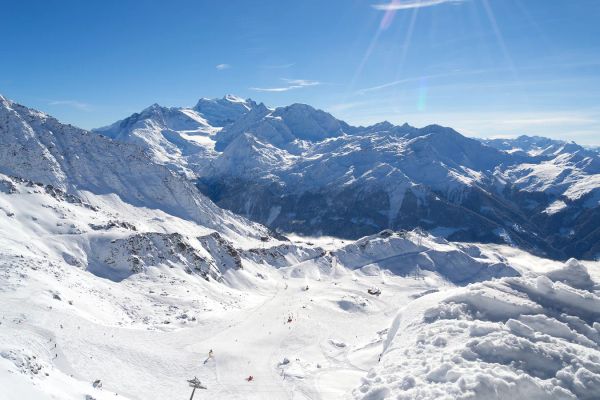
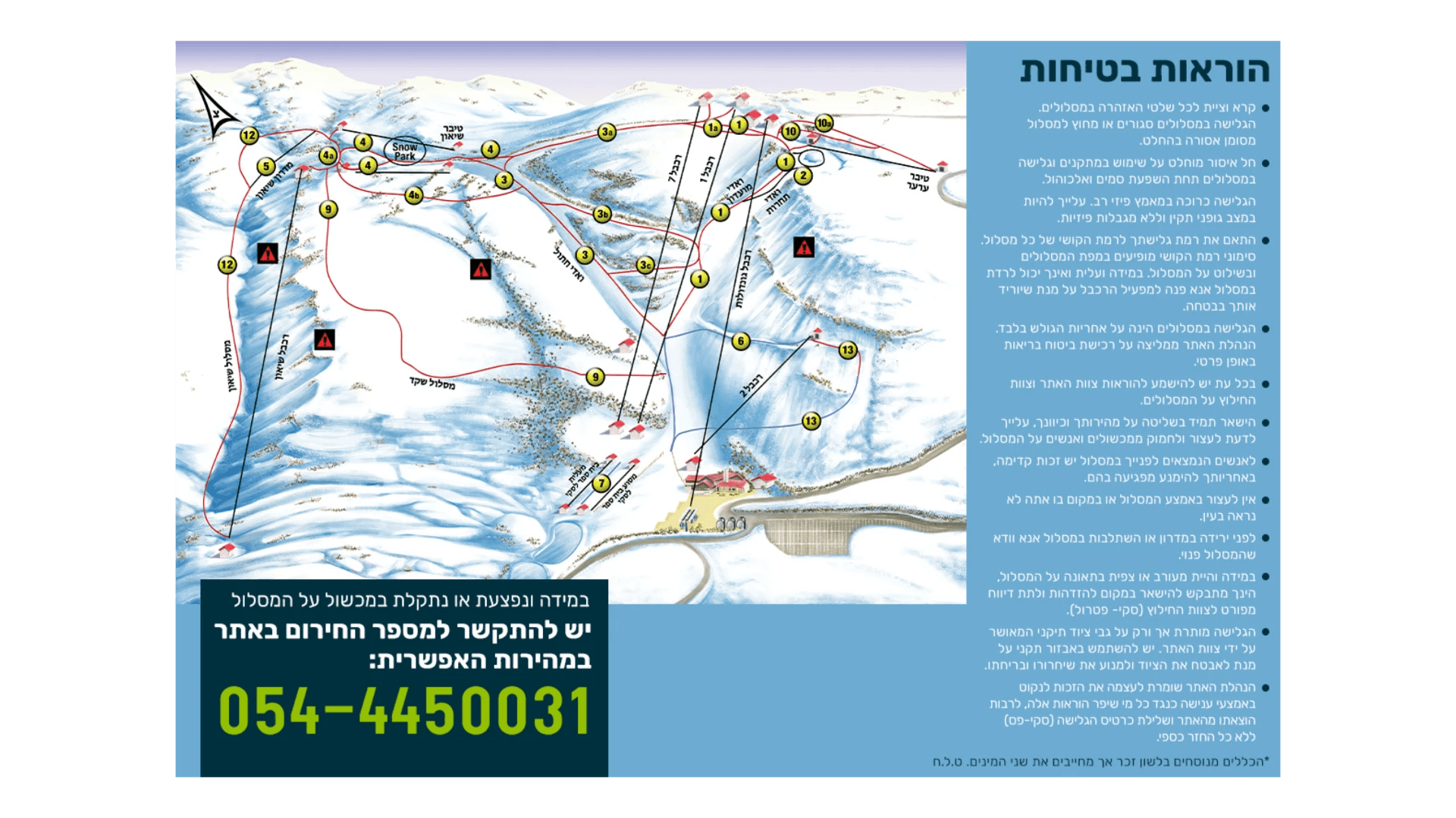
Whilst a joint Israeli-Syrian ski resort might initially sound implausible, several factors support the concept's viability. Mount Hermon already hosts a functioning ski resort on the Israeli side, demonstrating the terrain and elevation are suitable for winter sports operations.
The Druze communities possess existing infrastructure and hospitality expertise. Unlike purely military control arrangements, a jointly operated civilian facility creates economic incentives for both nations to maintain peaceful cooperation.
The development could serve as a test case for broader economic integration. Successfully operating a ski resort together could build confidence for tackling more complex joint ventures in energy, industrial and agricultural sectors.
However, significant questions remain unanswered. Security arrangements for tourists visiting a jointly operated resort in contested territory require resolution. Liability and insurance frameworks across two separate legal systems need establishment. Infrastructure development funding sources must be identified.
Most critically—would international skiers feel comfortable visiting? A luxury ski resort requires sustained tourist bookings, and the region would need demonstrable long-term stability before travellers would commit to holidays in an area with such recent conflict history.
Broader Implications
Whether the joint ski resort proceeds from discussion to construction remains uncertain. These talks represent early-stage negotiations in the complex landscape of Middle Eastern politics, where circumstances can shift rapidly.
The inclusion of skiing in diplomatic conversations highlights how ski resorts function as economic engines beyond just recreational facilities. They generate employment, drive tourism revenue and can provide neutral ground for building cross-border relationships.
Similar cross-border ski resort operations exist in other regions with political tensions, demonstrating the model isn't without precedent. Whilst not a complete solution to deeper conflicts, such projects can serve as practical starting points for normalising relations.
The Mount Hermon proposal represents an unusual intersection of winter sports, diplomacy and economic development in one of the world's most politically sensitive regions. If realised, it would mark a significant departure from decades of conflict-focused relations between Israel and Syria.